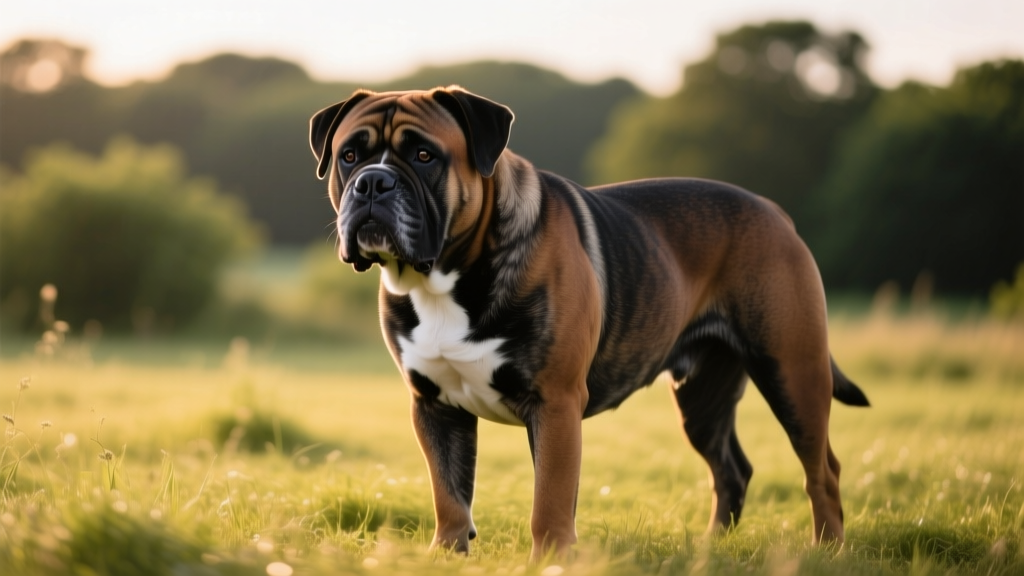
Average Lifespan of a Shih Tzu: Health, Care & Longevity Guide
The average lifespan of a Shih Tzu is 10–18 years. Learn breed-specific health risks, care tips, and costs to help your Shih Tzu live a long, healthy life.

Shih Tzu Breed Overview: A Toy Companion With Impressive Longevity
The Shih Tzu consistently ranks among the longest-lived toy breeds in the United States. The average lifespan of a Shih Tzu is 10 to 18 years, with most well-cared-for dogs living 13 to 16 years. According to the American Kennel Club, this breed's life expectancy of 10–18 years places it well above the typical toy breed average of 10–14 years. Some Shih Tzus have been documented living past 20 years, though this remains exceptional.
Originating in Tibet and later refined in China's imperial courts during the Ming Dynasty (1368–1644), the Shih Tzu was bred exclusively as a companion dog — never a working or hunting breed. The name translates to "lion dog" in Mandarin, reflecting its association with Buddhist mythology. The breed nearly went extinct during the Chinese Communist Revolution; all modern Shih Tzus descend from roughly 14 dogs used to rebuild the breed in England and Scandinavia in the mid-20th century.
| Size Class | Toy |
|---|---|
| Weight | 9–16 lb (4–7.3 kg) |
| Height | 9–10.5 inches (23–27 cm) at the withers |
| Average Lifespan | 10–18 years (median ~13 years) |
| Coat Type | Double coat, long and flowing; hair (not fur) |
| Energy Level | Low to moderate |
| Grooming Frequency | Daily brushing; professional grooming every 4–6 weeks |
| Family Fit | Excellent with gentle children; good with other pets |
| Apartment Friendly | Yes — one of the best toy breeds for apartment living |
| AKC Group | Toy Group (recognized 1969) |
How Big Does a Shih Tzu Get? Physical Characteristics
The AKC breed standard specifies a Shih Tzu should stand 9 to 10.5 inches (23–27 cm) tall at the shoulder and weigh 9 to 16 pounds (4–7.3 kg). Unlike some toy breeds, there is no significant size difference between males and females — both sexes fall within the same weight and height range. Dogs weighing under 9 lb are sometimes marketed as "teacup" or "imperial" Shih Tzus, but these are not recognized breed variants and are often the result of breeding runts, which carries significant health risks including fragile bones and hypoglycemia.
The Shih Tzu has a distinctly brachycephalic (short-muzzled) skull with large, dark, round eyes set well apart. The breed's double coat consists of a soft, dense undercoat and a longer, silky topcoat. Coat colors span virtually every combination — gold, white, black, liver, brindle, and parti-color are all accepted. Notably, the Shih Tzu's coat is composed of hair rather than fur, meaning it grows continuously and sheds minimally, making it a popular choice for allergy-sensitive households (though no dog is truly hypoallergenic).
Temperament & Personality: What Living With a Shih Tzu Is Really Like
The Shih Tzu was bred for one job: companionship. This single-purpose breeding history produces a dog whose personality revolves around human interaction. Here are the core behavioral traits you'll encounter:
- Affectionate lap-seeker: Shih Tzus actively pursue physical contact. Expect your dog to follow you room to room, climb onto your lap within seconds of you sitting down, and press against your legs while you cook. This is not clinginess by accident — it is centuries of selective breeding for proximity to humans.
- Alert but not aggressive: Your Shih Tzu will announce visitors with a few sharp barks, then typically greet strangers with a wagging tail and a sniff. They are poor guard dogs but decent watchdogs for alerting you to unusual sounds.
- Stubbornly independent: Despite their devotion, Shih Tzus have a cat-like streak of self-determination. They will comply with commands when motivated but often pause to evaluate whether obedience is worth the effort. This is intelligence, not stupidity — they simply prioritize differently than a Border Collie.
- Playful in short bursts: A Shih Tzu will zoom across the living room in a joyful burst, then collapse on the nearest cushion for a 90-minute nap. Their play style is charming rather than athletic.
- Gentle and non-confrontational: Shih Tzus rarely show aggression toward people or other dogs. When stressed, they are more likely to retreat or freeze than to snap, which makes them good candidates for multi-pet homes but also means they can be bullied by more assertive dogs at dog parks.
Exercise & Activity Needs: Exactly How Much Does a Shih Tzu Need?
A Shih Tzu requires 20 to 30 minutes of deliberate exercise per day, typically split into two short walks of 10–15 minutes each. This is significantly less than most breeds and is a major reason the Shih Tzu thrives in apartments and with owners who have limited mobility.
Because of their brachycephalic anatomy, Shih Tzus are prone to overheating. Keep outdoor walks to early morning or evening during summer months, and avoid exercising them when temperatures exceed 80°F (27°C). Indoor play sessions — fetch down a hallway, tug with a rope toy, or food-puzzle games — can supplement outdoor walks and provide mental stimulation.
| Time | Activity | Duration | Notes |
|---|---|---|---|
| Morning | Leash walk | 10–15 min | Use a harness, not a collar — protects trachea |
| Midday | Indoor play or puzzle toy | 10 min | Snuffle mats or KONG Classic (small) work well |
| Evening | Leash walk | 10–15 min | Shorter route in hot weather |
| Throughout day | Lap time and social interaction | Ongoing | Prevents separation-related behaviors |
A critical note on equipment: always walk a Shih Tzu on a front-clip or back-clip harness rather than a flat collar. Their short trachea is vulnerable to collapse, and pressure from a collar during pulling can accelerate tracheal damage over time. A well-fitted harness like the Ruffwear Front Range (XXS) distributes force across the chest.
Common Health Issues: What Shih Tzu Owners Must Watch For
While the Shih Tzu's average lifespan is impressive for a toy breed, longevity does not mean immunity from disease. The breed's brachycephalic structure and genetic bottleneck (remember, all modern dogs descend from roughly 14 founders) create predispositions to several specific conditions. Always consult your veterinarian for diagnosis and treatment — the information below prepares you for conversations with your vet, not replace them.
| Condition | Description | Estimated Prevalence | Typical Onset | Estimated Treatment Cost |
|---|---|---|---|---|
| Brachycephalic Obstructive Airway Syndrome (BOAS) | Narrowed nostrils, elongated soft palate, and hypoplastic trachea restrict airflow. Signs include snoring, exercise intolerance, and heat sensitivity. | ~50–60% of brachycephalic breeds show some signs | Birth (structural); symptoms worsen with age | $1,500–$4,000 for corrective surgery (stenotic nares/soft palate resection) |
| Intervertebral Disc Disease (IVDD) | Herniation of spinal discs, particularly in the cervical and thoracolumbar regions. Can cause pain, weakness, or paralysis. | ~3–5% of Shih Tzus (higher than general population) | 3–7 years | $3,000–$8,000 for surgical decompression; conservative management $500–$2,000 |
| Keratoconjunctivitis Sicca (Dry Eye) | Insufficient tear production leads to corneal irritation, ulcers, and potential vision loss if untreated. | ~5–10% of the breed | Any age; more common in middle-aged dogs | $50–$150/month for lifelong cyclosporine or tacrolimus drops |
| Patellar Luxation | Kneecap dislocates from its groove, causing intermittent skipping or lameness. Graded I–IV by severity. | ~8–10% of toy breeds including Shih Tzus | Often noted by 1 year; may worsen over time | $1,500–$3,500 per knee for surgical correction (Grade III–IV) |
| Renal Dysplasia | Hereditary malformation of kidney tissue leading to progressive renal failure. A DNA test is available. | Rare but documented; ~1–2% estimated | Typically before 5 years | Management $200–$600/month; no cure |
According to the Orthopedic Foundation for Animals (OFA), Shih Tzus rank in the top 20 breeds for patellar luxation and show notable rates of hip dysplasia (~7% evaluated dogs rated excellent vs. a breed average that varies). Responsible breeders screen for hip, patella, eye, and cardiac conditions through OFA or PennHIP evaluations before breeding.
- Labored breathing, blue-tinged gums, or collapse after exercise (possible BOAS crisis or cardiac event)
- Sudden inability to use hind legs or dragging rear limbs (possible IVDD emergency — surgical window is 24–48 hours)
- Squinting, excessive tearing, or visible cloudiness on the eye surface (corneal ulcer risk)
- Increased thirst and urination combined with weight loss (possible renal or diabetic onset)
Grooming Requirements: Tools, Frequency, and Costs
The Shih Tzu's continuously growing double coat demands a grooming commitment that catches many first-time owners off guard. Here is what the maintenance actually looks like:
- Daily brushing (5–10 minutes): Use a slicker brush (such as the Chris Christensen Big G in small) followed by a stainless-steel greyhound comb to catch tangles near the skin. Pay special attention to behind the ears, the armpits, and the "skirt" area around the hindquarters — these are the primary mat zones.
- Bathing every 3–4 weeks: Use a canine-specific moisturizing shampoo and conditioner. Human shampoo disrupts the acid mantle of a dog's skin (pH 6.2–7.4 vs. human pH 5.5). Thoroughly blow-dry the coat on a cool setting — air-drying a double coat traps moisture against the skin and promotes hot spots.
- Professional grooming every 4–6 weeks: Most owners keep their Shih Tzu in a "puppy cut" (1–2 inches all over) for manageability. Expect to pay $50–$90 per session depending on your region and coat condition. A full show coat requires professional attention weekly and is impractical for most pet owners.
- Eye cleaning daily: The breed's prominent eyes and shallow orbits accumulate tear staining. Wipe the inner eye corners daily with a damp cotton pad or a product like Eye Envy solution. Trim the hair above the eyes short to prevent irritation.
- Ear cleaning weekly: Shih Tzus have drop ears with hair growing inside the ear canal. Check weekly, pluck visible canal hair gently (your groomer can demonstrate), and clean with a veterinarian-approved ear wash to prevent yeast infections.
- Nail trimming every 2–3 weeks: Overgrown nails alter gait and stress joints. Use a scissor-style trimmer (Millers Forge small) or a rotary grinder (Dremel 7300-PT).
Training & Intelligence: Positive Reinforcement Works Best
Shih Tzus are often unfairly labeled as "difficult to train" because they do not respond to the high-intensity, repetitive drill methods that work on sporting and herding breeds. Their trainability rating is moderate — they learn readily when motivated but bore quickly with repetition.
The most effective approach is positive reinforcement using high-value food rewards (small pieces of freeze-dried liver, boiled chicken, or commercial training treats under 3 calories each). Keep sessions to 3–5 minutes, end on a success, and vary the exercises. Force-free, LIMA (Least Intrusive, Minimally Aversive) methods are essential — this breed is sensitive to tone of voice and will shut down under harsh correction. Never use shock collars, prong collars, or alpha rolls on a Shih Tzu; these methods damage the trust-based bond this breed requires and can trigger fear-based behavioral issues.
Housebreaking is the most commonly reported training challenge. Shih Tzus have small bladders and a historical lack of outdoor elimination pressure (they were indoor palace dogs). Crate training with a consistent schedule — taking the puppy out every 1–2 hours initially, then gradually extending intervals — typically yields reliable results within 8–12 weeks. Expect setbacks during cold or rainy weather; many Shih Tzus refuse to eliminate outdoors in wet conditions, so an indoor pee-pad station is a practical backup.
Family Suitability: Kids, Other Pets, and Apartment Living
With children: Shih Tzus are generally excellent with gentle, respectful children ages 6 and up. Their small size (9–16 lb) makes them vulnerable to injury from rough handling, so they are not recommended for households with toddlers who may squeeze, drop, or step on the dog. Teach children to support the dog's chest and hindquarters when picking them up, and always supervise interactions.
With other pets: Shih Tzus typically coexist peacefully with other dogs and cats. Their non-confrontational nature means they rarely instigate conflicts. However, their small size makes them prey-adjacent for larger, high-prey-drive dogs — always supervise introductions and never leave a Shih Tzu unsupervised with a dog over 40 lb that has not been assessed for prey drive.
Apartment living: This breed is among the best-suited for apartments. Their low exercise needs, quiet disposition (they bark to alert but are not habitual barkers), and small size meet most rental weight restrictions. The main apartment challenge is potty access — if you live on a high floor, train your Shih Tzu to use an indoor grass patch or pee-pad system for emergencies.
Pros of Owning a Shih Tzu
- Long average lifespan (10–18 years) — more years together
- Minimal exercise needs suit apartment and senior lifestyles
- Low-shedding coat is better for mild allergy sufferers
- Gentle, non-aggressive temperament ideal for families
- Highly portable — travels well in an airline-approved carrier
Cons of Owning a Shih Tzu
- High grooming costs ($600–$1,200/year for professional grooming)
- Brachycephalic health risks require vigilant heat management
- Housebreaking can take 8–12 weeks or longer
- Fragile build — injury risk around small children or large dogs
- Prone to separation distress if left alone over 6 hours regularly
Cost of Ownership: Puppy Price and Annual Budget Breakdown
Understanding the full financial commitment helps you budget realistically. Here is what Shih Tzu ownership costs in 2026:
| Expense Category | Estimated Cost Range | Frequency |
|---|---|---|
| Puppy from responsible breeder (health-tested parents, AKC registration) | $1,500–$3,500 | One-time |
| Adoption from rescue or shelter | $200–$600 | One-time |
| Initial veterinary setup (vaccines, spay/neuter, microchip) | $400–$900 | First year |
| High-quality kibble or balanced diet (e.g., Royal Canin Shih Tzu Adult, Hill's Science Diet Small Paws) | $300–$500/year | Ongoing |
| Professional grooming | $600–$1,200/year | Ongoing (every 4–6 weeks) |
| Routine veterinary care (annual exam, dental cleaning, preventives) | $600–$1,000/year | Ongoing |
| Pet insurance (accident + illness, e.g., Trupanion, Healthy Paws) | $35–$65/month ($420–$780/year) | Ongoing |
| Supplies (harness, crate, bed, toys, grooming tools) | $200–$400 | First year; replacements as needed |
First-year total estimate: $3,500–$7,500 (including puppy purchase). Ongoing annual cost: $2,000–$3,500. Over a 14-year average lifespan, total lifetime ownership cost ranges from approximately $30,000 to $52,000. Pet insurance is strongly recommended — a single IVDD surgery can cost $8,000, and a policy with a $250 deductible and 80% reimbursement can reduce that out-of-pocket burden to roughly $1,850.
When sourcing a puppy, seek breeders who perform OFA evaluations on hips, patellas, eyes (CERF), and cardiac screening, and who provide a written health guarantee with a take-back clause. Adoption through breed-specific rescues such as the American Shih Tzu Club Rescue Network is an equally valid path and often places adult dogs whose temperament and health history are already known.
Maximizing Your Shih Tzu's Lifespan: Evidence-Based Longevity Tips
Research published in the Journal of Veterinary Internal Medicine and data from the Merck Veterinary Manual point to several interventions that consistently extend toy breed lifespans:
- Maintain a lean body condition score (BCS 4–5/9): A Shih Tzu at 12 lb that should be 10 lb carries 20% excess weight, accelerating joint degeneration and increasing cardiac strain. You should be able to feel (but not prominently see) ribs, and observe a visible waist from above.
- Annual dental cleanings under anesthesia: Toy breeds develop periodontal disease earlier and more severely than large breeds. Bacteria from infected gums enter the bloodstream and damage heart valves. Professional scaling plus daily tooth brushing with enzymatic canine toothpaste (e.g., C.E.T. Poultry flavor) can add 2–4 years to a small dog's life.
- Spay/neuter at the appropriate age: Discuss timing with your veterinarian. Current evidence suggests spaying female Shih Tzus between 6–12 months reduces mammary tumor risk by up to 90%, while neutering males eliminates testicular cancer risk entirely.
- Prevent traumatic injury: Use pet stairs or ramps for furniture access. A 12-lb dog jumping from a 30-inch bed hits the ground with enough force to fracture a leg or rupture a spinal disc over time.
- Senior bloodwork starting at age 8: Annual or biannual blood panels catch renal decline, liver dysfunction, and thyroid changes before symptoms appear, when intervention is most effective and least expensive.
Frequently Asked Questions
Is the Shih Tzu a good breed for first-time dog owners?
Yes. The Shih Tzu's manageable exercise needs, forgiving temperament, and small size make it an excellent first dog. The main learning curve for new owners is grooming commitment and housebreaking patience. If you are prepared to brush daily, schedule professional grooming, and commit to a consistent potty routine, a Shih Tzu is one of the most beginner-friendly breeds available.
How much exercise does a Shih Tzu need daily?
An adult Shih Tzu needs 20 to 30 minutes of deliberate exercise per day, ideally split into two short leash walks. Indoor play and mental enrichment (puzzle toys, training sessions) supplement physical activity. Avoid exercising in temperatures above 80°F (27°C) due to brachycephalic heat sensitivity.
What health problems is the Shih Tzu most prone to?
The most significant breed-specific health risks are Brachycephalic Obstructive Airway Syndrome (BOAS), Intervertebral Disc Disease (IVDD), keratoconjunctivitis sicca (dry eye), patellar luxation, and renal dysplasia. Responsible breeding with OFA health screening reduces — but does not eliminate — these risks. Regular veterinary checkups are essential for early detection.
How big does an adult Shih Tzu get?
A healthy adult Shih Tzu weighs 9 to 16 pounds (4–7.3 kg) and stands 9 to 10.5 inches (23–27 cm) at the shoulder. Males and females fall within the same range. Dogs significantly outside this range may indicate mixed ancestry, overfeeding, or an underlying health issue that warrants veterinary evaluation.
Is the Shih Tzu good with children and other pets?
Shih Tzus are gentle and patient with respectful children ages 6 and older. Their small, fragile build makes them unsuitable for homes with toddlers who may handle them roughly. They generally coexist peacefully with other dogs and cats, though supervision with much larger dogs is always recommended due to size-related injury risk.
How much does a Shih Tzu cost to buy and maintain?
A Shih Tzu puppy from a responsible, health-testing breeder costs $1,500 to $3,500. Adoption fees from rescues range from $200 to $600. Annual ongoing costs (food, grooming, veterinary care, insurance) run $2,000 to $3,500 per year. Over the breed's average 10–18 year lifespan, expect total lifetime costs of $30,000 to $52,000.
Robin Maitland
All our authors care for dogs every day — read more of their work on the authors page.