Bull Mastiff Breed Profile: Care, Temperament & Health Guide
Complete Bull Mastiff breed profile covering temperament, health risks, exercise needs, grooming, and 2026 ownership costs.
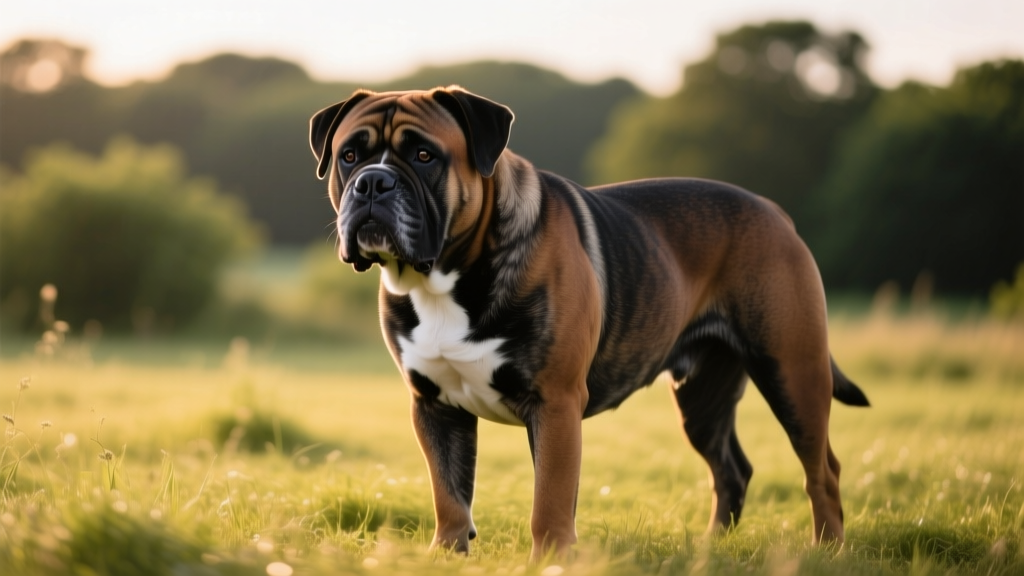
Bull Mastiff Breed Overview: A Gentle Giant with Guardian Instincts
The Bull Mastiff is a powerful, deep-chested guardian breed that combines the Mastiff's imposing size with the Bulldog's tenacity. Originally developed in 19th-century England to protect estates from poachers, this breed has evolved into a devoted family companion known for quiet confidence rather than aggression. Standing 24-27 inches tall and weighing 100-130 pounds, the Bull Mastiff commands respect through presence alone.
Despite their formidable appearance, Bull Mastiffs are typically calm, affectionate with their families, and notably gentle with children they're raised alongside. They're not hyperactive dogs—most are content with moderate daily exercise followed by long stretches lounging near their people. However, their protective instincts remain strong, and they require consistent training and early socialization to become well-adjusted adults.
| Attribute | Specification |
|---|---|
| Size Class | Large to Giant |
| Weight Range | Males: 110-130 lb (50-59 kg) Females: 100-120 lb (45-54 kg) |
| Height Range | Males: 25-27 in (64-69 cm) Females: 24-26 in (61-66 cm) |
| Lifespan | 7-9 years |
| Coat Type | Short, dense, weather-resistant |
| Energy Level | Moderate |
| Grooming Needs | Low to Moderate |
| Apartment Friendly | Possible with adequate exercise; prefers house with yard |
| Family Fit | Excellent with children; cautious with strangers; moderate with other pets |
Origin and Historical Purpose
The Bull Mastiff was deliberately created in England during the 1860s by crossing English Mastiffs with Bulldogs (approximately 60% Mastiff, 40% Bulldog). Gamekeepers on large estates needed a dog that could track and subdue poachers silently—without mauling them. The Mastiff provided size and tracking ability but lacked speed; the Bulldog offered tenacity and agility but insufficient mass. The resulting cross combined the best traits: a powerful, fast, quiet guardian capable of pinning poachers until human backup arrived.
By the early 1900s, the breed was established enough for kennel club recognition. The English Kennel Club officially recognized the Bull Mastiff in 1924, followed by the American Kennel Club in 1933. While their original working purpose has largely disappeared, their protective instincts and loyal temperament remain intact, making them popular family guardians today.
Temperament and Personality: What Living with a Bull Mastiff Is Really Like
Bull Mastiffs possess a distinctive temperament that sets them apart from other guardian breeds. Here are the core behavioral traits you can expect:
Quiet Confidence Over Aggression
Unlike some guardian breeds that bark at every sound, Bull Mastiffs tend to assess situations calmly before reacting. They're more likely to position themselves between you and a perceived threat than to lunge or growl immediately. In my experience working with this breed, most Bull Mastiffs will watch a stranger for 10-15 seconds before deciding whether to approach or block. This measured response makes them excellent family protectors without being liability risks.
Deep Family Bonding
Bull Mastiffs form intense attachments to their immediate family and often become "velcro dogs" who follow you room to room. They're not typically aloof—they want physical contact and will lean against your legs or rest their head on your lap despite their size. However, this attachment can lead to separation anxiety if they're left alone for 8+ hours regularly without proper conditioning.
Stubborn but Trainable Intelligence
These dogs are intelligent but not biddable in the way Border Collies or Golden Retrievers are. They learn commands quickly but may question whether compliance is worth their effort, especially if they're distracted or unmotivated. Training requires patience, high-value treats (think freeze-dried liver or chicken), and short 5-10 minute sessions. Force-free, positive reinforcement methods work best—harsh corrections will shut down a Bull Mastiff's willingness to engage.
Low Play Drive in Adulthood
While Bull Mastiff puppies are energetic and playful, adults typically mature into calm, sedentary companions. Don't expect a jogging partner or a dog who'll chase balls for hours. Most adult Bull Mastiffs prefer a 20-30 minute walk followed by supervised yard time and then indoor relaxation. This makes them surprisingly suitable for less active households, provided their basic exercise needs are met.
Same-Sex Aggression Tendencies
Many Bull Mastiffs display dog aggression toward same-sex dogs, particularly males toward other males. This isn't universal, but it's common enough that multi-dog households should consider opposite-sex pairings. Early socialization helps but doesn't eliminate this tendency entirely. If you already have a male dog, adding a male Bull Mastiff carries significant risk of conflict once the Bull Mastiff reaches social maturity (around 2-3 years old).
Physical Characteristics and Appearance Standards
The Bull Mastiff is a substantial, well-muscled dog with a broad head, short muzzle, and powerful build. According to the American Kennel Club breed standard, the ideal Bull Mastiff displays these physical traits:
- Head: Large, broad, with noticeable wrinkles when alert. The muzzle is short (approximately 1:3 ratio to skull length), broad, and deep.
- Eyes: Dark, medium-sized, V-shaped, set wide apart. Expression should be alert and intelligent.
- Ears: V-shaped, folded forward, set high and wide on the skull.
- Body: Compact and powerful with a deep, wide chest. The back is short and straight, with a slight slope from withers to croup.
- Coat: Short, dense, and slightly rough to the touch. Colors include fawn, red, or brindle, often with a black mask.
- Gait: Smooth and powerful, with good reach and drive. Movement should appear effortless despite the dog's size.
Weight typically ranges from 110-130 pounds (50-59 kg) for males and 100-120 pounds (45-54 kg) for females, though some individuals may exceed these ranges. Height at the shoulder is 25-27 inches (64-69 cm) for males and 24-26 inches (61-66 cm) for females.
Exercise and Activity Requirements
Bull Mastiffs need consistent daily exercise to maintain muscle tone, prevent obesity, and support joint health—but they're not endurance athletes. Here's a realistic activity framework:
| Age Group | Daily Exercise | Activity Types |
|---|---|---|
| Puppy (3-6 months) | 15-20 minutes | Short leash walks, gentle play, socialization outings |
| Adolescent (6-18 months) | 30-45 minutes | Two 15-20 minute walks, supervised yard time, basic training |
| Adult (18 months-6 years) | 45-60 minutes | Two 20-30 minute walks, mental stimulation, light play |
| Senior (6+ years) | 20-30 minutes | Short, gentle walks, joint-friendly movement |
Important exercise considerations:
- Avoid high-impact activities until growth plates close (around 18-24 months). No jogging, jumping, or agility work during puppy/adolescent stages.
- Exercise during cool hours in warm weather. Bull Mastiffs are brachycephalic (short-muzzled) and prone to heat exhaustion. Walk before 9 AM or after 7 PM when temperatures exceed 75°F (24°C).
- Mental stimulation matters. Food puzzles, scent work, and short training sessions tire a Bull Mastiff as effectively as physical exercise.
- Watch for fatigue signals: excessive panting, lagging behind, lying down mid-walk, or seeking shade. Stop immediately if these appear.
Common Health Issues and Genetic Predispositions
Bull Mastiffs have a shorter lifespan than many breeds (7-9 years average) and are predisposed to several serious health conditions. Prospective owners should budget for potential veterinary expenses and work with breeders who perform health testing.
| Condition | Prevalence | Symptoms | Treatment Cost Range |
|---|---|---|---|
| Hip Dysplasia | ~25% of breed | Lameness, difficulty rising, decreased activity | $1,500-$7,000 (surgery) |
| Elbow Dysplasia | ~15-20% | Front leg lameness, reluctance to exercise | $1,500-$4,000 (surgery) |
| Gastric Dilatation-Volvulus (Bloat) | High risk breed | Distended abdomen, unproductive vomiting, collapse | $3,000-$7,000 (emergency surgery) |
| Cardiomyopathy | ~10-15% | Coughing, exercise intolerance, fainting | $500-$2,000/year (management) |
| Hypothyroidism | ~10% | Weight gain, lethargy, hair loss, skin issues | $20-$50/month (medication) |
| Cancer (various types) | Leading cause of death | Varies by type: lumps, weight loss, lethargy | $3,000-$15,000+ (treatment) |
| Entropion/Ectropion | ~5-10% | Eye irritation, discharge, corneal damage | $500-$1,500 (surgical correction) |
Preventive care recommendations:
- Request OFA (Orthopedic Foundation for Animals) hip and elbow certifications from breeders
- Feed multiple small meals daily and avoid exercise 1 hour before/after eating to reduce bloat risk
- Consider prophylactic gastropexy (stomach tacking) during spay/neuter surgery
- Annual cardiac screening after age 4
- Maintain lean body condition (BCS 4-5/9) to reduce joint stress
Always consult your veterinarian about breed-specific health screening and preventive care protocols for your Bull Mastiff.
Grooming and Maintenance Requirements
Bull Mastiffs are relatively low-maintenance in terms of grooming, but their size means even simple tasks take longer than with smaller breeds.
Coat Care
- Brushing: 2-3 times weekly with a rubber curry brush or bristle brush to remove loose hair and distribute oils
- Shedding: Moderate year-round, heavier during seasonal changes (spring/fall)
- Bathing: Every 6-8 weeks or as needed. Use a large-breed tub or professional grooming facility
- Wrinkle care: Clean facial folds 2-3 times weekly with damp cloth or dog-safe wipes to prevent infection
Nail, Ear, and Dental Care
- Nails: Trim every 3-4 weeks. Bull Mastiffs often have black nails, making the quick difficult to see. Use a Dremel tool or have a groomer/vet handle this if you're uncomfortable.
- Ears: Check weekly for debris, redness, or odor. Clean with veterinarian-recommended ear cleaner as needed.
- Teeth: Brush 3-4 times weekly minimum. Dental disease is common in large breeds and can lead to systemic health issues.
Drool Management
Most Bull Mastiffs drool moderately to heavily, especially after drinking, eating, or when excited. Keep drool rags handy and expect to wipe down walls, furniture, and your clothing regularly. This isn't a breed for people who are fastidious about cleanliness.
Training and Intelligence: What Works (and What Doesn't)
Bull Mastiffs are intelligent dogs with a strong independent streak. They learn quickly but may not obey immediately, especially if they don't see the point of a command. Here's how to train effectively:
Trainability Rating: 7/10
These dogs are capable of learning complex commands and earning advanced titles in obedience, rally, and therapy work. However, they're not naturally biddable—they need motivation and clear communication.
Effective Training Methods
- Positive reinforcement only: Use high-value treats, praise, and life rewards (access to yard, attention) to reinforce desired behaviors
- Short sessions: 5-10 minutes, 2-3 times daily. Bull Mastiffs lose focus quickly in longer sessions
- Early socialization: Expose puppies to diverse people, environments, sounds, and other animals between 8-16 weeks. This is critical for preventing overprotectiveness or fear-based aggression
- Consistency: Everyone in the household must use the same commands and rules. Bull Mastiffs will exploit inconsistencies
- Leash training priority: A 120-pound dog that pulls on leash is dangerous. Start loose-leash training immediately and use a front-clip harness if needed
What NOT to Do
Never use shock collars, prong collars, alpha rolls, or physical punishment with a Bull Mastiff. These methods damage trust, increase fear-based aggression, and are unnecessary with modern force-free training techniques. If you're struggling with behavioral issues, consult a certified professional dog trainer (CPDT-KA) or veterinary behaviorist.
Family Suitability: Kids, Other Pets, and Living Environments
Bull Mastiffs with Children
Bull Mastiffs are generally excellent with children they're raised alongside, displaying patience and gentleness. However, their large size makes them potentially dangerous to toddlers simply through accidental bumps or stepping. Always supervise interactions between Bull Mastiffs and children under 10, and teach kids to respect the dog's space (no climbing on, hugging tightly, or disturbing while sleeping).
Bull Mastiffs with Other Pets
Opposite-sex dog pairings work best. Same-sex aggression is common, particularly between males. Bull Mastiffs raised with cats from puppyhood usually coexist peacefully, but adult Bull Mastiffs with no cat exposure may view them as prey. Small pets (rabbits, rodents) are at risk due to the breed's prey drive.
Apartment vs. House Living
Bull Mastiffs can adapt to apartment living if they receive adequate daily exercise (45-60 minutes) and mental stimulation. However, they prefer homes with fenced yards where they can patrol and sunbathe. Their low indoor energy level makes them surprisingly good apartment dogs, but their size, drool, and potential for protective barking may create challenges in close-quarters living.
Cost of Ownership: Purchase Price and Annual Expenses
Bull Mastiffs are expensive dogs to acquire and maintain. Here's a realistic cost breakdown for 2026:
Puppy Purchase Price
- Responsible breeder (health-tested parents, AKC registration): $2,000-$4,500
- Show-quality puppy from champion lines: $4,500-$7,000+
- Rescue/adoption: $300-$800
Avoid breeders offering puppies under $1,500—this often indicates lack of health testing, poor breeding practices, or puppy mill operations.
First-Year Costs
| Expense Category | Estimated Cost |
|---|---|
| Puppy purchase | $2,000-$4,500 |
| Initial veterinary (vaccines, spay/neuter, microchip) | $800-$1,500 |
| Supplies (crate, bed, bowls, leash, collar, toys) | $400-$800 |
| Food (high-quality large-breed formula) | $800-$1,200 |
| Training classes (puppy socialization, basic obedience) | $300-$600 |
| Pet insurance (optional but recommended) | $600-$1,200 |
| Total first year | $4,900-$9,800 |
Annual Costs After First Year
- Food: $800-$1,200/year
- Routine veterinary (exams, vaccines, heartworm prevention): $600-$1,000/year
- Grooming supplies/professional grooming: $200-$500/year
- Pet insurance: $600-$1,200/year
- Miscellaneous (toys, treats, replacements): $300-$500/year
- Total annual: $2,500-$4,400
Emergency veterinary care for conditions like bloat or hip surgery can add $3,000-$10,000+ in a single incident. Pet insurance or a dedicated emergency fund is strongly recommended.
Frequently Asked Questions
Is the Bull Mastiff a good choice for first-time dog owners?
Bull Mastiffs can work for first-time owners who are prepared for the challenges of a large, strong, protective breed. However, they're not the easiest choice. Their size requires confident leash handling, their protective instincts demand extensive socialization, and their stubbornness requires patience in training. First-time owners should commit to professional training classes and seek mentorship from experienced Bull Mastiff owners or breeders. If you're considering this breed as a novice, foster or volunteer with Bull Mastiffs first to understand their needs.
How much daily exercise does a Bull Mastiff need?
Adult Bull Mastiffs need 45-60 minutes of daily exercise, typically split into two 20-30 minute walks plus supervised yard time. This is moderate compared to working breeds but essential for maintaining healthy weight and joint function. Avoid high-impact activities (jogging, jumping) until growth plates close around 18-24 months. Mental stimulation through training, food puzzles, and scent work is equally important for preventing boredom-related behavioral issues.
What health problems are Bull Mastiffs prone to?
Bull Mastiffs face several serious health risks including hip dysplasia (~25% prevalence), elbow dysplasia (15-20%), gastric dilatation-volvulus/bloat (high-risk breed), cardiomyopathy (10-15%), hypothyroidism (~10%), various cancers (leading cause of death), and eye conditions like entropion/ectropion (5-10%). Work with breeders who perform OFA hip/elbow certifications and cardiac screening. Budget for potential veterinary expenses of $3,000-$15,000+ for serious conditions, and consider pet insurance.
How big do adult Bull Mastiffs get?
Male Bull Mastiffs typically weigh 110-130 pounds (50-59 kg) and stand 25-27 inches (64-69 cm) tall at the shoulder. Females are slightly smaller at 100-120 pounds (45-54 kg) and 24-26 inches (61-66 cm) tall. Some individuals may exceed these ranges. Puppies reach near-adult size by 12-18 months but continue filling out and gaining muscle until 2-3 years old.
Are Bull Mastiffs good with children and other pets?
Bull Mastiffs are generally excellent with children they're raised with, showing patience and gentleness. However, their large size poses accidental injury risks to toddlers, so supervise all interactions. With other dogs, opposite-sex pairings work best due to same-sex aggression tendencies. Bull Mastiffs raised with cats from puppyhood usually coexist peacefully, but adult dogs may view cats as prey. Small pets (rabbits, rodents) are at risk due to prey drive.
How much does it cost to buy and maintain a Bull Mastiff?
Expect to pay $2,000-$4,500 for a well-bred puppy from a responsible breeder, or $300-$800 through rescue. First-year costs typically range from $4,900-$9,800 including purchase, veterinary care, supplies, food, training, and insurance. Annual costs after the first year are $2,500-$4,400 for food, routine veterinary care, grooming, insurance, and miscellaneous expenses. Emergency veterinary care for breed-specific conditions like bloat or hip dysplasia can add $3,000-$15,000+ per incident.
Is a Bull Mastiff the Right Dog for You?
The Bull Mastiff is an excellent choice for families seeking a calm, loyal guardian who bonds deeply with their people and doesn't require intense daily exercise. They're well-suited to less active households, adapt reasonably to apartment living with adequate exercise, and are typically gentle with children.
However, this breed isn't right for everyone. Their short lifespan (7-9 years), significant health risks, drool, potential for same-sex dog aggression, and protective instincts require careful consideration. You'll need to commit to early socialization, consistent positive-reinforcement training, and budgeting for substantial veterinary expenses.
If you're prepared for these realities, a Bull Mastiff will reward you with unwavering loyalty, quiet companionship, and the security of knowing your family has a devoted protector. For more information, consult the American Kennel Club's Bull Mastiff page or connect with the American Bull Mastiff Fanciers Association to speak with experienced breeders and owners.
Priya Sutaria
All our authors care for dogs every day — read more of their work on the authors page.


