Shepoo Dog: German Shepherd & Poodle Mix Breed Profile
Complete Shepoo dog breed profile covering size, temperament, coat types, health risks, grooming, and cost for this German Shepherd and Poodle mix.
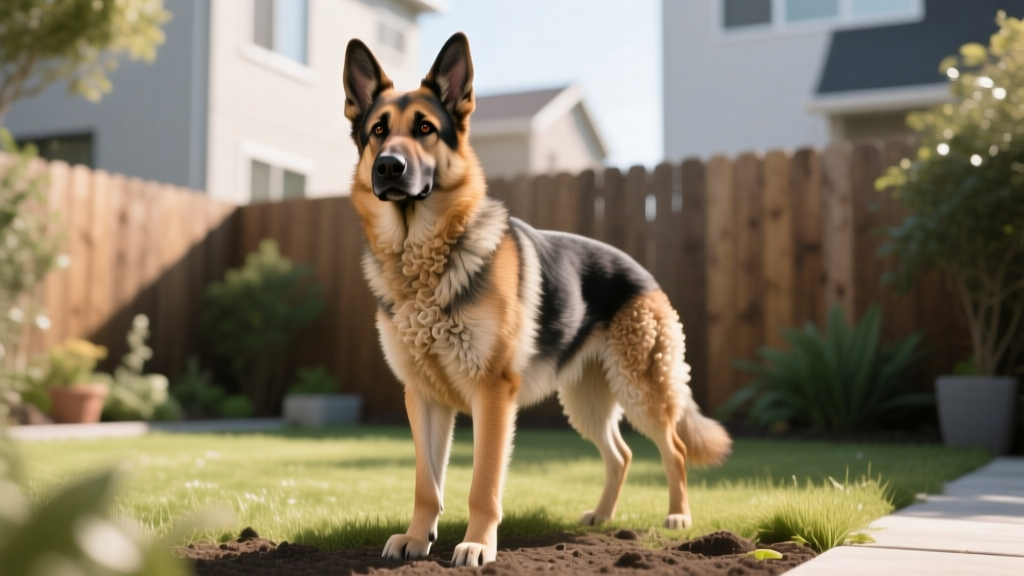
The Shepoo dog — a cross between a German Shepherd and a Poodle (usually Standard or Miniature) — sits at the intersection of two of the most intelligent breeds in the canine world. Also called a Shepadoodle, this designer mix has gained traction among families looking for a trainable, active companion that may shed less than a purebred German Shepherd. But "may" is the operative word. Mixed-breed dogs inherit traits unpredictably, and the Shepoo is no exception. This profile breaks down what you can reasonably expect, what you absolutely cannot predict, and how to prepare for life with this complex cross.
What Two Breeds Make Up the Shepoo Dog?
The Shepoo is a first-generation or multigenerational cross between a German Shepherd Dog (GSD) and a Poodle. Most responsible breeders use Standard Poodles to keep size compatible and reduce whelping complications, though Miniature Poodle crosses exist and produce significantly smaller dogs. Understanding the parent breeds is essential because every Shepoo inherits some combination of their traits.
| Trait | German Shepherd | Standard Poodle |
|---|---|---|
| Weight Range | 50–90 lb / 23–41 kg | 40–70 lb / 18–32 kg |
| Height | 22–26 in / 56–66 cm | 15+ in / 38+ cm (Standard) |
| Coat Type | Double coat, heavy shedder | Single coat, curly, low-shedding |
| Energy Level | High — 60–90 min/day | High — 60+ min/day |
| Trainability | Exceptional (ranked #3, AKC intelligence scale) | Exceptional (ranked #2, AKC intelligence scale) |
| Guard Instinct | Strong protective drive | Alert but less protective |
| Lifespan | 7–10 years | 10–18 years |
| Common Health Issues | Hip/elbow dysplasia, degenerative myelopathy, bloat | Addison's disease, bloat, hip dysplasia, sebaceous adenitis |
Both parent breeds rank among the smartest dogs alive, which means a Shepoo will almost certainly be quick to learn — and equally quick to learn bad habits if training is inconsistent. The German Shepherd contributes protective instinct and loyalty; the Poodle contributes agility, lower shedding potential, and a longer typical lifespan.
Shepoo Generations Explained: F1, F1B, F2, and Multigen
- F1 Shepoo: 50% German Shepherd × 50% Poodle. Most variable in coat and build. First-generation crosses.
- F1B Shepoo: F1 Shepoo × Poodle (75% Poodle, 25% GSD). Bred back to Poodle to increase low-shedding coat probability.
- F1B (GSD backcross): F1 Shepoo × German Shepherd (75% GSD, 25% Poodle). Rare; done to emphasize working-dog traits.
- F2 Shepoo: F1 Shepoo × F1 Shepoo. Highly unpredictable genetically — widest trait variation.
- F3 / Multigen: F2 × F2 or later generations. More stabilized traits, but true multigen Shepoo lines are uncommon compared to Labradoodle or Goldendoodle lines.
For prospective owners, F1B (Poodle backcross) is the most commonly marketed generation when low shedding is the priority. However, no generation guarantees a non-shedding coat. Even F1B Shepoos can inherit a straighter, higher-shedding coat from the GSD side. Ask breeders for generation documentation and, ideally, photos of previous litters as adults.
How Big Will a Shepoo Dog Get?
Size depends heavily on which Poodle variety was used and which parent's growth genes dominate. Here are the realistic ranges:
| Poodle Parent | Expected Weight | Expected Height (at shoulder) |
|---|---|---|
| Standard Poodle | 45–80 lb / 20–36 kg | 22–28 in / 56–71 cm |
| Miniature Poodle | 20–45 lb / 9–20 kg | 15–22 in / 38–56 cm |
| Toy Poodle (rare, not recommended) | 10–25 lb / 5–11 kg | 10–15 in / 25–38 cm |
Most Shepoo dogs sold by established breeders use Standard Poodles, landing in the 45–80 lb range. Males tend toward the upper end; females the lower. Growth typically plateaus between 14–18 months, though some larger individuals fill out until age 2. If you're adopting a puppy, ask for parent weights — the midpoint of the two parents is a rough (but imperfect) estimate of adult size.
Coat Types, Shedding, and the Hypoallergenic Question
Let's address the most common Shepoo question directly: No Shepoo is guaranteed hypoallergenic. The term "hypoallergenic" is itself misleading — no dog is truly allergen-free. Dog allergies in humans are triggered primarily by dander (skin flakes) and saliva proteins (Can f 1, Can f 2), not just hair. That said, some coat types produce and distribute fewer allergens.
Shepoo coat possibilities fall into three categories:
- Curly/Wavy (Poodle-dominant): Tight curls or loose waves, single-layered. Lowest shedding. Requires professional grooming every 6–8 weeks. Most likely in F1B generations.
- Straight/Wiry (GSD-dominant): Medium-length, potentially double-coated. Moderate to heavy shedding, especially during seasonal coat blows (spring and fall). Lower grooming demands but higher vacuuming demands.
- Mixed Texture: Wavy with patches of different textures. Moderate shedding. The most common outcome in F1 litters.
Even curly-coated Shepoos are not safe bets for severe allergy sufferers. Spend at least 2 hours with the specific dog before committing. If you're working with a breeder, ask to meet the puppy's parents — the Poodle parent's coat type gives the strongest clue about what the litter may produce.
Temperament: What to Expect (and What to Watch For)
Both German Shepherds and Poodles are highly intelligent, people-oriented, and sensitive to their owner's emotional state. This is both the Shepoo's greatest strength and its greatest challenge.
Best-Case Temperament
A well-socialized Shepoo from stable parent lines is alert, eager to work, deeply bonded to family, and good with children when raised alongside them. They excel at obedience, agility, nose work, and therapy dog certification. They tend to be reserved with strangers without being aggressive — the Poodle influence often softens the GSD's sharper guardian edge.
Challenging Scenarios
Without adequate mental stimulation (minimum 30 minutes of structured training or puzzle work daily beyond physical exercise), Shepoos can develop destructive behaviors, excessive barking, or anxiety-based reactivity. The GSD's protective instinct can tip into leash reactivity or resource guarding if socialization is incomplete during the critical 8–16 week window. Poodle-influenced sensitivity means harsh training methods backfire spectacularly — this dog shuts down or becomes fearful under aversive pressure.
Training should rely entirely on positive reinforcement and force-free methods recommended by the American Veterinary Society of Animal Behavior. Reward-based training builds confidence in sensitive, intelligent dogs; prong collars and shock collars damage the human-dog bond and can trigger fear-based aggression.
Health Considerations: Hybrid Vigor vs. Reality
The "hybrid vigor" claim — that mixed-breed dogs are inherently healthier than purebreds — is partially true and widely overstated. A 2013 study published in the Journal of the American Veterinary Medical Association found that mixed breeds had lower rates of some inherited disorders but equal or higher rates of others. Hybrid vigor reduces risk for conditions caused by recessive genes common within a single breed's gene pool, but it does not eliminate conditions that both parent breeds share.
Both German Shepherds and Standard Poodles are predisposed to the following conditions, making them relevant Shepoo risks:
| Condition | Shared Risk? | Prevalence Notes | Screening Available |
|---|---|---|---|
| Hip Dysplasia | Yes — both breeds | ~19% of GSDs, ~11% of Standard Poodles (OFA data) | OFA/PennHIP radiographs |
| Elbow Dysplasia | Yes — both breeds | Higher in GSDs (~17%) | OFA radiographs |
| Gastric Dilatation-Volvulus (Bloat) | Yes — both breeds | Deep-chested breeds at elevated risk; lifetime risk ~5–10% in GSDs | No screening; preventive gastropexy discussed with vet |
| Degenerative Myelopathy (DM) | Primarily GSD | Progressive spinal cord disease; onset typically 8+ years | DNA test for SOD1 mutation |
| Addison's Disease | Primarily Poodle | Autoimmune adrenal insufficiency; Standard Poodles overrepresented | ACTH stimulation test for diagnosis |
| Sebaceous Adenitis | Primarily Poodle | Inflammatory skin disease causing hair loss | Skin biopsy |
| Hemangiosarcoma | Yes — both breeds | Aggressive blood vessel cancer; GSDs and Poodles both at higher risk | No reliable early screening |
Responsible breeders should provide OFA (Orthopedic Foundation for Animals) or PennHIP certifications for both parents' hips and elbows, plus DNA test results for degenerative myelopathy. Ask to see these documents before purchasing — verbal assurances are not sufficient.
Always consult your veterinarian for a personalized health and preventive care plan. Your vet will determine appropriate vaccination schedules, heartworm prevention, and screening timelines based on your dog's specific risk profile.
Grooming, Exercise, and Daily Care
Care requirements depend on which coat your Shepoo inherits, but exercise and mental stimulation needs are non-negotiable regardless of coat type.
Grooming by Coat Type
- Curly/Wavy coats: Brush 3–4 times per week with a slicker brush and metal comb to prevent matting. Professional grooming every 6–8 weeks ($60–$120 per session depending on your region and dog size). Budget $400–$800/year for professional grooming.
- Straight/GSD-type coats: Brush 2–3 times per week; daily during seasonal shedding. No professional grooming required. Invest in a high-quality undercoat rake (the Furminator Deshedding Tool or Chris Christensen Big G are reliable options, $30–$55).
- All Shepoos: Nail trims every 3–4 weeks. Ear cleaning weekly for floppy-eared individuals (Poodle-inherited ears trap moisture and are prone to yeast infections). Dental brushing 3+ times per week.
Exercise Requirements
Plan for 60–90 minutes of physical activity daily, split into at least two sessions. This should include:
- Structured leash walks or hiking (30–45 minutes)
- Off-leash play in secure areas when reliable recall is established
- Mental stimulation: puzzle feeders (Kong Wobbler, Outward Hound Nina Ottosson puzzles, $15–$35), scent work, obedience training sessions (15–20 minutes)
- Optional: dog sports like agility, rally obedience, or barn hunt — both parent breeds excel in these activities
A physically exercised but mentally unstimulated Shepoo will still find ways to entertain itself — usually at the expense of your furniture, shoes, or sanity.
Cost, Breeders, and Rescue Availability
| Expense Category | Estimated Range (USD) |
|---|---|
| Puppy from responsible breeder | $1,200–$3,500 |
| Adoption from rescue/shelter | $200–$600 |
| First-year veterinary care (vaccines, spay/neuter, preventive medications) | $800–$1,500 |
| Annual ongoing care (food, vet, grooming, preventives) | $1,500–$3,000 |
| Pet insurance (monthly premium, accident + illness) | $40–$90/month |
| Professional grooming (if curly-coated, annual) | $400–$800 |
| Training classes (group obedience, 6–8 week course) | $150–$350 |
At the lower end ($1,200–$1,800), you're typically looking at F1 litters from smaller-scale breeders. The $2,500–$3,500 range generally reflects F1B or multigen litters from breeders who perform full health testing (OFA hips/elbows, DNA panels, cardiac exams) on both parents and offer health guarantees and take-back clauses.
Red flags in Shepoo breeders: Prices below $800, no health testing documentation, multiple litters available simultaneously, unwillingness to let you visit the breeding facility, no questions asked about your home environment. These are indicators of backyard breeding or puppy mill sourcing.
German Shepherd and Poodle mixes do appear in breed-specific rescues and general shelters, particularly through ASPCA-affiliated shelters and regional GSD rescue organizations. Adult Shepoos in rescue often need behavioral assessment, as some are surrendered due to the exercise and training demands their owners underestimated. Adopting an adult Shepoo lets you evaluate temperament directly rather than guessing from puppy behavior.
Is the Shepoo Dog Right for You?
This mix suits active households that can commit to daily structured exercise, ongoing training, and regular grooming. Here's a practical fit assessment:
Best fit: Families with children 8+ (small children may be knocked over by an exuberant 60-lb dog), experienced dog owners, homes with fenced yards, people interested in dog sports, those willing to invest in training classes.
Poor fit: First-time dog owners unprepared for a high-intelligence, high-energy dog; apartment living without a committed outdoor exercise plan; households where the dog would be alone 8+ hours daily; severe allergy sufferers expecting a guaranteed hypoallergenic dog.
The Shepoo is not a low-maintenance designer dog. It's a serious, intelligent, physically capable animal that needs a job — even if that job is "learn a new trick every week and hike with the family on weekends." If that matches your lifestyle, the Shepoo can be a deeply rewarding companion for 10–14 years.
Frequently Asked Questions
Is a Shepoo a good family dog?
Yes, with proper socialization. Shepoos tend to bond closely with all family members and are typically good with children when raised together. However, their size and energy can overwhelm toddlers, and the GSD's herding instinct may cause nipping at running children. Supervision and training are essential.
Do Shepoo dogs bark a lot?
Both parent breeds are vocal. German Shepherds bark to alert; Poodles bark to communicate excitement or boredom. A Shepoo that receives adequate exercise and mental stimulation will bark at the doorbell and during play but shouldn't be a chronic nuisance barker. Understimulated Shepoos will bark excessively.
How long do Shepoo dogs live?
Typical lifespan is 10–14 years, benefiting from the Poodle's longer average lifespan. Smaller Shepoos (Miniature Poodle crosses) may live 12–15 years. Maintaining a lean body condition score (BCS 4–5 out of 9) is one of the most impactful things you can do to extend your dog's life.
Are Shepoo dogs easy to train?
They learn quickly, which makes them easy to teach and equally easy to accidentally spoil. Consistency matters more than difficulty — a Shepoo will exploit any inconsistency in rules. Enroll in a positive reinforcement puppy class by 12–16 weeks and continue structured training through adulthood.
What should I feed a Shepoo?
Choose an AAFCO-complete diet appropriate for your dog's expected adult size. For Standard Poodle-cross Shepoos (45–80 lb), a large-breed formula during puppyhood supports controlled bone growth and may reduce hip dysplasia risk. Feed measured portions based on caloric needs (typically 1,200–1,800 kcal/day for active adults in this weight range), not free-choice.
Marcus Aldridge
All our authors care for dogs every day — read more of their work on the authors page.


