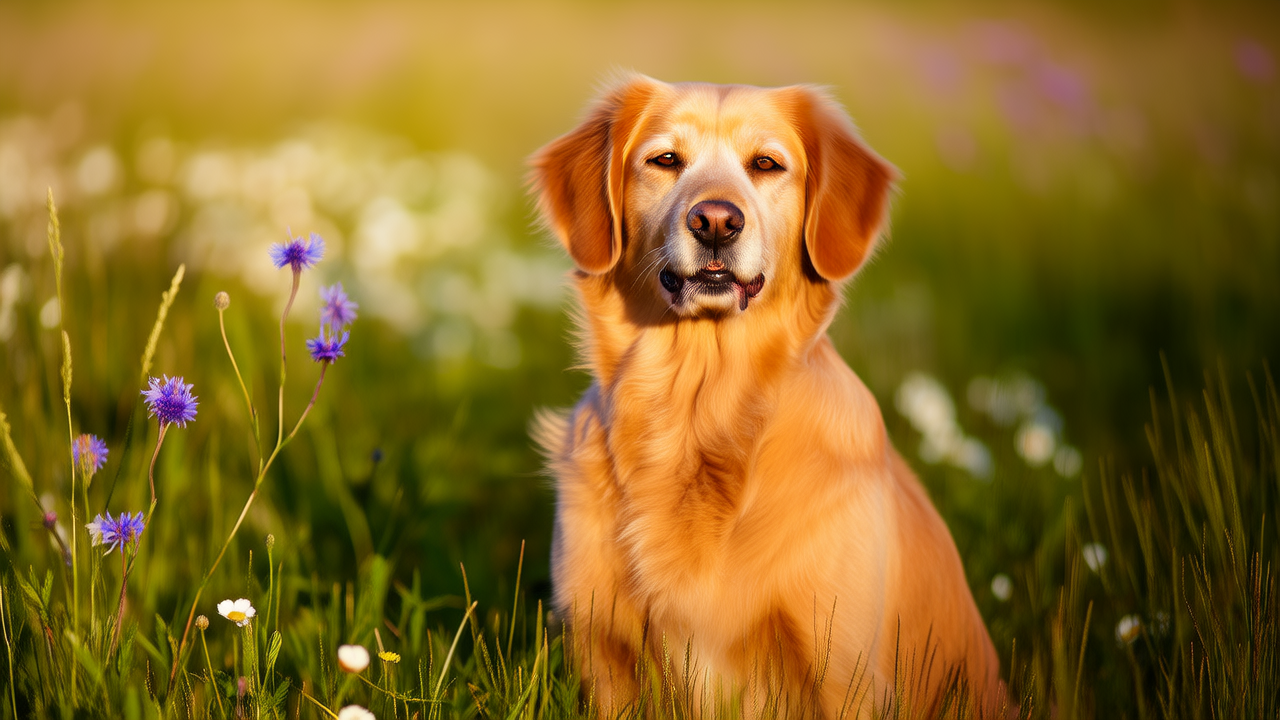
What Is a Golden Retriever? Complete Breed Guide for
What is a Golden Retriever? Discover temperament, health risks, costs, exercise needs.

If you've spent any time around dogs, you've likely encountered a Golden Retriever — the breed consistently ranks among the top three most popular dogs in the United States according to AKC registration data. But popularity alone doesn't tell you whether a Golden is the right fit for your household. This guide breaks down exactly what a Golden Retriever is, from genetic health predispositions to real ownership costs, so you can make an informed decision before bringing one home.
What Is a Golden Retriever? Breed Overview and Origin
The Golden Retriever is a large-sized sporting breed originally developed in the Scottish Highlands during the mid-19th century. Lord Tweedmouth (Sir Dudley Marjoribanks) is credited with creating the breed at his Guisachan estate between approximately 1840 and 1890, crossing a Yellow Retriever with the now-extinct Tweed Water Spaniel, later introducing Bloodhound, Irish Setter, and additional spaniel bloodlines. The goal was a versatile gundog capable of retrieving waterfowl and upland game across Scotland's rugged terrain and cold waters.
The breed was first recognized by the UK Kennel Club in 1911 as "Retriever — Flat or Wavy Coated" and was officially registered as "Golden Retriever" in 1920. The AKC recognized the breed in 1925, and Goldens have been a staple of American households ever since.
| Attribute | Detail |
|---|---|
| Size Class | Large |
| Adult Weight | 55–75 lb (25–34 kg) |
| Adult Height | 21.5–24 in (55–61 cm) at the shoulder |
| Lifespan | 10–12 years (some lines reach 14+) |
| Coat Type | Dense, water-repellent double coat; straight to wavy |
| Energy Level | High — active sporting breed |
| Grooming Needs | Moderate to high (brushing 3–5×/week) |
| AKC Group | Sporting |
| Best Suited For | Active families, first-time owners, therapy/service work |
Temperament and Personality: What Living With a Golden Is Really Like
Goldens are not simply "nice dogs" — their temperament reflects generations of selective breeding for cooperative work alongside human hunters. Here's what that translates to in a home environment:
- Eager to please and biddable: Goldens genuinely want to work with you. This means they pick up obedience cues quickly (often within 5–15 repetitions for basic commands) and respond well to positive reinforcement. You'll rarely see the stubborn streak common in many terrier or hound breeds.
- Socially oriented, not independent: A Golden who spends 8+ hours alone daily without enrichment will likely develop destructive behaviors — chewing furniture, excessive barking, or door-scratching. They thrive on proximity to their people and do best in households where someone is home for significant portions of the day.
- Mouthy by nature: Bred to carry game, Goldens tend to greet you by bringing a shoe, toy, or sock. This "soft mouth" behavior is normal and manageable with appropriate chew toys, but first-time owners should expect it through adulthood, not just puppyhood.
- Low suspicion, high friendliness: Goldens typically wag at strangers rather than bark. This makes them poor guard dogs but excellent therapy and assistance dogs. If you need a deterrent dog, look elsewhere.
- Sensitive to household tension: Goldens are notably attuned to emotional atmospheres. Raised voices, frequent arguments, or erratic schedules can manifest as stress behaviors — lip-licking, yawning, retreating, or gastrointestinal upset.
Physical Characteristics: Size, Coat, and Build Standards
The AKC breed standard specifies males at 23–24 inches (58–61 cm) and females at 21.5–22.5 inches (55–57 cm) at the withers. Weight typically falls between 65–75 lb (29–34 kg) for males and 55–65 lb (25–29 kg) for females, though some field-bred lines run leaner and lighter at 55–65 lb.
The coat is a defining feature: a dense, water-repellent outer coat with a thick undercoat. Colors range from light cream (common in English/European lines) to deep mahogany gold (more common in field lines). American show lines tend toward the mid-gold range. Any white markings beyond a few chest hairs are considered a fault in the show ring but are perfectly normal in pet-quality dogs.
Goldens are powerfully built with a broad skull, strong neck, and well-developed hindquarters. A well-conditioned Golden should show a visible waist when viewed from above and a tucked-up abdomen — if you can't feel ribs without pressing hard, the dog is overweight, which is a significant problem in this breed.
Exercise and Activity Requirements
Goldens are sporting dogs with genuine stamina needs. "A walk around the block" will not suffice and will lead to behavioral problems — hyperactivity indoors, destructive chewing, and excessive barking are common signs of under-exercised Goldens.
| Life Stage | Minutes/Day | Activity Types |
|---|---|---|
| Puppy (3–6 months) | 15–25 min, 2–3× daily | Short leash walks, free play, puppy socialization classes |
| Adolescent (6–18 months) | 45–60 min total | Leash walks, fetch, swimming, basic obedience drills |
| Adult (1.5–7 years) | 60–90 min total | Off-leash hiking, swimming, fetch, agility, dock diving, hunt tests |
| Senior (8+ years) | 30–45 min, split sessions | Gentle walks, swimming (low-impact), short fetch sessions |
Swimming is particularly valuable for Goldens — it provides cardiovascular exercise while reducing joint loading, which matters for a breed predisposed to hip and elbow dysplasia. If you have access to a safe body of water, aim for 2–3 swimming sessions per week during warm months.
Mental stimulation matters as much as physical exercise. Incorporate food puzzles (Kong Classic, Outward Hound Nina Ottosson puzzles), scent work games, or 10-minute training sessions to prevent boredom. A Golden who gets 60 minutes of physical exercise plus 15 minutes of mental work daily will generally be a well-settled house dog.
Common Health Issues: What Golden Retriever Owners Must Know
Goldens carry significant genetic health risks that prospective owners should budget and screen for. According to the Merck Veterinary Manual and breed health surveys, the following conditions are notably prevalent:
| Condition | Estimated Prevalence | Typical Onset | Screening/Cost |
|---|---|---|---|
| Cancer (hemangiosarcoma, lymphoma, osteosarcoma) | ~60% of Golden deaths are cancer-related (Golden Retriever Lifetime Study, Morris Animal Foundation) | 7–12 years typically | Annual wellness exams; treatment $3,000–$15,000+ |
| Hip Dysplasia | ~20% (OFA database) | Symptoms often 6–18 months; confirmed 24 months+ | OFA/PennHIP screening; surgery $3,500–$7,000 per hip |
| Elbow Dysplasia | ~10–12% (OFA database) | 4–10 months | OFA elbow screening; surgery $2,000–$4,500 |
| Ichthyosis (ICH-1/ICH-2) | Carrier rate ~40% in some populations | Puppyhood (flaky, scaly skin) | Genetic test ~$65–$150; management with medicated shampoos |
| Hypothyroidism | ~5–8% | 4–10 years | Thyroid panel $80–$150; daily levothyroxine $15–$30/month |
Reputable Golden Retriever breeders should provide OFA (Orthopedic Foundation for Animals) certifications for hips, elbows, and cardiac evaluation, plus genetic test results for ichthyosis (ICH-1 and ICH-2), progressive retinal atrophy (PRA-PRCD), and degenerative myelopathy (DM). Ask to see certificates — not just verbal assurances. Always consult your veterinarian about breed-specific screening if you're adopting a Golden with unknown lineage.
Grooming Requirements: Managing That Double Coat
The Golden's double coat is functional — the outer coat repels water and debris, while the undercoat insulates. This means grooming is non-negotiable. Expect the following routine:
- Brushing (3–5× per week): Use a slicker brush (e.g., Chris Christensen Big G or Hertzko Self-Cleaning Slicker) followed by an undercoat rake during shedding seasons. Focus on feathering behind ears, chest, legs, and tail where matting occurs first.
- Shedding seasons (spring and fall): Coat "blows" for 2–4 weeks, with heavy undercoat shedding. Daily brushing with an undercoat tool (Furminator Large Long-Hair or similar) is necessary during these periods. You will find fur everywhere — furniture, clothing, car interiors. This is the reality of the breed.
- Bathing (every 6–8 weeks or as needed): Use a dog-specific shampoo (Earthbath Oatmeal & Aloe or Burt's Bees for Dogs). Thorough rinsing is critical — trapped shampoo residue causes hot spots.
- Nail trimming (every 3–4 weeks): If you hear nails clicking on hard floors, they're too long. Use a guillotine-style clipper or Dremel 7300-PT pet nail grinder.
- Ear cleaning (weekly): Goldens' pendant ears trap moisture, predisposing them to otitis externa. Clean weekly with a veterinary ear wash (Epi-Otic Advanced or similar), especially after swimming.
Training and Intelligence: Harnessing the Golden's Willingness
Goldens rank 4th in Stanley Coren's The Intelligence of Dogs for working/obedience intelligence — meaning they learn new commands in fewer than 5 repetitions and obey first-command 95% of the time or better. This trainability makes them the most commonly used breed for guide dogs, search-and-rescue, and detection work.
Training recommendations:
- Method: Positive reinforcement only — food rewards, praise, play. Goldens are sensitive dogs; harsh corrections or aversive tools (shock collars, prong collars, alpha rolls) damage their confidence and willingness to work. Use LIMA (Least Intrusive, Minimally Aversive) principles.
- Puppy classes: Enroll in a structured puppy kindergarten by 12–16 weeks. Socialization during the 3–14 week critical window is essential for producing a confident adult.
- Advanced outlets: Goldens excel in obedience trials, rally, agility (after growth plates close around 14–18 months), scent work, and hunt tests. These activities channel their intelligence and prevent boredom.
- Common challenges: Jumping on people (manage by reinforcing four-on-floor), leash pulling (use a front-clip harness like the Ruffwear Front Range), and mouthiness (redirect to appropriate toys, never punish).
Family Suitability: Kids, Pets, and Living Environments
With children: Goldens are among the most reliable breeds with children, but "reliable" does not mean "unsupervised." Teach children not to ride, pull ears, or disturb a sleeping dog. Goldens' size (65–75 lb) means they can accidentally knock over toddlers during excited play. Always supervise interactions between any dog and children under 10.
With other pets: Generally excellent with other dogs — Goldens tend toward playful or submissive greetings rather than aggression. With cats, early exposure usually results in peaceful coexistence, though some field-bred lines with higher prey drive may chase. Small pets (rabbits, birds) should be managed carefully due to the breed's retrieving instinct.
Apartment living: Possible but not ideal. A Golden in an apartment requires a committed owner who provides 60–90 minutes of outdoor exercise daily. Access to nearby parks or trails is essential. Without adequate exercise, a Golden in a small space will become destructive and noisy. Homes with fenced yards are strongly preferred.
Cost of Ownership: What a Golden Retriever Actually Costs
| Expense | Low | Mid-Range | High |
|---|---|---|---|
| Puppy purchase (responsible breeder) | $2,000 | $3,000 | $5,000+ |
| Adoption/rescue fee | $200 | $450 | $700 |
| First-year veterinary (vaccines, spay/neuter, wellness) | $800 | $1,200 | $2,000 |
| Annual veterinary (adult, routine) | $500 | $800 | $1,500 |
| Monthly food (quality kibble or balanced diet) | $60 | $90 | $150 |
| Pet insurance (monthly premium) | $40 | $70 | $120 |
| Grooming supplies/professional grooming | $200/yr | $500/yr | $1,200/yr |
| Training classes (puppy + basic obedience) | $150 | $300 | $600 |
First-year total estimate: $3,500–$8,000+ depending on purchase source, location, and unexpected health issues.
Annual ongoing cost (years 2+): $1,800–$4,000 per year for routine care, food, insurance, and supplies.
Given the breed's cancer predisposition, pet insurance is strongly recommended. Policies from providers like Trupanion, Healthy Paws, or Nationwide that cover hereditary conditions and cancer treatment can prevent devastating financial decisions later. Enroll before the puppy's first birthday — pre-existing condition exclusions mean waiting is costly.
Is a Golden Retriever Right for You? Decision Framework
- Have 60+ minutes daily for active exercise
- Want a first dog that's forgiving of beginner mistakes
- Have children and want a patient, sturdy family dog
- Are home often or can arrange midday visits
- Don't mind dog hair on everything you own
- Are prepared for potential cancer-related veterinary costs in later years
- Live in a small apartment with no nearby green space
- Work 10+ hour days away from home regularly
- Want a protective or territorial guard dog
- Are unwilling to commit to regular grooming
- Have a tight budget with no emergency veterinary fund or insurance
- Prefer a low-shedding or hypoallergenic dog
Frequently Asked Questions
Is a Golden Retriever a good first dog?
Yes. Goldens are widely considered one of the best breeds for first-time owners due to their trainability, forgiving nature, and eagerness to cooperate. They tolerate inconsistent handling better than many breeds. However, first-time owners should still invest in puppy classes and commit to daily exercise — a Golden's friendliness doesn't mean they raise themselves.
How big does a Golden Retriever get?
Adult males typically weigh 65–75 lb (29–34 kg) and stand 23–24 inches (58–61 cm) at the shoulder. Females are smaller at 55–65 lb (25–29 kg) and 21.5–22.5 inches (55–57 cm). Growth plates typically close between 14–18 months, though Goldens often fill out musculoskeletally until age 2–3.
Do Golden Retrievers shed a lot?
Yes. Goldens shed moderately year-round and heavily during seasonal coat blows in spring and fall. If shedding is a dealbreaker, consider a lower-shedding breed. Regular brushing (3–5× weekly) reduces loose hair but will not eliminate it.
Are Golden Retrievers prone to cancer?
Unfortunately, yes. The Golden Retriever Lifetime Study by the Morris Animal Foundation found that approximately 60% of Goldens die from cancer — significantly higher than the average across all breeds. Hemangiosarcoma, lymphoma, and osteosarcoma are the most common types. This is a critical consideration when budgeting for pet insurance and long-term care.
How long do Golden Retrievers live?
The typical lifespan is 10–12 years, though some individuals reach 13–15 years. Maintaining ideal body weight, providing regular exercise, and catching health issues early through annual veterinary screenings (including thyroid panels and orthopedic evaluations) can help maximize longevity.
Should I get a male or female Golden Retriever?
Males tend to be slightly larger and often more overtly playful and goofy throughout life. Females may be somewhat more independent but equally affectionate. Spaying/neutering timing affects cancer risk in this breed — research from UC Davis suggests waiting until at least 12–18 months may reduce certain cancer and joint disorder risks. Discuss timing with your veterinarian based on your individual dog.
Dr. Hannah Wickes
All our authors care for dogs every day — read more of their work on the authors page.