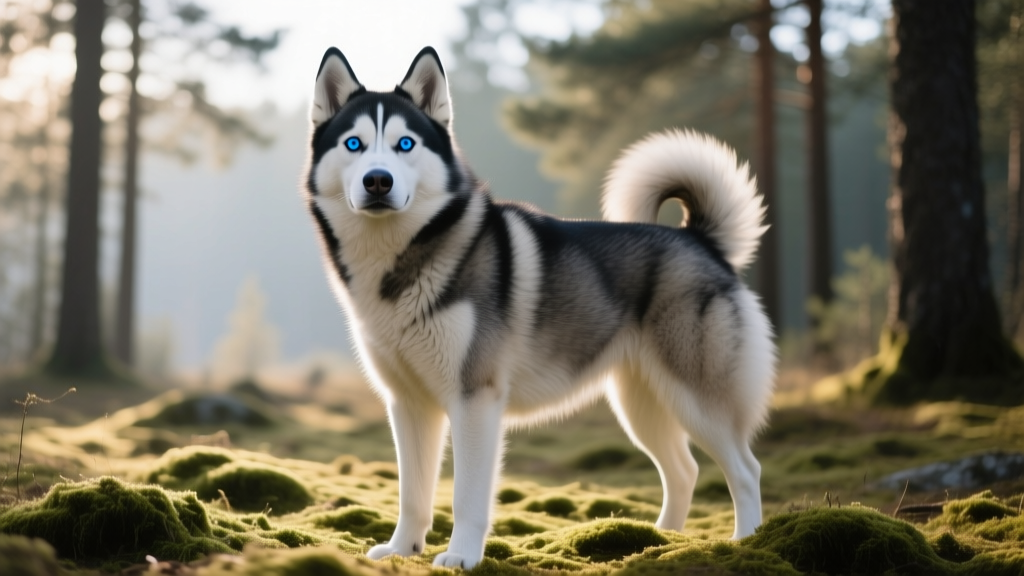
Shepherd Husky Mix: Complete Breed Guide for Prospective Owners
Everything about the shepherd husky mix: size, temperament, coat types, health risks, grooming needs, costs.

The shepherd husky mix — most commonly a cross between the German Shepherd Dog and the Siberian Husky — is one of the most visually striking designer crosses you'll encounter. Sometimes called a Gerberian Shepsky, this mix combines two of the most popular working breeds in the United States. But combining two high-drive, intelligent, and strong-willed breeds produces a dog that isn't the right fit for every household. This guide breaks down exactly what you can expect — and what you can't — when bringing a shepherd husky mix into your home.
What Two Breeds Make Up the Shepherd Husky Mix?
The standard shepherd husky mix is a first-generation or multigenerational cross between a German Shepherd Dog (GSD) and a Siberian Husky. Both parent breeds are recognized by the American Kennel Club, though their mixed offspring are not AKC-registerable as a distinct breed. Some registries like the Designer Breed Registry (DBR) and International Designer Canine Registry (IDCR) do register these crosses.
- F1 (First Generation): One purebred German Shepherd × one purebred Siberian Husky. Maximum genetic diversity, but highest trait variability. Puppies in the same litter can look dramatically different.
- F1B (First Generation Backcross): An F1 shepherd husky mix bred back to one of the parent breeds (usually the German Shepherd). Slightly more predictable traits leaning toward the backcross parent.
- F2 (Second Generation): Two F1 shepherd husky mixes bred together. Trait predictability does NOT improve — Mendelian genetics means F2 litters often show the widest variation of all.
- Multigen (F3+): Multiple generations of shepherd husky mixes bred together. Still not a standardized breed; significant individual variation persists. Unlike doodle-type crosses, there is no established multigen breeding program for this mix with consistent trait stabilization.
Key takeaway: No generation of shepherd husky mix guarantees predictable traits. Every puppy is essentially a genetic lottery.
Parent Breed Breakdown: German Shepherd vs. Siberian Husky
Understanding the parent breeds is essential because any individual shepherd husky mix will inherit a combination of traits from both. Here's how they compare across the categories that matter most to owners:
| Trait | German Shepherd | Siberian Husky |
|---|---|---|
| AKC Group | Herding | Working |
| Weight Range | 50–90 lb (23–41 kg) | 35–60 lb (16–27 kg) |
| Height | 22–26 in (56–66 cm) | 20–24 in (51–61 cm) |
| Lifespan | 7–10 years | 12–14 years |
| Energy Level | High (90+ min/day) | Very High (120+ min/day) |
| Trainability | Excellent — biddable, eager to work | Moderate — independent, easily bored |
| Prey Drive | Moderate to High | Very High |
| Vocalization | Barks when alerting | Howls, "talks," rarely barks |
| Guarding Instinct | Strong — natural protector | Minimal — friendly to strangers |
| Shedding | Heavy, year-round + seasonal blow | Heavy, dramatic seasonal blow |
| Recall Reliability | Good with training | Poor — notorious escape artist |
As you can see, these parent breeds differ significantly in trainability, guarding instinct, and recall reliability. A shepherd husky mix puppy could land anywhere on the spectrum between these two temperaments — and that unpredictability is the single biggest challenge of owning this cross.
How Big Will a Shepherd Husky Mix Get?
Because the German Shepherd is substantially larger than the Siberian Husky, size in this mix varies considerably depending on which parent's genes dominate and the sex of the individual dog.
| Category | Minimum (Husky-leaning) | Average | Maximum (GSD-leaning) |
|---|---|---|---|
| Male Weight | 45 lb (20 kg) | 60–70 lb (27–32 kg) | 85 lb (39 kg) |
| Female Weight | 35 lb (16 kg) | 50–60 lb (23–27 kg) | 75 lb (34 kg) |
| Height (at shoulder) | 20 in (51 cm) | 22–24 in (56–61 cm) | 26 in (66 cm) |
Growth timeline: Most shepherd husky mixes reach their full height by 12–14 months but continue filling out in chest and muscle mass until 18–24 months. If your puppy's paws seem disproportionately large at 16 weeks, expect the higher end of the size range — a common indicator in mixed-breed growth prediction.
What Will the Temperament Be Like?
This is where owning a shepherd husky mix gets genuinely unpredictable. Rather than promising a specific personality, here's a realistic framework for what you might encounter:
Best-Case Temperament Scenario
Your mix inherits the German Shepherd's trainability and focus combined with the Husky's playful, sociable nature. The result: an athletic, eager-to-learn dog that enjoys people, excels at dog sports like agility or nose work, and settles well in the house after adequate exercise. This dog responds beautifully to positive reinforcement training and bonds deeply with the whole family.
Challenging Temperament Scenario
Your mix inherits the Husky's independence and prey drive combined with the German Shepherd's guarding instinct and wariness of strangers. The result: a dog that is difficult to recall off-leash, reactive toward unfamiliar dogs or people, prone to escaping fenced yards, and vocal (howling and barking). This combination requires an experienced handler committed to ongoing counter-conditioning and desensitization work with a certified force-free trainer.
Trait Variability: What to Expect
| Trait | From GSD Parent | From Husky Parent | Owner Impact |
|---|---|---|---|
| High prey drive | Moderate | Very High | ⚠️ Cat/small dog safety |
| Escape tendency | Low | Very High | ⚠️ Fence height 6 ft+ |
| Stranger wariness | Moderate-High | Low | Early socialization critical |
| Separation distress | High | Moderate | ⚠️ Not for 8hr+ alone days |
| Vocalization | Moderate (barking) | High (howling) | ⚠️ Apartment concerns |
| Trainability | Excellent | Moderate | Patience + food motivation |
Practical implication: You should be prepared to manage the most challenging combination of these traits, even if your dog turns out easier. Plan for a 6-foot fence, assume prey drive will be present around small animals, and budget for professional training classes during the first year.
Coat Types, Shedding, and Grooming Requirements
Is the Shepherd Husky Mix Hypoallergenic or Low-Shedding?
Both parent breeds are heavy shedders with dense double coats. A shepherd husky mix will inherit a double coat — a soft, insulating undercoat beneath a longer, coarser outer coat — 100% of the time. There is no scenario where this mix is suitable for someone with dog allergies or someone who wants a clean house.
Coat Color and Pattern Possibilities
Because both breeds carry diverse color genes, shepherd husky mixes appear in a wide range: black and tan (GSD-dominant), agouti or wolf-gray (Husky-dominant), sable, solid black, white and black piebald, red and white, or the striking blue eyes of the Husky paired with the GSD's saddle pattern. Eye color can be brown, blue, or one of each (heterochromia).
Grooming Schedule
- Daily brushing: Required during seasonal coat blows (spring and fall), which last 3–4 weeks. Use an undercoat rake like the Furminator Deshedding Tool (medium-long hair model, ~$25–$35) or a Chris Christensen Big G slicker brush.
- 2–3 times per week: Maintenance brushing during non-shedding seasons with a pin brush or combination bristle/pin brush.
- Bathing: Every 8–12 weeks, or as needed. Over-bathing strips natural oils from the double coat. Use a dog-specific oatmeal or deshedding shampoo (e.g., Furminator deShedding Ultra Premium Shampoo, ~$12–$18).
- Never shave: Shaving a double-coated dog damages the coat's ability to regulate temperature and can cause permanent alopecia. The coat may never grow back correctly.
- Nail trims: Every 3–4 weeks. Active dogs on pavement may wear nails naturally, but dewclaws always need trimming.
Shedding volume reality check: During a coat blow, you can expect to fill a standard grocery bag with loose undercoat over the course of a week. Invest in a good vacuum — the Dyson V15 or Shark Navigator Lift-Away are popular choices among double-coat dog owners.
Health Considerations: Hybrid Vigor Myth vs. Reality
One of the most persistent myths in the designer dog world is that mixed breeds automatically enjoy "hybrid vigor" — the idea that crossing two purebreds eliminates genetic health problems. The reality, supported by veterinary genetics research, is more nuanced.
"Hybrid vigor (heterosis) can reduce the incidence of recessive disorders that are concentrated within a single breed's gene pool. However, it does NOT protect against conditions that both parent breeds share. A crossbreed inherits the combined health risks of both parents." — adapted from Merck Veterinary Manual genetic principles
Conditions Both Parent Breeds Share (Highest Risk)
| Condition | Description | Prevalence | Screening Test |
|---|---|---|---|
| Hip Dysplasia | Malformation of the hip joint leading to arthritis and pain | ~19% GSDs, ~5% Huskies (OFA data) | OFA/PennHIP radiograph ($200–$400) |
| Elbow Dysplasia | Abnormal elbow joint development causing lameness | ~15% GSDs | OFA elbow radiograph ($150–$300) |
| Degenerative Myelopathy (DM) | Progressive spinal cord disease causing hind-limb paralysis | ~35% GSDs are carriers or at-risk | DNA test via Embark or Animal Genetics ($65–$199) |
| Eye Conditions | Cataracts, progressive retinal atrophy (PRA), corneal dystrophy | Present in both breeds | CERF/OFA ophthalmologist exam ($100–$250) |
Conditions Primarily from One Parent
- From the German Shepherd side: Exocrine pancreatic insufficiency (EPI), hemangiosarcoma, bloat (gastric dilatation-volvulus or GDV), and perianal fistulas. GSDs have one of the highest bloat incidence rates among large breeds — learn the emergency signs of GDV and discuss prophylactic gastropexy with your veterinarian if your dog exceeds 70 lb.
- From the Husky side: Zinc-responsive dermatosis (a skin condition causing crusting around the eyes, mouth, and pressure points), laryngeal paralysis, and hypothyroidism.
What Responsible Breeders Screen For
If you're purchasing from a breeder, both parent dogs should have documented health clearances — not just "vet checked" (which means almost nothing). Require:
- OFA or PennHIP hip certification (both parents rated Fair or better)
- OFA elbow certification
- OFA ophthalmologist eye exam (current within 12 months)
- DM DNA test results (both parents should be clear or carrier, not at-risk/at-risk)
- Thyroid panel (especially important for the Husky parent)
Always consult your veterinarian about establishing a health monitoring plan for your shepherd husky mix, including annual orthopedic exams after age 4 and bi-annual eye checks.
Exercise, Training, and Daily Care Needs
This is a high-octane dog that requires genuine commitment to physical and mental exercise. Understimulated shepherd husky mixes are among the most destructive dogs you'll encounter — they will dig, chew, howl, and escape.
Minimum Daily Exercise Requirements
- Physical exercise: 90–120 minutes per day, split into at least two sessions. This should include structured leash walking, off-leash hiking (in secure areas only — never trust recall in unfenced areas with this mix), running alongside a bike using a springer attachment, or swimming.
- Mental stimulation: 30+ minutes per day. Puzzle feeders (Kong Wobbler, Outward Hound Nina Ottosson puzzles), scent work games, flirt pole sessions, and training repetitions all count.
- Structured activity: This mix excels at agility, rally obedience, canicross (dog-powered running), bikejoring, and nose work. Enrolling in at least one dog sport class per week provides both exercise and bonding.
Training Approach
Use exclusively positive reinforcement and force-free methods. The German Shepherd side responds well to structured training, while the Husky side requires higher-value rewards (real chicken, cheese, freeze-dried liver) and shorter sessions (5–10 minutes) to maintain engagement. Never use shock collars, prong collars, or alpha rolls — these methods increase fear and reactivity in high-drive dogs and damage your relationship.
Critical training priorities for this mix:
- Impulse control ("leave it," "wait" at doors)
- Rock-solid recall in fenced areas (start in puppyhood, maintain for life)
- Leash manners (both breeds pull; use a front-clip harness like the Ruffwear Front Range, ~$40)
- Crate training (essential for managing separation distress and destruction)
- Socialization to strangers, other dogs, and novel environments (especially important if GSD guarding traits emerge; critical window is 8–16 weeks)
How Much Does a Shepherd Husky Mix Cost?
| Source | Price Range | What's Included |
|---|---|---|
| Responsible Breeder | $800–$2,000 | Health-tested parents, early socialization, health guarantee, take-back clause, first vaccines, microchip |
| Backyard Breeder / Online Listing | $300–$800 | Usually no health testing, no guarantee, minimal socialization — higher long-term veterinary risk |
| Rescue / Shelter Adoption | $50–$400 | Spay/neuter, vaccines, microchip, behavioral assessment — adult dogs available; breed-specific rescues like GSD and Husky rescues often have mixes |
First-year total cost estimate: Beyond the purchase price, budget $2,500–$4,500 for the first year, including spay/neuter ($300–$700), initial veterinary exams and vaccines ($400–$800), high-quality food ($600–$900/year for a 60 lb dog eating premium kibble like Orijen or Taste of the Wild), crate, leash, harness, training classes ($200–$500 for a 6-week group course), pet insurance ($40–$80/month), and grooming supplies.
Rescue availability: Shepherd husky mixes are relatively common in shelters and breed-specific rescues, particularly because both parent breeds are frequently surrendered by owners unprepared for their exercise needs. Check ASPCA partner shelters, Petfinder, and German Shepherd or Husky breed rescue networks in your region. Adult dogs from rescue often come with known temperament assessments, which reduces the unpredictability factor significantly.
Who Is the Shepherd Husky Mix Best Suited For?
- Have experience with high-drive working breeds
- Can commit 2+ hours daily to exercise and training
- Have a securely fenced yard (6 ft minimum)
- Work from home or can arrange midday visits
- Enjoy outdoor activities (hiking, running, dog sports)
- Don't mind heavy shedding and dog hair on everything
- Have older children (8+) who understand dog body language
- Are a first-time dog owner
- Live in an apartment or have close neighbors (vocalization)
- Work 8+ hours away with no midday help
- Have cats, small dogs, or livestock (prey drive risk)
- Want a low-maintenance, couch-potato companion
- Have dog allergies or need a clean home
- Want a predictable, guaranteed temperament
Family composition note: Well-socialized shepherd husky mixes can be wonderful with children they're raised alongside. However, the combination of large size, high energy, and potential herding behavior (from the GSD side — nipping at running children) means supervision is mandatory with kids under 8. Teach children to respect the dog's crate and sleeping space from day one.
Frequently Asked Questions
Can a shepherd husky mix live in an apartment?
It's possible but very difficult. These dogs need significant daily outdoor exercise, and the vocalization tendency (howling from the Husky side, alert barking from the GSD side) will create problems with neighbors. If you must apartment-live, commit to 2+ hours of outdoor exercise daily, use white noise machines to mask vocalizations, and choose a ground-floor unit with direct outdoor access if possible.
Do shepherd husky mixes get along with other dogs?
Many do, especially when raised with other dogs from puppyhood. However, same-sex aggression is documented in both German Shepherds and Huskies, so opposite-sex pairings tend to work better. Always supervise initial introductions and use gradual, positive-reinforcement-based integration protocols.
How long do shepherd husky mixes live?
Expect a lifespan of 10–13 years, which typically falls between the GSD's shorter lifespan (7–10 years) and the Husky's longer lifespan (12–14 years). Maintaining a lean body condition score (BCS of 4–5 on a 9-point scale), feeding a high-quality diet, and keeping up with preventive veterinary care will maximize longevity.
Are shepherd husky mixes good guard dogs?
They may be alert and vocal when strangers approach (inheriting the GSD's watchdog tendency), but the Husky's friendliness toward strangers often undermines genuine protection ability. Don't acquire this mix expecting a personal protection dog — you're more likely to get a dog that howls at the mail carrier and then licks them.
What's the best food for a shepherd husky mix?
Feed a complete-and-balanced diet that meets AAFCO nutritional standards for your dog's life stage. For a 60 lb adult, expect to feed 2.5–3.5 cups of premium dry food daily, split into two meals. Given the bloat risk inherited from the GSD parent, use a slow-feeder bowl, avoid vigorous exercise 1 hour before and after meals, and discuss elevated feeding with your veterinarian.
Where can I find a shepherd husky mix for adoption?
Search Petfinder.com using "German Shepherd" and "Husky" filters, contact regional German Shepherd rescue organizations (many take in mixes), and check Husky-specific rescues like the Siberian Husky Rescue adoption network. Adult mixes from rescue often come with temperament evaluations and foster-home behavioral data, which significantly reduces the guesswork compared to buying a puppy.
Robin Maitland
All our authors care for dogs every day — read more of their work on the authors page.