Perro Husky Siberiano: Complete Breed Profile, Care & Cost Guide
Everything about the perro husky siberiano: temperament, health risks, exercise needs, grooming, and 2026 ownership costs from puppy price to annual care.
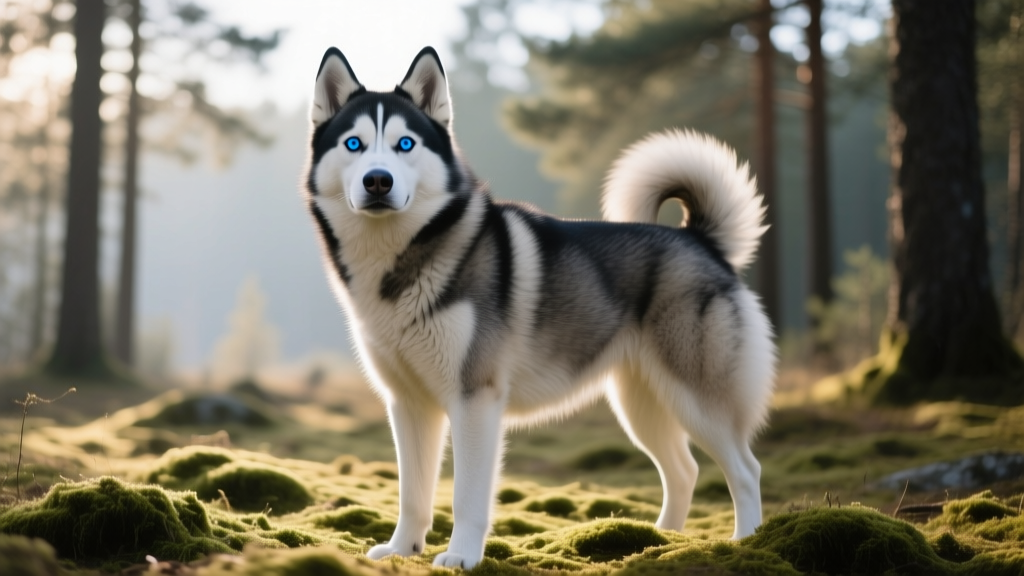
Breed Overview: The Perro Husky Siberiano at a Glance
The Siberian Husky — widely searched as perro husky siberiano across Spanish-speaking and bilingual dog communities — is a medium-sized working breed originally developed by the Chukchi people of northeastern Siberia over 3,000 years ago. These dogs were bred as endurance sled pullers, capable of hauling light loads at moderate speeds across vast frozen landscapes. They arrived in Alaska in 1908 during the Nome Gold Rush and gained lasting fame after the 1925 serum run to Nome, where musher Leonhard Seppala and lead dog Togo covered 261 miles in blizzard conditions to deliver diphtheria antitoxin.
Classified as a medium-sized working dog by the American Kennel Club (AKC), the Siberian Husky is not a giant breed despite its wolf-like appearance. They are compact, agile, and built for stamina rather than brute force — a distinction that surprises many first-time owners who expect a larger dog.
| Attribute | Details |
|---|---|
| Size Class | Medium |
| Weight (Male) | 45–60 lb / 20–27 kg |
| Weight (Female) | 35–50 lb / 16–23 kg |
| Height (Male) | 21–23.5 in / 53–60 cm |
| Height (Female) | 20–22 in / 51–56 cm |
| Lifespan | 12–14 years |
| Coat Type | Double coat, medium length |
| Energy Level | High (working breed) |
| Grooming Frequency | 2–3 times/week; daily during shedding season |
| AKC Group | Working |
| FCI Group | 5 (Spitz and Primitive Types), Section 1 |
Temperament & Personality: What Living With a Husky Actually Looks Like
The Siberian Husky temperament is a paradox that catches many owners off guard. They are intensely social yet famously independent, affectionate on their terms yet not clingy, and intelligent yet notoriously difficult to train for obedience. Here are five core traits with real behavioral examples:
- Pack-oriented and social: Huskies do not do well as solo dogs left alone for 8+ hours. They thrive in multi-dog households and can develop separation anxiety or destructive behaviors (chewing drywall, howling persistently) when isolated. In my experience speaking with Husky owners, the most common regret is buying a single Husky without realizing they need a canine companion.
- High prey drive: Squirrels, cats, rabbits, and even small dogs can trigger a chase instinct. This is not aggression — it's hardwired predatory sequence (eye → stalk → chase → grab). Off-leash recall in unfenced areas is unreliable for the vast majority of Huskies regardless of training level.
- Vocal and expressive: Huskies rarely bark in the traditional sense. Instead, they "talk" — a range of woo-woo vocalizations, howls, and dramatic groans. They will "argue" with you when asked to do something they don't want to do. This is normal breed behavior, not defiance.
- Escape artists: A 6-foot fence is the minimum recommendation, and many Huskies will dig under, climb over, or exploit any gap. Underground electric fences are completely ineffective — the breed's pain tolerance and motivation to run override the shock. GPS trackers (like the Tractive GPS DOG 4 or Fi Series 3 collar) are practical necessities, not luxuries.
- Gentle with people: Despite their wild appearance, Huskies are notoriously poor guard dogs. They are more likely to greet an intruder with tail wags than aggression. The AKC breed standard specifically notes their friendly, gentle disposition.
Physical Characteristics: Build, Coat, and Color Variations
The Siberian Husky is a balanced, moderately compact dog — never heavy or coarse. The body is slightly longer than tall, with a level topline and a well-furred tail carried in a graceful sickle curve over the back when alert.
Weight ranges: Males typically weigh 45–60 lb (20–27 kg); females 35–50 lb (16–23 kg). Dogs exceeding these ranges significantly are likely overweight (a common problem — see health section) or are not purebred Siberians (Alaskan Malamutes are often confused with "large Huskies" but are a separate, heavier breed).
Height: Males stand 21–23.5 inches (53–60 cm) at the withers; females 20–22 inches (51–56 cm). The AKC disqualifies males over 23.5 inches and females over 22 inches from conformation shows, which reinforces how this is genuinely a medium-sized breed.
Coat: The double coat consists of a dense, soft undercoat and a straight, medium-length outer coat that lies smooth without standing off from the body. The coat provides insulation in temperatures as low as -75°F (-60°C) but also reflects heat in summer — shaving a Husky's coat is strongly discouraged as it destroys the natural thermoregulation system and increases sunburn and skin cancer risk.
Colors: All colors and markings are acceptable per the AKC standard, from solid black to pure white. Common patterns include black-and-white, gray-and-white, red-and-white, sable-and-white, and agouti (banded hair giving a wild, wolfish appearance). Eye colors range from blue, brown, amber, to heterochromia (one blue, one brown) and parti-colored (both colors in one eye).
Exercise & Activity Needs: Minutes, Types, and Non-Negotiables
This is where most Husky ownership struggles begin. The breed was engineered to run 100+ miles per day in harness, and that genetic drive does not disappear in a suburban setting.
| Life Stage | Minimum Daily Exercise | Recommended Activities |
|---|---|---|
| Puppy (3–6 months) | 15–25 minutes | Short structured walks (5 min per month of age rule), sniffing games, gentle play |
| Adolescent (6–18 months) | 60–90 minutes | Long walks, hike trails, flirt pole, recall games in fenced areas |
| Adult (18 months–8 years) | 90–120+ minutes | Running/biking partner, canicross, sledding/carting, agility, hiking |
| Senior (8+ years) | 45–60 minutes | Leisurely walks, swimming (low-impact), mental enrichment |
Critical notes on exercise:
- A 20-minute walk around the block is not sufficient for an adult Husky. Underexercised Huskies develop destructive behaviors — chewing furniture, digging through carpet, escaping the yard, and persistent howling.
- Canicross (running in harness attached to you via bungee line) is one of the best outlets because it simulates the breed's original pulling work. Brands like Ruffwear and Non Stop Dogwear make appropriate pulling harnesses.
- Exercise in temperatures above 75°F (24°C) should be limited to early morning or evening. Watch for heat exhaustion signs: excessive panting, bright red gums, stumbling, and collapse. Brachycephalic breeds overheat easily, but even mesocephalic Huskies with double coats are heat-sensitive.
- Mental stimulation counts: 15 minutes of scent work or puzzle feeder sessions (e.g., Kong Wobbler, Outward Hound Nina Ottosson puzzles) can tire a Husky as effectively as a 30-minute walk.
Common Health Issues: Breed-Specific Conditions and Prevalence
Siberian Huskies are generally a robust breed with good genetic diversity, but several hereditary conditions are more prevalent in the breed than in the general dog population. Always consult your veterinarian for diagnosis and treatment — the information below is for awareness and preparation, not self-diagnosis.
| Condition | Type | Estimated Prevalence | Onset Age | Typical Treatment Cost (USD) |
|---|---|---|---|---|
| Hip Dysplasia | Orthopedic | ~6.5% (OFA data) | 5–14 months (signs), lifelong | $1,500–$7,000 (surgery) |
| Progressive Retinal Atrophy (PRA) | Ophthalmologic | ~2–4% | 1–3 years (early-onset) or 4–7 years (late-onset) | No cure; management $200–$500/year |
| Cataracts (Hereditary) | Ophthalmologic | ~8–10% | 1–5 years (juvenile cataracts) | $1,500–$4,000 per eye (surgery) |
| Hypothyroidism | Endocrine | ~3–5% | 2–6 years | $150–$300/year (lifelong medication) |
| Zinc-Responsive Dermatosis | Dermatologic | Uncommon but breed-associated | 1–3 years | $200–$600/year (supplementation) |
Hip Dysplasia: While the OFA (Orthopedic Foundation for Animals) reports a relatively low rate of ~6.5% in Siberian Huskies compared to larger breeds (German Shepherds at ~20%), it remains a concern. Responsible breeders screen breeding stock with OFA or PennHIP evaluations. Signs include bunny-hopping gait, difficulty rising, reluctance to jump, and decreased activity.
Eye Conditions: Hereditary cataracts and PRA are the most significant breed-specific eye concerns. The Merck Veterinary Manual notes that Siberian Huskies are among the breeds predisposed to both conditions. Annual CERF (Canine Eye Registration Foundation) exams by a veterinary ophthalmologist are recommended for breeding stock and advisable for pet owners starting at age 1.
Zinc-Responsive Dermatosis: This condition causes crusting, scaling, and hair loss around the eyes, mouth, and pressure points. Siberian Huskies and Alaskan Malamutes have a genetic predisposition to impaired zinc absorption. Treatment involves lifelong zinc supplementation under veterinary guidance — do not supplement zinc without a diagnosis, as excess zinc can cause copper deficiency and hemolytic anemia.
When to see the vet immediately: Sudden vision changes (bumping into objects, reluctance to navigate stairs), lameness lasting more than 48 hours, persistent skin lesions that don't respond to basic care, or any signs of bloat (distended abdomen, unproductive retching, restlessness). Huskies are deep-chested and at elevated risk for gastric dilatation-volvulus (GDV), which is a surgical emergency.
Grooming Requirements: Tools, Frequency, and the Shedding Reality
Owning a Husky means accepting that dog hair will be a permanent part of your home environment. The double coat sheds moderately year-round and "blows coat" (massive undercoat shed) typically twice per year — in spring and fall — though indoor dogs with artificial lighting may shed heavily nearly year-round.
| Task | Frequency | Recommended Tools |
|---|---|---|
| Brushing (maintenance) | 2–3 times per week | Undercoat rake (e.g., Furminator deShedding Tool for medium dogs), slicker brush |
| Brushing (coat blow season) | Daily for 2–4 weeks | Undercoat rake, high-velocity dryer (e.g., B-Air pet dryer) to blast loose undercoat |
| Bathing | Every 2–3 months (or as needed) | Oatmeal-based dog shampoo; thorough blow-dry required (air-drying a double coat can cause hotspots) |
| Nail trimming | Every 2–4 weeks | Guillotine or scissor clippers; Dremel grinder for thick nails |
| Ear cleaning | Monthly | Veterinary ear cleaner (e.g., Epi-Otic Advanced); cotton balls, not Q-tips |
| Teeth brushing | Daily or minimum 3x/week | Dog-specific enzymatic toothpaste (e.g., Virbac C.E.T.), finger brush or dual-head brush |
Never shave a Siberian Husky. The double coat insulates against both cold and heat. Shaving disrupts the coat's structure (the undercoat may grow back faster than the guard hairs, creating a matted, insulating layer that traps heat) and exposes skin to UV damage. If your Husky overheats in summer, provide cooling mats, shade, air conditioning, and frozen enrichment toys instead.
Training & Intelligence: Why "Stubborn" Is the Wrong Word
Siberian Huskies rank 45th out of 138 breeds in Stanley Coren's The Intelligence of Dogs for working/obedience intelligence — which measures how quickly a breed obeys known commands, not overall cognitive ability. Huskies are extremely intelligent problem-solvers (they can open doors, dismantle crates, and navigate complex escape routes), but they were bred to make independent decisions while running sled teams in blizzards. This means they question commands rather than obey reflexively.
Trainability rating: Moderate. They learn quickly but comply selectively. This is a breed that understands "sit" perfectly — and then evaluates whether sitting serves their interests at that moment.
Recommended training methods:
- Positive reinforcement only: High-value treats (freeze-dried liver, chicken), play rewards, and life rewards (opening the door to go outside only after a sit). Force-free, LIMA (Least Intrusive, Minimally Aversive) methods are the only approach that builds reliable cooperation. Shock collars, prong collars, and alpha rolls damage the human-Husky bond and increase fear-based behaviors.
- Short, engaging sessions: 5–10 minutes, 2–3 times daily. Huskies bore quickly with repetition.
- Recall training reality check: Even with extensive training, most Huskies cannot be trusted off-leash in unsecured areas. Their prey drive and desire to run override recall training. Invest in a long-line (30–50 ft training lead) for safe open-area exercise and always use fenced areas for off-leash time.
- Crate training: Essential for puppy safety and housetraining. Use a 42-inch wire crate for adult males, 36-inch for females. Introduce gradually with positive associations — never use the crate as punishment.
Family Suitability: Kids, Pets, Apartments, and First-Time Owners
Pros
- Gentle and playful with children (supervised; Huskies are energetic and may bowl over toddlers accidentally)
- Excellent with other dogs when properly socialized — pack animals by nature
- Generally healthy with a 12–14 year lifespan
- Low odor — Huskies are known for being relatively clean-smelling dogs
- Not aggressive toward people; poor guard dogs but great companions
Cons
- Heavy shedding year-round; intense coat blow twice yearly
- Very high exercise needs — 90–120+ minutes daily for adults
- Unreliable recall; must be leashed or in secure fenced areas at all times
- Destructive when underexercised, bored, or left alone for long periods
- High prey drive makes cohabitation with cats, rabbits, and small dogs risky
- Poor apartment dogs unless the owner is exceptionally committed to outdoor exercise
Is this breed right for first-time owners? Honestly, the Siberian Husky is a challenging first dog. Their combination of high exercise demands, escape artistry, independent thinking, and shedding overwhelms many novice owners. If you are a first-time owner set on a Husky, commit to professional positive-reinforcement training classes (group classes at 6–16 weeks, then ongoing), invest in secure fencing, and plan for 2+ hours of daily activity. Alternatively, consider a breed with similar appearance but lower intensity, such as the Alaskan Klee Kai (miniature, more manageable) or an American Eskimo Dog (similar spitz-type appearance, more biddable temperament).
Apartment living: Possible but difficult. A Husky in an apartment requires the owner to provide 90+ minutes of vigorous outdoor exercise daily, rain or shine, and tolerate significant shedding in a smaller space. Access to a nearby dog park or trail system is nearly essential. Many apartment leases also have breed restrictions that include Siberian Huskies — check your lease and local breed-specific legislation before committing.
Cost of Ownership: Puppy Price and Annual Budget (2026 Estimates)
Budgeting accurately before bringing home a Siberian Husky prevents surrender — Huskies are consistently among the top 5 breeds found in shelters, often because owners underestimated costs and care requirements.
| Expense Category | Estimated Cost (USD) | Notes |
|---|---|---|
| Puppy from responsible breeder | $1,200–$3,000 | AKC-registered, health-tested parents (OFA hips, CERF eyes). Show-line puppies may cost $2,500–$5,000+ |
| Adoption/rescue | $200–$600 | Often includes spay/neuter, vaccinations, microchip. Check Siberian Husky Rescue Trust and local breed-specific rescues |
| Initial supplies (first year) | $500–$1,200 | Crate, harness, leash, bowls, grooming tools, GPS tracker, bedding, toys |
| Annual food cost | $480–$840 | 40–60 lb dog eating 2–3 cups/day of quality kibble ($40–$70/month). AAFCO complete-and-balanced, minimum 22% protein for adults |
| Annual veterinary care | $400–$800 | Wellness exam, DHPP/rabies/bordetella vaccines, heartworm prevention (e.g., Heartgard Plus), flea/tick prevention (e.g., Bravecto or Simparica Trio), fecal exam |
| Pet insurance | $360–$720/year | $30–$60/month depending on coverage level, deductible, and location. Recommended for working breeds prone to orthopedic and eye conditions |
| Grooming (professional) | $0–$600/year | Most Husky owners groom at home. Professional de-shedding baths run $50–$100/session if needed during coat blow |
| Training classes | $200–$600 (first year) | Puppy socialization class, basic obedience, optional sport classes (agility, canicross) |
| Estimated first-year total | $3,340–$7,760 | Including puppy purchase; subsequent years $1,440–$2,960 |
Cost-saving tips: Adopt from a breed-specific rescue (the Siberian Husky Rescue Trust, ASPCA-affiliated rescues). Buy quality gear once rather than replacing cheap equipment. Learn home grooming with proper tools. Consider pet insurance early — premiums are lower for young, healthy dogs, and Husky-specific conditions like cataracts and hip dysplasia can generate $3,000–$7,000 surgical bills.
Frequently Asked Questions
How big does a perro husky siberiano get?
Adult males reach 45–60 lb (20–27 kg) and 21–23.5 inches (53–60 cm) at the shoulder. Females are smaller at 35–50 lb (16–23 kg) and 20–22 inches (51–56 cm). They are a medium breed — significantly smaller than Alaskan Malamutes, which can reach 85 lb.
How much exercise does a Siberian Husky need daily?
Adult Huskies need a minimum of 90–120 minutes of vigorous activity per day. This should include sustained cardiovascular exercise (running, biking, canicross) rather than only leash walks. Mental enrichment (puzzle toys, scent work, training sessions) supplements physical exercise.
Are Siberian Huskies good with children and other pets?
Huskies are generally gentle and playful with children, though their exuberance can knock over toddlers. Supervision is always required. They are excellent with other dogs but have high prey drive that makes cohabitation with cats, rabbits, hamsters, and small dogs risky. Early socialization reduces but does not eliminate this instinct.
What health problems is this breed prone to?
The most significant breed-specific concerns are hereditary cataracts (~8–10% prevalence), progressive retinal atrophy (PRA), hip dysplasia (~6.5%), hypothyroidism, and zinc-responsive dermatosis. Deep-chested conformation also puts them at risk for bloat (GDV). Annual veterinary exams with eye screening are recommended.
Is the Siberian Husky a good first dog?
Generally, no — they are better suited to owners with prior dog experience. Their combination of high exercise needs, unreliable recall, escape tendency, heavy shedding, and independent temperament is challenging for novice owners. That said, a committed first-time owner who invests in training, secure fencing, and daily activity can succeed with the breed.
How much does a Siberian Husky cost?
Puppies from responsible, health-testing breeders cost $1,200–$3,000 (show-line puppies may exceed $5,000). Adoption fees from rescues range $200–$600. Annual ongoing costs (food, vet care, insurance, supplies) run $1,440–$2,960 per year after the first year. Budget $3,340–$7,760 for the first year of ownership.
Anouk Beaumont
All our authors care for dogs every day — read more of their work on the authors page.


