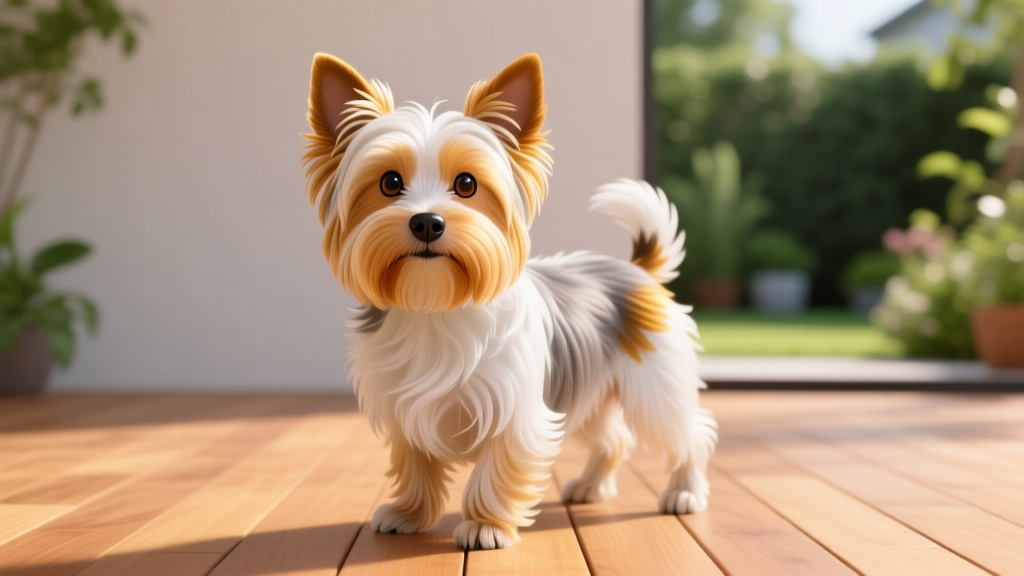
Schnauzer Dog Breed Profile: Sizes, Temperament & Care Guide
Complete schnauzer dog breed profile covering Miniature, Standard, and Giant sizes.

Meet the Schnauzer: Germany's Versatile Farm Dog Turned Family Companion
When people search for a "schnauzer dog," they're often surprised to learn there isn't just one breed — there are three distinct Schnauzer breeds recognized by the American Kennel Club: the Miniature Schnauzer, the Standard Schnauzer, and the Giant Schnauzer. While they share the iconic bearded muzzle and wiry coat, each size class has its own temperament profile, exercise demands, and health considerations that prospective owners need to understand before committing.
Originating in Bavaria, Germany, in the 15th century, Schnauzers were bred as all-purpose farm dogs — ratting, herding, guarding livestock, and protecting the homestead. The name "Schnauzer" derives from the German word Schnauze, meaning "snout" or "muzzle," a direct reference to their characteristic facial furnishings. The Standard Schnauzer is the original prototype; the Miniature was developed in the late 1800s by crossing Standards with Affenpinschers and Poodles, while the Giant emerged from crosses with Great Danes, Bouviers des Flandres, and other large working breeds.
Today, Schnauzers rank consistently among popular breeds in the United States. The Miniature Schnauzer held the 19th spot in AKC registration popularity as of 2025, making it one of the most recognizable small breeds in American households. But choosing the right Schnauzer size for your lifestyle requires more than a quick glance at their adorable eyebrows.
| Attribute | Miniature Schnauzer | Standard Schnauzer | Giant Schnauzer |
|---|---|---|---|
| Weight | 11–20 lb / 5–9 kg | 30–50 lb / 14–23 kg | 55–85 lb / 25–39 kg |
| Height | 12–14 in / 30–36 cm | 17.5–19.5 in / 44–50 cm | 23.5–27.5 in / 60–70 cm |
| Lifespan | 12–15 years | 13–16 years | 10–12 years |
| Size Class | Small | Medium | Large |
| Coat Type | Double, wiry | Double, wiry | Double, wiry |
| Energy Level | Moderate-High | High | High-Very High |
| AKC Group | Terrier | Working | Working |
| Shedding | Very Low | Very Low | Very Low |
Temperament & Personality: What Living With a Schnauzer Actually Feels Like
Schnauzers are not passive couch dogs. Across all three sizes, they share a core personality profile that catches many first-time owners off guard:
- Alert and vocal: Schnauzers are watchdogs by nature. A Miniature Schnauzer will announce every delivery driver, squirrel, and falling leaf with sharp, persistent barking. Giants tend toward a deeper, more authoritative alert bark that carries through walls. Standards fall somewhere in between. If you live in an apartment with thin walls or close neighbors, this is a genuine consideration — not a quirk that simply "goes away."
- Intelligent but independent: These dogs learn commands quickly but don't obey blindly. A Standard Schnauzer might look at you, process the request, and decide whether compliance is worth their time. This isn't stubbornness in the traditional sense — it's problem-solving. They need a reason to perform, which makes training engaging but requires patience.
- Devoted to their family, reserved with strangers: Schnauzers typically bond intensely with their primary people. They follow owners room-to-room, curl up against legs on the couch, and position themselves between their family and unfamiliar visitors. Giants, in particular, can be aloof or suspicious with new people and need structured socialization starting at 8–10 weeks of age.
- High prey drive (especially Miniatures): Bred to hunt rats, Miniature Schnauzers will chase squirrels, rabbits, cats, and small dogs with single-minded determination. Off-leash reliability is extremely difficult to achieve with this size variant. Standards and Giants have somewhat lower prey drive but still require careful introduction to small household pets.
- Playful well into adulthood: A 10-year-old Miniature Schnauzer will still initiate games of tug and chase. Standards maintain a puppy-like enthusiasm for interactive play throughout their lives. This makes them entertaining companions but also means they need ongoing mental stimulation to prevent boredom-driven destructiveness.
Exercise & Activity Requirements by Size
Vague advice like "moderate exercise" doesn't help you plan your day. Here's what Schnauzer exercise actually looks like in practice:
| Size | Minimum Daily Exercise | Ideal Daily Exercise | Recommended Activities |
|---|---|---|---|
| Miniature (11–20 lb) | 30–45 minutes | 45–60 minutes | Two leash walks (15–20 min each), indoor fetch, puzzle toys, sniff walks |
| Standard (30–50 lb) | 60 minutes | 60–90 minutes | Brisk walks or jogs, hiking, agility, fetch sessions, swimming (with introduction) |
| Giant (55–85 lb) | 60–90 minutes | 90–120 minutes | Long hikes, cart-pulling, advanced obedience drills, structured play, bike-joring |
A critical note for Giant Schnauzer owners: these dogs need mental work alongside physical exercise. A 90-minute walk without training challenges or scent work will still leave a Giant bored and restless. Incorporate 15–20 minutes of structured training, nose work, or puzzle feeding into every day. Brands like the Kong Wobbler ($15–$20) and Outward Hound Nina Ottosson Dog Brick ($25–$35) are effective for daily mental enrichment.
For Miniature Schnauzers, exercise must account for their terrier instincts. "Sniff walks" — where you let the dog set the pace and investigate freely on a long line (15–25 ft leash) — satisfy their scent-driven curiosity more effectively than a rigid heel-position walk. Allow 10–15 minutes of sniff time per outing.
Grooming: The Wiry Coat Maintenance Schedule
The Schnauzer's double coat consists of a soft undercoat and a harsh, wiry topcoat. This combination is low-shedding — making Schnauzers a common choice for allergy-sensitive households — but it demands regular maintenance to prevent matting and skin issues.
Brushing: Use a slicker brush (such as the Chris Christensen Big G Dog Brush, $45–$65) two to three times per week. Pay special attention to the leg furnishings, beard, and skirt (the longer hair on the belly and legs), where tangles form first.
Professional grooming: All three Schnauzer sizes require professional grooming every 5–8 weeks. The traditional Schnauzer cut involves hand-stripping the back and sides to maintain coat texture, though many pet owners opt for clipper cuts, which are faster and less expensive but soften the coat over time.
- Hand-stripping session: $65–$95 per visit (varies by region and groomer expertise)
- Clipper cut: $45–$70 per visit
- Annual grooming cost: $350–$700+ depending on frequency and method
Beard and facial care: Schnauzer beards trap food, water, and bacteria. Wash the beard daily with a damp cloth or dog-safe wipe to prevent staining and bacterial folliculitis. Some owners use a diluted chlorhexidine wipe (2% solution) for dogs prone to beard dermatitis — consult your veterinarian before starting any medicated routine.
Health Issues: Breed-Specific Conditions to Know
Responsible breeders screen for heritable conditions, but even well-bred Schnauzers carry genetic predispositions. Understanding these risks helps you recognize early symptoms and budget for potential veterinary costs.
| Condition | Primary Size Affected | Estimated Prevalence | Typical Onset | Treatment Cost Range |
|---|---|---|---|---|
| Hyperlipidemia (elevated blood fat) | Miniature | ~30% of Miniature Schnauzers (per Merck Veterinary Manual) | Adult (4+ years) | $200–$500/year for dietary management and monitoring |
| Pancreatitis | Miniature | Significantly elevated risk vs. general population | Adult, often triggered by high-fat meals | $1,000–$5,000 per acute episode (hospitalization) |
| Urinary stones (calcium oxalate & struvite) | Miniature | Miniature Schnauzers are among the top 5 breeds for urolithiasis | Adult (3–8 years) | $800–$3,500 for surgical removal; $200–$400/year for preventive diet |
| Hip dysplasia | Standard & Giant | ~7% Standard, ~14% Giant (OFA data) | 1–5 years (symptoms may appear later) | $1,500–$7,000 for total hip replacement |
| Dilated cardiomyopathy (DCM) | Giant | Elevated breed risk; exact prevalence under study | 6–10 years | $300–$800/year for cardiac medication and monitoring |
- Repeated vomiting, especially with a hunched "prayer position" stance (pancreatitis red flag)
- Straining to urinate or blood in urine (possible urinary blockage — life-threatening in males)
- Sudden hind-leg weakness or reluctance to jump (possible IVDD or hip issue)
- Labored breathing, persistent cough, or exercise intolerance (possible DCM in Giants)
Always consult your veterinarian for diagnosis and treatment. This article does not replace professional veterinary care.
Preventive health screening recommendations: Ask your breeder for OFA (Orthopedic Foundation for Animals) hip and elbow scores, cardiac clearance, and — for Miniatures — a lipid panel history on the parents. The AKC recommends that responsible breeders perform these tests and share results openly. Budget $300–$600 annually for routine preventive care, including bloodwork that monitors lipid levels and organ function.
Training & Intelligence: Working With a Thinking Dog
Schnauzers score well above average in working intelligence. The Miniature ranks in the top tier for obedience intelligence among small breeds, and the Giant Schnauzer is capable of advanced protection sport work, competitive obedience, and cart-pulling. However, intelligence doesn't equal compliance.
Trainability rating: 8/10 for learning speed, 6/10 for first-time obedience (they think before obeying).
Recommended training approach: Positive reinforcement methods using high-value food rewards (freeze-dried liver, boiled chicken pieces cut to pea-size) and play rewards work best. Schnauzers respond poorly to repetitive drilling — they get bored after 3–5 repetitions of the same command. Keep sessions short (5–10 minutes), varied, and end on a successful note.
Force-free methods only: Shock collars, prong collars, and alpha rolls are counterproductive with Schnauzers. These dogs have a strong sense of fairness and will shut down or become defensive if handled harshly. If you're struggling with leash reactivity or resource guarding, seek a certified professional dog trainer (CPDT-KA or IAABC-certified) who uses desensitization and counter-conditioning protocols.
Key training milestones:
- 8–12 weeks: Socialization exposure to 100+ novel stimuli (surfaces, sounds, people, other dogs). This is non-negotiable for Giant Schnauzers.
- 3–6 months: Basic obedience (sit, down, stay, recall, loose-leash walking foundation).
- 6–12 months: Impulse control exercises (wait at doors, leave-it, settle on mat). Adolescent Schnauzers test boundaries heavily during this period.
- 12+ months: Advanced activities — agility, nose work, rally obedience, or therapy dog certification.
Family Suitability: Kids, Pets, and Apartment Living
Strengths as a Family Dog
- Loyal and protective without being aggressive when properly socialized
- Sturdy enough to handle respectful children (Standards and Giants especially)
- Low-shedding coat reduces household allergens
- Adaptable to various living situations with adequate exercise
- Long lifespan (especially Miniatures and Standards) means years of companionship
Challenges for Families
- High prey drive makes cohabitation with cats, rabbits, or small dogs risky (Miniatures especially)
- Vocal nature can be problematic in apartments or close-quarter housing
- Can be bossy or herding-oriented with young children if not trained
- Giant Schnauzers require experienced handlers — not ideal for first-time owners
- Grooming commitment is significant and ongoing
With children: Standard Schnauzers are generally the best family size — sturdy enough to handle a toddler's clumsy petting, but not so large as to accidentally knock over a small child. Miniatures can be snappy if their ears or beard are pulled, so they're better suited to homes with children aged 8+ who understand gentle handling. Giants are patient but massive; supervision is essential with children under 10.
With other pets: Same-species (dog-to-dog) introductions usually go well if both dogs are well-socialized. Cat cohabitation is possible if the Schnauzer is raised with the cat from puppyhood, but the terrier prey drive means you can never fully trust an unsupervised interaction. Never house a Miniature Schnauzer with hamsters, guinea pigs, or pet rats — their ratting instinct is hardwired.
Apartment living: Miniature Schnauzers can thrive in apartments if they receive 45–60 minutes of daily exercise and their barking is managed through training (teaching a "quiet" cue and rewarding silence). Standards and Giants need more space and outdoor access — a house with a fenced yard is strongly preferred for these sizes.
Cost of Ownership: Budgeting for a Schnauzer
Schnauzers are not a budget breed. Between grooming, health screening, and quality nutrition, prospective owners should plan realistically.
| Expense Category | Miniature | Standard | Giant |
|---|---|---|---|
| Puppy purchase (responsible breeder) | $1,500–$3,500 | $1,500–$3,000 | $2,000–$4,500 |
| Adoption/rescue fee | $200–$500 | $200–$500 | $300–$600 |
| Annual food cost | $300–$500 | $500–$800 | $700–$1,200 |
| Annual grooming | $350–$550 | $450–$700 | $550–$900 |
| Annual veterinary care (routine) | $400–$700 | $400–$700 | $500–$900 |
| Pet insurance (annual premium) | $400–$700 | $500–$800 | $600–$1,000 |
| First-year total (from breeder) | $3,500–$7,000 | $3,800–$7,500 | $5,000–$10,000 |
| Ongoing annual cost | $1,500–$2,800 | $1,900–$3,200 | $2,400–$4,200 |
Food recommendations: Miniature Schnauzers are prone to pancreatitis and hyperlipidemia, so a lower-fat diet is often recommended. Look for AAFCO-complete diets with a fat content of 10–15% on a dry matter basis. Brands frequently recommended by veterinary nutritionists for Miniature Schnauzers include Royal Canin Schnauzer Mini ($45–$60 per 15-lb bag) and Hill's Science Diet Sensitive Stomach & Skin ($50–$65 per 15-lb bag). Always consult your veterinarian before switching to a therapeutic or breed-specific diet.
Pet insurance: Given the breed-specific health risks, pet insurance is strongly recommended. Companies like Trupanion, Healthy Paws, and Nationwide offer plans covering hereditary conditions. Enroll during the puppy's first year — pre-existing condition exclusions mean that waiting until symptoms appear will void coverage for that condition.
Frequently Asked Questions
Is a Schnauzer dog right for first-time owners?
Miniature Schnauzers can work for first-time owners who are prepared for the barking, grooming commitment, and consistent training requirements. Standard Schnauzers are manageable for dedicated beginners with access to a good trainer. Giant Schnauzers are not recommended for first-time owners — their size, strength, protective instincts, and need for extensive socialization require experienced handling. If this is your first dog, start with a Miniature or consider a less demanding breed.
How much exercise does a Schnauzer need daily?
Miniature Schnauzers need 30–60 minutes of daily exercise. Standards require 60–90 minutes. Giants need 90–120 minutes, ideally combining physical activity with mental challenges like training drills or scent work. All sizes benefit from two separate outings per day rather than one long session.
What health problems are Schnauzers prone to?
Miniature Schnauzers have elevated risk for hyperlipidemia (affecting roughly 30% of the breed), pancreatitis, and urinary stones. Standards and Giants are more susceptible to hip dysplasia. Giant Schnauzers carry a breed-specific risk for dilated cardiomyopathy (DCM). Regular veterinary screening and breed-appropriate diets can help manage these risks.
How big does a Schnauzer get?
Miniature Schnauzers weigh 11–20 lb (5–9 kg) and stand 12–14 inches (30–36 cm) at the shoulder. Standards weigh 30–50 lb (14–23 kg) and stand 17.5–19.5 inches (44–50 cm). Giants weigh 55–85 lb (25–39 kg) and stand 23.5–27.5 inches (60–70 cm).
Are Schnauzers good with children and other pets?
Schnauzers are generally good with respectful children, with Standards being the most tolerant size. They can coexist with other dogs when properly socialized. However, their terrier prey drive — especially strong in Miniatures — makes them risky around cats, small mammals, and pet rodents. Never leave a Schnauzer unsupervised with small pets.
How much does a Schnauzer cost to buy and maintain?
Expect to pay $1,500–$4,500 for a puppy from a responsible breeder, depending on size and lineage. Adoption fees from rescues typically range from $200–$600. Ongoing annual costs (food, grooming, veterinary care, insurance) range from $1,500 for a Miniature to $4,200+ for a Giant. The first year of ownership typically costs $3,500–$10,000 total.
Do Schnauzers shed a lot?
No. Schnauzers have a wiry, low-shedding double coat that makes them a popular choice for allergy-sensitive households. However, their coat requires brushing 2–3 times per week and professional grooming every 5–8 weeks to prevent matting and maintain coat health.
Whether you're drawn to the compact charm of a Miniature, the balanced athleticism of a Standard, or the commanding presence of a Giant, the Schnauzer dog family offers a loyal, intelligent, and endlessly entertaining companion. The key is matching the right size to your experience level, living situation, and willingness to commit to their grooming and exercise needs for the next decade or more.
Aaron Whyte
All our authors care for dogs every day — read more of their work on the authors page.