Pom Yorkie Mix: The Complete Yoranian Breed Profile and Care Guide
Everything you need to know about the Pom Yorkie mix (Yoranian): size, temperament, coat types, health risks, grooming needs, and 2026 pricing.
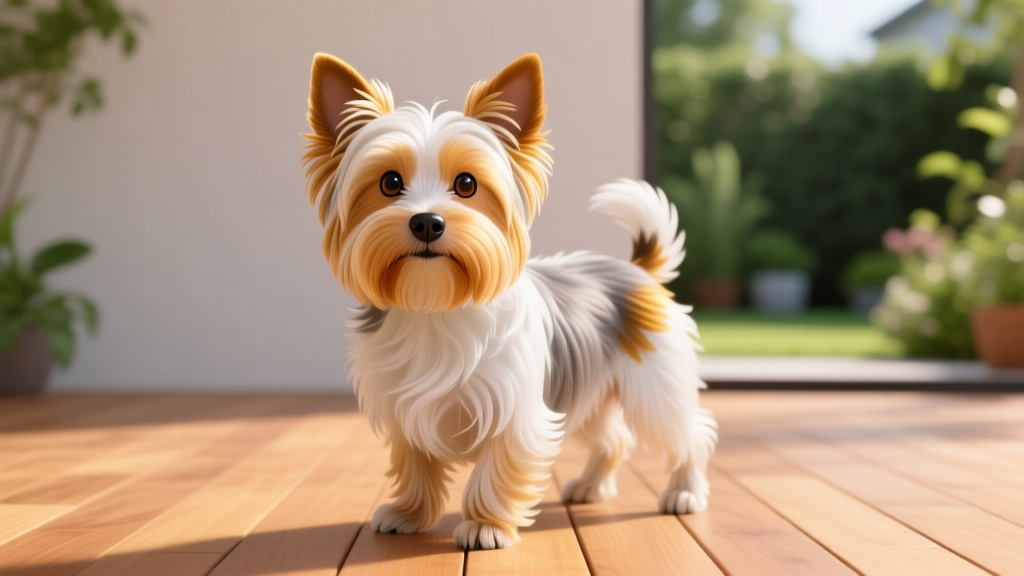
If you've ever scrolled through adoption listings or breeder websites and stumbled on a "Yoranian" or "Pom Yorkie mix," you're looking at one of the more intriguing designer crosses in the toy-dog world. This small but spirited hybrid blends the Pomeranian's fox-like boldness with the Yorkshire Terrier's silky confidence, producing a companion dog that punches well above its weight in personality.
But here's what most online guides won't tell you: because the Pom Yorkie mix is a crossbreed rather than a standardized breed, individual puppies can vary dramatically — even within the same litter. One pup might inherit the Yorkie's floor-length silky coat while another gets the Pomeranian's dense double coat. One might be a confident extrovert; another might be wary and vocal. Understanding this variability is the key to deciding whether this mix is right for your household.
This guide breaks down everything prospective owners need to know, from generation genetics and realistic size ranges to inherited health conditions and what you'll actually spend in the first year.
What Two Breeds Make Up the Pom Yorkie Mix?
The Pom Yorkie mix — most commonly called the Yoranian, though you'll also see "Yorkie Pom," "Pomeranian Yorkie mix," and "Yorkie Pomeranian" — is a first-generation or multigeneration cross between two purebred toy breeds:
| Trait | Pomeranian | Yorkshire Terrier |
|---|---|---|
| AKC Group | Toy | Toy |
| Weight Range | 3–7 lb (1.4–3.2 kg) | 4–7 lb (1.8–3.2 kg) |
| Height | 6–7 in (15–18 cm) | 7–8 in (18–20 cm) |
| Coat Type | Double coat, heavy shedder | Single coat, hair-like, low-shedding |
| Lifespan | 12–16 years | 11–15 years |
| Origin | Pomerania (Germany/Poland), descended from Spitz-type sled dogs | Yorkshire, England — bred from terriers to catch rats in mills |
| Core Temperament | Bold, alert, vocal, affectionate with family | Confident, feisty, loyal, can be stubborn |
| AKC Recognition | Recognized since 1888 | Recognized since 1885 |
Both parent breeds were recognized by the American Kennel Club in the late 1800s, but neither registry recognizes the Yoranian cross as a breed. You may find Pom Yorkie mixes registered with designer-breed registries like the American Canine Hybrid Club (ACHC) or Designer Dogs Kennel Club (DDKC), though these registrations carry no weight in conformation or health-standard contexts.
Understanding Generations: F1, F1B, and Multigen Yoranians
Designer mixes are classified by how many generations of crossbreeding are involved. This matters because it directly affects trait predictability.
- F1 (First Generation): One purebred Pomeranian × one purebred Yorkshire Terrier. These puppies show the widest variation — each pup is essentially a genetic coin flip for coat type, size, and some temperament traits.
- F1B (First-Generation Backcross): An F1 Yoranian bred back to either a purebred Pomeranian or a purebred Yorkie. Backcrossing to a Yorkie tends to produce silkier, lower-shedding coats. Backcrossing to a Pomeranian tends to produce fluffier, more Spitz-like appearances.
- F2 (Second Generation): Two F1 Yoranians bred together. This generation shows the most unpredictable trait combinations due to genetic recombination — the "throwback" generation where you might get puppies that look almost entirely like one grandparent breed.
- Multigen (F3+): Multiple generations of Yoranian-to-Yoranian breeding. Slightly more predictable, but still far from standardized. No responsible multigen Yoranian breeding program has the multi-decade pedigree depth that established breeds have.
Most Pom Yorkie mixes you'll encounter from breeders are F1 crosses, since maintaining a multigen Yoranian line requires significant commitment for a dog that isn't AKC-recognized. If a breeder advertises F1B or multigen puppies, ask specifically which parent breed was used in the backcross and request to see both parents.
How Big Will a Pom Yorkie Mix Get?
Because both parent breeds are firmly in the toy category, the Yoranian is a small dog — but "small" still has a meaningful range. Here's what you can realistically expect:
| Measurement | Low End | Typical Range | High End |
|---|---|---|---|
| Weight (adult) | 3 lb (1.4 kg) | 4–8 lb (1.8–3.6 kg) | 10 lb (4.5 kg) |
| Height at withers | 6 in (15 cm) | 7–9 in (18–23 cm) | 11 in (28 cm) |
| Age at full size | 8 months | 10–12 months | 14 months |
A few important notes on size variability:
- Runts and outliers: In any toy breed litter, you may find one puppy significantly smaller (under 3 lb) or larger (over 10 lb) than the rest. Extremely small puppies (under 2 lb / 0.9 kg at maturity) face elevated risks for hypoglycemia and tracheal collapse.
- Weight estimation: A common rule of thumb for toy breeds is to double the puppy's weight at 12 weeks for an approximate adult weight. This is imprecise but gives a ballpark.
- Sex differences: Males tend to be slightly larger, but in toy breeds the difference is often less than 1 lb (0.5 kg).
Coat Types, Colors, and the Shedding Question
The coat your Pom Yorkie mix inherits is one of the most visible examples of crossbreed variability. Here's what's possible:
Pomeranian-Dominant Coat
A dense double coat with a soft, thick undercoat and longer guard hairs. These Yoranians look fluffier, more rounded, and require significantly more grooming. They shed moderately year-round with heavy seasonal "blows" (typically spring and fall). Expect daily brushing and professional grooming every 6–8 weeks.
Yorkie-Dominant Coat
A single-layer, silky, hair-like coat that grows continuously and sheds minimally. These Yoranians look sleeker and more terrier-like. While often marketed as "low-shedding," they still require regular brushing (every 2–3 days) and professional grooming every 4–6 weeks to prevent matting.
Blended Coat
Many F1 Yoranians land somewhere in between — a medium-length coat with some undercoat density but not a full double coat. These dogs shed moderately and need brushing 3–4 times per week.
No dog is truly hypoallergenic. While Yorkie-dominant Yoranians with single-layer coats produce less airborne dander and shed less, they still produce the Can f 1 and Can f 2 proteins that trigger allergic reactions. If you have dog allergies, spend at least 30 minutes with the specific puppy or adult dog before committing. Allergy severity varies individually — some people tolerate low-shedding dogs fine, others react regardless.
Common color combinations include black and tan (classic Yorkie coloring), orange/sable (classic Pomeranian), parti-color (white with patches), golden, and chocolate. Merle coloring is not standard in either parent breed and should raise red flags about breeding practices — merle-to-merle breeding can produce puppies with serious auditory and ocular defects.
Temperament: What to Expect (and What Might Surprise You)
Both Pomeranians and Yorkshire Terriers are bold, alert, and deeply bonded to their people. Neither breed was developed for independent field work — they're companion dogs through and through — so the Yoranian tends to be an intensely people-oriented dog. But the specifics vary.
Best-Case Temperament Profile
- Confident and curious without being reckless
- Affectionate and cuddly with family members
- Alert enough to serve as an excellent "watchdog" (barking at unusual sounds)
- Sociable with visitors when properly socialized during the 3–14 week critical window
- Playful and entertaining — both parent breeds have a comedic streak
- Adaptable to apartment living given adequate mental stimulation
Challenging Temperament Scenarios
- Excessive vocalization: Both Pomeranians and Yorkies rank among the more vocal toy breeds. A Yoranian that inherits this tendency from both sides can be a persistent barker — problematic in apartments with thin walls or noise-sensitive neighbors.
- Wariness with strangers: Without early and ongoing socialization, some Yoranians become suspicious of unfamiliar people and may snap or growl when approached.
- Small-dog syndrome: This isn't a clinical term, but it describes a real pattern: toy dogs whose owners inadvertently reinforce fearful or aggressive behaviors by picking them up instead of allowing them to learn appropriate social skills. Use positive reinforcement and force-free training methods to build confidence rather than relying on physical management.
- Stubbornness in training: The Yorkie's terrier independence combined with the Pom's self-assured nature can produce a dog that's clever but unmotivated to obey. High-value treats (real chicken, freeze-dried liver) and short 5-minute sessions work far better than repetitive drilling.
- Separation distress: Yoranians bond tightly and some develop separation anxiety when left alone for extended periods. Crate training from puppyhood and gradually building alone-time tolerance is essential.
Socialization and Training Priorities
The 3-to-14-week socialization window is critical. During this period, expose your Yoranian puppy to:
- A variety of people (different heights, ages, clothing, hats, uniforms)
- Other vaccinated, friendly dogs in controlled settings
- Different surfaces (grass, gravel, metal grates, wet floors)
- Common household sounds (vacuum, doorbell, TV, thunderstorm recordings at low volume)
- Handling exercises — touching paws, ears, mouth, and tail gently with treats
After the initial window, continue socialization through puppy classes (once the full DHPP vaccine series is complete, typically around 16 weeks). Look for classes that use positive reinforcement exclusively — avoid any trainer who recommends shock collars, prong collars, or alpha rolls, as these methods are especially dangerous for small dogs with delicate tracheas.
Health Considerations: Hybrid Vigor vs. Reality
Let's address a persistent myth: hybrid vigor does not guarantee a healthier dog. The concept of heterosis (hybrid vigor) is real in livestock and agricultural genetics, where crossing two inbred lines can mask recessive deleterious alleles. But in companion dogs, the health benefit of crossing two breeds is modest at best — and it does nothing to protect against conditions that both parent breeds share.
According to the Merck Veterinary Manual, the following conditions are relevant to the Pom Yorkie mix because they appear in one or both parent breeds:
Conditions Both Breeds Share (Higher Risk)
- Patellar luxation: The kneecap slips out of its groove. Grades I–II may be managed conservatively; Grades III–IV often require surgical correction ($1,500–$3,500 per knee). Both Pomeranians and Yorkies have significant prevalence.
- Tracheal collapse: Weakening of the cartilage rings in the windpipe, causing a characteristic honking cough. More common in dogs under 7 lb. Management includes weight control, harness-only walking (never attach a leash to a collar), and sometimes medication or surgical stents ($2,500–$5,000+).
- Dental disease: Toy breeds have disproportionately large teeth for their small jaws, leading to crowding, plaque buildup, and early periodontal disease. Expect professional dental cleanings under anesthesia every 1–2 years ($400–$800 per cleaning) plus daily tooth brushing at home.
- Hypoglycemia (puppies): Toy breed puppies under 4 months can experience dangerous blood sugar drops, especially if they skip a meal or experience stress. Feed puppies 3–4 small meals daily and keep Nutri-Cal or Karo syrup on hand for emergencies.
Pomeranian-Specific Risks
- Alopecia X (Black Skin Disease): A cosmetic condition causing symmetrical hair loss, primarily on the trunk. Not painful or life-threatening, but can be distressing for owners. No reliably effective treatment exists.
- Collapsed trachea (higher prevalence than in Yorkies)
- Hip dysplasia: Less common in toys than large breeds, but still documented in Pomeranians
Yorkshire Terrier-Specific Risks
- Portosystemic shunt (PSS): A congenital liver vascular anomaly where blood bypasses the liver. Symptoms include stunted growth, head pressing, seizures after eating, and "zoning out." Surgical correction costs $3,000–$6,000 with a generally good prognosis for single extrahepatic shunts.
- Legg-Calvé-Perthes disease: Degeneration of the femoral head (hip ball) in young dogs, typically 4–12 months old. Requires surgical removal of the femoral head ($1,500–$3,000) with good recovery in small breeds.
- Progressive retinal atrophy (PRA): Gradual vision loss leading to blindness. No cure; DNA tests are available for some forms.
Seek emergency veterinary care if your Yoranian exhibits any of the following:
- Difficulty breathing, persistent honking cough, or blue-tinged gums
- Seizures or episodes of unresponsiveness
- Inability to bear weight on a hind leg (possible patellar luxation Grade III+)
- Repeated vomiting, especially with lethargy (possible intestinal blockage — toy breeds are at higher risk from small object ingestion)
- Hypoglycemic episode in a puppy: trembling, weakness, collapse — rub Karo syrup on gums and go to the vet immediately
For toxic ingestion emergencies, contact ASPCA Animal Poison Control: (888) 426-4435 (24/7, consultation fee applies).
Preventive care checklist: Annual veterinary exams, biannual dental assessments, patellar evaluations, and — if breeding is ever considered — OFA (Orthopedic Foundation for Animals) screening for patellas and cardiac evaluation. Always consult your veterinarian for a wellness plan tailored to your individual dog.
Grooming Requirements by Coat Type
Your Yoranian's grooming schedule depends entirely on which parent's coat they inherited. Here's a practical breakdown:
| Task | Pom-Dominant Coat | Blended Coat | Yorkie-Dominant Coat |
|---|---|---|---|
| Home brushing | Daily | 3–4x/week | Every 2–3 days |
| Professional grooming | Every 6–8 weeks | Every 6–8 weeks | Every 4–6 weeks |
| Bathing | Every 3–4 weeks | Every 3–4 weeks | Every 2–3 weeks |
| Shedding level | Moderate to heavy | Moderate | Low |
| Matting risk | High (undercoat) | Moderate | High (long hair) |
| Estimated annual grooming cost | $400–$650 | $350–$550 | $500–$800 |
Essential grooming tools: A slicker brush (the Chris Christensen Big G or similar quality brand, $40–$65) is the workhorse for all coat types. Add a metal comb for checking for mats close to the skin, and a detangling spray for Yorkie-dominant coats. For Pom-dominant coats, an undercoat rake helps during seasonal shedding periods.
Nail trims should happen every 2–3 weeks — toy breeds often don't wear down nails naturally because of their light weight and indoor lifestyles. Overgrown nails alter foot structure and can contribute to patellar stress.
Cost Breakdown: Purchase Price and First-Year Expenses
Puppy Purchase Price (2026 Estimates)
| Source | Price Range | What to Expect |
|---|---|---|
| Responsible breeder | $800–$2,500 | Health-tested parents (OFA patella, cardiac), health guarantee, take-back clause, early socialization protocol |
| Backyard/casual breeder | $400–$800 | Variable quality — may lack health testing, socialization, or support |
| Puppy mill / pet store | $500–$1,500 | Avoid — high risk of health and behavioral problems, no transparency about parent dogs |
| Breed rescue / shelter | $150–$400 | Adoption fee typically includes spay/neuter, vaccinations, microchip. Yoranians appear occasionally; check ASPCA adoption resources and breed-specific rescues for Pomeranians and Yorkies, which sometimes take in mixes. |
First-Year Cost Estimate
- Puppy purchase: $800–$2,500
- Initial veterinary (exam, DHPP series, rabies, fecal tests, heartworm start): $300–$600
- Spay/neuter: $200–$500
- Microchip: $25–$50 (often included in adoption fees)
- Grooming (first year): $350–$800
- High-quality food (toy-breed formula, e.g., Royal Canin X-Small or Hill's Science Diet Small Paws): $200–$400
- Supplies (crate, harness, bed, toys, grooming tools): $150–$350
- Pet insurance (optional but recommended): $300–$600/year for accident-and-illness coverage
- Training classes: $150–$300 for a 6–8 week puppy course
Realistic first-year total: $2,500–$6,100, depending heavily on purchase source and your region's veterinary costs.
Who Is the Pom Yorkie Mix Best Suited For?
After covering genetics, health, grooming, and cost, here's the practical question: does this dog fit your life?
Ideal Households
- Apartment dwellers who want an alert, entertaining companion without the space requirements of a larger breed
- Adults or families with older children (10+) — Yoranians are fragile, and toddlers or rough-playing young children can inadvertently injure a 5-lb dog
- People who work from home or have flexible schedules, as these dogs don't tolerate long solo periods well
- First-time owners willing to invest in socialization and positive-reinforcement training — they're manageable in size and exercise needs, but their vocal tendencies and potential stubbornness require commitment
- Seniors or less active owners who want a companion dog with modest exercise requirements (20–30 minutes of walking daily plus indoor play)
Less-Ideal Households
- Families with toddlers or very young children — the injury risk to the dog is real, and the dog may bite defensively if handled roughly
- People who are away 8+ hours daily without a pet sitter or doggy daycare arrangement
- Noise-sensitive living situations where frequent barking would create conflict
- Owners seeking a reliably low-maintenance coat — every coat possibility in this mix requires regular grooming investment
Frequently Asked Questions
What two breeds make up the Pom Yorkie mix?
The Pom Yorkie mix (Yoranian) is a cross between a purebred Pomeranian and a purebred Yorkshire Terrier. Both are AKC-recognized toy breeds, though the Yoranian cross itself is not recognized by the AKC as a distinct breed.
How big will a Pom Yorkie mix get?
Most adult Yoranians weigh between 4–8 lb (1.8–3.6 kg) and stand 7–9 inches (18–23 cm) tall at the shoulder. Outliers on either end are possible depending on which parent's size genes dominate.
What will the temperament be like?
Expect a bold, affectionate, alert companion dog that bonds closely with its family. Both parent breeds contribute confidence and vocal tendencies. Early socialization is essential to prevent excessive wariness of strangers. Individual variation is significant — meet the puppy's parents if possible to gauge temperament tendencies.
Is the Pom Yorkie mix hypoallergenic or low-shedding?
No dog is truly hypoallergenic. Yorkie-dominant Yoranians with single-layer coats shed less and may be better tolerated by some allergy sufferers, but they still produce allergenic proteins. Pom-dominant Yoranians with double coats are moderate to heavy shedders.
What health issues might a Pom Yorkie mix inherit?
Key shared risks include patellar luxation, tracheal collapse, and early dental disease. Pomeranian-specific concerns include alopecia X, while Yorkie-specific concerns include portosystemic liver shunts and Legg-Calvé-Perthes disease. Reputable breeders screen parent dogs for these conditions. Always consult your veterinarian for breed-appropriate wellness screening.
How much does a Pom Yorkie mix cost?
From a responsible breeder, expect to pay $800–$2,500 for a Yoranian puppy. Adoption through a rescue typically costs $150–$400. First-year total expenses (including veterinary care, grooming, food, and supplies) typically range from $2,500–$6,100.
Are Pom Yorkie mixes good with other pets?
With proper socialization, many Yoranians coexist peacefully with other dogs and even cats. However, the Yorkie's terrier heritage means some individuals have a strong prey drive toward small animals like hamsters, birds, or reptiles. Introduce new pets gradually and supervise all interactions.
How long do Pom Yorkie mixes live?
The typical lifespan is 12–15 years, with some individuals reaching 16+ years. Toy breeds generally have longer lifespans than larger breeds. Maintaining a healthy weight, keeping up with dental care, and catching conditions like patellar luxation early all contribute to longevity.
Dr. Hannah Wickes
All our authors care for dogs every day — read more of their work on the authors page.


