Schnauzer and Terrier Mix: The Rare Rat Terrier Schnauzer Blend
Discover the schnauzer and terrier crossbreed — temperament, health risks, grooming needs, costs, and whether this rare designer mix fits your family.
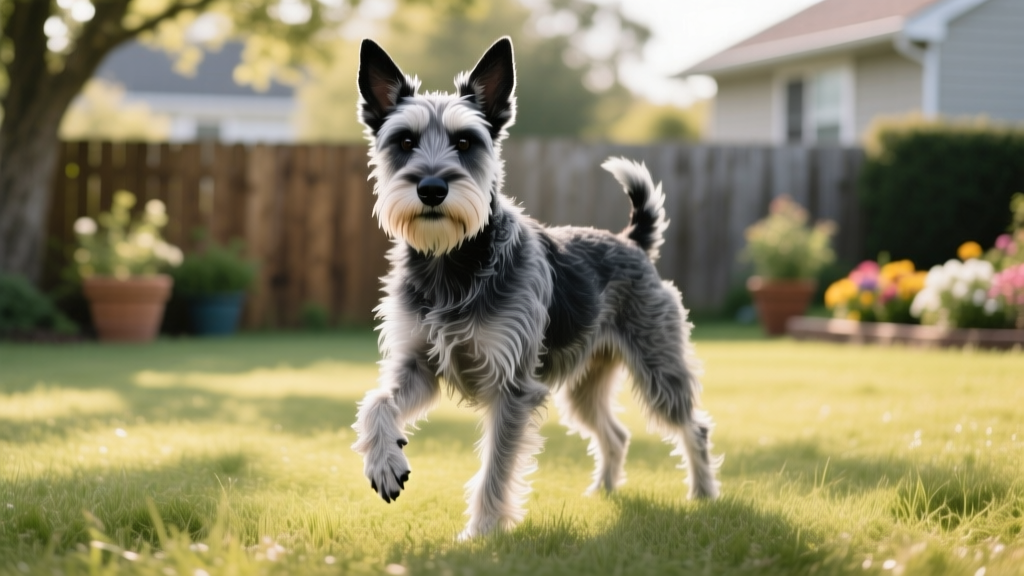
If you've been searching for a compact, spirited companion that blends the wiry charm of a schnauzer with the fearless tenacity of a terrier, you may have stumbled onto one of the less common designer crosses in the United States. The schnauzer and terrier mix — most frequently a Miniature Schnauzer crossed with a Rat Terrier, Jack Russell Terrier, or Fox Terrier — isn't a breed you'll find in any major registry's standard book. But for the owners who track down these puppies or adopt them from rescues, the result is often a sharp-witted, loyal dog that doesn't fit neatly into any single category.
This guide covers what you need to know before bringing a schnauzer-terrier cross into your home: the genetic lottery of designer dogs, real exercise and grooming requirements, breed-specific health risks from both parent lines, and honest cost expectations for 2026. Whether you're evaluating a litter or trying to identify the mix you just adopted, here's the full picture.
Where Did the Schnauzer and Terrier Mix Come From?
To understand this cross, you have to look at both parent lineages — and they come from very different working backgrounds.
Parent Breed Origins
| Breed | Country of Origin | Historical Purpose | Approximate Development Era |
|---|---|---|---|
| Miniature Schnauzer | Germany | Ratting, farm guarding, livestock driving | Mid-to-late 1800s (crossed Standard Schnauzer with Affenpinscher and Poodle) |
| Rat Terrier | United States | Vermin control on farms, hunting small game | Early 1900s (Fox Terrier crosses with Beagles, Whippets, and other breeds) |
| Jack Russell Terrier | England | Fox hunting — specifically bolting foxes from dens | 1800s (developed by Reverend John Russell) |
| Wire Fox Terrier | England | Fox hunting companion, vermin control | Mid-1800s |
The intentional crossing of Miniature Schnauzers with various terrier breeds likely began during the designer-dog boom of the late 1990s and early 2000s, when breeders began experimenting with hybrid vigor (the theory that crossbred dogs may inherit fewer recessive genetic disorders than purebreds). Unlike heavily marketed crosses such as the Labradoodle or Goldendoodle, the schnauzer-terrier mix never gained mainstream commercial traction. Most litters today come from small-scale hobby breeders or are the accidental result of unspayed/unneutered dogs in multi-pet households.
Recognition status: No schnauzer-terrier cross is recognized by the American Kennel Club (AKC), the United Kennel Club (UKC), or the Fédération Cynologique Internationale (FCI). Some may qualify for registration with designer-dog registries like the American Canine Hybrid Club (ACHC) or the Designer Breed Registry (DBR), but these carry no weight in conformation showing or health-standard enforcement.
Physical Traits: What Does a Schnauzer and Terrier Mix Look Like?
Because "schnauzer and terrier" covers several possible pairings, appearance varies significantly even within a single litter. That said, most crosses share a common physical profile shaped by their shared small-to-medium size and wiry-coat genetics.
| Trait | Typical Range |
|---|---|
| Weight | 10–25 lb / 4.5–11.3 kg |
| Height at Withers | 12–18 inches / 30–46 cm |
| Coat Type | Wiry, broken, or short-smooth (depends on which parent's coat genes dominate) |
| Common Colors | Salt-and-pepper, black, black-and-tan, white with patches, tricolor |
| Ears | Semi-erect, folded, or fully erect (V-shaped or button ears common) |
| Tail | Naturally medium-length; may be carried high; historically docked in some parent breeds |
| Lifespan | 12–16 years |
| Energy Level | High — 45–75 minutes of structured activity daily |
| Grooming Needs | Moderate to high (brushing 3x/week; professional stripping or clipping every 6–8 weeks for wiry coats) |
| Family Fit | Best with families whose children are 8+; can coexist with cats if socialized early; high prey drive toward small animals |
The "Coat Lottery" Factor
One feature that surprises many new owners is how unpredictable coat type can be. A Miniature Schnauzer carries genes for a double wiry coat with distinctive furnishings (beard, eyebrows, leg feathering). A Rat Terrier carries genes for a short, smooth single coat. Puppies in the same litter may inherit anything from a full Schnauzer-type wiry coat to a sleek Rat Terrier coat to a "broken" intermediate texture. If you're adopting a puppy under 8 weeks old, coat type may still shift as the adult coat comes in around 6–9 months.
Temperament: What Surprises New Owners
Both schnauzers and terriers were bred to think independently, make fast decisions, and persist stubbornly when chasing prey. When you combine those traits, you get a dog that is:
- Highly alert: These dogs notice everything. A leaf blowing across the yard, a delivery truck two blocks away, a squirrel on the fence line — nothing escapes them. This makes them excellent watchdogs but means barking management is a real training priority.
- Intelligent but not obedient by default: A schnauzer-terrier mix will learn commands quickly but may choose not to follow them if something more interesting is happening. This is not stupidity — it's independent problem-solving bred into both parent lines for centuries.
- Loyal to their person, selective with strangers: Many owners report a "one-person dog" tendency, especially if Schnauzer genetics dominate. Early socialization (positive exposure to 50+ people in the first 16 weeks) is critical to prevent wariness from hardening into reactivity.
- Prey-driven: Both parent breeds were literally built to chase and kill small animals. Off-leash reliability in unfenced areas is extremely difficult to achieve with this mix. A secure 6-foot fence (with dig-proofing at the base) is strongly recommended.
What catches first-time owners off guard: The intensity. These are not lap dogs that occasionally want a walk. A bored, under-exercised schnauzer-terrier mix will create its own entertainment — and that usually means destructive chewing, obsessive barking, or digging up your garden. Plan for 45–75 minutes of structured physical and mental exercise daily, split into at least two sessions.
Health Concerns: Breed-Specific Risks From Both Parent Lines
Crossbreeding can reduce the probability of some recessive conditions (hybrid vigor), but it does not eliminate risk — especially when both parent breeds share predispositions to certain disorders. Always ask a breeder for OFA (Orthopedic Foundation for Animals) or PennHIP clearances on both parents. For adopted dogs, discuss a baseline screening plan with your veterinarian.
| Condition | Parent Breed Risk | Prevalence / Notes | Screening Recommendation |
|---|---|---|---|
| Patellar Luxation | Both Miniature Schnauzers and small terriers | Estimated 5–8% in small breeds; kneecap slips out of groove causing intermittent lameness | Annual veterinary orthopedic exam |
| Hyperlipidemia (Primary) | Miniature Schnauzer (strong breed predisposition) | Affects up to 30% of Miniature Schnauzers per Merck Veterinary Manual; elevated blood triglycerides | Fasting lipid panel at age 2, then annually after age 5 |
| Pancreatitis | Miniature Schnauzer | Schnauzers with hyperlipidemia are at significantly higher risk; acute episodes can be life-threatening | Avoid high-fat diets; monitor for vomiting, hunched posture, lethargy |
| Bladder Stones (Struvite & Calcium Oxalate) | Miniature Schnauzer | Schnauzers are among the top breeds for urolithiasis; more common in females for struvite, males for calcium oxalate | Annual urinalysis; maintain hydration; discuss diet with vet |
| Legg-Calvé-Perthes Disease | Small terriers | Degeneration of the femoral head; typically presents between 4–12 months of age | Veterinary orthopedic evaluation if puppy shows hind-limb lameness |
| Progressive Retinal Atrophy (PRA) | Both breeds | Gradual retinal degeneration leading to blindness; recessive inheritance | DNA test available; ask breeder for parent clearances |
| Allergies (Atopic Dermatitis) | Both breeds | Environmental and food allergies are common; presents as paw licking, ear infections, hot spots | Veterinary dermatology consult if chronic itching develops |
- Sudden vomiting with a hunched "prayer position" posture (possible pancreatitis)
- Straining to urinate or blood in urine (possible bladder stone obstruction — especially in males)
- Acute hind-limb weakness or inability to bear weight
- Sudden vision changes or apparent night blindness
For any suspected poisoning or toxic ingestion, contact ASPCA Animal Poison Control: (888) 426-4435 (24/7, consultation fee applies).
Disclaimer: This information is educational and does not replace professional veterinary advice. Always consult your veterinarian for diagnosis and treatment decisions specific to your dog.
Exercise, Training, and Grooming: The Real Care Requirements
Daily Exercise Minimum
- 30–45 minutes brisk leash walking (split into morning and evening sessions)
- 15–30 minutes mental stimulation — puzzle feeders, scent work, flirt pole sessions, or trick training
- Structured play — fetch, tug (with rules), or agility-style obstacles in the yard
- Avoid dog parks if your dog shows reactivity toward other dogs; terrier genetics can make same-sex aggression a real issue
Training Approach
Use positive reinforcement and force-free methods only. These dogs are sensitive to harsh corrections despite their tough exterior — punitive training (shock collars, prong collars, alpha rolls) will damage your relationship and increase reactivity. Instead:
- Keep training sessions short (5–10 minutes) and end on a success
- Use high-value treats (freeze-dried liver, small cheese pieces) for recall training — prey drive makes recall the hardest skill to build
- Start counter-conditioning and desensitization early if your dog shows leash reactivity toward other dogs
- Enroll in a group class with a certified trainer (look for CPDT-KA or KPA-CTP credentials) to build focus around distractions
Grooming Schedule
- Wiry-coated dogs: Brush with a slicker brush 3x/week; professional hand-stripping every 8–12 weeks ($60–$90 per session) or clipping every 6–8 weeks ($45–$70). Never shave a wiry double coat down to the skin — it may not grow back correctly.
- Smooth-coated dogs: Rubber curry brush weekly; bath every 4–6 weeks or as needed.
- All coat types: Nail trims every 2–3 weeks; ear cleaning weekly (terrier-schnauzer crosses with folded ears are prone to yeast infections); teeth brushing 3–5x/week minimum.
Cost Breakdown: What to Budget in 2026
Because these crosses aren't standardized, pricing is all over the map. Here's what to realistically expect:
| Expense Category | Low Range | Mid Range | High Range |
|---|---|---|---|
| Puppy Purchase Price | $300 (rescue/adoption) | $600–$900 (hobby breeder) | $1,200–$1,800 (breeder with full parent health testing) |
| First-Year Veterinary Care (vaccines, spay/neuter, baseline tests) | $800 | $1,200 | $1,800 |
| Annual Grooming (wiry coat) | $300 | $480 | $700 |
| High-Quality Food (small-breed formula, AAFCO complete-and-balanced) | $360/year | $540/year | $720/year |
| Pet Insurance (accident + illness) | $360/year | $540/year | $840/year |
| Training (group classes + occasional private sessions) | $200 | $400 | $800 |
First-year total estimate: $2,320–$6,660 depending on source, coat type, and your region. Years 2+ typically run $1,400–$3,000 annually for routine care, food, grooming, and insurance.
Breeder Red Flags
- Cannot provide OFA or PennHIP results for both parent dogs (not just "vet checked" — that is not genetic screening)
- Has multiple litters available simultaneously or year-round
- Sells puppies exclusively through third-party websites or pet stores
- Cannot name the specific terrier breed used in the cross or provides vague answers
- Offers puppies under 8 weeks of age
- No take-back or return clause in the contract
Adoption alternative: Schnauzer-terrier mixes appear regularly in breed-specific rescues (check ASPCA partner shelters, Petfinder, and Schnauzer rescue organizations that occasionally take in mixes). Adoption fees typically range $200–$450 and often include spay/neuter, initial vaccinations, and microchipping.
How Does This Mix Compare to Similar Breeds?
If you're weighing a schnauzer-terrier cross against other options, here's how the common comparisons stack up:
| Trait | Schnauzer-Terrier Mix | Pure Miniature Schnauzer | Pure Rat Terrier | Wire Fox Terrier |
|---|---|---|---|---|
| Weight | 10–25 lb / 4.5–11.3 kg | 11–20 lb / 5–9 kg | 10–25 lb / 4.5–11.3 kg | 15–18 lb / 7–8 kg |
| Energy Level | High (45–75 min/day) | Moderate-High (30–60 min/day) | High (60–90 min/day) | Very High (60–90 min/day) |
| Trainability | Moderate (smart but independent) | Moderate-High (eager but can be stubborn) | Moderate-High (quick learner, easily bored) | Moderate (very independent) |
| Barking Level | High | High | Moderate | Very High |
| Grooming | Moderate-High (varies by coat) | High (regular stripping/clipping) | Low (short coat, easy care) | High (hand-stripping required) |
| Prey Drive | Very High | High | Very High | Very High |
| First-Time Owner Suitability | Moderate (needs experienced handling) | Moderate-High | Moderate | Low (best with experienced owners) |
| Health Testing Available | Limited (no breed-wide panels) | Extensive (OFA breed-specific recommendations) | Good (OFA breed-specific recommendations) | Extensive |
Bottom line: A schnauzer-terrier mix tends to land somewhere between a Miniature Schnauzer and a Rat Terrier in temperament and care needs, but with more unpredictability. If predictability in size, coat, and temperament matters to you, a purebred from a health-tested breeder may be a safer choice. If you're drawn to the unique personality that comes with a mixed-breed dog and you're prepared for variability, the schnauzer-terrier cross can be an outstanding companion.
Is This the Right Dog for Your Household?
A schnauzer-terrier mix tends to thrive with:
- Owners who have prior experience with terrier-type dogs or strong-willed breeds
- Homes with securely fenced yards (apartments can work if exercise needs are met, but barking may create neighbor conflicts)
- Families with children aged 8+ who understand how to interact respectfully with dogs
- Households without cats, rabbits, hamsters, or other small pets (high prey drive makes cohabitation risky)
- People who enjoy active training and mental enrichment — not owners looking for a low-maintenance companion
This mix is not ideal for first-time owners who want a naturally calm, biddable dog, or for households where the dog will be left alone for 8+ hours daily without enrichment. Separation anxiety and boredom-driven destruction are common complaints when these dogs are under-stimulated.
Frequently Asked Questions
How rare is the schnauzer and terrier mix?
Very rare. Unlike popular designer breeds (Labradoodles, Cockapoos), schnauzer-terrier crosses are not produced at scale by breeders. Most are accidental litters or come from a small number of hobby breeders. You're more likely to find one through a rescue or shelter than through a planned breeding program.
What makes a schnauzer-terrier mix different from a pure Miniature Schnauzer?
The terrier parent typically adds more speed, higher prey drive, and a leaner build compared to the stockier Miniature Schnauzer. Coat may be shorter and easier to maintain if the terrier's smooth coat dominates. Temperament tends to be more intense and less "settled" than a typical Miniature Schnauzer.
Are schnauzer-terrier mixes good with children?
They can be, with supervision and proper socialization. However, both parent breeds can be mouthy during play and may snap if provoked (ear pulling, tail grabbing). Families with children under 8 should consider a calmer breed or wait. Always supervise interactions and teach children to respect the dog's resting space.
Do schnauzer-terrier mixes shed?
It depends on coat type. Wiry-coated dogs (Schnauzer-dominant) are low-shedding but require regular grooming to prevent matting. Smooth-coated dogs (terrier-dominant) shed moderately year-round. No coat type in this cross is guaranteed hypoallergenic — the term itself is misleading, as allergies are triggered by dander and saliva proteins, not hair length.
How long do schnauzer-terrier mixes live?
Most live 12–16 years, consistent with small-breed longevity. The longest-lived individuals tend to come from health-tested parents and maintain a lean body condition score (BCS of 4–5 out of 9) throughout life. Obesity dramatically shortens lifespan in small breeds by accelerating joint disease and metabolic disorders.
Can I find a schnauzer-terrier mix at a shelter?
Yes — and this is often the most affordable and ethical route. Check Petfinder.com using "Schnauzer" and "Terrier" as breed filters, contact local Schnauzer rescue organizations (many accept mixes), and monitor shelters in your area. Mixed-breed dogs in shelters are frequently the result of unplanned breedings and are often young adults whose personalities are already apparent.
Dr. Hannah Wickes
All our authors care for dogs every day — read more of their work on the authors page.


