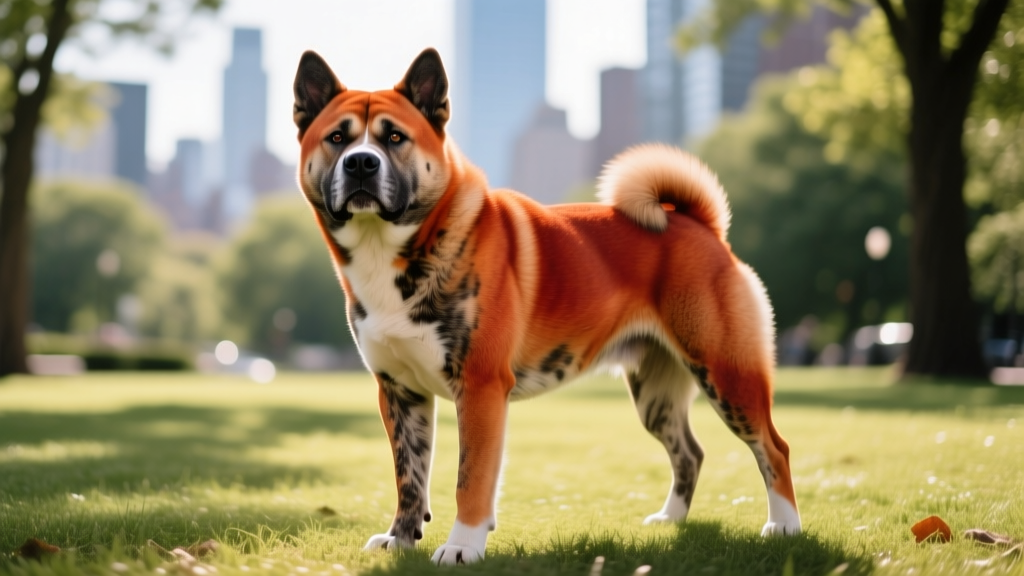
Rottweiler Mixed With Boxer: The Boxweiler Breed Guide
Everything about the Rottweiler mixed with Boxer (Boxweiler): size, temperament, health risks, cost.

If you've encountered a muscular, broad-chested dog with the soulful expression of a Boxer and the commanding presence of a Rottweiler, you've likely met a Boxweiler — the Rottweiler mixed with Boxer. This designer crossbreed pairs two of America's most recognizable working breeds, and the result is a dog that can be an extraordinary companion for the right household. But "right household" is doing heavy lifting in that sentence.
Having worked with dozens of families navigating life with large guardian-type breeds, I'll be direct: the Boxweiler is not a beginner dog. Both parent breeds carry genetic predispositions, behavioral tendencies, and physical power that demand an experienced, committed owner. This guide breaks down everything you need to know — with real numbers, honest assessments, and zero sugarcoating — so you can decide if this mix is the right fit.
Parent Breed Breakdown: Rottweiler Meets Boxer
Understanding any mixed breed starts with understanding its parents. The Boxweiler is a first-generation or multigenerational cross between two purebred working dogs recognized by the American Kennel Club. Here's what each parent brings to the table.
| Trait | Rottweiler | Boxer |
|---|---|---|
| AKC Group | Working | Working |
| Weight Range | 80–135 lb (36–61 kg) | 50–80 lb (23–36 kg) |
| Height at Shoulder | 22–27 in (56–69 cm) | 21.5–25 in (55–64 cm) |
| Lifespan | 9–10 years | 10–12 years |
| Coat | Short, double coat | Short, single coat |
| Energy Level | Moderate to high | High |
| Guardian Instinct | Strong | Moderate |
| Prey Drive | Moderate | Moderate to high |
| Trainability | High (can be stubborn) | Moderate (easily distracted) |
| Common Health Issues | Hip dysplasia, osteosarcoma, aortic stenosis | Cardiomyopathy, hip dysplasia, brachycephalic concerns |
Both breeds were historically used for guarding, driving cattle, and general-purpose work. The Rottweiler traces its lineage to Roman drover dogs that accompanied legions across the Alps, while the Boxer descends from the now-extinct Bullenbeisser, bred in Germany for hunting large game. This shared working-dog heritage means a Boxweiler almost always inherits high intelligence, physical power, and a need for structured activity.
How Big Will a Rottweiler Mixed With Boxer Get?
Size is one of the more predictable aspects of this cross, since both parents are large working breeds. However, the Rottweiler's significantly heavier frame means individual puppies can land anywhere on a wide spectrum depending on which parent they favor.
| Category | Weight | Height (at shoulder) |
|---|---|---|
| Small end (Boxer-dominant) | 55–75 lb (25–34 kg) | 21–24 in (53–61 cm) |
| Average range | 70–100 lb (32–45 kg) | 22–26 in (56–66 cm) |
| Large end (Rottweiler-dominant) | 95–120 lb (43–54 kg) | 25–27 in (64–69 cm) |
Males typically fall toward the upper ranges, females toward the lower. If you're adopting a puppy, ask the breeder for the exact weights of both parents — this gives you the most reliable ceiling estimate. A puppy from a 130-lb Rottweiler sire and an 80-lb Boxer dam will almost certainly exceed 100 lb at maturity.
Most Boxweilers you'll encounter are F1 (first-generation) crosses — one purebred Rottweiler parent and one purebred Boxer parent. This produces the widest trait variation but also the strongest potential for hybrid vigor (more on that below).
F1B Boxweilers (a Boxweiler bred back to one of the parent breeds) are rare but occasionally appear; these tend to look more like the backcross parent. F2 or multigenerational Boxweilers (two Boxweilers bred together) are uncommon because this cross hasn't been established as a standardized designer breed the way Labradoodles have. If a breeder advertises "multigen Boxweilers," ask for documentation — there's no registry tracking these lines the way there is for doodle breeds.
Temperament: What to Expect (and What to Prepare For)
The Boxweiler's temperament is where individual variation becomes most pronounced — and where prospective owners need to plan carefully. Rather than a single personality type, think of it as a spectrum.
Best-Case Scenario
A well-socialized Boxweiler inherits the Boxer's playful, clownish energy and the Rottweiler's calm confidence. These dogs are deeply bonded to their families, patient with children they've been raised alongside, and alert without being reactive. They greet guests with curiosity rather than suspicion and settle calmly in the house after adequate exercise.
Challenging Scenario
An under-socialized or under-exercised Boxweiler can combine the Rottweiler's territorial guarding instinct with the Boxer's high arousal and impulsivity. This creates a dog that is reactive at the fence, difficult to manage on leash around strangers or other dogs, and potentially overwhelming for small children or elderly household members. Resource guarding — where the dog stiffens or growls over food, toys, or sleeping spaces — appears in both parent breeds and can surface in the mix.
| Trait | More Boxer-Like | More Rottweiler-Like | Unpredictable |
|---|---|---|---|
| Energy/Arousal | Bouncy, mouthy, slow to settle | Calm indoors, intense outdoors | Switches unpredictably |
| Stranger Response | Friendly, jumping, excited | Watchful, reserved, standoffish | Varies by context |
| Trainability | Easily distracted, food-motivated | Focuses well, can be willful | Depends on session length |
| Protectiveness | Barks at door, then wags tail | Positions between owner and stranger | Context-dependent |
| Dog Tolerance | Playful but rough | Selective, same-sex aggression possible | Socialization-dependent |
The single most impactful factor in your Boxweiler's temperament is early socialization between 8 and 16 weeks. The AVMA emphasizes that the critical socialization window closes around 14–16 weeks, and puppies that haven't been exposed to diverse people, surfaces, sounds, and other animals during this period are significantly more likely to develop fear-based reactivity. For a dog that can weigh 100+ lb, fear-based reactivity is a management nightmare.
Training Approach
Both parent breeds respond best to positive reinforcement methods — food rewards, play rewards, and praise. Force-free training using counter-conditioning and desensitization protocols is the gold standard for any guarding-breed mix. Avoid aversive tools like shock collars, prong collars, or alpha rolls; these methods increase fear and aggression in dogs with protective instincts. Look for a trainer certified by the Certification Council for Professional Dog Trainers (CCPDT) who uses LIMA (Least Intrusive, Minimally Aversive) methods.
Coat, Shedding, and Grooming Needs
The short answer: No, the Boxweiler is not hypoallergenic and is not low-shedding.
Neither the Rottweiler nor the Boxer carries the low-shedding coat genes found in Poodles or Bichon Frises. Your Boxweiler will have a short, dense coat that falls somewhere between the Boxer's single coat and the Rottweiler's double coat.
- If Boxer coat dominates: Single-layer, very short, minimal undercoat. Moderate year-round shedding with less seasonal blow.
- If Rottweiler coat dominates: Double-layer with a soft undercoat. Moderate shedding year-round with heavy seasonal shedding ("coat blow") in spring and fall lasting 2–4 weeks.
Grooming Routine
Regardless of which coat type your dog inherits, the grooming protocol is straightforward:
- Brushing: 2–3 times per week with a rubber curry brush (like a Kong ZoomGroom, approximately $8–$12) or a bristle brush. During seasonal shedding, upgrade to a deshedding tool like the Furminator Large Short Hair ($35–$45) and brush daily.
- Bathing: Every 6–8 weeks or as needed. Use a gentle oatmeal-based dog shampoo — both breeds can have sensitive skin.
- Nail trimming: Every 3–4 weeks. At 80–100 lb, overgrown nails can cause joint stress and alter gait.
- Ear cleaning: Weekly check and wipe with a vet-approved ear cleanser, especially if the dog inherits the Boxer's semi-floppy ear carriage.
- Dental care: Daily brushing with enzymatic dog toothpaste. Both breeds are prone to periodontal disease, which the Merck Veterinary Manual identifies as the most common clinical condition in adult dogs.
Health Considerations: Hybrid Vigor vs. Reality
Let's address the hybrid vigor myth directly. The concept of heterosis — where crossbred offspring show improved biological function — is real and documented in canine genetics. A study published in the Journal of Veterinary Internal Medicine found that mixed-breed dogs have a modestly lower risk for certain inherited disorders compared to purebreds. However, hybrid vigor does not eliminate health risk. It reduces the probability of inheriting recessive disorders that both parents carry, but it does not protect against conditions that both parent breeds share.
Unfortunately, the Rottweiler and Boxer overlap on several serious health conditions:
| Condition | Rottweiler Risk | Boxer Risk | Boxweiler Concern Level |
|---|---|---|---|
| Hip Dysplasia | High (~20% OFA prevalence) | Moderate (~15%) | High — both parents predisposed |
| Cardiomyopathy (DCM/ARVC) | Moderate (aortic stenosis more common) | High (Boxer cardiomyopathy is breed-specific) | High — Boxer-type ARVC can appear |
| Osteosarcoma (bone cancer) | High (lifetime risk ~12.5%) | Moderate | Elevated — large breed + Rottie genetics |
| Hypothyroidism | Moderate | Low–Moderate | Moderate |
| Gastric Dilatation-Volvulus (Bloat) | Moderate (deep-chested breed) | Moderate (deep-chested breed) | High — both breeds are deep-chested |
| Degenerative Myelopathy | Low–Moderate | Low | Low–Moderate |
Recommended Health Screenings
If you're buying from a breeder, both parent dogs should have:
- OFA or PennHIP hip evaluations (score: Excellent, Good, or Fair — avoid "Moderate" or worse)
- Cardiac evaluation by a veterinary cardiologist (echocardiogram + Holter monitor for Boxer-line ARVC screening)
- Thyroid panel (full thyroid antibody profile)
- Optional but valuable: genetic testing for degenerative myelopathy (DM) via Embark or Wisdom Panel ($150–$200)
Budget approximately $300–$600 per year for preventive veterinary care for a healthy adult Boxweiler, including annual bloodwork, heartworm testing, and vaccinations. If your dog develops hip dysplasia, surgical options like total hip replacement run $5,000–$7,500 per hip. Cardiac workups for suspected cardiomyopathy typically cost $400–$800 for initial diagnostics. These are the financial realities of owning a large-breed dog with these genetic risks.
Emergency Red Flags — Call Your Vet or Emergency Clinic Immediately:
- Unproductive retching or a distended, hard abdomen (possible bloat/GDV — this kills within hours)
- Sudden rear-leg weakness or dragging (possible spinal issue or fibrocartilaginous embolism)
- Collapsing during or after exercise (possible cardiac event)
- Unexplained lameness lasting more than 48 hours in a dog over 5 years old (rule out osteosarcoma)
Always consult your veterinarian for personalized health guidance — this article provides general education, not a diagnosis.
Exercise and Daily Care Requirements
A Boxweiler needs 60–90 minutes of structured physical activity daily, plus mental stimulation. This is not a dog that thrives with a 10-minute backyard potty break and a couch for company.
Sample Daily Exercise Plan
- Morning: 30-minute brisk leash walk (not just sniffing — purposeful movement at 3–4 mph pace)
- Midday: 15–20 minutes of mental work — food puzzle toys (Kong Classic, $12–$16; Outward Hound Nina Ottosson puzzles, $15–$30), scent games, or short training sessions
- Evening: 30–45 minutes of higher-intensity activity — fetch, flirt pole work, swimming (excellent low-impact option for joint health), or structured play with a compatible dog
For puppies under 18 months, keep forced exercise (structured walks, running) limited to approximately 5 minutes per month of age to protect developing growth plates. Free play on soft surfaces is fine.
Nutrition
Feed an AAFCO-approved large-breed formula. For puppies, large-breed puppy food with controlled calcium (1.0–1.5% on a dry matter basis) and caloric density is critical for proper skeletal development. Expect to spend $60–$100 per month on quality food for an adult Boxweiler eating 3.5–5 cups daily, depending on activity level and caloric density of the formula.
Cost: What You'll Actually Spend
Purchase Price
Boxweiler puppies from responsible breeders typically cost $600–$1,500. The lower end ($600–$800) usually reflects hobby breeders who health-test but don't invest heavily in marketing. The higher end ($1,000–$1,500) typically comes from breeders who perform full OFA panels, offer health guarantees, and provide early neurological stimulation (ENS) protocols.
Beware of breeders charging over $2,000 for a Boxweiler — this cross doesn't command doodle-level pricing, and inflated prices often signal someone capitalizing on "designer dog" trends without doing the health-testing work.
Adoption Alternative
Rottweiler and Boxer mixes appear regularly in breed-specific rescues and general shelters. Adoption fees typically range from $150–$400 and usually include spay/neuter, initial vaccinations, and microchipping. Check organizations like Rottweiler Rescue (rottweilerrescue.com) and Boxer Rescue networks — they frequently have mixed-breed dogs that were surrendered due to owners underestimating the commitment.
First-Year Budget Estimate
| Expense | Estimated Cost |
|---|---|
| Puppy purchase or adoption fee | $150–$1,500 |
| Veterinary care (vaccines, spay/neuter, wellness) | $600–$1,200 |
| Food (12 months) | $720–$1,200 |
| Supplies (crate, bed, leash, bowls, toys) | $200–$450 |
| Training classes (group + private sessions) | $300–$800 |
| Pet insurance (optional, recommended) | $480–$900/year |
| Total first year | $2,450–$6,050 |
For a large-breed dog with the Boxweiler's health risk profile, pet insurance from providers like Trupanion, Healthy Paws, or Fetch (formerly Petplan) is worth serious consideration. Monthly premiums for a puppy typically run $40–$75/month depending on deductible and reimbursement level.
Is a Rottweiler Mixed With Boxer Right for Your Household?
After years of watching families succeed and struggle with this type of dog, here's my honest assessment of who thrives with a Boxweiler and who should look elsewhere.
This Mix Suits You If:
- You have prior experience with large, strong breeds (Rottweilers, German Shepherds, Mastiffs, or similar)
- You have a securely fenced yard (minimum 6-foot fence — both breeds are athletic enough to clear shorter barriers, and the Boxer's jumping ability is notable)
- Your household includes adults who can share training, walking, and management responsibilities
- You're committed to 60–90 minutes of daily exercise regardless of weather or schedule
- You're prepared to invest in professional training, especially during the 6–18 month adolescent period when both breeds test boundaries intensely
- Children in the home are over age 8 and have been taught dog-body-language awareness
Consider a Different Breed If:
- This is your first dog
- You live in an apartment or have no fenced outdoor space
- Your household includes toddlers or infants (the dog's size and potential mouthiness create real injury risk)
- You work 10+ hours away from home regularly (separation distress is common in both parent breeds)
- Your local area has breed-specific legislation (BSL) affecting Rottweilers — check your city and county ordinances, as BSL varies significantly by jurisdiction and a Rottweiler mix may be restricted or require special insurance
- You want a low-maintenance, couch-potato companion
Frequently Asked Questions
What two breeds make up the Boxweiler?
The Boxweiler is a cross between a purebred Rottweiler and a purebred Boxer. Most are F1 (first-generation) crosses, though F1B and F2 individuals occasionally appear. There is no official breed registry for this mix.
How big will a Rottweiler mixed with Boxer get?
Most adult Boxweilers weigh between 70–100 lb (32–45 kg) and stand 22–26 inches (56–66 cm) at the shoulder. Dogs that strongly favor the Rottweiler parent can reach 120 lb (54 kg) or more. Ask your breeder for parent weights to estimate your dog's adult size.
What will the temperament be like?
Temperament varies individually. Expect an intelligent, loyal dog with moderate-to-high energy and some guarding instinct. The best outcomes come from intensive early socialization (8–16 weeks), consistent positive-reinforcement training, and adequate daily exercise. Without these, the Boxweiler can develop leash reactivity, territorial behavior, or difficulty settling indoors.
Is the Boxweiler hypoallergenic or low-shedding?
No. Both parent breeds have short, shedding coats. The Boxweiler is a moderate-to-heavy shedder and is not suitable for people with dog allergies. Regular brushing (2–3 times weekly) manages loose hair but does not eliminate shedding.
What health issues might this mix inherit?
The most significant shared risks are hip dysplasia, cardiac conditions (especially Boxer cardiomyopathy/ARVC), osteosarcoma, and gastric dilatation-volvulus (bloat). Responsible breeders screen parent dogs for hip scores and cardiac health. Budget for annual veterinary wellness exams and consider pet insurance.
How much does a Boxweiler puppy cost?
From a responsible breeder, expect to pay $600–$1,500. Adoption through breed-specific rescues typically costs $150–$400. First-year total ownership costs range from approximately $2,450 to $6,050 depending on veterinary needs, training investment, and whether you purchase pet insurance.
Are Boxweilers good with children?
A well-socialized Boxweiler raised alongside children can be gentle and protective. However, due to the dog's size (70–120 lb) and the Boxer's tendency toward mouthy, jumpy play, supervision is essential — especially with children under 8. Teach children to read canine body language and never leave toddlers unsupervised with any large dog.
How long do Boxweilers live?
The typical lifespan is 9–12 years, falling between the Rottweiler's 9–10 year average and the Boxer's 10–12 year average. Maintaining a lean body condition score (BCS 4–5 out of 9), feeding a nutritionally complete diet, and staying current on preventive veterinary care can help maximize your dog's healthy years.
Dr. Hannah Wickes
All our authors care for dogs every day — read more of their work on the authors page.