Japanese Akita Mixed With Pitbull: The Complete Breed Profile
Everything about the Japanese Akita mixed with Pitbull: size, temperament, coat, health risks, costs.
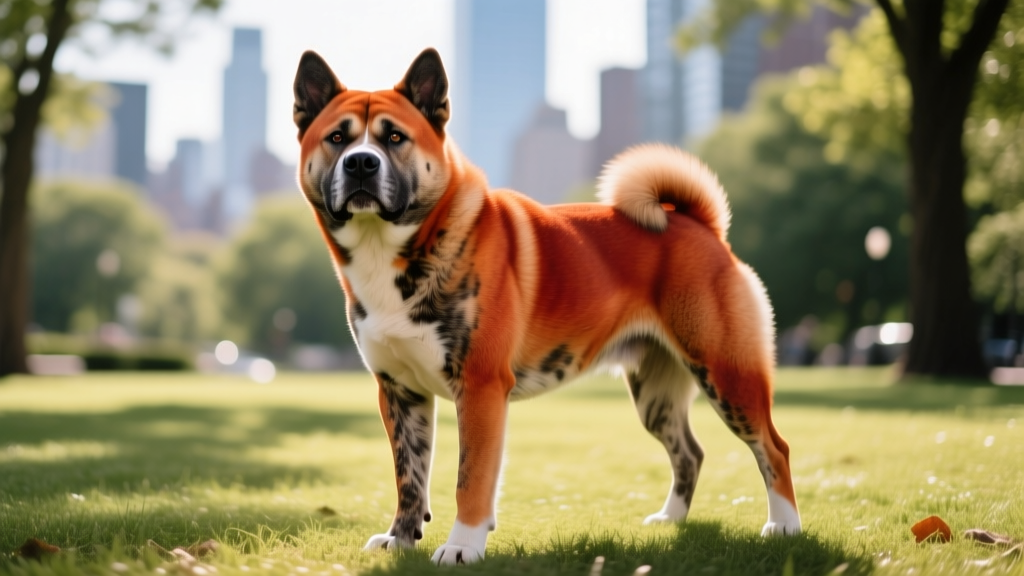
Meet the Akita Pit: A Designer Mix With Serious Pedigree
The Japanese Akita mixed with Pitbull — sometimes called the Akita Pit or Pitakita — is a first-generation cross between two of the most powerful, loyal, and misunderstood breeds in the canine world. This isn't a mix you'll find in every dog park, and that's partly by design. Both parent breeds carry intense personalities, formidable strength, and deep devotion to their families. When combined, the result is a dog that demands an experienced, confident handler who understands canine body language and is committed to structured socialization from day one.
Before you bring one home — whether from a breeder or a rescue — you need a clear picture of what this mix actually entails. Unlike well-established designer breeds like the Goldendoodle, the Akita-Pitbull cross has no breed standard, no multigenerational breeding programs, and significant trait variability from one puppy to the next. What you get is a powerful, intelligent companion that can be extraordinary in the right home and deeply challenging in the wrong one.
Parent Breed Breakdown: What Goes Into This Mix
Understanding the Akita Pit requires looking at both parent breeds individually. Each contributes distinct physical traits, behavioral tendencies, and health predispositions that can surface in any combination in their offspring.
| Trait | Japanese Akita (Akita Inu) | American Pit Bull Terrier |
|---|---|---|
| AKC Group | Working | Not AKC-recognized (UKC: Terrier) |
| Weight Range | 70–130 lb (32–59 kg) | 30–65 lb (14–29 kg) |
| Height | 24–28 in (61–71 cm) | 17–21 in (43–53 cm) |
| Lifespan | 10–13 years | 12–16 years |
| Coat | Double coat, heavy shedding | Short single coat, low shedding |
| Energy Level | Moderate (45–60 min/day) | High (60–90 min/day) |
| Dog Tolerance | Low — same-sex aggression common | Variable — ranges from social to dog-selective |
| Stranger Response | Aloof, reserved, watchful | Often friendly, people-oriented |
| Trainability | Independent, requires patience | Eager to please, responds well to positive methods |
| Origin | Japan — hunting and guardian dog | USA/UK — working and companion terrier |
The Japanese Akita is a large, dignified spitz breed originating from the mountainous regions of northern Japan. Historically used for hunting bears and guarding nobility, the Akita is known for its fierce loyalty (exemplified by the famous Hachikō), quiet demeanor, and strong-willed independence. They are not typically affectionate with strangers and can be seriously aggressive toward dogs of the same sex.
The American Pit Bull Terrier (APBT), recognized by the United Kennel Club but not the AKC, is a medium-sized, muscular terrier bred from bulldog and terrier lines. Despite their reputation, well-socialized APBTs are typically people-friendly, highly trainable, and athletic. However, dog tolerance varies significantly by individual, and many APBTs require careful management in multi-dog households.
How Big Will an Akita-Pitbull Mix Get?
Size is one of the more unpredictable aspects of this cross, primarily because the parent breeds differ substantially in both weight and height. The Akita is a large working breed, while the Pit Bull Terrier is a medium-sized, compact athlete. Most Akita-Pitbull mixes land somewhere between the two, but the range is wide.
| Measurement | Low End | High End | Most Common Range |
|---|---|---|---|
| Weight (Males) | 55 lb (25 kg) | 110 lb (50 kg) | 70–90 lb (32–41 kg) |
| Weight (Females) | 45 lb (20 kg) | 90 lb (41 kg) | 55–75 lb (25–34 kg) |
| Height at Shoulder | 19 in (48 cm) | 26 in (66 cm) | 21–24 in (53–61 cm) |
If the puppy takes more after the Akita parent, expect a heavier, taller dog with a broader chest and thicker bone structure. If the Pit Bull Terrier genes dominate, you'll likely get a more compact, muscular dog with slightly shorter legs. There's no way to predict which parent a specific puppy will favor — even within the same litter, siblings can mature to very different sizes.
At 8 weeks old, you can estimate adult weight using the formula: (weight at 8 weeks × 4) ± 15%. This is a rough guideline and less reliable for mixed breeds than for purebreds, but it gives a ballpark figure for planning crate sizes, food quantities, and fence heights.
Coat, Color, and Grooming: What to Expect
This is where trait variability becomes most visible. The Akita carries a dense double coat — a soft undercoat beneath a coarser outer coat — while the Pit Bull Terrier has a short, stiff single coat with no undercoat. The mix can inherit either, a blend of both, or something in between.
- Akita-dominant coat: Dense double coat, moderate-to-heavy shedding year-round with intense seasonal "blows" in spring and fall. Requires brushing 3–4 times per week with an undercoat rake.
- Pit Bull-dominant coat: Short, smooth single coat, low-to-moderate shedding. Requires brushing 1–2 times per week with a rubber curry brush.
- Blended coat: Medium-length coat with some undercoat density. Moderate shedding, brushing 2–3 times per week.
Color variations are extensive. Akitas come in red, brindle, white, and sesame (with the iconic urajiro — white underbody markings). Pit Bull Terriers appear in nearly every color except merle. Expect combinations including brindle, fawn, red, black, white, and various parti-color or patched patterns.
Is this mix hypoallergenic or low-shedding? No. Neither parent breed is hypoallergenic. Even if the puppy inherits the Pit Bull's shorter coat, both breeds produce typical levels of dander. If you have dog allergies, this mix is not a suitable choice. Shedding will range from moderate to heavy depending on which coat type the dog inherits.
Grooming requirements by coat type:
- Double coat: Budget $40–$65 per professional deshedding session every 6–8 weeks during shedding season, plus daily brushing at home during coat blows. Never shave a double-coated dog — it damages the coat's thermoregulation.
- Short coat: Minimal professional grooming needed. Weekly wipe-downs with a damp cloth and occasional baths (every 6–8 weeks) using an oatmeal-based dog shampoo are sufficient.
- Nail trims: Every 3–4 weeks regardless of coat type. Expect $15–$25 at a groomer, or learn to do it at home with a guillotine-style clipper or a Dremel 7300-PT grinder.
Temperament: Best-Case and Challenging Scenarios
Temperament is the most critical — and most unpredictable — aspect of any mixed breed. With the Akita-Pitbull cross, you're combining two breeds that share some traits (loyalty, strength, intelligence) but differ sharply in others (stranger response, dog tolerance, independence vs. eagerness to please).
Best-Case Temperament Scenario
The ideal Akita Pit inherits the Pit Bull's people-orientation and trainability with the Akita's calm watchfulness. This dog is confident, alert, deeply bonded to its family, reasonably tolerant of strangers after proper introduction, and responsive to positive-reinforcement training. It exercises vigorously for 60–75 minutes daily and settles calmly indoors. It tolerates other dogs in neutral settings but doesn't need a canine companion.
Challenging Temperament Scenario
The more difficult outcome combines the Akita's dog aggression and stranger suspicion with the Pit Bull's tenacity and physical power. This dog may display same-sex dog aggression, resource guarding, barrier frustration, or territorial reactivity. It may be aloof or hostile toward visitors, difficult to redirect once aroused, and resistant to training if it inherits the Akita's independent streak without the Pit Bull's biddability.
With children: Both parent breeds can coexist with children when raised together and properly supervised. However, the Akita's size and the Pit Bull's physicality mean this mix should never be left unsupervised with children under 12. The dog's tolerance for ear-pulling, tail-grabbing, or sudden movements is unpredictable. Families with toddlers or infants should wait until children are older before bringing home this mix.
With other pets: Assume this mix will need careful, structured introductions to other dogs and may never be reliably safe with cats or small animals. The Akita's prey drive and the Pit Bull's terrier heritage both contribute to potential small-animal reactivity. If you have existing pets, consult a certified behaviorist (IAABC-certified) before adding this mix to your household.
Health Considerations: What This Mix May Inherit
There's a persistent myth that mixed-breed dogs automatically benefit from "hybrid vigor" — the idea that crossbreeding eliminates inherited diseases. This is misleading. Hybrid vigor (heterosis) can reduce the risk of recessive disorders that are concentrated within a single breed's gene pool, but it does not protect against conditions that both parent breeds share or against polygenic diseases influenced by multiple genes.
The Akita-Pitbull mix can inherit any condition common to either parent breed. Here are the most significant health risks to discuss with your veterinarian:
| Condition | Inherited From | Prevalence | Screening Test | Estimated Treatment Cost |
|---|---|---|---|---|
| Hip Dysplasia | Both | ~12–17% in Akitas, ~6–10% in APBTs | OFA/PennHIP radiograph ($200–$400) | $1,500–$7,000 per hip (surgical) |
| Hypothyroidism | Akita (higher risk) | ~7–10% in Akitas | Full thyroid panel ($80–$150) | $15–$30/month (lifetime medication) |
| Progressive Retinal Atrophy (PRA) | Akita | ~3–5% in Akitas | CERF/OFA eye exam ($50–$100) | No cure; supportive care |
| Degenerative Myelopathy | Pit Bull lines | Carrier rate varies | DNA test ($65–$85 via Embark/Wisdom Panel) | No cure; mobility support $500–$2,000 |
| Allergies (atopic dermatitis) | Pit Bull (higher risk) | ~15–20% in APBTs | Allergy testing ($250–$500) | $50–$200/month (Apoquel, Cytopoint, immunotherapy) |
| Gastric Dilatation-Volvulus (Bloat) | Akita (deep-chested) | Higher in large, deep-chested breeds | No screening; preventive gastropexy ($300–$800 at spay/neuter) | $2,500–$7,000 (emergency surgery) |
| Sebaceous Adenitis | Akita | ~3–5% in Akitas | Skin biopsy ($150–$300) | $50–$150/month (management) |
According to the AKC's health resources for large breeds, hip dysplasia and bloat are the two most financially impactful conditions to prepare for. If you're purchasing from a breeder, request OFA hip scores and thyroid panels for both parent dogs. A responsible breeder will have these results publicly available on the OFA database.
Preventive care budget: Plan for annual wellness exams ($60–$120), heartworm testing and prevention ($100–$200/year), and a high-quality joint supplement containing glucosamine HCl (minimum 500 mg for dogs 50–75 lb) and chondroitin sulfate starting at 12–18 months of age as a preventive measure for hip and joint health.
Always consult your veterinarian to develop a screening schedule specific to your dog's age, weight, and observed symptoms. Early detection of conditions like hypothyroidism and hip dysplasia significantly improves long-term outcomes.
Generation Types: F1 and Beyond
Unlike established designer breeds (Labradoodles, Goldendoodles) that have progressed to multigenerational breeding programs, the Akita-Pitbull mix exists almost exclusively as F1 (first-generation) crosses. Here's what that means:
- F1 (First Generation): One purebred Akita parent × one purebred Pit Bull Terrier parent. Maximum genetic diversity, but highest trait unpredictability. This is what virtually all Akita-Pitbull mixes are.
- F1B (First-Generation Backcross): An F1 Akita Pit crossed back to one of the parent breeds. Extremely rare for this mix and not part of any known breeding program.
- F2 (Second Generation): Two F1 Akita Pits bred together. Essentially nonexistent for this cross.
- Multigen: Multiple generations of deliberate breeding. Does not exist for the Akita-Pitbull mix.
The practical implication: every Akita-Pitbull puppy is essentially a genetic lottery. You cannot select for specific traits the way you might with a multigenerational Goldendoodle. You're getting a one-of-a-kind dog whose adult size, coat, and temperament won't be fully apparent until 18–24 months of age.
Exercise, Training, and Daily Care Requirements
This is a high-energy, high-intelligence mix that deteriorates quickly without adequate physical and mental stimulation. Plan for a minimum of 60–90 minutes of structured exercise daily, broken into at least two sessions.
Exercise recommendations:
- Morning (30–45 minutes): Brisk leash walk or jog. Use a front-clip harness (such as the Ruffwear Front Range or the 2 Hounds Design Freedom Harness, $30–$45) for dogs that pull — given the potential 70–90 lb weight, leash pulling is a genuine safety issue.
- Afternoon/Evening (30–45 minutes): Structured play (flirt pole sessions, weighted pull with a spring pole — designed for strong breeds), scent work games, or supervised swimming if the dog enjoys water.
- Mental stimulation (15–20 minutes daily): Puzzle feeders (Kong Classic filled with frozen peanut butter, $15; Outward Hound Nina Ottosson puzzles, $15–$30), obedience training drills, or hide-and-seek games.
Training approach: Use only positive-reinforcement and force-free methods. Both parent breeds can be sensitive to harsh handling — the Akita may shut down or become defensively aggressive, and the Pit Bull may become anxious or confused. Reward-based training with high-value treats (freeze-dried liver, boiled chicken) builds trust and cooperation. Never use shock collars, prong collars, or alpha rolls — these methods increase fear-based aggression risk, which is especially dangerous in a powerful breed mix.
Fencing requirements: A minimum 6-foot fence is recommended. Akitas are known jumpers and climbers, and Pit Bulls are athletic enough to scale shorter fences. Avoid invisible/electric fences entirely — they don't contain a determined 80 lb dog and can increase barrier frustration and territorial aggression.
Cost: Purchase Price, Annual Care, and Budget Planning
The Akita-Pitbull mix occupies an unusual space in the designer dog market. It's not a trendy, high-demand cross like a Bernedoodle, so prices tend to be lower — but the lifetime care costs for a large, powerful dog with potential health risks are substantial.
| Expense Category | Estimated Range | Notes |
|---|---|---|
| Puppy from Breeder | $500–$1,500 | Varies by region; health-tested parents cost more |
| Rescue/Adoption Fee | $150–$400 | Breed-specific rescues or general shelters |
| First-Year Veterinary Care | $600–$1,200 | Vaccines, spay/neuter, microchip, baseline tests |
| Annual Ongoing Vet Care | $400–$800/year | Wellness exams, preventives, dental cleanings |
| Food (Premium Large-Breed) | $60–$120/month | Brands like Orijen, Fromm, or Purina Pro Plan Large Breed |
| Training (First Year) | $300–$800 | Group classes + potential private sessions |
| Pet Insurance | $50–$90/month | Recommended given breed health risks |
| Gear (Initial Setup) | $200–$400 | Crate (42–48 in), harness, leash, bed, bowls |
| Estimated First-Year Total | $2,800–$6,500+ | Excluding emergency veterinary care |
Breeder vs. rescue: Dedicated Akita-Pitbull breeders are rare. Most puppies come from accidental litters or casual breeders who may not health-test parent dogs. If you go the breeder route, insist on seeing OFA hip and thyroid clearances for both parents, a written health guarantee, and a take-back clause. Alternatively, Akita rescues and Pit Bull rescues (such as ASPCA-affiliated shelters) occasionally have mixed-breed dogs available. Rescue dogs may come with unknown histories, so budget for a behavioral assessment ($75–$150 with a certified behavior consultant) within the first month.
Who Is This Mix Best Suited For?
After working with dozens of owners of powerful breed mixes, I can say with confidence that the Akita-Pitbull cross thrives in a very specific type of household — and struggles in others.
This mix is a strong fit if you:
- Have 2+ years of experience handling strong-willed, powerful breeds (not a first-time dog owner breed)
- Have a securely fenced yard (minimum 6-foot fence) and space for a 70–90 lb dog
- Can commit 60–90 minutes daily to structured exercise and 15–20 minutes to training
- Have no small children (under age 10–12) or small pets in the household
- Understand canine body language and can recognize early signs of stress, arousal, and reactivity
- Live in an area without breed-specific legislation (BSL) targeting Pit Bull-type dogs — check your local ordinances, as regulations vary by municipality
- Are prepared for potential pet insurance exclusions or higher premiums related to both parent breeds
This mix is NOT a good fit if you:
- Are a first-time dog owner
- Live in an apartment with shared walls and no private yard
- Work 10+ hour days away from home with no dog walker or daycare option
- Have multiple existing dogs, especially same-sex dogs
- Want a reliably friendly, social dog that welcomes all strangers and dogs
- Cannot commit to ongoing training beyond puppy classes
The Akita-Pitbull mix is not a dog you can put on autopilot. It requires deliberate management, consistent boundaries, and a handler who views training as a lifelong practice rather than a box to check at 6 months. For the right owner, it can be a profoundly loyal, impressive, and rewarding companion. For the wrong situation, it becomes a liability — and the dog pays the price.
Frequently Asked Questions
What two breeds make up the Akita-Pitbull mix?
The Japanese Akita (Akita Inu) and the American Pit Bull Terrier (APBT). Some mixes may involve the American Akita rather than the Japanese Akita Inu — the American Akita is larger, heavier, and accepts more coat colors under its breed standard. Always confirm which Akita type was used if you're working with a breeder.
How big will my Akita-Pitbull mix get?
Most adults land between 55–110 lb (25–50 kg) and 19–26 inches (48–66 cm) at the shoulder, with the majority falling in the 70–90 lb range for males and 55–75 lb for females. There is significant individual variability, and you won't know the final size until the dog is approximately 18 months old.
What will the temperament be like?
Unpredictable in specifics, but generally: loyal, alert, intelligent, and strong-willed. Expect some combination of the Akita's reserved watchfulness and the Pit Bull's people-orientation. Dog tolerance is a genuine concern — plan for the possibility that your dog may not be reliably safe with other dogs, especially same-sex dogs. Early and ongoing socialization is critical.
Is this mix hypoallergenic or low-shedding?
No. Neither parent breed is hypoallergenic. Shedding ranges from moderate (Pit Bull-dominant coat) to heavy (Akita-dominant double coat). If allergies are a concern, this is not a suitable mix.
What health issues might this mix inherit?
The primary concerns are hip dysplasia (from both parents), hypothyroidism and sebaceous adenitis (Akita), allergies and degenerative myelopathy (Pit Bull), and bloat risk due to deep-chested build. Request health clearances from breeders and establish a preventive screening schedule with your veterinarian. Pet insurance is strongly recommended — comprehensive policies from providers like Trupanion or Healthy Paws typically run $50–$90/month for large breeds.
How much does this designer mix cost?
Puppies from breeders typically range from $500–$1,500, while rescue adoption fees run $150–$400. The realistic first-year total cost (including veterinary care, food, training, gear, and insurance) is $2,800–$6,500+, with ongoing annual costs of $1,500–$3,000 for food, veterinary care, insurance, and supplies.
Are Akita-Pitbull mixes good guard dogs?
Both parent breeds have guarding instincts, and the mix will likely be naturally alert and protective of its home and family. However, deliberate guard dog training is not recommended — it amplifies reactivity in an already powerful dog. A well-socialized Akita Pit will be a natural deterrent through its presence and alertness without requiring protection training.
Can I find an Akita-Pitbull mix in a rescue?
Yes. Because both parent breeds are overrepresented in shelters (Pit Bull-type dogs especially), mixed-breed dogs with Akita and Pit Bull ancestry appear regularly in rescue systems. Check breed-specific rescues (Akita Rescue of America, national Pit Bull rescue networks) and local shelters. Use Petfinder.com to search by breed mix criteria in your area.
Anouk Beaumont
All our authors care for dogs every day — read more of their work on the authors page.


