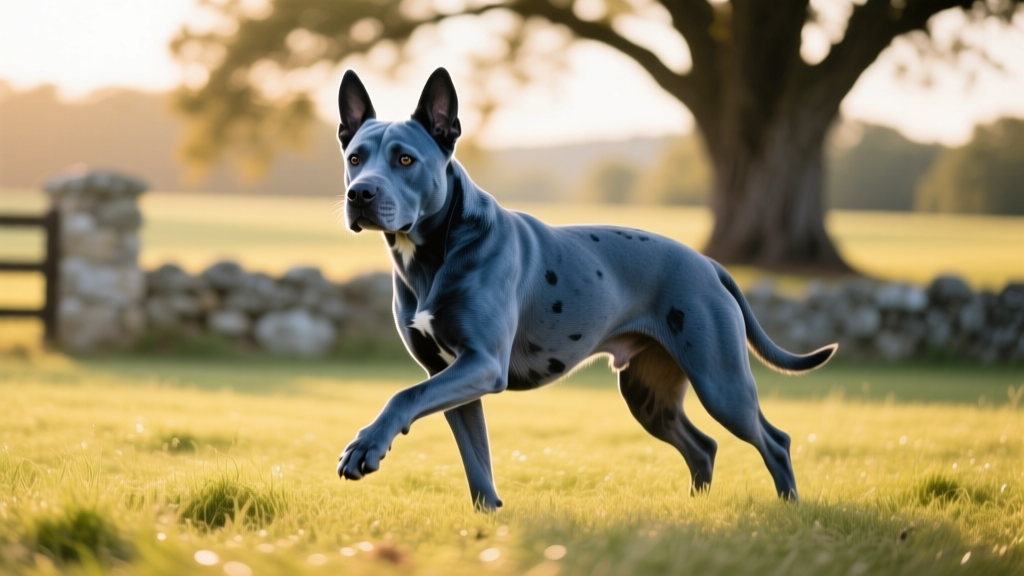
Rottweiler Mix Husky Dog: The Rottsky Breed Profile & Care Guide
Everything about the Rottweiler mix Husky dog (Rottsky): size, temperament, coat types, health risks, cost.

What Is a Rottweiler Mix Husky Dog?
The Rottweiler mix Husky dog — most commonly called the Rottsky — is a first-generation or multigenerational cross between a Rottweiler and a Siberian Husky. This designer mix combines two working-line breeds with dramatically different drives: the Rottweiler's guarding instinct and the Husky's prey-chasing, pack-running energy. The result is a large, athletic dog that demands an experienced owner who understands both breeds' needs.
Rottskies are not recognized by the American Kennel Club (AKC) as a distinct breed, but they are registered through designer breed organizations like the Designer Breed Registry (DBR) and the International Designer Canine Registry (IDCR). Most Rottskies available are F1 (first-generation) crosses, meaning predictability of traits is limited. If you're researching this mix, understanding what each parent breed contributes — and where variation is widest — is essential before committing.
Parent Breed Breakdown: Rottweiler vs. Siberian Husky
To understand what a Rottweiler mix Husky dog might inherit, you need to know what each parent breed brings to the table. These two breeds diverge significantly in origin, function, and temperament.
| Trait | Rottweiler | Siberian Husky |
|---|---|---|
| Origin | Germany — Roman drover dog lineage, refined in Rottweil for cattle driving and cart pulling | Northeastern Siberia — bred by the Chukchi people as endurance sled dogs |
| AKC Group | Working Group | Working Group |
| Typical Weight | 80–135 lb (36–61 kg) | 35–60 lb (16–27 kg) |
| Typical Height | 22–27 in (56–69 cm) | 20–24 in (51–61 cm) |
| Coat | Short, dense double coat; moderate shedding | Medium-length double coat; heavy seasonal shedding ("blowing coat") |
| Energy Level | Moderate to high; bursts of activity, enjoys lounging between sessions | Very high; bred for sustained endurance running |
| Primary Drive | Guarding, loyalty to family, territorial awareness | Pack running, prey chase, environmental exploration |
| Vocalization | Low to moderate; deep bark when alerting | High; howling, "talking," whining |
| Trainability | High; responds well to structured, consistent training | Moderate; intelligent but independent, lower obedience motivation |
| Lifespan | 9–10 years | 12–14 years |
The Rottweiler contributes bone density, guarding instinct, and a calmer baseline between activities. The Husky contributes endurance, vocalization, cold tolerance, and a strong prey drive. Where these traits land in any individual Rottsky is a genetic lottery.
Understanding Generations: F1, F1B, F2, and Multigen Rottskies
- F1 (First Generation): One purebred Rottweiler × one purebred Siberian Husky. Maximum genetic diversity. Most unpredictable in appearance and temperament. This is the most common Rottsky type.
- F1B (First Generation Backcross): An F1 Rottsky bred back to one of the parent breeds (usually the Rottweiler for size or the Husky for coat). Slightly more predictable toward the backcrossed parent's traits.
- F2 (Second Generation): Two F1 Rottskies bred together. Greater trait variation than F1B because recessive genes from both breeds can recombine unpredictably.
- Multigen (F3+): Rottskies bred to Rottskies across multiple generations. Rare for this mix — most breeders don't maintain Rottsky lines beyond F1 or F1B. True multigen lines would show slightly more consistency, but this is uncommon.
Unlike Poodle-based designer breeds (Goldendoodles, Labradoodles), the Rottweiler mix Husky dog has not been developed into stable multigen lines. Most Rottskies you'll encounter are F1 crosses. This matters because it means you cannot reliably predict coat type, adult size, or temperament from looking at the parents alone.
Size Range: How Big Will a Rottsky Get?
The size gap between parent breeds creates one of the widest variability ranges in any designer mix. A Rottsky can fall anywhere along this spectrum depending on which parent's growth genes dominate.
| Category | Weight | Height at Shoulder |
|---|---|---|
| Small end (Husky-dominant) | 45–65 lb (20–29 kg) | 20–23 in (51–58 cm) |
| Average range | 65–95 lb (29–43 kg) | 22–25 in (56–64 cm) |
| Large end (Rottweiler-dominant) | 95–120 lb (43–54 kg) | 25–27 in (64–69 cm) |
Males trend toward the upper ranges; females toward the lower. However, an F1 litter can produce pups spanning the entire range. If size matters for your living situation — apartment weight limits, vehicle space, or children's safety — ask the breeder for the specific parents' weights and expect the puppy to land somewhere between the smaller and larger parent.
According to growth data compiled in the Merck Veterinary Manual, large-breed crosses typically reach 75% of adult weight by 6 months and full adult size by 14–18 months. Feed a large-breed puppy formula to manage growth rate and reduce joint stress.
Coat Types, Shedding, and Grooming Needs
The Rottsky coat is one of the most variable traits in this mix. Here are the realistic possibilities:
- Short, dense coat (Rottweiler-inherited): Sleek, flat-lying hair approximately 1 inch long. Moderate year-round shedding with seasonal increases. Low grooming demand — weekly brushing with a rubber curry brush or bristle brush suffices.
- Medium-length double coat (Husky-inherited): Softer, fuller coat 1.5–2.5 inches long with a dense undercoat. Heavy shedding year-round with intense "coat blowing" episodes twice yearly (spring and fall). Requires brushing 3–5 times per week with an undercoat rake and slicker brush.
- Intermediate coat: A blend — slightly longer than a Rottweiler's but not as full as a Husky's. Moderate to heavy shedding. Brushing 2–3 times per week.
Is the Rottweiler mix Husky dog hypoallergenic or low-shedding? No. Neither parent breed is hypoallergenic. Both are double-coated shedders. If allergies are a concern in your household, this mix is not a suitable choice. Expect dog hair on furniture, clothing, and in your vehicle regardless of which coat type your Rottsky inherits.
- Short coat: Kong ZoomGroom rubber brush ($8–$12), Safari bristle brush ($10–$15)
- Medium/long coat: Furminator deShedding tool for large dogs ($35–$45), Chris Christensen undercoat rake ($20–$30)
- All coat types: Nail trimming every 3–4 weeks; ear cleaning weekly if ears are floppy (Rottweiler-type), biweekly if erect (Husky-type)
Never shave a Rottsky. The double coat provides insulation against both heat and cold. Shaving disrupts the coat's thermoregulation and can cause permanent patchy regrowth, especially in Husky-influenced coats.
Temperament: What to Expect From a Rottsky
Temperament is where the Rottweiler mix Husky dog presents the widest behavioral range — and the most risk for unprepared owners. Both parent breeds are strong-willed, high-drive working dogs. The combination requires deliberate socialization and training from 8 weeks of age onward.
Best-Case Temperament Scenario
A well-socialized Rottsky from stable parentage can be loyal, alert, playful, and affectionate with family. They may show the Rottweiler's calm confidence at home combined with the Husky's enthusiasm for outdoor activity. These dogs excel at hiking, cart pulling, agility, and structured play. They tend to bond deeply with their primary caregivers and can be gentle with children they're raised alongside.
Challenging Temperament Scenarios
Less predictable outcomes include:
- High prey drive + guarding instinct: A Rottsky that chases cats, joggers, or bicycles (Husky prey drive) while also showing territorial aggression toward unfamiliar dogs or visitors (Rottweiler guarding). This combination requires professional behaviorist intervention.
- Stubborn independence + low food motivation: Husky-dominant Rottskies may inherit the Husky's lower obedience drive, making recall and leash training difficult. This is especially dangerous in a 80+ lb dog.
- Separation distress: Both breeds are prone to separation anxiety. A Rottsky left alone for 8+ hours daily may develop destructive behaviors — chewing drywall, destroying furniture, or persistent howling.
- Same-sex dog aggression: Rottweilers can show same-sex aggression; Huskies can be dog-selective. A Rottsky may not tolerate other dogs of the same sex in the household.
Exercise Requirements
Plan for 60–90 minutes of structured activity daily, including:
- Two 30-minute leash walks minimum
- Off-leash running in a secure area (fenced yard 6+ feet tall — Huskies are escape artists and climbers)
- Mental stimulation: puzzle feeders, nose work, obedience training sessions
- Cold-weather activities are preferred; limit intense exercise above 80°F (27°C) if your Rottsky has a Husky-type coat
Health Considerations: Inherited Conditions From Both Parents
Let's address a common myth first: hybrid vigor does not eliminate health risks in designer mixes. While crossbreeding can reduce the incidence of recessive conditions that are fixed within a single breed's gene pool, a Rottsky can inherit any condition that affects either parent breed. The concept of "hybrid vigor" (heterosis) provides a modest statistical advantage for some traits, but it is not a health guarantee. Responsible breeding requires health screening of both parent dogs.
Conditions Inherited Primarily From the Rottweiler Side
- Hip dysplasia: Prevalence in Rottweilers estimated at 20%+ based on Orthopedic Foundation for Animals (OFA) data. Causes progressive joint laxity and arthritis. Surgical costs: $3,500–$7,000 per hip for total hip replacement.
- Elbow dysplasia: Common in large breeds; Rottweilers show above-average prevalence. Can require arthroscopic surgery ($1,500–$3,000).
- Aortic stenosis (SAS): A congenital heart defect. Rottweilers are among the most predisposed breeds. Screening via echocardiogram ($300–$500).
- Osteosarcoma: Rottweilers have one of the highest rates of bone cancer among all breeds. Median onset: 7–9 years. Treatment (amputation + chemotherapy): $5,000–$10,000+.
Conditions Inherited Primarily From the Husky Side
- Progressive retinal atrophy (PRA): Genetic eye disease causing eventual blindness. DNA tests available ($65–$150).
- Corneal dystrophy: Husky-predisposed; causes corneal opacity. Managed with veterinary ophthalmologist monitoring.
- Hip dysplasia: Also present in Huskies, though at lower rates than Rottweilers.
Conditions Both Breeds Share
- Hip and elbow dysplasia
- Hypothyroidism: Autoimmune thyroid disease; managed with daily levothyroxine ($15–$30/month)
- Allergies (atopic dermatitis): Environmental and food allergies; management varies widely in cost ($50–$300/month for medications like Apoquel or Cytopoint injections)
- OFA or PennHIP hip certification for both parents
- OFA elbow certification
- OFA cardiac evaluation (echocardiogram)
- CERF/OFA eye examination (annual)
- PRA DNA test results
Lifespan Expectancy
Rottskies typically live 10–13 years. This falls between the Rottweiler's shorter lifespan (9–10 years) and the Husky's longer one (12–14 years). Individual lifespan depends heavily on size (larger dogs age faster), diet, exercise, and inherited health conditions.
Cost: What Does a Rottweiler Mix Husky Dog Cost?
| Expense | Estimated Cost |
|---|---|
| Puppy from a responsible breeder (health-tested parents) | $800–$2,000 |
| Adoption from rescue/shelter | $150–$400 |
| First-year veterinary care (vaccines, spay/neuter, screening) | $800–$1,500 |
| Annual ongoing veterinary care | $500–$900 |
| High-quality large-breed food (annual) | $600–$1,000 |
| Training (group classes + private sessions) | $300–$800 |
| Pet insurance (monthly premium) | $45–$90/month |
| Grooming supplies/tools (one-time) | $50–$100 |
Breeder vs. rescue: Rottskies occasionally appear in breed-specific rescues (Rottweiler rescues, Husky rescues) and general large-breed rescues. Adoption is a viable path and often includes initial veterinary care. If purchasing from a breeder, expect to wait on a waitlist — reputable breeders producing health-tested designer litters are uncommon for this specific cross.
Avoid pet stores, online marketplaces with multiple litters listed, or breeders who cannot show health testing documentation. These sources often supply puppies from puppy mills or backyard breeders where hip dysplasia and temperament issues are prevalent.
Who Should (and Shouldn't) Get a Rottsky?
This mix suits you if:
- You have prior experience with large, strong working breeds (Rottweilers, German Shepherds, Huskies, Malinois)
- You can commit to 60–90 minutes of daily exercise regardless of weather
- You have a securely fenced yard (6-foot fence minimum, with dig-proofing at the base)
- You're home most of the day or can arrange midday breaks — these dogs do poorly with 8+ hour isolation
- You're willing to invest in professional training during the first 12–18 months
- You understand and accept trait unpredictability in mixed breeds
This mix is a poor fit if:
- You're a first-time dog owner — the combination of guarding instinct, prey drive, and size makes this a challenging dog for novices
- You live in an apartment with breed or weight restrictions — many complexes restrict Rottweiler-type dogs, and a full-grown Rottsky may exceed weight limits
- You have small pets (cats, rabbits, small dogs) — the Husky prey drive is a serious risk
- You want a low-shedding or hypoallergenic dog
- You prefer a low-energy companion who's content with short walks
Family considerations: Rottskies can do well with children they're raised with, but the dog's size (potentially 100+ lb) and the Rottweiler's herding/guarding instincts mean interactions with young children should always be supervised. Teach children not to approach the dog while eating or sleeping. This mix is best suited to families with children aged 8+ who can participate in the dog's training and exercise routine.
Frequently Asked Questions
What two breeds make up the Rottsky?
A Rottsky is a cross between a purebred Rottweiler and a purebred Siberian Husky. Some F1B or multigen Rottskies may have one or both parents that are themselves Rottskies, but the foundational breeds are always these two.
How big will a Rottweiler mix Husky dog get?
Adult weight ranges from 45 lb (20 kg) on the small Husky-dominant end to 120 lb (54 kg) on the large Rottweiler-dominant end. Most fall in the 65–95 lb (29–43 kg) range. Height typically ranges from 20–27 inches (51–69 cm) at the shoulder.
What will the temperament be like?
Temperament is the most unpredictable trait. Expect a blend of loyalty and alertness (Rottweiler) with energy and independence (Husky). Early socialization (8–16 weeks) is critical. Some Rottskies are gentle family dogs; others show strong guarding or prey drive that requires professional management.
Is the Rottsky hypoallergenic or low-shedding?
No. Both parent breeds are double-coated shedders. Rottskies shed moderately to heavily year-round and will "blow" their undercoat seasonally. This mix is not suitable for allergy-sensitive households.
What health issues might a Rottsky inherit?
Key risks include hip dysplasia, elbow dysplasia, aortic stenosis, osteosarcoma (from the Rottweiler side), progressive retinal atrophy, and corneal dystrophy (from the Husky side). Both breeds are prone to hypothyroidism and allergies. Request OFA health clearances from breeders and consult your veterinarian about breed-appropriate screening.
How much does a Rottweiler mix Husky dog cost?
Expect $800–$2,000 from a responsible breeder with health-tested parents. Adoption through rescues typically costs $150–$400. First-year total costs (purchase + veterinary + supplies + training) run $2,500–$5,000 depending on your location and the puppy's health needs.
Are Rottskies aggressive?
Rottskies are not inherently aggressive, but they can inherit guarding instincts (Rottweiler) and high prey drive (Husky). Without proper socialization and training, these traits can manifest as reactivity toward strangers, other dogs, or small animals. Positive reinforcement training and early, varied socialization are essential. Breed-specific legislation (BSL) in some jurisdictions may restrict Rottweiler-type dogs — check your local laws before adopting or purchasing.
Can Rottskies live in hot climates?
They can, but require management. Husky-influenced Rottskies with thick double coats are heat-sensitive. Provide air conditioning, avoid exercise during peak heat (10am–4pm), and ensure constant access to fresh water and shade. Watch for heatstroke signs: excessive panting, drooling, lethargy, collapse. If you suspect heatstroke, cool the dog with lukewarm (not ice-cold) water and contact your veterinarian immediately.
Beth Carrasco
All our authors care for dogs every day — read more of their work on the authors page.