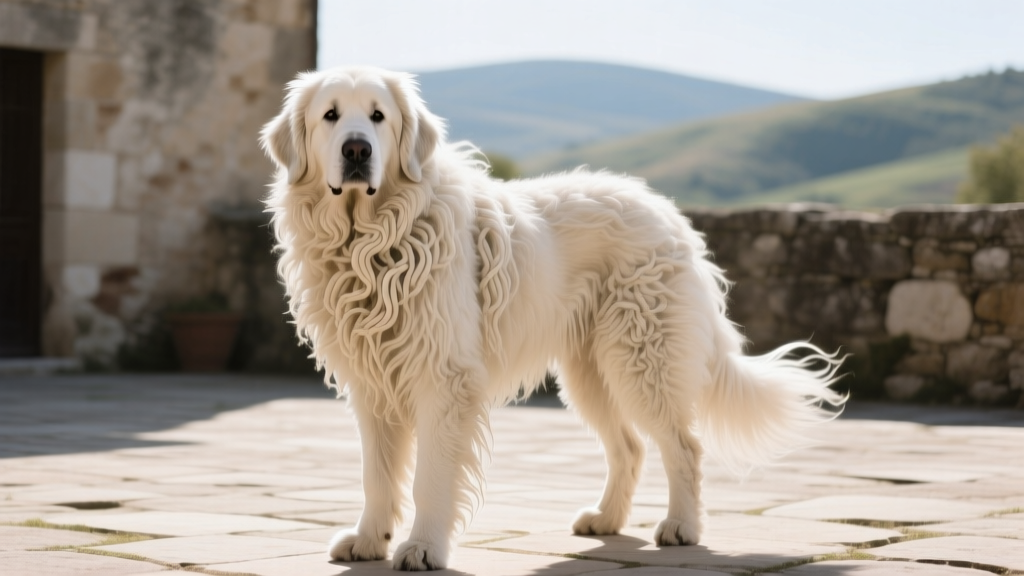
Rottweiler Mix Great Dane: The Ultimate Giant Breed Guide
Everything about the Rottweiler mix Great Dane: size, temperament, health risks, cost, and whether this giant designer cross fits your lifestyle.

The Rottweiler mix Great Dane — sometimes called a "Rott Dane" or "Great Rottie" — is one of the most physically imposing designer crosses you'll encounter. Combining two of the tallest, most powerful breeds in the working group, this mix produces dogs that routinely exceed 120 pounds and stand well over 28 inches at the shoulder. But beyond the sheer size, prospective owners need to understand the significant variability inherent in crossing two genetically distinct breeds, the real health risks both parents carry, and the lifestyle commitment a dog this large demands.
This guide breaks down everything we know about the Rottweiler-Great Dane cross, drawing on breed standards, veterinary data, and real-world owner experiences to give you an honest picture — not a sales pitch.
Parent Breed Breakdown: Rottweiler Meets Great Dane
Before predicting what a Rottweiler-Great Dane mix might look or act like, you need to understand the two foundation breeds. Both are recognized by the American Kennel Club and have well-documented breed standards, but they differ significantly in build, temperament, and health profiles.
| Trait | Rottweiler | Great Dane |
|---|---|---|
| AKC Group | Working | Working |
| Weight Range | 80–135 lb (36–61 kg) | 110–175 lb (50–79 kg) |
| Height | 22–27 in (56–69 cm) | 28–32 in (71–81 cm) |
| Lifespan | 9–10 years | 7–10 years |
| Coat | Short, dense double coat | Short, smooth single coat |
| Energy Level | Moderate-high | Moderate |
| Guarding Instinct | Strong | Moderate (alert but less territorial) |
| Trainability | High (eager, focused) | Moderate (willing but can be stubborn) |
| Primary Health Risks | Hip dysplasia, osteosarcoma, aortic stenosis | Dilated cardiomyopathy, bloat (GDV), hip dysplasia |
Both breeds originated in Germany and share working-dog heritage — the Rottweiler as a drover and guard dog, the Great Dane as a boar hunter and estate protector. This shared lineage means some traits (loyalty, confidence, protectiveness) are likely to appear in the mix, but the expression and intensity of those traits will vary individual to individual.
Understanding Generations: F1, F1B, and Beyond
F1 (First Generation): A direct cross between a purebred Rottweiler and a purebred Great Dane. This is the most common generation for this mix. F1 puppies inherit one set of genes from each parent, resulting in maximum genetic diversity but unpredictable trait expression — one puppy may look almost entirely Rottweiler while a littermate favors the Dane.
F1B (First Generation Backcross): An F1 Rottweiler-Great Dane mix bred back to one of the parent breeds. This is rare for this particular cross and usually done accidentally or by inexperienced breeders. An F1B backcrossed to a Rottweiler will be stockier and more guarding-oriented; backcrossed to a Dane, taller and leaner.
F2 (Second Generation): Two F1 Rottweiler-Great Dane mixes bred together. This produces the widest variation in size, coat, and temperament — essentially a genetic lottery. F2 litters are uncommon because most breeders of this cross don't maintain multigenerational programs.
Multigen (F3+): Virtually nonexistent for this cross. Unlike Poodle mixes (Labradoodles, Goldendoodles), the Rottweiler-Great Dane cross has no established multigenerational breeding community. If someone claims to sell a "multigen Rott Dane," ask for documented pedigree proof.
For most buyers, you'll encounter F1 puppies — and that's generally fine. The key point is that F1 doesn't guarantee uniformity. Even within a single F1 litter, expect significant variation between individual puppies.
Size, Build, and Physical Appearance
This is where the Rottweiler-Great Dane mix earns its reputation. These are genuinely massive dogs, and you need to plan your living space, vehicle, and budget accordingly.
| Measurement | Low End | High End | Notes |
|---|---|---|---|
| Weight (male) | 100 lb (45 kg) | 165 lb (75 kg) | Depends on which parent's frame dominates |
| Weight (female) | 85 lb (39 kg) | 140 lb (64 kg) | Females typically 15–20% smaller |
| Height at shoulder | 25 in (64 cm) | 31 in (79 cm) | Dane-influenced dogs trend taller |
| Body length | 35 in (89 cm) | 44 in (112 cm) | Measured nose to tail base |
Build variability: Some individuals inherit the Rottweiler's stocky, muscular frame with a broad chest and heavier bone structure. Others get the Great Dane's leaner, more athletic build with longer legs and a narrower frame. Many fall somewhere in between — a tall, substantial dog with moderate muscling. You cannot predict which build a puppy will develop until they're at least 4–6 months old, and even then, they'll continue growing until 18–24 months.
Head and face: Expect a broad skull with some degree of jowling. The muzzle is typically medium-length — shorter than a Dane's but longer than a Rottweiler's. Ear set varies: some inherit the Dane's high-set, folded ears; others get the Rottweiler's triangular, pendant ears. Many owners opt to leave ears natural rather than cropping.
Coat Type and Color Possibilities
Both parent breeds have short coats, so the mix will almost certainly have a short, dense coat. However, the Rottweiler carries genes for a double coat (a softer undercoat beneath the guard hairs), while the Great Dane has a single coat. The mix may inherit either:
- Single coat (Dane-dominant): Sleek, smooth, minimal undercoat. Easier grooming but less cold-weather tolerance.
- Double coat (Rottweiler-dominant): Denser with a noticeable undercoat, especially around the neck and hindquarters. More shedding, better insulation.
Colors you might see: Black and tan/mahogany (classic Rottweiler pattern), fawn, brindle, black, blue (dilute black from the Dane side), harlequin (if the Dane parent carried the merle/harlequin genes — rare but possible), and mantle. Solid black or fawn with black masking are common outcomes.
Is this mix hypoallergenic? No. Neither parent breed is hypoallergenic, and the mix sheds moderately year-round with heavier seasonal shedding if it inherits the double coat. People with dog allergies should not choose this cross.
Temperament: What to Expect (and What Might Surprise You)
Temperament is the most variable — and most important — aspect of any mixed breed. With the Rottweiler-Great Dane cross, you're combining two confident, large breeds with different behavioral tendencies, and the result exists on a spectrum.
Best-Case Scenario
- Calm, confident demeanor inherited from both breeds
- Strong loyalty and bonding with family members
- Alert and watchful without excessive barking
- Good with children when properly socialized from puppyhood
- Eager to work with handlers during training sessions
- Gentle giant behavior indoors despite large size
Challenging Scenario
- Strong guarding instincts from Rottweiler side directed at strangers or visitors
- Same-sex dog aggression (common in both breeds, especially males)
- Stubbornness or disengagement during training (Dane influence)
- Separation anxiety or destructive behavior when under-stimulated
- Prey drive toward smaller animals
- Leash reactivity due to size and confidence
The socialization window is critical. According to the AVMA, puppies have a primary socialization period between 3 and 14 weeks. For a dog that could grow to 150+ pounds, missing this window can create serious management challenges. A poorly socialized Rottweiler-Great Dane mix is not a dog you can easily redirect with a leash correction — their physical power demands that behavioral foundations be established early and maintained consistently.
Training approach: Use positive reinforcement methods exclusively — high-value food rewards, play motivation, and marker-based training. Both breeds respond well to food motivation (especially Rottweilers), and force-free methods build trust rather than confrontation. Given the dog's eventual size, leash manners and reliable recall should be priorities from 8 weeks onward. Consider enrolling in a structured puppy class by 10–12 weeks (after initial vaccinations).
Health Considerations: Hybrid Vigor vs. Reality
Let's address a persistent myth directly: the idea that mixed breeds automatically enjoy "hybrid vigor" and are free from the health problems of their parent breeds. This is misleading and potentially dangerous when it comes to a cross like the Rottweiler-Great Dane mix, because both parent breeds carry serious, well-documented genetic health risks — many of which are shared.
Hybrid vigor (heterosis) can reduce the risk of recessive genetic conditions that require two copies of a defective gene. But many of the conditions affecting these breeds are polygenic (involving multiple genes) or have complex inheritance patterns where crossbreeding offers limited protection.
| Condition | Source Breed | Prevalence | Screening Method |
|---|---|---|---|
| Hip dysplasia | Both | ~20% of Rottweilers, ~12% of Great Danes (OFA data) | OFA/PennHIP radiographs at 24 months |
| Dilated cardiomyopathy (DCM) | Great Dane (primarily) | Up to 25% of Great Danes affected | Annual echocardiogram by veterinary cardiologist |
| Gastric dilatation-volvulus (bloat/GDV) | Both (deep-chested breeds) | Great Danes: ~40% lifetime risk; Rottweilers: elevated risk | Prophylactic gastropexy recommended — discuss with your veterinarian |
| Osteosarcoma (bone cancer) | Rottweiler (primarily) | Rottweilers: 12.6% lifetime risk (per Purdue University study) | No screening test; monitor for lameness |
| Aortic stenosis | Rottweiler | ~5–6% of Rottweilers | Cardiac auscultation and echocardiogram |
| Hypothyroidism | Both | Moderate prevalence in both breeds | Annual thyroid panel (T4, free T4, TSH) |
| Wobbler syndrome (cervical spondylomyelopathy) | Great Dane | Great Danes are among the top 3 predisposed breeds | MRI if neurological symptoms appear |
What responsible breeders should provide: Both parent dogs should have OFA hip scores (Excellent, Good, or Fair — not Borderline or worse), cardiac clearance from a boarded cardiologist, and thyroid panels. Ask for documentation, not verbal assurances. The Orthopedic Foundation for Animals maintains a public database where you can verify health testing results by dog name or registration number.
Both Rottweilers and Great Danes are deep-chested breeds at high risk for gastric dilatation-volvulus (GDV), a life-threatening emergency where the stomach fills with gas and twists. Call your veterinarian or emergency clinic immediately if you observe:
- Distended or swollen abdomen
- Unproductive retching (trying to vomit but nothing comes up)
- Restlessness, pacing, inability to settle
- Excessive drooling
- Rapid, shallow breathing
- Collapse or weakness
GDV is fatal without surgical intervention. Discuss prophylactic gastropexy (surgically tacking the stomach to the abdominal wall) with your veterinarian — this procedure, often done during spay/neuter, reduces GDV risk by over 80% and is strongly recommended for this cross.
Care Requirements: Feeding, Exercise, and Grooming
Nutrition and Feeding Costs
A dog this size eats — a lot. Budget for the following:
- Daily food intake: 4–7 cups of high-quality large-breed kibble per day for an adult, depending on weight and activity level. Look for an AAFCO statement confirming the food is formulated for large-breed growth (if feeding a puppy) or adult maintenance.
- Monthly food cost: $80–$160 depending on brand. Premium large-breed formulas (e.g., Purina Pro Plan Large Breed, Royal Canin Giant, Hill's Science Diet Large Breed) run $60–$90 per 30-lb bag.
- Puppy feeding: Large-breed puppy formulas are essential to control growth rate and reduce hip dysplasia risk. Feed a food with calcium content between 1.0–1.5% on a dry matter basis — too much calcium accelerates bone growth abnormally. Follow the Merck Veterinary Manual guidelines for large-breed puppy nutrition.
- Bloat prevention feeding practices: Feed 2–3 smaller meals per day (never one large meal). Use a slow-feeder bowl. Avoid exercise for 60 minutes before and after meals. Elevating the food bowl is no longer recommended — studies have linked elevated feeding to increased GDV risk.
Exercise Needs
Despite their size, these dogs need regular but measured exercise:
- Adults: 45–75 minutes of daily activity, split into two sessions. Structured leash walks, swimming (excellent low-impact option for joint health), and supervised play in a fenced area.
- Puppies: Limit structured exercise to 5 minutes per month of age, twice daily (e.g., a 4-month-old gets 20-minute sessions). Free play on soft surfaces is fine. Avoid forced running, jumping, or stair climbing until growth plates close at 18–24 months.
- Mental stimulation: Both parent breeds are intelligent. Puzzle feeders, scent work, obedience training sessions, and nose work games prevent boredom-driven destruction.
Grooming
Grooming is straightforward for this mix:
- Brushing: 1–2 times per week with a rubber curry brush or bristle brush. Increase to daily during seasonal shedding periods (spring and fall) if the dog has a double coat.
- Bathing: Every 6–8 weeks, or as needed. Use a mild, dog-specific shampoo. Bathing a 140-lb dog requires a walk-in shower, outdoor tub, or professional groomer — plan accordingly.
- Nail trimming: Every 3–4 weeks. Overgrown nails on a heavy dog put excessive stress on joints and can alter gait, worsening hip dysplasia symptoms.
- Dental care: Daily tooth brushing with enzymatic dog toothpaste. Both parent breeds are prone to periodontal disease, and large dogs often resist dental cleanings under anesthesia due to cardiac risk.
- Ear cleaning: Weekly checks, cleaning with a veterinarian-approved ear solution if debris accumulates. Floppy-eared individuals are more prone to ear infections.
Cost, Availability, and Where to Find One
This is not a common designer mix, which affects both pricing and availability.
| Category | Estimated Cost | Notes |
|---|---|---|
| Puppy from a breeder | $800–$2,000 | Lower than many doodle breeds due to less "designer" demand; health-tested parents command premium |
| Adoption/rescue | $150–$500 | Check breed-specific rescues for both Rottweilers and Great Danes; mixes appear regularly |
| First-year veterinary costs | $1,200–$2,500 | Includes puppy vaccines, spay/neuter (large-breed costs more), heartworm prevention, baseline bloodwork |
| Annual ongoing costs | $2,500–$4,500 | Food, preventive medications (heartworm/flea/tick for large dogs costs more), routine vet care, pet insurance |
| Emergency fund recommendation | $3,000–$5,000 | GDV surgery alone costs $3,000–$7,000; osteosarcoma treatment can exceed $10,000 |
| Pet insurance (monthly) | $75–$150 | Large/giant breeds cost significantly more to insure; get quotes before committing |
Breeder considerations: Because this is not an established designer breed with a multigenerational breeding community, most Rottweiler-Great Dane crosses result from intentional one-off pairings or accidental breedings. If purchasing from a breeder, insist on:
- Health testing documentation for both parents (OFA hips, cardiac, thyroid)
- A written contract with a health guarantee and take-back clause
- The ability to meet at least the dam in person
- Puppies raised in a home environment with early neurological stimulation (ENS) and early socialization protocols
Rescue options: Large-breed mixes frequently end up in shelters and breed-specific rescues when owners underestimate the size and commitment. Check organizations like Great Dane Rescue, Rottweiler Rescue, and large all-breed shelters. Adult dogs from rescues often come with known temperaments and veterinary histories, which can actually be an advantage over the unpredictability of a mixed-breed puppy.
Is This Mix Right for You?
The Rottweiler-Great Dane mix suits a specific type of owner. Here's an honest assessment:
✓ Good Fit If You...
- Have prior experience with large, powerful breeds
- Live in a home with a securely fenced yard (minimum 6-foot fence)
- Can dedicate 45–75 minutes daily to structured exercise
- Have a household budget that can absorb $3,000–$5,000 in annual dog costs
- Are committed to early, ongoing socialization and positive-reinforcement training
- Have a vehicle large enough to transport a 130+ lb dog to vet appointments
- Want a loyal, watchful companion rather than a dog for competitive sports
✗ Poor Fit If You...
- Are a first-time dog owner
- Live in an apartment or home without secure outdoor space
- Have young children and cannot supervise all interactions (the dog's size alone creates risk)
- Cannot commit to 10+ years of care for a giant breed with likely health issues
- Want a hypoallergenic or low-shedding dog
- Are on a tight budget — giant breed ownership is expensive
- Want predictable temperament and appearance (this mix is inherently variable)
A note on breed-specific legislation (BSL): Because this mix includes Rottweiler lineage, some municipalities and housing authorities may classify it under breed restrictions. Check your local laws and your homeowner's or renter's insurance policy before committing. Some insurers exclude Rottweiler-type dogs from coverage, which could affect your liability protection.
Frequently Asked Questions
What two breeds make up the Rottweiler mix Great Dane?
This is a cross between a purebred Rottweiler and a purebred Great Dane. Both are German-origin working breeds recognized by the AKC. The resulting puppies are F1 first-generation crosses unless otherwise specified by the breeder.
How big will a Rottweiler-Great Dane mix get?
Adults typically weigh between 85 and 165 lb (39–75 kg) and stand 25–31 inches (64–79 cm) at the shoulder. Males trend toward the higher end. Final size depends on which parent's genetics dominate, nutrition during growth, and individual variation. Expect full maturity at 18–24 months.
What will the temperament be like?
Most individuals are loyal, confident, and watchful — traits shared by both parent breeds. However, the balance between the Rottweiler's stronger guarding instinct and the Great Dane's more easygoing nature varies per dog. Early socialization and consistent positive-reinforcement training are non-negotiable for this cross.
Is this mix hypoallergenic or low-shedding?
No. Both parent breeds shed, and the mix will shed moderately year-round with seasonal increases. Neither breed produces less of the Can f 1 protein that triggers human allergies. This is not a suitable choice for allergy sufferers.
What health issues might this mix inherit?
The primary concerns are hip dysplasia, dilated cardiomyopathy (DCM), gastric dilatation-volvulus (bloat/GDV), osteosarcoma, and Wobbler syndrome. Both parent breeds share hip dysplasia risk, and both are deep-chested breeds at elevated GDV risk. Discuss prophylactic gastropexy and cardiac screening with your veterinarian.
How much does a Rottweiler-Great Dane mix cost?
Puppies from breeders typically range from $800 to $2,000, though health-tested parents may command higher prices. Adoption fees through rescues range from $150 to $500. Factor in $2,500–$4,500 annually for food, veterinary care, preventive medications, and insurance.
How long do Rottweiler-Great Dane mixes live?
Expect a lifespan of 7–10 years, consistent with giant-breed averages. Great Danes average 7–10 years and Rottweilers 9–10 years. Individual lifespan depends on genetics, weight management, preventive care, and whether serious conditions like DCM or osteosarcoma develop.
Anouk Beaumont
All our authors care for dogs every day — read more of their work on the authors page.