Komondor Hungarian Dog: Complete Breed Guide to the Mop:...
Everything about the Komondor Hungarian dog breed — origin, corded coat care, temperament, health risks, cost.
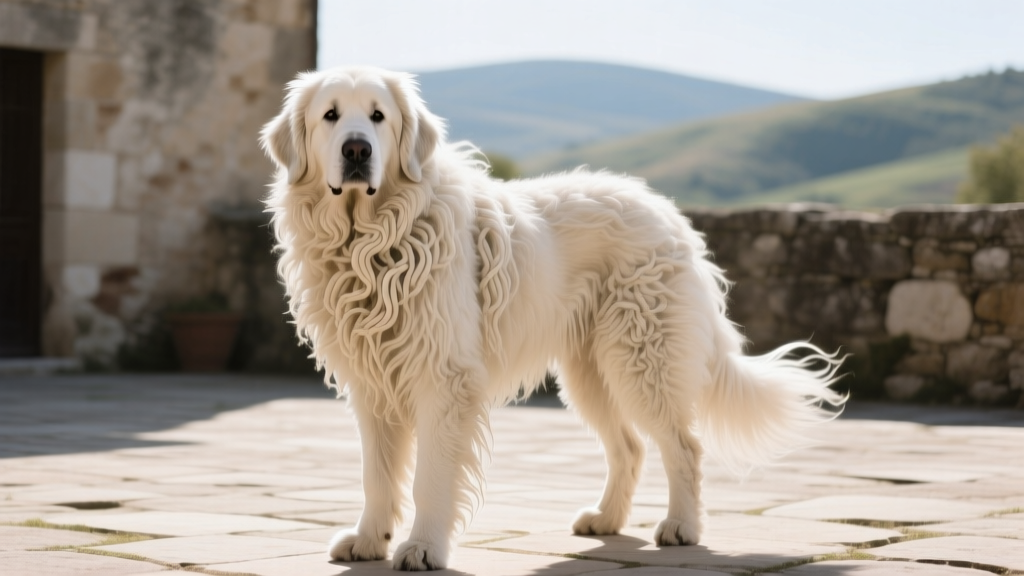
The Komondor: Hungary's Living Mop With a Guardian's Heart
If you've ever scrolled past a photo of what looks like an animated pile of rope mops and thought, "Is that a dog?" — you've met the Komondor. This Hungarian livestock guardian is one of the most visually unmistakable breeds on Earth, and its rarity means most people will never encounter one in person. The Komondor Hungarian dog isn't just a conversation starter, though. Behind those floor-length cords is an independent, fiercely loyal working breed with care requirements that make high-maintenance doodles look effortless.
As of 2025, the American Kennel Club ranks the Komondor at approximately 165th out of 201 recognized breeds in popularity. That's not a typo — these dogs are genuinely uncommon in the United States, with only a few hundred registered annually. For prospective owners drawn to the breed's dramatic appearance, understanding what actually living with a Komondor entails is critical before making any commitments.
| Attribute | Detail |
|---|---|
| Weight (Male) | 100–130 lb / 45–59 kg |
| Weight (Female) | 80–100 lb / 36–45 kg |
| Height (Male) | 27.5+ inches / 70+ cm at shoulder |
| Height (Female) | 25.5+ inches / 65+ cm at shoulder |
| Lifespan | 10–12 years |
| Coat Type | Corded (dreadlock-like), white only |
| Energy Level | Low-moderate (bursts of intensity) |
| Grooming Needs | Extreme — cord maintenance 2–4 hours/week |
| Family Fit | Experienced owners with space; not ideal for first-timers |
| Barking Level | Low frequency, very high volume |
| AKC Group | Working Group |
Origin and History: Bred to Blend In With Sheep, Stand Up to Wolves
The Komondor's story begins on the Hungarian plains — the Great Hungarian Plain (Alföld) — where Magyar tribes settled over a thousand years ago. The breed's ancestors are believed to have arrived with the Cumans (Kun people), a nomadic Turkic group that migrated westward and integrated into Hungarian society by the 13th century. The name "Komondor" itself likely derives from "Kuman-dor," meaning "dog of the Cumans."
The historical purpose of the Komondor was unambiguous: protect flocks of sheep and cattle from wolves, bears, and human thieves across vast open grasslands. The breed's iconic white corded coat served a dual function — it camouflaged the dog among white Hungarian Racka sheep, and it provided armor-like protection against predator bites. A wolf's jaws would catch cord, not skin.
Key Historical Milestones:
- ~1500s: First written references to large, corded Hungarian shepherd dogs appear in Hungarian codices and chronicles.
- 1920s: The Komondor is formally recognized as a distinct breed in Hungary; early breed standard established.
- 1937: The American Kennel Club officially recognizes the Komondor.
- 1954: The Fédération Cynologique Internationale (FCI) publishes the breed standard under Group 1 (Sheepdogs and Cattle Dogs), Section 1.
- Post-WWII: The breed nearly went extinct in Europe; dedicated Hungarian breeders rebuilt populations from fewer than a dozen surviving dogs.
- Present day: Estimated 1,500–2,000 Komondors exist in the U.S., with larger populations in Hungary and parts of Eastern Europe.
The United Kennel Club (UKC) also recognizes the Komondor within its Guardian Dog Group, giving the breed full recognition across all three major registries: AKC, UKC, and FCI.
Physical Traits: What Makes the Komondor Unmistakable
No other breed looks quite like a mature Komondor. The corded coat is the defining feature — thick, felt-like ropes of hair that can reach the ground by the time the dog is 4–5 years old. Individual cords can grow to 8–10 inches (20–25 cm) in length, with some show dogs sporting cords exceeding 12 inches. The coat is always white, though puppies are born with a softer, creamier tint that brightens with age.
Beneath the cords, the Komondor is a powerfully built, muscular dog. Males stand at least 27.5 inches at the withers, with no upper height limit — some males reach 31+ inches. The body is slightly longer than tall, giving a rectangular silhouette. The head is broad with a strong muzzle, dark almond-shaped eyes (often hidden behind cords), and medium-sized drop ears that blend seamlessly into the surrounding corded hair.
What surprises new owners: The weight. People expect a shaggy dog to be lighter, but a mature male Komondor can weigh 120+ pounds of dense bone and muscle. Lifting one into a vehicle or onto a grooming table is a genuine physical challenge. Their tail is relatively short, carried low, and often invisible beneath the cords.
Temperament: Independent Thinkers With a Serious Side
The Komondor temperament is best described as calm vigilance. In the home, they are typically quiet, low-activity dogs that prefer to observe rather than participate in chaos. They don't fetch. They don't perform tricks for strangers. They assess situations and act when they determine action is necessary.
What surprises first-time Komondor owners most:
- They make their own decisions. Bred to guard flocks independently without human direction, Komondors don't look to their owners for permission. If they perceive a threat — a delivery driver, an unfamiliar dog, a child running toward "their" toddler — they will act. This is not aggression; it's bred-in protective instinct.
- Nighttime patrol mode. Many Komondor owners report their dogs becoming more alert and active after dark. This mirrors their historical role — predators hunt at night, and the Komondor was expected to be most vigilant when humans slept.
- They're affectionate with family but aloof with strangers. Expect a Komondor to lean against you on the couch but stand between you and a houseguest for the first 20 minutes of a visit.
- Same-sex aggression is common. Particularly among males, Komondors may not tolerate other large, dominant dogs of the same sex in the household.
This is not a breed for someone who wants a Golden Retriever personality in an exotic package. The Komondor requires an owner who respects independent thinking and can provide firm, consistent, positive reinforcement-based leadership without resorting to force or intimidation.
Special Care Requirements: The Cord Maintenance Reality
Owning a Komondor is, in many ways, a grooming commitment first and a dog ownership experience second. The corded coat requires a level of maintenance that most owners of "high-maintenance" breeds have never encountered.
Komondor Coat Care Checklist:
- Cord separation (weekly): Starting at around 9–12 months when cords begin forming, you must manually separate new growth into individual cords. This prevents matting into a single felt sheet. Budget 2–4 hours per session.
- Bathing (every 4–8 weeks): Bathing a Komondor is a half-day project. Each cord must be individually saturated, shampooed with a diluted, residue-free shampoo, and thoroughly rinsed. Incomplete rinsing causes skin infections deep inside cords. Drying takes 12–24 hours — a high-velocity dryer (like the Metro Air Force Commander, ~$150–$200) is essential, not optional.
- Debris removal (daily quick-check): Twigs, leaves, burrs, and fecal matter can become trapped in cords. Daily inspection and manual removal prevents odor and infection.
- Professional grooming: Many Komondor owners rely on a groomer experienced with corded breeds. Expect to pay $150–$300+ per session, and not all groomers will accept the breed.
- Never brush or shave: Brushing destroys cord formation. Shaving a Komondor is strongly discouraged — the coat may never re-cord properly, and the dog loses its primary skin protection.
Exercise needs: Despite their size, Komondors are surprisingly low-energy in the home. They need 30–45 minutes of moderate daily exercise — a long walk or access to a secure yard is typically sufficient. They are not running partners or agility dogs. However, they do need mental engagement; scent work, structured patrol walks, and supervised livestock interaction (if available) satisfy their working instincts.
Living environment: A Komondor needs space. Apartment living is possible but challenging due to the dog's size, guarding instincts, and the logistical nightmare of cord care in a small bathroom. A home with a securely fenced yard (minimum 6-foot fence — some Komondors can jump) is strongly preferred. The white coat shows dirt dramatically, and muddy yards will turn cords gray-brown quickly.
Health Concerns: Breed-Specific Risks to Discuss With Your Veterinarian
The Komondor is generally a hardy breed, but its large size and limited gene pool create specific health vulnerabilities. Always consult your veterinarian about breed-appropriate screening and preventive care.
| Condition | Type | Prevalence / Notes | Screening |
|---|---|---|---|
| Hip Dysplasia | Orthopedic | Estimated 10–15% of breed; per OFA data, roughly 12% rated dysplastic | OFA or PennHIP evaluation at 24 months |
| Gastric Dilatation-Volvulus (Bloat) | Emergency | High risk — deep-chested giant breed; lifetime risk estimated 5–10% | Preventive gastropexy recommended during spay/neuter |
| Entropion | Ocular | Occasional; eyelid rolls inward causing corneal damage | Annual veterinary ophthalmologic exam |
| Otitis Externa (Ear Infections) | Dermatologic | Very common; heavy corded ears trap moisture and debris | Weekly ear inspection and cleaning |
| Hot Spots / Cord-Related Dermatitis | Dermatologic | Common; moisture trapped against skin under cords creates bacterial/fungal growth | Thorough drying after every bath; regular cord separation |
| Hypothyroidism | Endocrine | Reported in breed; causes weight gain, lethargy, coat changes | Annual thyroid panel |
Bloat (GDV) deserves special attention. This is a life-threatening emergency where the stomach fills with gas and twists. Komondor owners should know the signs: unproductive retching, distended abdomen, restlessness, pale gums. Immediate veterinary surgery is the only treatment. Many Komondor breeders and veterinarians recommend a prophylactic gastropexy — surgically tacking the stomach to the abdominal wall — performed during the spay or neuter procedure. This doesn't prevent bloat entirely but dramatically reduces the risk of the fatal torsion component. Cost: typically $300–$600 additional when combined with spay/neuter.
⚠️ Emergency Warning: If your Komondor shows signs of bloat — pacing, drooling, attempting to vomit without producing anything, swollen abdomen — go to the nearest emergency veterinary hospital immediately. GDV can be fatal within 2–4 hours without surgical intervention. For toxic ingestion emergencies, contact the ASPCA Animal Poison Control Center at (888) 426-4435 (24/7, consultation fee applies).
Availability, Cost, and Finding a Responsible Komondor Breeder
The Komondor's rarity means you won't find puppies at your local pet store or on general classifieds — and you shouldn't look there. The limited breeding population means waitlists of 6–18 months are standard, and reputable breeders often interview prospective buyers extensively before committing to a placement.
Typical pricing (2025–2026 estimates):
- Komondor puppy from a reputable AKC-registered breeder: $1,800–$3,000
- Show-quality puppy from champion lines: $3,000–$5,000+
- Adult Komondor from breed rescue: $300–$600 (rare availability)
- First-year total ownership cost: $4,500–$7,500 (includes purchase, initial veterinary care, grooming supplies, high-velocity dryer, crate, fencing modifications, food)
- Annual ongoing cost after first year: $2,500–$4,000 (food, grooming, veterinary care, preventives)
Where to find breeders: The Komondor Club of America (KCA) maintains a breeder referral list and is the best starting point. The AKC Marketplace occasionally lists Komondor litters from registered breeders. Attend KCA-supported events or national specialty shows to meet breeders and dogs in person before committing.
Red flags to avoid:
- Breeders offering puppies "ready to ship" immediately with no questions asked
- No health testing documentation (OFA hips, thyroid, CERF eyes)
- Puppies priced significantly below $1,500 — often indicates backyard breeding or puppy mill sourcing
- Breeders who cannot discuss cord care or who claim the coat "takes care of itself"
- No take-back clause in the purchase contract
Komondor vs. Similar Breeds: How Does It Compare?
The Komondor is frequently confused with the Puli (another Hungarian corded breed) and compared to other large livestock guardians. Here's how it stacks up:
| Trait | Komondor | Puli | Great Pyrenees |
|---|---|---|---|
| Origin | Hungary | Hungary | France/Pyrenees Mountains |
| Size | 80–130 lb / 36–59 kg | 25–35 lb / 11–16 kg | 85–120 lb / 39–54 kg |
| Coat | Corded, white | Corded, white/black/gray | Double coat, white (may have markings) |
| Cord Maintenance | Extreme (2–4 hrs/week) | High (1–2 hrs/week) | None — regular brushing |
| Energy Level | Low-moderate | High | Low-moderate |
| Stranger Friendliness | Low — aloof/protective | Moderate — alert but adaptable | Moderate — calm, accepting |
| First-Time Owner Fit | Not recommended | Possible with commitment | Good with space |
| Barking | Low frequency, very loud | Frequent, sharp | Moderate, deep |
| AKC Popularity Rank | ~165th | ~155th | ~66th |
Key distinction from the Puli: The Puli is often called the "mini Komondor," but they served different historical roles. The Puli was a herding dog — actively moving sheep — while the Komondor was a guardian that stayed with the flock and confronted threats. This translates to very different temperaments: Pulik are energetic, bouncy, and more trainable for active sports; Komondors are steady, watchful, and independent.
Key distinction from the Great Pyrenees: Both are large white livestock guardians, but the Great Pyrenees tends to be more easygoing with strangers and significantly easier to groom. The Komondor is more intense in its protective drive and far more demanding in coat maintenance. If you want a large white guardian breed but aren't prepared for cord care, the Pyrenees is the more practical choice.
Real Owner Insights: What Life With a Komondor Actually Looks Like
Talking to experienced Komondor owners reveals consistent themes that breed descriptions often gloss over:
"They're not lazy — they're conserving energy." A Komondor lying motionless on the porch for three hours isn't sleeping deeply. Most owners report their dogs track every movement in the yard, every passing car, every sound. When something triggers them, they go from zero to full intensity in under two seconds. This burst speed in a 120-pound dog is genuinely startling.
"Training is a negotiation, not a command." Komondors respond to positive reinforcement — food rewards, praise, play — but they question the point of repetitive exercises. A Komondor will sit for a treat once or twice, then look at you as if to say, "I've demonstrated that I can do this. Why are we still doing it?" Short, varied training sessions (5–10 minutes) work far better than hour-long drills. Force-free methods are essential; harsh corrections or aversive tools like shock collars will damage trust and can trigger defensive responses in a dog this large.
"The grooming is a lifestyle choice." Multiple owners describe cord maintenance as a weekly bonding ritual — sitting on the floor with the dog, separating cords by hand, checking skin health. It's meditative for some, exhausting for others. If you travel frequently or lack the time for this ritual, the Komondor is not the right breed.
"They bond hard — usually to one person." While Komondors accept all family members, they typically form a primary bond with one individual. That person becomes the center of the dog's protective universe. Children in the household are generally well-protected, but Komondors may not distinguish between roughhousing siblings and a genuine threat, so supervision is mandatory.
Frequently Asked Questions
Is the Komondor suitable for first-time dog owners?
Generally, no. The combination of independent temperament, guarding instincts, massive size, and extreme grooming requirements makes the Komondor a poor fit for someone without prior experience managing large, strong-willed breeds. Experienced owners of other livestock guardian breeds or large working dogs are better prepared. If you're a first-time owner set on the breed, commit to working with a certified professional dog trainer (CPDT-KA or IAABC-certified) from puppyhood.
How rare is the Komondor today?
Very rare. The AKC registers approximately 150–300 Komondors per year in the United States. The total U.S. population is estimated at 1,500–2,000 dogs. Globally, Hungary maintains the largest population, with additional breeding programs in Germany, the Czech Republic, and Scandinavia. Finding a puppy typically requires joining a waitlist 6–18 months in advance.
Do Komondors shed?
Effectively, no. The corded coat traps shed hair within the cords rather than releasing it into the environment. This makes them relatively low-shedding — but it does not make them hypoallergenic. Dander and saliva still trigger allergies, and the cords themselves can collect environmental allergens like pollen.
Can a Komondor live in an apartment?
It's possible but not recommended. The dog's size, the space needed for cord maintenance and drying, guarding instincts that may react to hallway foot traffic, and the need for secure outdoor access all make apartment living difficult. A house with a fenced yard is strongly preferred.
Are Komondors aggressive?
Komondors are protective, not randomly aggressive. They were bred to assess threats and respond decisively. Without proper socialization (starting at 8–16 weeks and continuing through maturity at 2–3 years), a Komondor can become overly reactive to normal stimuli. Well-socialized Komondors are discerning — they evaluate situations before responding. Poorly socialized or poorly bred individuals can be dangerous due to their size and power.
What should I feed a Komondor?
A high-quality, AAFCO-certified large-breed formula appropriate for the dog's life stage. Look for guaranteed analysis showing minimum 22% protein and 8% fat for adult maintenance. Large-breed puppy formulas (with controlled calcium/phosphorus ratios) are essential during growth to reduce hip dysplasia risk. Feed measured meals twice daily rather than free-feeding, and avoid vigorous exercise 60 minutes before and after meals to reduce bloat risk. Expect to spend $120–$200 per month on food for an adult Komondor.
How long does it take for a Komondor's cords to fully form?
Cord formation begins around 9–12 months of age. The coat transitions from a soft puppy texture to the mature corded structure over 2–3 years. Full, floor-length cords typically don't appear until the dog is 4–5 years old. During the transition period, the coat can look unkempt and requires the most hands-on separation work.
Bottom line: The Komondor Hungarian dog is a magnificent, historically rich breed that demands an owner who matches its seriousness. If you have the space, the time for meticulous cord care, the patience for an independent thinker, and the experience to manage a 120-pound guardian, the Komondor rewards you with a loyalty and presence unlike any other breed. If any of those requirements give you pause, consider the Great Pyrenees or another guardian breed with more manageable care demands. Always consult your veterinarian before bringing home any large-breed puppy to discuss breed-appropriate health screening and preventive care plans.
Jonas Cole
All our authors care for dogs every day — read more of their work on the authors page.