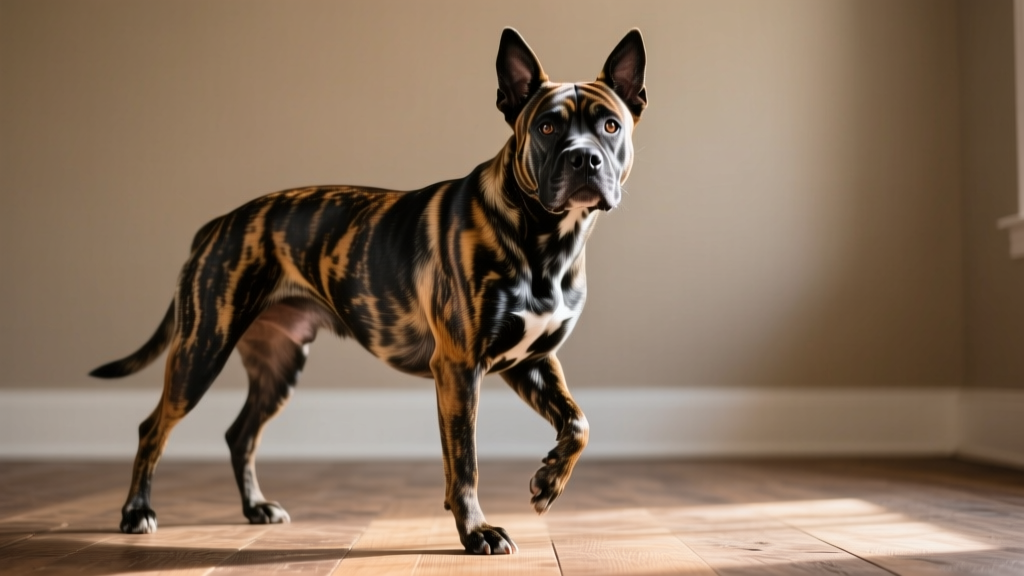
Rhodesian Ridgeback Mix Dogs: Complete Breed Guide & Care Tips
Everything about the Rhodesian Ridgeback mix: parent breeds, size ranges, temperament variability, health risks, grooming, costs.

If you've been searching for a Rhodesian Ridgeback mix, you're likely drawn to the Ridgeback's striking looks — that iconic dorsal ridge, the sleek wheaten coat, the regal bearing — but want a dog with a slightly different temperament, size, or energy profile than a purebred. Designer crosses involving the Rhodesian Ridgeback have grown in visibility over the past decade, and for good reason: they can blend the Ridgeback's loyalty and athleticism with traits from a second breed that may soften their intensity or alter their physical profile.
But here's what every prospective owner needs to understand before committing: mixed-breed dogs are genetic lotteries. Unlike a purebred with a predictable breed standard, a Ridgeback mix can inherit any combination of traits from either parent. This guide will help you understand the range of possibilities so you can make an informed decision — whether you're working with a breeder or evaluating a rescue.
Parent Breed Breakdown: What Makes a Ridgeback Mix
A "Ridgeback dog mix" refers to any cross involving one of the two recognized Ridgeback breeds — the Rhodesian Ridgeback (far more common in mixes) or the Thai Ridgeback (rare outside Southeast Asia) — paired with another breed. The most popular Ridgeback crosses seen in North America include:
- Ridgeback x Labrador Retriever (sometimes called a "Rhodesian Lab")
- Ridgeback x German Shepherd
- Ridgeback x Boxer
- Ridgeback x Great Dane ("Rhodesian Dane")
- Ridgeback x Pit Bull-type breeds (American Staffordshire Terrier, American Bully)
- Ridgeback x Weimaraner
- Ridgeback x Australian Shepherd
Each pairing produces a very different dog. Let's look at the Rhodesian Ridgeback parent first, since it's the common denominator, and then compare the most frequent second-parent breeds.
The Rhodesian Ridgeback Parent
Originally bred in southern Africa to track and hold large game — including lions — the Rhodesian Ridgeback is a hounds-group athlete recognized by the AKC since 1955. Key purebred traits include:
- Weight: 70–85 lb (32–39 kg) for males; 65–75 lb (29–34 kg) for females
- Height: 25–27 inches (63–69 cm) at the shoulder for males; 24–26 inches (61–66 cm) for females
- Coat: Short, dense, sleek; wheaten colors from light flaxen to red wheaten
- Distinguishing feature: The dorsal ridge — a fan-shaped strip of hair growing in the opposite direction along the spine, caused by a dominant autosomal mutation in the FGF3 and FGF4 genes
- Temperament: Independent, intelligent, reserved with strangers, deeply loyal to family, strong prey drive, can be stubborn in training
- Exercise needs: 60–90 minutes of vigorous activity daily
- Lifespan: 10–12 years
| Trait | Rhodesian Ridgeback | Labrador Retriever | German Shepherd | Great Dane |
|---|---|---|---|---|
| Weight Range | 65–85 lb (29–39 kg) | 55–80 lb (25–36 kg) | 50–90 lb (23–41 kg) | 110–175 lb (50–79 kg) |
| Height | 24–27 in | 21.5–24.5 in | 22–26 in | 28–32 in |
| Energy Level | High | High | High | Moderate |
| Stranger Wariness | High | Low | High | Moderate |
| Trainability | Moderate (independent) | High (eager) | Very High | Moderate |
| Prey Drive | Very High | Moderate | High | Moderate |
| Shedding | Moderate | Heavy | Heavy | Moderate |
| Lifespan | 10–12 years | 11–13 years | 7–10 years | 7–10 years |
Generation Explained: F1, F1B, and Multigen Ridgeback Mixes
Generation Terminology for Ridgeback Crosses
F1 (First Generation): One purebred Rhodesian Ridgeback parent × one purebred second-breed parent. These dogs have the widest trait variability — each puppy in the litter may look and behave quite differently. The ridge may or may not be present (it's a dominant trait, so roughly 50% of puppies inherit it if only one parent carries it).
F1B (First Generation Backcross): An F1 Ridgeback mix × a purebred of either parent breed. This narrows the trait range somewhat. For example, an F1 Ridgeback-Lab crossed back to a Lab will produce puppies that lean more heavily toward Lab temperament and build, though ridge inheritance becomes unpredictable.
F2 (Second Generation): Two F1 Ridgeback mixes bred together. Genetic variability actually increases here — this is where you see the widest spread of sizes, coat types, and temperaments within a single litter. Not commonly bred intentionally.
Multigen (F3+): Multiple generations of Ridgeback mix breeding. Extremely rare for Ridgeback crosses (unlike doodle breeds, there's no established multigen Ridgeback mix population). Most Ridgeback mixes you encounter will be F1 or accidental crosses.
Unlike Goldendoodles or Labradoodles, Ridgeback mixes are not part of a structured designer breeding program in most cases. The vast majority are either intentional one-off F1 litters by small-scale breeders or accidental breedings that end up in rescues. This means generation labeling is often irrelevant — you're usually looking at an F1 dog with unknown genetic expression.
How Big Will a Ridgeback Dog Mix Get?
Size is one of the most common questions about any mixed breed, and the honest answer is that it depends heavily on the second parent breed. Here's a realistic range based on the most common Ridgeback pairings:
| Cross | Expected Weight Range | Expected Height Range | Size Category |
|---|---|---|---|
| Ridgeback × Labrador | 55–85 lb (25–39 kg) | 22–27 in (56–69 cm) | Large |
| Ridgeback × German Shepherd | 55–90 lb (25–41 kg) | 23–27 in (58–69 cm) | Large |
| Ridgeback × Boxer | 50–80 lb (23–36 kg) | 21–26 in (53–66 cm) | Medium-Large |
| Ridgeback × Great Dane | 80–140 lb (36–64 kg) | 26–31 in (66–79 cm) | Giant |
| Ridgeback × Pit Bull-type | 45–80 lb (20–36 kg) | 19–25 in (48–64 cm) | Medium-Large |
| Ridgeback × Weimaraner | 60–90 lb (27–41 kg) | 23–27 in (58–69 cm) | Large |
Important note on size prediction: Even within a single litter of F1 Ridgeback mixes, individual puppies can vary by 15–20 lb (7–9 kg) at maturity. A reputable breeder can estimate adult size based on the specific parents' measurements, but there is always a margin of error. If you're adopting a young puppy from a rescue, expect the weight estimate to be a rough guess until growth plates close around 14–18 months.
Temperament: The Range of Possibilities
Temperament is where the genetic lottery matters most. The Rhodesian Ridgeback contributes some powerful behavioral tendencies — independence, wariness of strangers, high prey drive, and a strong-willed nature — but how these express in a mix depends on which alleles the puppy inherits and how the second parent breed modifies them.
Best-Case Temperament Scenarios
When the cross works well temperamentally, you get a dog that combines the Ridgeback's loyalty and calm household demeanor with the second breed's sociability or trainability. For example:
- Ridgeback × Lab: The Lab's eagerness to please can soften the Ridgeback's stubbornness, producing a more biddable dog that's still athletic and alert. This is generally considered the most family-friendly Ridgeback cross.
- Ridgeback × Boxer: The Boxer's playful, clownish nature can balance the Ridgeback's seriousness, though both breeds are strong and energetic.
- Ridgeback × Golden Retriever: Rare but prized — Golden genetics tend to moderate stranger wariness and prey drive while maintaining athleticism.
Challenging Temperament Scenarios
Some crosses can amplify difficult traits rather than moderate them:
- Ridgeback × German Shepherd: Both breeds are guardian-types with high stranger wariness. This cross can produce a dog that is intensely protective, requiring extensive socialization (minimum 100 positive stranger encounters before 16 weeks) and an experienced handler.
- Ridgeback × Husky/Malamute: Both breeds have extreme prey drive and independence. This combination can produce a dog that is extremely difficult to recall off-leash and prone to escaping fenced yards.
- Ridgeback × Livestock Guardian breeds: Double-independent, double-protective. Not recommended for first-time owners or suburban settings.
Coat, Shedding, and the Ridge Question
Let's address the most distinctive trait first: the ridge. The dorsal ridge is caused by a dominant mutation, meaning a puppy only needs to inherit the gene from one parent to potentially express it. However, in F1 crosses where only the Ridgeback parent carries the gene, approximately 50% of puppies will inherit the ridge — and even among those, the ridge quality varies from a perfect fan-shaped crown to a barely visible strip.
Coat type in Ridgeback mixes almost always trends toward short-to-medium length, because the Ridgeback's short, dense coat genes tend to dominate. Here's what to expect:
- Shedding level: Moderate year-round. Ridgebacks are not heavy shedders, but if crossed with a Lab, German Shepherd, or Husky, expect seasonal shedding blowouts (spring and fall) where undercoat releases in clumps.
- Coat texture: Usually smooth and dense. Crosses with wire-coated breeds (Wirehaired Pointing Griffon, some terriers) may produce a rougher texture, but this is uncommon.
- Color range: Wheaten tones, brindle, black, black-and-tan, or fawn depending on the second parent. The Ridgeback's wheaten color is recessive, so it may not appear in F1 puppies if the other parent carries dominant black or sable genes.
Is any Ridgeback mix hypoallergenic or low-shedding? No. The Rhodesian Ridgeback is not a low-shedding breed, and there are no common Ridgeback crosses with Poodles or other hypoallergenic-type breeds that would reduce allergen-producing dander. If you have dog allergies, a Ridgeback mix is not a suitable choice.
Grooming Requirements
The good news: grooming is minimal for most Ridgeback mixes.
- Brushing: Once weekly with a rubber curry brush (like the Kong ZoomGroom, ~$8–$12) or a short-bristle brush. During shedding seasons, upgrade to a de-shedding tool like the Furminator Short Hair Large (~$35–$45) twice weekly.
- Bathing: Every 6–8 weeks or as needed. Use a gentle oatmeal-based dog shampoo. Ridgebacks have sensitive skin prone to contact allergies.
- Nail trims: Every 3–4 weeks. Large-breed nails grow quickly and can affect gait if overgrown.
- Ear cleaning: Weekly check; clean with a veterinary ear wash if debris accumulates. Floppy-eared crosses (Lab, Hound mixes) need more attention than erect-eared ones.
- Dental care: Daily brushing with enzymatic dog toothpaste is ideal. At minimum, use VOHC-approved dental chews (like Purina Dentalife or Greenies) 3–4 times per week.
Health Considerations: Hybrid Vigor vs. Reality
There's a persistent myth that mixed-breed dogs are automatically healthier than purebreds due to "hybrid vigor." Let's be precise about what the science actually says. A 2013 study published in the Journal of the American Veterinary Medical Association analyzed over 27,000 dogs and found that while mixed breeds had lower incidence of some hereditary disorders, they were equally susceptible to others, and several conditions — including hip dysplasia, cranial cruciate ligament rupture, and certain cancers — appeared at similar or higher rates in mixed breeds.
Translation: a Ridgeback mix can inherit health conditions from either parent breed. Hybrid vigor reduces the risk of recessive genetic diseases that require two copies of a faulty gene (like degenerative myelopathy), but it does nothing to protect against conditions caused by dominant genes, structural conformation, or polygenic traits.
Health Conditions to Screen For
| Condition | From Which Parent | Prevalence | Screening Method | Estimated Treatment Cost |
|---|---|---|---|---|
| Hip Dysplasia | Both (Ridgeback, GSD, Lab, Dane) | ~10–20% in large breeds | OFA/PennHIP x-ray ($200–$400) | $1,500–$6,000 per hip (surgical) |
| Elbow Dysplasia | Both (common in large breeds) | ~8–15% | OFA elbow x-ray ($150–$300) | $1,500–$4,000 per elbow |
| Dermoid Sinus | Ridgeback (ridge-related) | ~5–8% of Ridgebacks | Physical exam at birth; MRI if deep | $800–$3,000 (surgical removal) |
| Degenerative Myelopathy (DM) | Ridgeback, GSD | Carrier rate ~15–25% in Ridgebacks | DNA test ($65–$120 via Embark/UC Davis) | No cure; supportive care ($200–$500/month) |
| Gastric Dilatation-Volvulus (Bloat) | Both (deep-chested breeds) | ~5–10% lifetime risk in large deep-chested dogs | No screening; preventive gastropexy ($300–$800 at spay/neuter) | $3,000–$7,000 (emergency surgery) |
| Hypothyroidism | Ridgeback, Boxer, Dane | ~5–10% | Thyroid panel ($80–$150 annually) | $15–$30/month (lifelong medication) |
| Dilated Cardiomyopathy (DCM) | Great Dane, Boxer | Breed-dependent; ~5–15% in predisposed breeds | Echocardiogram ($300–$600) | $100–$300/month (medication) |
What to ask a breeder: Request OFA (Orthopedic Foundation for Animals) hip and elbow scores for both parent dogs, a DM DNA clearance, and thyroid panels. A responsible breeder will have these on file and share them willingly. For rescue dogs, budget $300–$500 for baseline health screening (hip x-rays, thyroid panel, heartworm test, and a DNA breed/health panel like Embark at ~$199) within the first year.
Cost, Availability, and Where to Find a Ridgeback Mix
Ridgeback mixes fall into an unusual market position: they're uncommon enough that you won't find them at every breeder, but not so rare that they command extreme designer-breed prices.
Price Ranges
- From a small-scale intentional breeder (F1 litter): $800–$2,000 depending on region, parent health testing, and demand. Breeders who OFA-test both parents and provide early neurological stimulation (ENS) and Puppy Culture socialization protocols will be at the higher end ($1,500–$2,000).
- From a rescue or shelter: $150–$500 adoption fee. Ridgeback mixes appear in breed-specific rescue (Rhodesian Ridgeback Rescue, Inc.) and general large-breed rescues, particularly in southern and midwestern states.
- Accidental litters (backyard/online listings): $200–$600. Exercise extreme caution — these often lack health testing, early socialization, and any take-back guarantee.
Annual cost of ownership: Budget $2,200–$4,000 per year for a large Ridgeback mix, including high-quality food ($60–$100/month for a 60–80 lb dog eating AAFCO-approved kibble with named animal protein as the first ingredient), preventive medications ($20–$45/month for heartworm/flea/tick — products like Simparica Trio or NexGard), routine veterinary care ($400–$700/year), and pet insurance ($40–$80/month for comprehensive coverage through providers like Trupanion, Healthy Paws, or Lemonade).
Breeder vs. Rescue: What to Expect
Both paths are valid, but they offer different trade-offs:
Buying from a Breeder
Pros: Known parentage and health history; puppy socialization window (8–16 weeks) under your control; temperament predictability based on parent observation; health guarantee (typically 1–2 years for genetic conditions).
Cons: Higher upfront cost; waitlists of 3–12 months are common for intentional litters; fewer available litters per year compared to popular breeds.
Adopting from Rescue
Pros: Lower cost; adult dogs may already be house-trained and past the destructive puppy phase; you can assess temperament directly; saving a life.
Cons: Unknown genetic history; potential behavioral rehabilitation needed (fear, resource guarding, leash reactivity are common in under-socialized rescues); health surprises without parent screening data.
For rescue searches, start with Petfinder.com using "Rhodesian Ridgeback" as a breed filter, or contact the Rhodesian Ridgeback Club of the United States (RRCUS) rescue network directly. Many Ridgeback mixes are listed simply as "mixed breed" or "hound mix" at shelters, so visiting in person or reviewing photos for the characteristic ridge can help you identify them.
Who Is the Ideal Owner for a Ridgeback Mix?
This is perhaps the most important section, because a Ridgeback mix is not a universally easy dog. Based on years of seeing these crosses succeed and struggle in homes, here's a realistic profile of who does well:
This Mix Is a Strong Fit If You:
- Have prior experience with large, strong-willed breeds (this should not be your first dog)
- Can commit to 60–90 minutes of daily exercise — running, hiking, structured fetch, or dog sports like lure coursing, barn hunt, or agility
- Have a securely fenced yard (minimum 6-foot fence; Ridgebacks are athletic jumpers and climbers)
- Understand canine body language and can read subtle stress signals before they escalate
- Are willing to invest in 8–12 weeks of professional positive-reinforcement training classes ($150–$350 for group classes; $500–$1,200 for private sessions)
- Don't have cats, rabbits, or small animals in the home (prey drive is a serious consideration)
- Have older children (8+) who understand how to interact respectfully with a large, sometimes aloof dog
This Mix Is a Poor Fit If You:
- Are a first-time dog owner — consider starting with a more forgiving breed
- Live in an apartment without nearby access to large exercise areas
- Work away from home 10+ hours daily — these dogs bond intensely and are prone to separation anxiety
- Want a dog that is immediately friendly with every stranger and visitor
- Have small pets (cats, chickens, rabbits) that the dog would need to coexist with
- Cannot commit to ongoing socialization throughout the dog's life (not just puppyhood)
For families with young children, a Ridgeback × Lab or Ridgeback × Golden Retriever cross tends to be the most compatible option, as the retriever genetics moderate the Ridgeback's reserve. However, always supervise interactions between any large dog and children under 10, and teach children the "be a tree" protocol if the dog becomes overexcited.
Frequently Asked Questions
Will my Ridgeback mix definitely have the ridge on its back?
No. The ridge is caused by a dominant gene, but in an F1 cross where only one parent is a Ridgeback, approximately 50% of puppies will inherit the ridge trait. Even among those that do, the ridge may be less pronounced than on a purebred — some have only a partial ridge or a few whorls without the full fan-shaped crown. If the ridge is important to you, ask the breeder to identify ridged puppies at birth (it's visible from day one) and reserve one specifically.
Are Ridgeback mixes good with other dogs?
It depends on the individual and their socialization history. Ridgebacks were bred to hunt in packs, so many are dog-social, but they can be same-sex aggressive (particularly male-male). Crosses with highly social breeds like Labs tend to be more dog-friendly. Early and ongoing socialization — structured, positive encounters with diverse dogs from 8 weeks through adulthood — is essential. Doggy daycare can work for some Ridgeback mixes but overwhelms others; assess your dog's stress signals carefully.
How much exercise does a Ridgeback mix need daily?
Plan for a minimum of 60 minutes of vigorous exercise (running, not just walking) plus 20–30 minutes of mental stimulation (training, puzzle feeders, scent work) daily. Under-exercised Ridgeback mixes are prone to destructive behavior, escape attempts, and hyperactivity indoors. A tired Ridgeback mix is a calm household companion; an under-exercised one is a management challenge. Access to a large fenced area for off-leash sprinting is ideal, but given the high prey drive, only allow off-leash in fully enclosed areas — never in open fields where they may chase wildlife.
Do Ridgeback mixes have special dietary needs?
Large-breed Ridgeback mixes (expected adult weight over 70 lb / 32 kg) should be fed a large-breed puppy formula during growth (formulated to slow growth rate and reduce hip dysplasia risk — look for AAFCO statements specifying "large breed puppy" or calcium content of 1.0–1.5% on a dry matter basis). Transition to adult large-breed food around 12–18 months. Avoid grain-free boutique diets due to the FDA's ongoing investigation into a potential link between grain-free diets and dilated cardiomyopathy (DCM). Brands like Purina Pro Plan Large Breed, Royal Canin Large Adult, and Hill's Science Diet Large Breed are well-researched options in the $50–$80 per 30-lb bag range.
Can Ridgeback mixes live in hot climates?
Generally yes — the Ridgeback's short coat and African origin make them heat-tolerant compared to thick-coated breeds. However, crosses with brachycephalic breeds (Boxer, Bulldog) may inherit reduced heat tolerance. Always provide shade, fresh water, and avoid exercise during peak heat (10 AM–4 PM). Watch for heat stress signs: excessive panting, dark red gums, stumbling, or collapse. If these occur, apply cool (not ice-cold) water to the paw pads and belly and seek emergency veterinary care immediately.
What is the lifespan of a Ridgeback mix?
Most Ridgeback mixes live 10–13 years, which is typical for large-breed dogs. Crosses with giant breeds (Great Dane) may have shorter lifespans of 8–11 years, while crosses with longer-lived breeds (Labrador, Australian Shepherd) may reach 12–14 years. Maintaining a lean body condition score (BCS of 4–5 on a 9-point scale), keeping up with preventive veterinary care, and feeding a nutritionally complete diet are the most impactful things you can do to maximize longevity.
Anouk Beaumont
All our authors care for dogs every day — read more of their work on the authors page.