Pitbull Boxer Mix Brindle: Complete Breed Profile & Care Guide
Everything about the pitbull boxer mix brindle coat variant: size, temperament, health risks, grooming, cost.
What Is a Pitbull Boxer Mix (Brindle)?
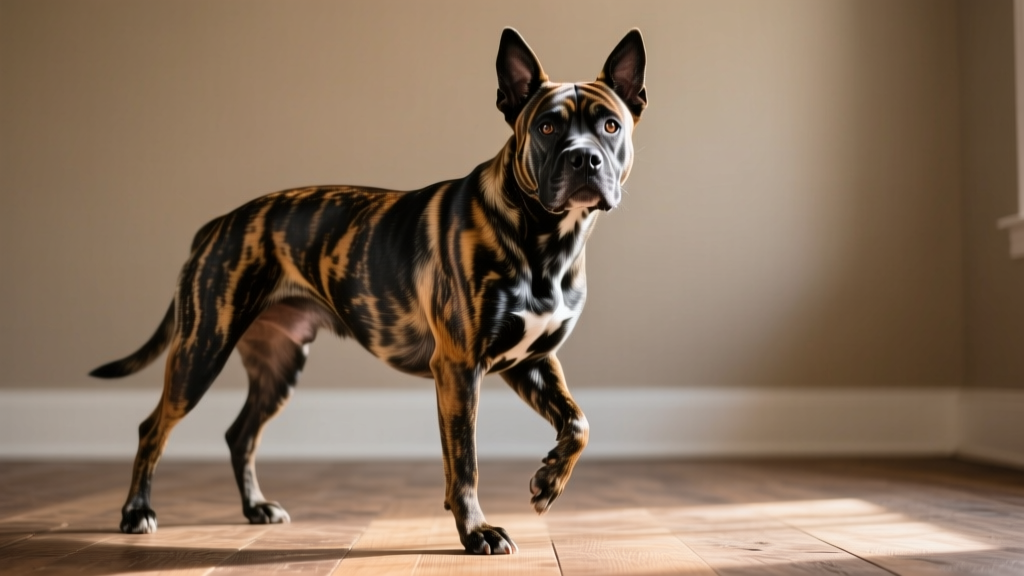
The pitbull boxer mix — sometimes called a "Bullboxer Pit" or "Boxer Pit" — is a designer cross between the American Pit Bull Terrier (APBT) and the Boxer. When we talk about a pitbull boxer mix brindle, we're referring to this cross specifically displaying the brindle coat pattern: dark striping over a lighter base color, inherited from one or both parent breeds.
This isn't a recognized breed with a fixed standard. Every litter — and every puppy within a litter — can look and behave differently. Some lean heavily toward the Boxer's goofy, bouncy personality; others inherit the APBT's tenacity and stocky build. The brindle coat is one of the more predictable visual outcomes since both parent breeds carry the brindle gene, but that's where predictability largely ends.
Parent Breed Breakdown: APBT Meets Boxer
Understanding this mix starts with understanding each parent. The traits your brindle pitbull boxer mix inherits will fall somewhere on the spectrum between these two breeds.
| Trait | American Pit Bull Terrier | Boxer |
|---|---|---|
| AKC Recognition | Not AKC-recognized (UKC-registered); often confused with American Staffordshire Terrier | AKC Working Group, recognized since 1904 |
| Weight Range | 30–65 lb (14–29 kg) | 50–80 lb (23–36 kg) |
| Height | 17–21 in (43–53 cm) | 21.5–25 in (55–64 cm) |
| Lifespan | 12–16 years | 10–12 years |
| Coat | Short, smooth, stiff; any color including brindle | Short, smooth, sleek; fawn or brindle, with or without white markings |
| Energy Level | High — needs 60–90 min daily activity | High — needs 60–90 min daily activity |
| Trainability | Eager but strong-willed; responds to positive reinforcement | Intelligent but easily bored; can be stubborn |
| Key Health Risks | Hip dysplasia, skin allergies, demodectic mange | Cardiomyopathy (ARVC), hip dysplasia, bloat (GDV), cancers |
Both breeds share athletic builds, short coats, high energy, and strong loyalty to their families. They also both carry the Kbr (brindle) allele at the K-locus, which is why brindle is one of the more common coat outcomes in this cross. According to the AKC Boxer breed standard, brindle is one of only two accepted Boxer colors, making it a reliable genetic contribution.
Generations Explained: F1, F1B, F2, and Multigen
Generation Terminology for Designer Mixes
- F1 (First Generation): One purebred APBT parent × one purebred Boxer parent. Maximum genetic diversity but highest trait variability — puppies in the same litter may look drastically different.
- F1B (First Generation Backcross): An F1 pitbull boxer mix bred back to one of the parent breeds (usually the Boxer). Slightly more predictable traits leaning toward the backcross breed.
- F2 (Second Generation): Two F1 pitbull boxer mixes bred together. Trait predictability does NOT improve — in fact, genetic recombination can produce wider variation than F1.
- Multigen (F3+): Multiple generations of pitbull boxer mix bred to each other. Still not a standardized breed; some trait consistency may emerge over 4+ generations but is never guaranteed.
For brindle coloring specifically, F1 puppies have the highest probability of displaying brindle if both parents carry the Kbr allele. In F2 and multigen litters, recessive non-brindle alleles can resurface, producing solid fawn, white, or parti-colored puppies alongside brindle littermates.
Most pitbull boxer mixes available through rescues and casual breeders are F1 crosses. Dedicated multigen breeding programs for this specific mix are rare — unlike Doodle breeds, there's no large-scale designer breeding infrastructure for bully-type crosses.
Size, Build, and Physical Traits
Because the APBT and Boxer overlap in some dimensions but diverge in others, the size range for a pitbull boxer mix is broad. Here's what you can realistically expect:
| Measurement | Low End | High End | Most Common Range |
|---|---|---|---|
| Adult Weight | 35 lb (16 kg) | 80 lb (36 kg) | 50–70 lb (23–32 kg) |
| Adult Height (at withers) | 18 in (46 cm) | 24 in (61 cm) | 20–22 in (51–56 cm) |
| Time to Full Size | 12 months | 18 months | 14–16 months |
Build type varies considerably. APBT-influenced dogs tend toward a compact, muscular, low-to-the-ground frame with a broad chest. Boxer-influenced dogs are taller, leggier, and more square-proportioned. Most pitbull boxer mixes land somewhere in between — a medium-to-large athletic dog with visible musculature and a deep chest.
Head shape is another variable. Boxers are brachycephalic (short-muzzled), while APBTs are mesocephalic (moderate muzzle length). Your mix may inherit a moderately shortened muzzle, a full-length muzzle, or something in between. Dogs inheriting more Boxer-like facial structure may be at elevated risk for brachycephalic obstructive airway syndrome (BOAS) — a condition where shortened airways cause breathing difficulty, especially during exercise and in hot weather. The AVMA provides guidance on brachycephalic breeds and associated welfare concerns.
Coat, Color, and the Brindle Pattern
The brindle coat in a pitbull boxer mix typically presents as dark brown or black striping over a fawn, tan, or light brown base. The intensity varies widely:
- Heavy brindle: Striping so dense the dog appears nearly black with faint lighter stripes ("reverse brindle")
- Classic brindle: Clearly defined dark stripes on a visible lighter base — the "tiger stripe" look
- Light brindle: Sparse, faint striping that may be hard to see without close inspection
White markings are common and may appear on the chest, paws, face (blaze), or as a full white collar. These come from piebald spotting genes carried by both parent breeds. Some individuals may be predominantly white with brindle patches.
Shedding level: Both APBTs and Boxers are moderate shedders with single-layer short coats. Expect year-round shedding with seasonal increases in spring and fall. This mix is not hypoallergenic and not low-shedding. If you have dog allergies, this cross is unlikely to be suitable regardless of coat color.
Grooming Requirements
The short, smooth coat is low-maintenance compared to longer-coated breeds, but it isn't zero-maintenance:
- Brushing: 2–3 times per week with a rubber curry brush (like the Kong ZoomGroom, approximately $12–$16) or a bristle brush to remove loose hair and distribute skin oils
- Bathing: Every 6–8 weeks, or as needed when dirty. Use a gentle, dog-specific shampoo — both parent breeds are prone to skin sensitivities, so avoid harsh human products
- Nail trims: Every 3–4 weeks; these are active dogs that may naturally wear nails down on pavement, but regular checks prevent overgrowth
- Ear cleaning: Weekly inspection; clean with a vet-approved ear solution if debris accumulates, especially if the dog inherits floppy Boxer-style ears
- Dental care: Daily brushing ideal, or dental chews 3–4 times per week. Both breeds are prone to periodontal disease by middle age
Temperament: Best Case, Worst Case, and What's Realistic
Temperament is where the unpredictability of mixed breeds matters most. You cannot guarantee which parent's behavioral tendencies will dominate, and early socialization plays an enormous role in the outcome.
Best-Case Temperament
- Friendly and outgoing with family members, including children
- Playful and energetic without being hyperactive
- Eager to please and responsive to training
- Good with other dogs when properly socialized from puppyhood
- Alert and protective without being aggressive
- Boxer-style "clown" personality — entertaining and expressive
Challenging Scenarios
- Dog-selective or dog-aggressive tendencies (inherited from APBT lineage — not guaranteed but a known risk)
- High prey drive toward cats, small dogs, or wildlife
- Stubbornness and low frustration tolerance during training
- Separation anxiety if left alone for long hours regularly
- Jumping, mouthing, and rough play that's difficult to manage in a 60+ lb dog
- Potential same-sex aggression, particularly male-to-male
Realistic expectation: Most well-socialized pitbull boxer mixes fall somewhere in the middle — affectionate and loyal with their family, cautious or neutral with strangers, and variable with other dogs. Early, ongoing socialization (structured exposure to diverse people, dogs, environments, and sounds from 8–16 weeks and continuing through adulthood) is the single biggest factor you control.
Use only positive reinforcement and force-free training methods. Both breeds are sensitive and respond poorly to harsh corrections. Shock collars, prong collars, and alpha rolls are contraindicated — they increase fear and can trigger defensive aggression in dogs already predisposed to reactivity. Work with a certified professional dog trainer (CPDT-KA or IAABC-credentialed) if you encounter behavioral challenges.
Health Considerations: Hybrid Vigor vs. Reality
One of the most persistent myths in designer dog marketing is that mixed breeds automatically enjoy "hybrid vigor" — the idea that crossing two breeds eliminates health problems. Here's the reality: hybrid vigor (heterosis) can reduce the risk of recessive genetic diseases that are common within a single closed gene pool, but it does not eliminate inherited conditions that both parent breeds share, nor does it prevent complex polygenic diseases.
A pitbull boxer mix can inherit any condition that affects either parent breed. Here are the most significant health risks to discuss with your veterinarian:
| Condition | Inherited From | Prevalence | What to Watch For |
|---|---|---|---|
| Hip Dysplasia | Both breeds | ~20% in Boxers (OFA data); ~24% in APBT-related breeds | Hind-limb lameness, difficulty rising, bunny-hopping gait |
| Arrhythmogenic Right Ventricular Cardiomyopathy (ARVC) | Boxer (high prevalence) | Up to 40% of Boxers carry associated mutations | Exercise intolerance, fainting episodes, sudden collapse |
| Aortic Stenosis | Boxer | One of the most common congenital heart defects in Boxers | Heart murmur detected on exam, exercise intolerance |
| Skin Allergies (Atopic Dermatitis) | Both breeds (especially APBT) | Very common — estimated 30%+ in pit-type breeds | Itching, paw licking, recurrent ear infections, hot spots |
| Gastric Dilatation-Volvulus (Bloat/GDV) | Boxer (deep-chested breed) | Elevated risk in deep-chested dogs >50 lb | Distended abdomen, unproductive retching, restlessness — emergency |
| Cancers (Mast Cell Tumors, Lymphoma) | Boxer (high cancer prevalence) | Boxers are among the most cancer-prone breeds | Lumps, weight loss, lethargy, enlarged lymph nodes |
Recommended Health Screening
Responsible breeders of this cross should perform the following health tests on parent dogs (and you should request documentation):
- OFA or PennHIP hip evaluation — both parents scored fair or better ($200–$400 per evaluation)
- Cardiac exam by a veterinary cardiologist — including echocardiogram and Holter monitor for Boxer-line parents ($300–$600)
- ARVC genetic panel — DNA test for known Boxer cardiomyopathy mutations ($65–$150 via Embark or UC Davis VGL)
- Thyroid panel — baseline thyroid function ($80–$150)
For your mixed-breed dog, consult your veterinarian about annual cardiac auscultation (listening for murmurs) starting at age 3, and hip radiographs if any lameness develops. Maintaining a lean body condition score (BCS) of 4–5 out of 9 reduces stress on joints and may lower cancer risk.
Exercise and Training Needs
This is a high-energy, athletic cross that requires genuine daily exercise — not just a walk around the block. Plan for:
- Minimum 60–90 minutes of structured physical activity daily (running, hiking, fetch, agility, swimming)
- Mental stimulation equivalent to 20–30 minutes daily: puzzle feeders (Kong Classic, $15–$20; Outward Hound Nina Ottosson puzzles, $12–$30), scent work, training sessions
- Leash skills training from puppyhood — a 60 lb dog that pulls is unmanageable. Use a front-clip harness (Ruffwear Front Range, ~$40) and reward-based loose-leash training
- Recall training in fenced areas only — both breeds can have high prey drive, and off-leash reliability is never guaranteed
Without adequate exercise, pitbull boxer mixes commonly develop destructive behaviors: chewing drywall, destroying furniture, digging, and excessive barking. These are not "bad dogs" — they're under-exercised dogs expressing pent-up energy.
Cost: What to Budget For
| Expense | Low | Typical | High |
|---|---|---|---|
| Puppy Purchase (Breeder) | $500 | $800–$1,500 | $2,500+ |
| Adoption (Rescue/Shelter) | $50 | $150–$400 | $500 |
| First-Year Veterinary Care | $500 | $800–$1,200 | $2,000+ |
| Annual Food (Quality Kibble) | $400 | $600–$900 | $1,200+ |
| Pet Insurance (Monthly) | $35/mo | $50–$80/mo | $120+/mo |
| Estimated Annual Ongoing Costs | $1,200 | $1,800–$2,800 | $4,000+ |
A note on breeders vs. rescue: Pitbull-boxer crosses are extremely common in shelters and breed-specific rescues across the US, often arriving as stray litters or owner surrenders. Adopting gives you an adult dog whose temperament and size are already known — a significant advantage with a variable mix like this. If you pursue a breeder, insist on meeting both parent dogs, seeing health test documentation, and verifying a take-back clause in the contract. Avoid any breeder who cannot produce OFA/PennHIP scores for both parents.
Breed-specific legislation (BSL) note: Both APBTs and, in some jurisdictions, Boxer mixes may be affected by local breed restrictions. Laws vary by city, county, and state — and some municipalities restrict "pit bull-type" dogs based on appearance rather than registration. Check your local ordinances and any homeowner's insurance or rental restrictions before bringing this mix home.
Who Is the Pitbull Boxer Mix (Brindle) Best Suited For?
This cross is a strong match for:
- Active individuals or families who can commit to 60–90+ minutes of daily exercise
- Experienced dog owners who have handled medium-to-large, strong-willed breeds before
- Homes with secure fencing — minimum 6-foot fence recommended; these dogs can jump and dig
- Families with older children (8+) who can participate in structured play; the dog's size and energy can overwhelm toddlers
- People willing to invest in professional training — at minimum a 6–8 week group class series ($150–$300), ideally supplemented with private sessions for any reactivity concerns
This cross is not ideal for:
- First-time dog owners without mentorship or professional support
- Households with cats, small dogs, or pocket pets (prey drive risk)
- Apartment living without immediate access to outdoor exercise space
- People who work 10+ hour days away from home (separation anxiety risk)
- Anyone seeking a guaranteed low-shedding or hypoallergenic dog
Frequently Asked Questions
What two breeds make up a pitbull boxer mix?
The American Pit Bull Terrier (APBT) and the Boxer. Note that "pitbull" is often used colloquially to describe several bully-type breeds, but in the context of this specific designer cross, the APBT (UKC-registered) is the standard parent. Some breeders may substitute an American Staffordshire Terrier or American Bully, which changes the expected size and temperament profile.
How big will my pitbull boxer mix get?
Most adults fall between 50–70 lb (23–32 kg) and 20–22 inches at the shoulder, but the full range spans 35–80 lb (16–36 kg) and 18–24 inches (46–61 cm). The best predictor is the actual size of the parent dogs — ask the breeder or, if adopting, use a DNA test (Embark, ~$199) to understand breed composition and expected size.
Is a brindle pitbull boxer mix hypoallergenic?
No. Both parent breeds have short, single-layer coats that shed moderately year-round. Brindle is simply a color pattern and has no relationship to allergen production. If you have dog allergies, this mix will likely trigger symptoms regardless of coat color.
What health issues might this mix inherit?
The most significant concerns are hip dysplasia (both breeds), ARVC cardiomyopathy and aortic stenosis (Boxer lineage), skin allergies (both breeds, especially APBT), bloat/GDV (deep-chested conformation), and various cancers (Boxer lineage). Consult your veterinarian about an appropriate screening schedule based on your individual dog's build and family history.
How much does a pitbull boxer mix cost?
From a breeder, expect $500–$2,500 for a puppy, with health-tested, responsibly bred puppies typically in the $800–$1,500 range. Through shelters and rescues, adoption fees range from $50–$500 and often include spay/neuter, initial vaccinations, and microchip. First-year total ownership costs typically run $2,000–$4,000 including purchase/adoption, veterinary care, supplies, and food.
Are pitbull boxer mixes good with children?
Well-socialized individuals can be excellent family dogs — both parent breeds are known for affection toward their people. However, the dog's size (50–70 lb) and energy level mean interactions with young children should always be supervised. Teach children to respect the dog's space, especially during eating and sleeping. Never leave any dog unattended with children under 10.
Can I find a brindle pitbull boxer mix in a rescue?
Yes — this is actually one of the more common mixes in US shelters due to the prevalence of both parent breeds. Check breed-specific rescues (such as Boxer rescues and pit bull rescues in your area), Petfinder, and local animal shelters. Brindle is a common color pattern in both breeds, so finding a brindle individual through rescue is very realistic.
Jonas Cole
All our authors care for dogs every day — read more of their work on the authors page.


