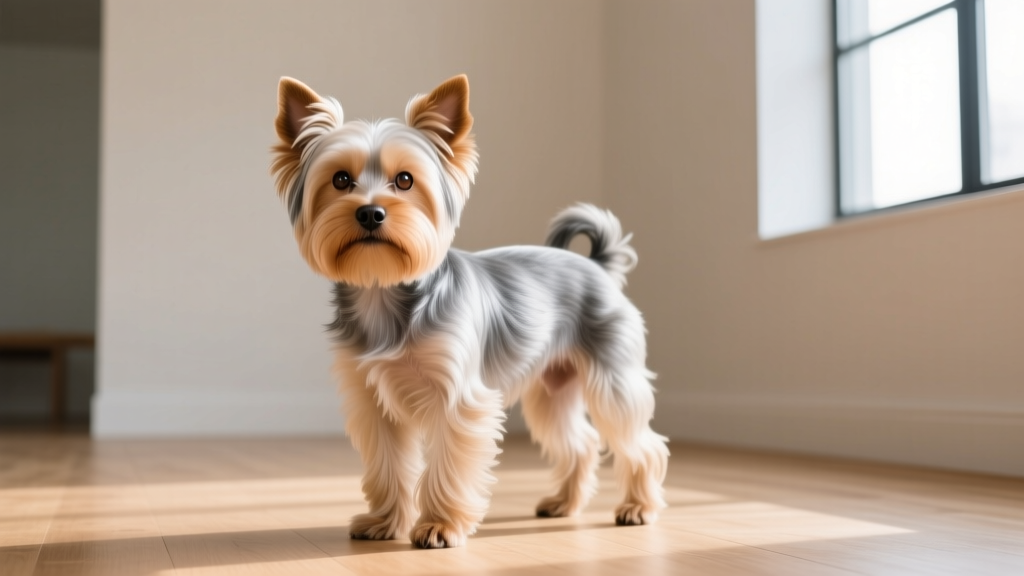
Pyrenees Poodle Mix: Complete Guide to the Pyrenoodle
Everything about the Pyrenees Poodle mix: size, coat types, temperament variability, health risks, grooming needs, and real costs for this designer breed.

What Is a Pyrenees Poodle Mix?
The Pyrenees Poodle mix — commonly called the Pyrenoodle or Pyredoodle — is a designer cross between the Great Pyrenees and the Poodle (most often a Standard Poodle). This mix pairs a massive, independent livestock guardian with one of the most trainable and intelligent breeds in the world. The result is a large, often striking dog that can inherit a fascinating — and sometimes unpredictable — blend of traits from both parent breeds.
Before we break down what you can expect from this cross, it's essential to understand that no two Pyrenees Poodle mixes are identical. Unlike purebred dogs with generations of standardized breeding, designer mixes carry inherent variability. One puppy from the same litter might lean heavily toward the calm, watchful Pyrenees temperament, while a littermate might display the high-energy, eager-to-please nature of the Poodle. This guide will help you understand the range of possibilities so you can decide whether this mix fits your household.
Parent Breed Breakdown
To understand what a Pyrenoodle might become, you need to know the two breeds behind it. Each parent contributes distinct characteristics — and potential challenges.
| Trait | Great Pyrenees | Standard Poodle |
|---|---|---|
| AKC Group | Working Group | Non-Sporting Group |
| Weight Range | 85–120 lb (39–54 kg) males; 85–100 lb (39–45 kg) females | 40–70 lb (18–32 kg) |
| Height | 25–32 in (64–81 cm) | Over 15 in (38+ cm), typically 18–24 in |
| Original Purpose | Livestock guardian (Pyrenees Mountains) | Water retriever (Germany/France) |
| Temperament | Calm, independent, protective, stubborn | Intelligent, eager, energetic, sensitive |
| Shedding | Heavy — double coat, seasonal blowout | Minimal — hair-like coat, low allergen |
| Barking Level | High (guardian instinct) | Moderate |
| Lifespan | 10–12 years | 10–18 years |
The Great Pyrenees is a nocturnal guardian by nature — bred to patrol mountain pastures and make independent decisions about threats. They're gentle with their family but reserved with strangers and notoriously difficult to recall off-leash. The Standard Poodle, despite its fancy show-ring image, is an athletic, highly capable working dog that thrives on mental challenges and close partnership with its handler. These are fundamentally different approaches to life, and a Pyrenoodle may land anywhere on the spectrum between them.
Understanding Generations: F1, F1B, and Beyond
- F1 (First Generation): 50% Great Pyrenees × 50% Standard Poodle. Maximum trait variability — puppies in the same litter can look and behave very differently. Coat type is the biggest gamble.
- F1B (First Generation Backcross): F1 Pyrenoodle × Standard Poodle (75% Poodle, 25% Pyrenees). More likely to inherit the low-shedding Poodle coat. Slightly smaller on average. More predictable temperament leaning toward Poodle traits.
- F1B (Reverse Backcross): F1 Pyrenoodle × Great Pyrenees (75% Pyrenees, 25% Poodle). Less common. Larger dogs with more guardian instinct and heavier shedding likely.
- F2 (Second Generation): F1 Pyrenoodle × F1 Pyrenoodle. Both parents are already mixed, so trait predictability decreases further. Wide variation in size, coat, and temperament within a single litter.
- Multigen (F3+): Multiple generations of Pyrenoodle-to-Pyrenoodle breeding. Rare for this specific cross. Slightly more predictable but never guaranteed — the gene pool remains small.
Most Pyrenees Poodle mixes you'll find from breeders are F1 or F1B. Multigen breeding programs for this specific cross are uncommon compared to Labradoodles or Goldendoodles, which means less generational data on trait consistency. If a breeder tells you their F2 puppies are "guaranteed hypoallergenic," walk away — no responsible breeder makes that claim.
Size, Appearance, and Coat Possibilities
How Big Will a Pyrenees Poodle Mix Get?
Size is one of the more predictable traits in this cross, but there's still a significant range depending on which parent the puppy favors and the size of the Poodle used (some breeders use Moyen/Klein Poodles, which produces a smaller dog).
| Generation | Weight Range | Height (at shoulder) |
|---|---|---|
| F1 (Standard Poodle parent) | 50–100 lb (23–45 kg) | 20–28 in (51–71 cm) |
| F1B (Poodle backcross) | 40–75 lb (18–34 kg) | 18–25 in (46–64 cm) |
| F1B (Pyrenees backcross) | 70–110 lb (32–50 kg) | 24–30 in (61–76 cm) |
| F2 (variable) | 45–95 lb (20–43 kg) | 19–28 in (48–71 cm) |
Expect an adult Pyrenoodle to be a large dog. Even the smaller end of the range puts them firmly in "large breed" territory. Males tend to run larger, and F1 dogs with a particularly big Pyrenees parent can exceed 100 lb (45 kg). Plan for a dog that will take up significant space on your couch, in your vehicle, and in your budget for food and medical care.
Coat Types: The Biggest Gamble
Coat inheritance is where Pyrenees Poodle mixes show the most dramatic variation. The Great Pyrenees carries genes for a thick, weather-resistant double coat with a soft undercoat and longer guard hairs. The Poodle carries genes for a continuously growing, single-layer curly coat that sheds minimally. An F1 puppy inherits one set from each parent, and the expression can be:
- Curly/wavy like the Poodle: Low-shedding, high-maintenance grooming. Needs professional clipping every 6–8 weeks. Most sought-after coat type.
- Straight/medium-length like the Pyrenees: Moderate to heavy shedding, especially during seasonal coat blows. Requires daily brushing during shedding season but less professional grooming.
- A blended "fleece" coat: Wavy, medium-length, moderate shedding. The most common F1 outcome — a compromise between both parents that still requires regular brushing but may not be as demanding as a full Poodle coat.
Color possibilities include white (dominant from the Pyrenees side), cream, apricot, silver, black, or parti-color. Many Pyrenoodles are predominantly white with patches of color — a striking look that echoes the Pyrenees heritage.
Is This Mix Hypoallergenic or Low-Shedding?
No dog is truly hypoallergenic, and the Pyrenees Poodle mix is no exception. While F1B dogs backcrossed to a Poodle have a higher probability of inheriting a low-shedding coat, there is no guarantee. Allergy sufferers should spend time with the specific dog before committing — allergic reactions are triggered by dander and saliva proteins (primarily Can f 1 and Can f 2), not just hair length or shedding volume. Even a low-shedding Pyrenoodle can trigger allergies in sensitive individuals. For detailed information on canine allergens, see the AKC's guidance on hypoallergenic dogs.
Temperament: What to Expect (and What Might Surprise You)
Temperament is where the Pyrenees Poodle mix becomes genuinely unpredictable — and where prospective owners need to be honest about what they can handle.
Best-Case Scenario
A well-socialized Pyrenoodle inherits the Poodle's intelligence and trainability alongside the Pyrenees' calm, gentle demeanor with family members. This dog is alert and aware of its surroundings, loyal to its people, reasonably friendly with strangers after a brief assessment period, and responsive to positive reinforcement training. They're wonderful with children — patient and watchful without being overly reactive.
Challenging Scenario
A Pyrenoodle that inherits strong guardian instincts from the Pyrenees side combined with the Poodle's sensitivity and energy can be a difficult combination for unprepared owners. You might get a dog that:
- Barks excessively — the Pyrenees is notorious for nocturnal barking, and this trait can persist even in mixes
- Shows wariness or reactivity toward strangers — guardian breeds naturally assess newcomers as potential threats
- Resists recall — the Pyrenees was bred to make independent decisions, and "come when called" can feel optional to a dog with strong guardian drive
- Develops separation anxiety — the Poodle's social nature combined with the Pyrenees' attachment to its "flock" can produce a dog that struggles when left alone
- Resource guards or shows territorial behavior — especially if not socialized thoroughly during the critical 3–14 week puppy window
Socialization Is Non-Negotiable
Regardless of which traits your Pyrenoodle inherits, early and ongoing socialization is critical. The window for primary socialization closes around 14–16 weeks of age. During this period, your puppy needs positive, low-pressure exposure to diverse people, surfaces, sounds, other animals, and environments. For guardian-breed mixes, this is especially important — a poorly socialized Pyrenoodle with strong protective instincts can become a liability rather than a companion.
Health Considerations: Hybrid Vigor vs. Reality
Let's address a persistent myth: hybrid vigor does not eliminate health problems. The concept of heterosis (hybrid vigor) is real in animal genetics — crossbred animals can show improved fitness in some traits compared to inbred purebred lines. However, this effect is modest, and it does not protect against conditions that both parent breeds share. A Pyrenoodle can inherit any health issue that affects either the Great Pyrenees or the Poodle.
Conditions Inherited From Both Parents
| Condition | Description | Screening Available? |
|---|---|---|
| Hip Dysplasia | Malformation of the hip joint leading to arthritis. Prevalent in both large breeds. According to the Orthopedic Foundation for Animals (OFA), Great Pyrenees rank with a ~15% dysplasia rate; Standard Poodles ~12%. | Yes — OFA/PennHIP radiographs |
| Gastric Dilatation-Volvulus (Bloat) | Life-threatening stomach torsion. Deep-chested large breeds are at highest risk. This is a veterinary emergency requiring immediate surgery. | No genetic test — preventive gastropexy surgery available |
| Addison's Disease | Adrenal insufficiency causing lethargy, vomiting, and electrolyte imbalances. Higher prevalence in Standard Poodles; reported in Great Pyrenees. | Yes — ACTH stimulation test (diagnostic) |
| Sebaceous Adenitis | Autoimmune skin condition destroying oil glands, causing flaky skin and hair loss. Documented in both breeds. | Skin biopsy (diagnostic, not predictive) |
Pyrenees-Specific Risks
- Osteosarcoma (bone cancer): Great Pyrenees have an elevated risk for this aggressive cancer, which typically affects the limbs. Prognosis is poor even with amputation and chemotherapy — median survival is approximately 12 months with treatment.
- Neuronal degeneration (degenerative myelopathy): Progressive spinal cord disease causing rear-limb weakness. A genetic test is available through OFA.
Poodle-Specific Risks
- Epilepsy: Idiopathic (cause unknown) epilepsy has a documented genetic component in Standard Poodles. Seizure management requires lifelong medication in many cases.
- Progressive Retinal Atrophy (PRA): Genetic eye disease causing gradual blindness. DNA tests are available for the prcd-PRA mutation common in Poodles.
- Von Willebrand Disease: A blood clotting disorder. DNA testing is available.
A responsible breeder will provide health clearances for both parent dogs — not just the Poodle. Ask for OFA hip scores, eye clearance from a veterinary ophthalmologist (CERF), and any breed-relevant DNA test results. If a breeder cannot or will not provide these, that is a significant red flag.
Grooming and Daily Care Requirements
Grooming needs depend entirely on which coat type your Pyrenoodle inherits — and this is something you won't fully know until the puppy's coat matures around 6–9 months of age.
Coat Care by Type
| Coat Type | Brushing Frequency | Professional Grooming | Estimated Annual Cost |
|---|---|---|---|
| Curly (Poodle-dominant) | Daily to every other day | Every 6–8 weeks ($75–$120/session) | $600–$1,000+ |
| Wavy/fleece (blend) | 3–4 times per week | Every 8–10 weeks ($65–$100/session) | $400–$650 |
| Straight (Pyrenees-dominant) | 2–3 times weekly; daily during shedding season | Optional; de-shedding treatments ($50–$80) | $100–$300 |
Regardless of coat type, budget for these ongoing care items:
- Nail trims: Every 3–4 weeks ($15–$25 at a groomer, or learn to do it at home with a Dremel or guillotine clipper)
- Ear cleaning: Weekly — especially for floppy-eared dogs prone to ear infections. Use a veterinarian-recommended ear cleanser.
- Dental care: Daily tooth brushing with enzymatic dog toothpaste (VOHC-accepted products). Professional dental cleaning under anesthesia every 1–3 years ($300–$800).
Exercise Needs
Plan for 45–90 minutes of daily activity, adjusted for age and individual energy level. This isn't a breed that thrives on a single 15-minute leash walk. Pyrenoodles benefit from:
- Long leash walks or hiking (30–60 minutes)
- Structured play sessions (fetch, flirt pole, swimming)
- Mental enrichment — puzzle feeders, snuffle mats, scent work, and training sessions
- Supervised yard time (a securely fenced yard is essential — invisible fences will not contain a guardian-breed mix with a patrol instinct)
Puppies should follow the "5 minutes per month of age" guideline for structured exercise to protect developing joints. A 4-month-old puppy gets about 20 minutes of structured walking, twice daily, with additional free play as desired.
Cost Breakdown: Purchase Price and Lifetime Expenses
How Much Does a Pyrenees Poodle Mix Cost?
| Source | Price Range | Notes |
|---|---|---|
| Responsible breeder (health-tested parents) | $1,200–$3,000 | Includes health clearances, early socialization, take-back clause, spay/neuter contract |
| Backyard breeder / online listing | $500–$1,500 | Rarely includes health testing; higher risk of inherited conditions and behavioral issues |
| Breed-specific rescue / shelter | $200–$500 | Availability is limited. Check Great Pyrenees rescues and Poodle rescues — mixes occasionally appear. Also search Petfinder and Adopt-a-Pet. |
First-Year Estimated Expenses
Beyond the purchase price, budget for the following in your puppy's first year:
- Initial veterinary care (vaccines, deworming, spay/neuter, microchip): $500–$1,200
- Food (large-breed puppy formula, AAFCO complete-and-balanced): $600–$1,000/year
- Grooming: $300–$1,000 depending on coat type
- Supplies (crate, bed, leash, harness, bowls, toys): $300–$600
- Training classes (puppy socialization + basic obedience): $200–$500
- Pet insurance (recommended for large breeds): $50–$90/month ($600–$1,080/year)
Total first-year estimate: $3,500–$6,400 (including puppy purchase from a responsible breeder). Subsequent years typically run $2,000–$4,000 annually for routine care, food, grooming, and insurance.
Who Should (and Shouldn't) Get a Pyrenees Poodle Mix?
This Mix Is a Good Fit For:
- Experienced dog owners who have managed large, strong-willed breeds before
- Homes with fenced yards — minimum 5-foot fencing recommended for guardian-mix escape risk
- Families with older children (8+) who understand how to interact respectfully with a large dog
- People who work from home or can arrange midday company — this mix often struggles with 8+ hours alone
- Owners committed to ongoing training and socialization through the dog's first 2 years at minimum
- Rural or suburban settings where barking is less likely to create neighbor conflicts
This Mix Is a Poor Fit For:
- First-time dog owners — the combination of size, potential guardian instincts, and grooming demands is overwhelming without prior experience
- Apartment living — both size and barking tendencies make this challenging in close-quarters housing
- Households wanting a reliably off-leash dog — guardian instinct makes recall unreliable in unfenced areas
- People with severe dog allergies — even Poodle-dominant coats are not guaranteed low-allergen
- Owners who prefer a highly obedient, biddable dog — if the Pyrenees independence comes through strongly, this dog will make its own decisions
Frequently Asked Questions
Are Pyrenees Poodle mixes good with other dogs?
Generally yes, particularly if raised together or properly introduced. However, the Great Pyrenees' guardian instinct can manifest as territorial behavior toward unfamiliar dogs entering their perceived space. Same-sex aggression is occasionally reported. Early puppy socialization with diverse, vaccinated dogs is critical. Always supervise introductions with new dogs, and consult a certified behaviorist if you observe resource guarding or territorial reactivity.
Do Pyrenees Poodle mixes bark a lot?
Many do. The Great Pyrenees was bred to bark as a deterrent — they announce anything unusual, especially at night. This trait can carry strongly into the mix. While training can reduce nuisance barking, you cannot eliminate a deep-seated guardian instinct. If you live in a neighborhood with close neighbors or noise ordinances, this is a serious consideration. White noise machines and keeping the dog indoors at night can help manage nocturnal barking.
How long do Pyrenees Poodle mixes live?
Expect a lifespan of 10–14 years. The Poodle parent's longer lifespan (up to 18 years in some lines) may extend the mix's longevity compared to a purebred Great Pyrenees, but large body size is the primary limiting factor. Maintaining a lean body condition score (BCS of 4–5 on a 9-point scale) is one of the most impactful things you can do to maximize lifespan — obesity significantly shortens life in large breeds and increases joint disease risk.
Can Pyrenees Poodle mixes be service or therapy dogs?
Some individuals can excel in therapy work, particularly those inheriting the Poodle's calm focus and the Pyrenees' gentle nature. However, the unpredictability of temperament in a mixed breed makes them less reliable candidates for formal service dog work, where consistency and biddability are essential. If you're specifically seeking a service dog, a purpose-bred dog from a program with tested, predictable lineage is a more reliable choice.
What should I feed a Pyrenees Poodle mix puppy?
Feed a large-breed puppy formula that meets AAFCO nutrient profiles for growth (including large-breed growth). Look for a statement on the label: "This food is formulated to meet the nutritional levels established by the AAFCO Dog Food Nutrient Profiles for growth/all life stages, including growth of large-size dogs." Large-breed puppy formulas have controlled calcium and phosphorus ratios to support proper bone development and reduce hip dysplasia risk. Transition to adult large-breed food around 18–24 months, as giant breeds mature slowly.
Aaron Whyte
All our authors care for dogs every day — read more of their work on the authors page.