Yorkie Poos: The Complete Guide to the Yorkipoo Designer Dog
Everything about Yorkie Poos: parent breeds, size range, coat types, temperament variability, health risks, grooming needs, and 2026 pricing.
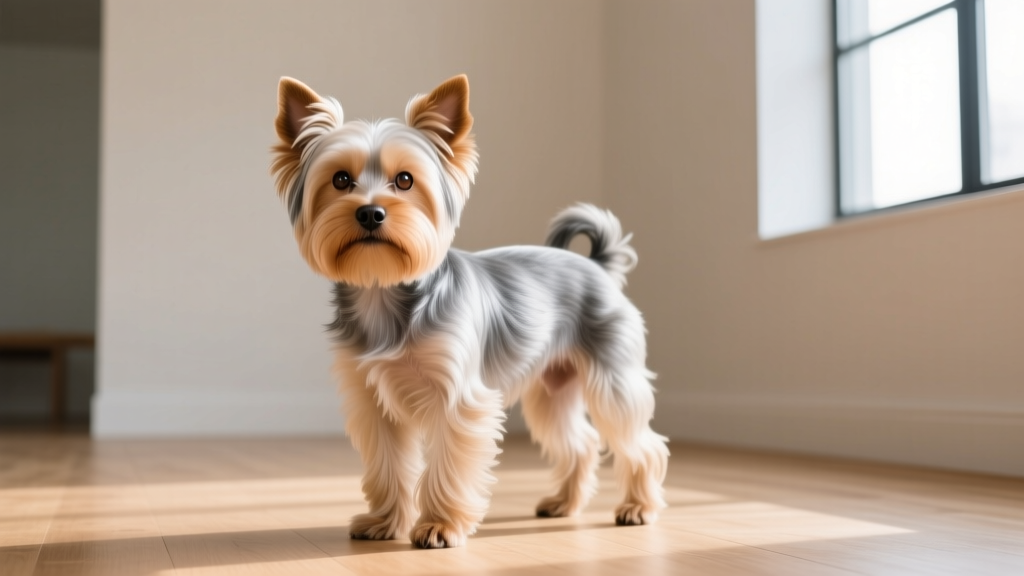
If you've spent any time browsing designer dog listings, you've likely encountered Yorkie Poos — a cross between the Yorkshire Terrier and the Poodle (typically Toy or Miniature). Marketed under names like Yorkipoo, Yorkie-poo, and Yorkiedoodle, these small companion dogs have carved out a loyal following among apartment dwellers and allergy-conscious owners. But unlike purebred dogs with predictable breed standards, Yorkie Poos are inherently variable. One litter can produce puppies that look, behave, and shed differently from their siblings.
This guide breaks down what you can realistically expect when bringing a Yorkie Poo into your home — including the traits that are fairly predictable, the ones that are a genetic coin toss, and the health screenings any responsible breeder should provide.
Parent Breed Breakdown: Yorkshire Terrier Meets Poodle
Understanding a Yorkie Poo starts with understanding the two breeds behind the mix. Each parent contributes a distinct set of traits, and which ones a given puppy inherits is where the variability begins.
| Trait | Yorkshire Terrier | Toy/Miniature Poodle |
|---|---|---|
| AKC Group | Toy Group | Toy or Non-Sporting (Miniature) |
| Weight Range | 4–7 lb (1.8–3.2 kg) | Toy: 4–6 lb / Mini: 10–15 lb (1.8–2.7 kg / 4.5–6.8 kg) |
| Height | 7–8 in (18–20 cm) | Toy: ≤10 in / Mini: 10–15 in (25–38 cm) |
| Coat Type | Long, silky, single coat; minimal shedding | Dense, curly, single coat; minimal shedding |
| Temperament | Bold, vocal, affectionate with family, wary of strangers | Intelligent, eager to please, sensitive, social |
| Energy Level | Moderate — short bursts of activity | Moderate to high — needs mental stimulation |
| Lifespan | 11–15 years | 12–15 years (Toy), 10–18 years (Miniature) |
| Trainability | Moderate — can be stubborn, responds to positive methods | High — consistently ranks among most trainable breeds |
| Barking | High — natural watchdog tendency | Moderate — alert but less persistently vocal |
Both parent breeds are small, intelligent, and low-shedding — which is why the Yorkipoo appeals to people seeking a compact companion with allergy-friendly potential. But the Yorkie's terrier-driven independence and the Poodle's sensitivity produce a temperament range that varies significantly between individual dogs.
How Big Will a Yorkie Poo Get? Size Range and Variability
Because breeders typically cross Yorkshire Terriers with either Toy or Miniature Poodles, the size range for Yorkie Poos spans a meaningful gap. The specific Poodle parent used is the single biggest factor in adult size.
| Parent Cross | Expected Weight | Expected Height | Typical Build |
|---|---|---|---|
| Yorkie × Toy Poodle | 4–8 lb (1.8–3.6 kg) | 7–10 in (18–25 cm) at shoulder | Very small, fine-boned |
| Yorkie × Miniature Poodle | 7–15 lb (3.2–6.8 kg) | 9–14 in (23–36 cm) at shoulder | Small but sturdier frame |
Even within the same litter, puppies can land at different points on this spectrum. If a breeder cannot tell you which Poodle size was used — or if they advertise a guaranteed adult weight — treat that as a red flag. Reputable breeders provide parent weights and let genetics do the rest.
Understanding Generations: F1, F1B, F2, and Multigen Yorkie Poos
Not all Yorkie Poos are created equal — at least not genetically. The generation classification tells you how the cross was made and gives clues about trait predictability.
Generation Classifications
- F1 (First Generation): One purebred Yorkie parent × one purebred Poodle parent. Maximum genetic diversity, but least predictable coat and appearance. Puppies in the same litter may look quite different from each other.
- F1B (First Generation Backcross): An F1 Yorkipoo × a purebred Poodle (or occasionally a purebred Yorkie). This backcross increases the Poodle (or Yorkie) genetic contribution to roughly 75%, producing more predictable low-shedding coats when backcrossed to a Poodle.
- F2 (Second Generation): Two F1 Yorkie Poos bred together. This generation has the most unpredictable outcomes — coat type, size, and temperament can vary widely even within a single litter.
- F2B / Multigen: An F1 Yorkipoo × an F1B Yorkipoo, or other combinations involving multiple generations of Yorkipoo-to-Yorkipoo breeding. Breeders aim for more consistent traits, but the gene pool remains narrower than established purebreds with closed studbooks.
For allergy-sensitive households, F1B crosses (backcrossed to a Poodle) tend to produce the most consistently low-shedding coats. However, no responsible breeder or veterinarian will guarantee a dog is hypoallergenic — individual allergic responses vary based on the specific proteins a dog produces in saliva and dander, not just shedding volume.
Coat Types: What to Expect and Grooming Requirements
Yorkie Poos inherit coat characteristics from both parents, and the result depends heavily on which genes dominate. There are three common coat outcomes:
- Straight to wavy (Yorkie-dominant): Silky, fine-textured hair that grows long if untrimmed. Tends to tangle at the roots. Lower grooming frequency than curly coats but matting risk is high without regular brushing.
- Curly (Poodle-dominant): Dense, tight curls similar to a Poodle's coat. Highest grooming demand — requires brushing every 1–2 days and professional grooming every 4–6 weeks to prevent matting.
- Wavy/shaggy (blended): A loose wave or shaggy texture that combines traits from both parents. Often the most common outcome in F1 crosses. Moderate grooming needs.
Regardless of coat type, plan for regular maintenance: nail trims every 2–3 weeks, ear cleaning weekly (especially for dogs with floppy, Poodle-inherited ears that trap moisture), and daily tooth brushing — small breeds are disproportionately prone to periodontal disease.
Temperament Range: Best-Case Scenarios and Challenging Realities
Yorkie Poos inherit traits from two very different temperamental profiles. The Yorkshire Terrier is a terrier — bold, independent, sometimes stubborn, and naturally inclined to bark at perceived intruders. The Poodle is among the most trainable and socially attuned breeds in existence. Where a given Yorkipoo lands on this spectrum is one of the most variable aspects of the mix.
| Trait | Poodle-Leaning Expression | Yorkie-Leaning Expression | Management Notes |
|---|---|---|---|
| Trainability | Picks up commands quickly, enjoys learning tricks | Capable but selectively motivated — "What's in it for me?" | Use high-value treats (small bits of chicken, cheese); keep sessions under 10 minutes |
| Barking | Alerts to doorbell, then settles | Persistent vocalization at passersby, other dogs, noises | Teach a "quiet" cue using positive reinforcement; avoid yelling (reinforces the behavior) |
| Stranger Response | Curious, warms up within minutes | Wary, may hide or bark defensively | Early socialization (8–14 weeks) is critical; expose to diverse people, surfaces, sounds |
| Separation Tolerance | Moderate — can handle 3–4 hours alone if exercised first | Prone to separation distress, may become destructive or vocal | Gradual desensitization to alone time; puzzle feeders; consider doggy daycare for long workdays |
| Child Compatibility | Gentle, tolerant of calm handling | May snap if handled roughly; fragile frame at risk | Not recommended for children under 8; always supervise interactions |
The best-case Yorkipoo is a bright, affectionate companion who enjoys learning tricks, bonds closely with their family, and adapts well to apartment living. The challenging scenario is a dog that barks excessively, resists training, and becomes anxious when left alone. Both outcomes exist within the same breed cross — which is why early socialization, consistent positive reinforcement training, and realistic expectations matter enormously.
Force-free, reward-based training methods work best for this mix. Their sensitivity (especially Poodle-leaning individuals) means harsh corrections or aversive tools like shock collars can damage trust and increase fear-based behaviors. Look for trainers certified through organizations like the Certification Council for Professional Dog Trainers (CCPDT) who use LIMA (Least Intrusive, Minimally Aversive) principles.
Health Considerations: Hybrid Vigor, Myths, and Real Risks
One of the most persistent claims about designer crosses is "hybrid vigor" — the idea that crossing two breeds automatically produces a healthier dog. The reality is more nuanced. Crossbreeding can reduce the risk of conditions caused by recessive genes that are common within a single closed breed population. However, it does not eliminate health risks. A Yorkipoo can inherit conditions from either parent breed, and some small-breed conditions are common enough that crossing does not meaningfully reduce their prevalence.
Conditions Inherited from the Yorkshire Terrier Side
- Patellar luxation: The kneecap slips out of position. Common in toy breeds; graded I–IV by severity. Surgical correction for Grade III–IV costs $1,500–$3,000 per knee.
- Portosystemic shunt (PSS): A vascular abnormality that allows blood to bypass the liver. Symptoms include stunted growth, seizures, and disorientation. Surgical correction runs $3,000–$6,000 at a specialty center.
- Collapsing trachea: Weakening of the tracheal cartilage rings, causing a honking cough. Common in Yorkies; managed with weight control, harness-only walking (no neck collars), and sometimes surgery.
- Legg-Calvé-Perthes disease: Degeneration of the femoral head (hip joint) in young dogs. Surgical removal of the femoral head typically costs $1,500–$3,000.
Conditions Inherited from the Poodle Side
- Progressive retinal atrophy (PRA): Gradual vision loss leading to blindness. Genetic tests are available for the prcd-PRA variant. No cure, but dogs adapt well to blindness with environmental consistency.
- Addison's disease (hypoadrenocorticism): Adrenal gland insufficiency. Managed lifelong with hormone replacement (fludrocortisone or DOCP injections); monthly medication costs $30–$80.
- Epilepsy: Idiopathic seizures with no identifiable structural cause. Managed with anticonvulsants (phenobarbital, levetiracetam); medication costs $20–$60/month.
Conditions Common to Both Parent Breeds
- Dental/periodontal disease: Small mouths crowd teeth, accelerating plaque buildup. By age 3, an estimated 80% of small-breed dogs show signs of periodontal disease according to the American Veterinary Medical Association. Daily brushing and professional dental cleanings ($300–$800 under anesthesia) are essential.
- Hypoglycemia: Low blood sugar, particularly dangerous in puppies under 6 months. Requires frequent small meals and monitoring.
- Orthopedic Foundation for Animals (OFA) patella evaluation
- OFA or PennHIP hip evaluation (especially for Miniature Poodle parents)
- OFA eye examination by a veterinary ophthalmologist
- Genetic test results for prcd-PRA (Progressive Retinal Atrophy)
- Bile acids test for portosystemic shunt screening (Yorkie parent)
For any health concerns with your Yorkipoo, always consult your veterinarian. Early detection of conditions like patellar luxation or dental disease significantly improves outcomes and reduces long-term treatment costs.
Exercise, Training, and Daily Care Needs
Despite their small size, Yorkie Poos are not sedentary dogs. Both parent breeds are active and intelligent, and underexercised Yorkie Poos often express their pent-up energy through excessive barking, chewing, or hyperactivity.
Daily exercise target: 30–45 minutes of combined physical activity and mental stimulation. This typically breaks down as:
- Two leash walks of 15–20 minutes each (use a harness, not a collar, to protect the trachea)
- Indoor play sessions — fetch, tug, or flirt pole for 10–15 minutes
- Mental enrichment: food puzzle toys (Kong Classic XS, Outward Hound Dog Brick), scent games, or short training sessions
Housebreaking note: Small breeds are notoriously slower to house-train than larger dogs. Their tiny bladders require more frequent outdoor trips — every 1–2 hours for puppies, and no more than 4–5 hours for adults during the day. Crate training with a properly sized crate (just large enough to stand, turn, and lie down) is the most reliable method. Expect 4–8 months of consistent effort before reliable house training, compared to 2–4 months for many larger breeds.
Pricing, Availability, and Finding a Yorkie Poo
Yorkie Poos are widely available from breeders, but pricing varies significantly based on generation, breeder reputation, health testing, and geographic region.
| Source | Price Range (2026) | What's Typically Included |
|---|---|---|
| Backyard breeder / online listing | $400–$900 | Puppy only; rarely health-tested parents; no health guarantee |
| Reputable hobby breeder | $1,200–$2,800 | Health-tested parents (OFA/genetic results), first vaccinations, deworming, microchip, written health guarantee, spay/neuter contract, take-back clause |
| Specialty/boutique breeder | $2,500–$4,500+ | Same as above plus early neurological stimulation (ENS), puppy socialization programs, multigen lineage documentation |
| Breed-specific rescue | $200–$500 | Spayed/neutered, vaccinated, microchipped; adult dogs more common than puppies |
Rescue availability for Yorkie Poos specifically is limited — most mixed-breed small dogs end up in general small-breed rescues rather than Yorkipoo-specific organizations. Check platforms like Petfinder and Adopt-a-Pet, filtering for Yorkshire Terrier and Poodle mixes in your area. Breed-specific rescues for Yorkshire Terriers (such as the Yorkshire Terrier Club of America's rescue network) and Poodles also occasionally take in mixed-breed dogs.
First-Year Budget Estimate
Beyond the purchase or adoption price, plan for these first-year costs:
- Veterinary care (initial exam, vaccinations, spay/neuter if not included): $500–$1,200
- Grooming (6–8 professional sessions): $300–$720
- Food (high-quality small-breed formula, e.g., Royal Canin X-Small or Hill's Science Diet Small Paws): $180–$300/year
- Supplies (crate, harness, leash, bowls, bed, toys): $150–$350
- Pet insurance (optional but recommended for small breeds): $25–$55/month ($300–$660/year)
- Total first-year estimate: $1,830–$4,430 beyond the purchase price
Who Is the Yorkie Poo Best Suited For?
Yorkie Poos thrive in specific living situations and can struggle in others. Here's a practical breakdown:
Ideal fit:
- Apartment or condo dwellers — their small size and moderate exercise needs suit compact living spaces
- Adults or seniors seeking a devoted companion dog
- Households with older children (8+) who understand gentle handling
- People with mild pet allergies who need a lower-shedding dog (with the caveat that no breed is truly hypoallergenic)
- First-time dog owners willing to invest in training and socialization
- Work-from-home individuals — these dogs do not tolerate long hours alone well
Poor fit:
- Families with toddlers or very young children — the Yorkipoo's small frame makes them vulnerable to accidental injury
- Households where the dog will be left alone 8+ hours daily
- Owners unwilling to commit to regular grooming (every 4–6 weeks professionally)
- Anyone seeking a quiet dog — the Yorkie watchdog instinct makes barking a common trait
- Multi-pet households with large, boisterous dogs that could accidentally injure a tiny companion
Frequently Asked Questions About Yorkie Poos
What two breeds make up a Yorkie Poo?
A Yorkie Poo (Yorkipoo) is a cross between a purebred Yorkshire Terrier and a purebred Poodle — typically a Toy Poodle or Miniature Poodle. The specific Poodle size used significantly affects the adult size of the resulting puppies.
Is a Yorkipoo hypoallergenic or low-shedding?
No dog is truly hypoallergenic. Yorkie Poos are generally low-shedding, particularly F1B crosses backcrossed to a Poodle. However, allergic reactions are triggered by proteins in dander and saliva, not just shed hair. Spend time with the specific dog before committing, and consult an allergist if you have known dog allergies.
How long do Yorkie Poos live?
Most Yorkie Poos live 12–15 years, with some reaching 16+ years with excellent care. Small breeds generally have longer lifespans than large breeds. Maintaining a healthy weight, regular dental care, and preventive veterinary checkups are the most impactful factors in longevity.
Do Yorkie Poos bark a lot?
Many Yorkie Poos inherit the Yorkshire Terrier's alert-barking tendency. Expect your dog to vocalize when someone approaches the door, when they hear unfamiliar sounds, or when they see other dogs through a window. Consistent positive reinforcement training can reduce excessive barking, but eliminating it entirely is unrealistic given the breed's terrier heritage.
Are Yorkie Poos good with cats?
Yorkie Poos raised with cats from puppyhood typically coexist well. The Yorkie's prey drive is generally lower than that of larger terrier breeds, but individual variation exists. Introduce gradually and supervise early interactions. Adult Yorkie Poos without prior cat exposure may need a longer adjustment period.
What should I feed a Yorkie Poo?
Choose a high-quality small-breed or toy-breed formula that meets AAFCO nutritional standards for your dog's life stage. Kibble size matters — extra-small kibble (such as Royal Canin X-Small or Purina Pro Plan Toy Breed) is easier for tiny mouths to manage. Feed 1/4 to 1/2 cup daily divided into two meals for adults, adjusting based on body condition score. Puppies under 6 months need three to four meals daily to prevent hypoglycemia.
How do I find a responsible Yorkipoo breeder?
A responsible breeder will: provide health testing documentation for both parents (OFA, genetic tests), allow you to meet the parent dogs, ask you detailed questions about your home and lifestyle, offer a written health guarantee and take-back clause, and never have puppies available year-round or through third-party pet stores. The American Kennel Club marketplace lists purebred parents that may be part of designer cross programs. Avoid breeders who ship puppies without a video meeting or who cannot answer specific questions about their breeding program.
Priya Sutaria
All our authors care for dogs every day — read more of their work on the authors page.


