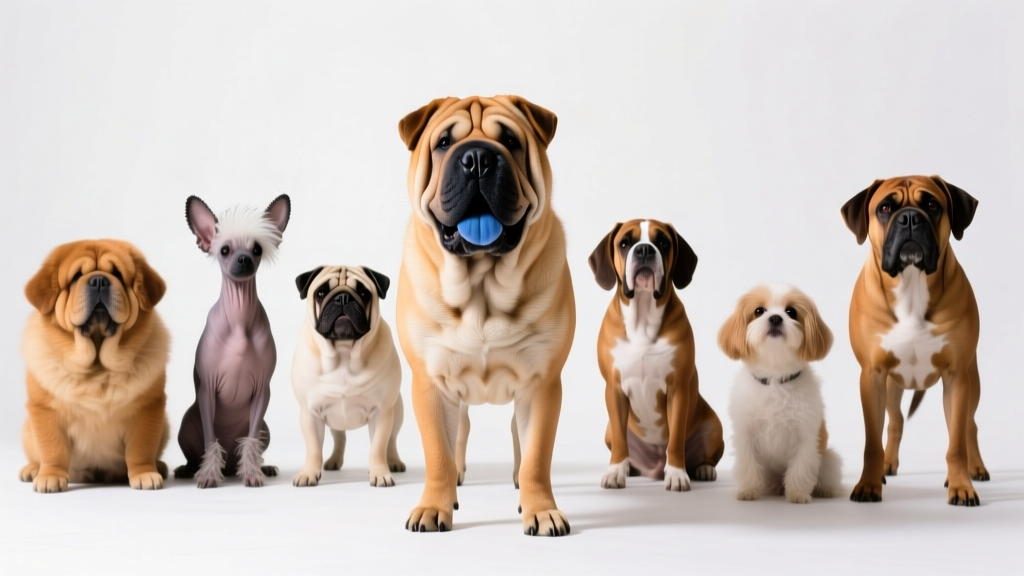
Poodle Puppies and Mixed Breeds: Popular Doodle Designer...
Everything about poodle puppies and doodle mixes: sizes, coats, temperaments, health, and 2026 pricing for Goldendoodles, Labradoodles.

If you've been searching for poodle puppies from designer mixes — Goldendoodles, Labradoodles, Cavapoo, Bernedoodles, or any of the dozens of "doodle" combinations flooding the market — you've likely noticed a confusing landscape of generation labels, wildly varying prices, and conflicting claims about shedding and health. This guide cuts through the marketing hype to give you the veterinary-informed, breeder-realistic picture of what you're actually getting when you bring home a poodle-mix puppy.
Poodle crosses have dominated the designer dog market since the late 1980s, when Australian breeder Wally Conron crossed a Standard Poodle with a Labrador Retriever to create a hypoallergenic guide dog. That first intentional Labradoodle sparked an industry that now produces hundreds of thousands of poodle-mix puppies annually. But unlike purebred dogs governed by AKC breed standards, poodle mixes carry inherent variability that every prospective owner needs to understand before committing.
The Parent Breeds: Why Poodles Anchor the Designer Mix World
Every poodle-mix puppy inherits genes from the Poodle and one other breed. Understanding both parent breeds is essential because your puppy could land anywhere on the spectrum between them. The Poodle contributes intelligence, a low-shedding coat, and an athletic build — but also potential anxiety, high grooming demands, and specific health conditions.
| Trait | Poodle (Standard/Miniature/Toy) | Golden Retriever | Labrador Retriever | Cavalier King Charles Spaniel | Bernese Mountain Dog |
|---|---|---|---|---|---|
| Weight Range | 4–70 lb (2–32 kg) depending on variety | 55–75 lb (25–34 kg) | 55–80 lb (25–36 kg) | 13–18 lb (6–8 kg) | 70–115 lb (32–52 kg) |
| Energy Level | High — needs 60+ min/day | High — 60–90 min/day | High — 60–90 min/day | Low to moderate — 30–45 min/day | Moderate — 45–60 min/day |
| Coat Type | Curly, single-layer, minimal shedding | Dense double coat, heavy shedding | Short double coat, moderate-heavy shedding | Silky, moderate shedding | Long double coat, heavy shedding |
| Trainability | Exceptional — ranked #2 in canine intelligence | Excellent — eager and biddable | Excellent — food-motivated | Good — sensitive, responds to gentle methods | Moderate — willing but can be stubborn |
| Lifespan | 12–18 years (smaller varieties live longer) | 10–12 years | 10–12 years | 12–15 years | 7–10 years |
| Key Health Risks | Addison's disease, bloat, hip dysplasia, progressive retinal atrophy | Cancer (60% incidence), hip dysplasia, heart disease | Hip/elbow dysplasia, obesity, exercise-induced collapse | Mitral valve disease (nearly universal by age 10), syringomyelia | Cancer, hip dysplasia, degenerative myelopathy |
The Poodle comes in three AKC-recognized sizes — Toy (4–6 lb / 2–3 kg), Miniature (10–15 lb / 5–7 kg), and Standard (40–70 lb / 18–32 kg) — which is why poodle mixes can range from a 6-pound Cavapoo to a 90-pound Bernedoodle. The Poodle variety used in the cross directly determines the size ceiling of the resulting puppies.
Generation Labels Explained: F1, F1B, F2, and Multigen
Why generation matters: The generation label tells you the genetic split between Poodle and the other breed, which directly influences coat type predictability, shedding likelihood, and trait consistency. Here's what each label means:
- F1 (First Generation): One purebred Poodle × one purebred other breed = 50/50 genetic split. These puppies show the widest variation — even within the same litter, you might get one puppy with a tight Poodle curl and another with a straight, shedding coat.
- F1B (First Generation Backcross): An F1 mix × a purebred Poodle = approximately 75% Poodle, 25% other breed. Breeders do this to increase the likelihood of a low-shedding coat. More predictable than F1 but still variable.
- F1BB (Double Backcross): F1B × purebred Poodle = approximately 87.5% Poodle. Very likely low-shedding, but at this point you're essentially getting a Poodle with a small genetic contribution from another breed.
- F2 (Second Generation): F1 × F1 = still 50/50 on average, but with much higher genetic variation. F2 litters are the most unpredictable — puppies can look and behave very differently from each other. Most reputable breeders avoid F2 pairings.
- Multigen (Multigenerational): Two doodle parents bred together over multiple generations. In theory, this produces more consistent puppies, but without a formal breed standard, "multigen" can mean anything from carefully selected lines to casual backyard breeding.
For allergy-sensitive households, F1B and F1BB generations offer the highest probability of a low-shedding coat. However, no poodle mix is guaranteed hypoallergenic — a term the Mayo Clinic notes is a marketing term rather than a veterinary reality, since allergens come from dander and saliva, not just shed hair.
Size Predictions: How Big Will Your Poodle Mix Puppy Get?
This is the most common question from families researching poodle puppies from designer crosses, and the honest answer is: you'll get an estimate, not a guarantee. Even within the same litter, puppies can mature to different sizes depending on which parent's growth genes they inherit.
| Mix Name | Poodle Variety Used | Weight Range | Height Range | Size Category |
|---|---|---|---|---|
| Toy Cavapoo | Toy | 7–13 lb (3–6 kg) | 9–12 in (23–30 cm) | Small |
| Mini Goldendoodle | Miniature | 15–35 lb (7–16 kg) | 13–20 in (33–51 cm) | Small-Medium |
| Cockapoo | Toy or Miniature | 12–24 lb (5–11 kg) | 10–15 in (25–38 cm) | Small |
| Medium Labradoodle | Miniature or small Standard | 30–50 lb (14–23 kg) | 18–22 in (46–56 cm) | Medium |
| Standard Goldendoodle | Standard | 50–90 lb (23–41 kg) | 20–26 in (51–66 cm) | Large |
| Bernedoodle | Standard | 50–90 lb (23–41 kg) | 18–29 in (46–74 cm) | Large |
| Sheepadoodle | Standard | 45–80 lb (20–36 kg) | 18–27 in (46–69 cm) | Large |
A practical rule of thumb: take the average of the two parents' weights and add or subtract 15–20%. If the breeder can show you the actual parent dogs, you'll get a much better estimate than any online calculator can provide. For mixed-breed puppies of unknown parentage (common in rescues), a DNA test like Embark or Wisdom Panel ($79–$199) can identify breed composition and estimate adult size.
Coat Types and the Hypoallergenic Question
The coat your poodle-mix puppy develops is one of the most variable — and most frequently misrepresented — traits in the designer dog world. Here's what genetics actually tells us:
Three coat possibilities in poodle mixes:
- Curly/Wool coat (Poodle-dominant): Tight curls similar to a purebred Poodle. Lowest shedding. Requires professional grooming every 6–8 weeks. Most common in F1B and multigen puppies.
- Wavy/Fleece coat (Blended): Loose waves with a softer texture. Low to moderate shedding. Still requires regular grooming but is easier to maintain at home. Common in F1 puppies.
- Straight/Flat coat (Other breed-dominant): Straight or slightly wavy hair that closely resembles the non-Poodle parent. Moderate to heavy shedding. Lowest grooming demands but not suitable for allergy sufferers. Appears in roughly 25% of F1 litters.
Coat Predictability by Generation:
- F1: ~50% chance of low-shedding coat, ~25% moderate shedding, ~25% heavy shedding
- F1B: ~75% chance of low-shedding coat, ~20% moderate, ~5% heavy shedding
- Multigen (carefully bred): ~80–90% chance of low-shedding coat
- F2: Highly variable — anywhere from 25% to 75% low-shedding depending on parent coats
Ask the breeder to show you the adult coats of both parent dogs and previous litters. A responsible breeder will also offer a coat guarantee or take-back clause if the puppy's adult coat doesn't meet your allergy needs.
Grooming Requirements by Coat Type
| Coat Type | Brushing Frequency | Professional Grooming | Estimated Annual Cost |
|---|---|---|---|
| Curly/Wool | Daily (15–20 min) to prevent matting | Every 6–8 weeks ($65–$120 per session) | $520–$960/year |
| Wavy/Fleece | 3–4 times per week (10–15 min) | Every 8–10 weeks ($55–$100 per session) | $330–$600/year |
| Straight/Flat | 2–3 times per week (5–10 min) | Optional — bath and trim as needed | $100–$300/year |
Budget for grooming before you commit to a poodle-mix puppy. Curly-coated doodles that aren't brushed regularly develop painful mats close to the skin, often requiring a full shave-down at the groomer — and in severe cases, veterinary intervention for skin infections beneath the mats.
Temperament: What to Expect (and What Can Go Wrong)
Poodle mixes are marketed as having the "best of both breeds" — the Poodle's intelligence plus the other breed's easygoing nature. In reality, temperament inheritance is unpredictable, and the combination doesn't always produce the ideal outcome.
Best-case scenario: Your puppy inherits the Poodle's trainability and the other breed's social confidence, resulting in a dog that learns quickly, adapts well to new situations, and gets along with children, strangers, and other animals. This is what good breeders select for, and it's achievable with proper socialization during the critical 3–14 week window.
Challenging scenario: Your puppy inherits the Poodle's sensitivity and wariness alongside the other breed's high energy or prey drive. This can produce a dog that is intelligent but anxious, reactive on leash, or difficult to manage in stimulating environments. Poodles are not the easygoing dogs many people imagine — they are thinking dogs that need mental engagement, and without it, they develop problem behaviors like excessive barking, resource guarding, or separation anxiety.
Temperament factors you can influence:
- Early socialization (exposure to 100+ people, surfaces, sounds, and environments before 16 weeks)
- Positive reinforcement training — force-free methods using treats, play, and clicker markers work exceptionally well with poodle mixes given their intelligence
- Meeting the parent dogs (temperament has a heritability estimate of roughly 40–60%, per Merck Veterinary Manual)
- Consistent daily mental exercise — puzzle feeders, scent work, trick training — not just physical walks
Temperament factors you cannot control: genetic predisposition to anxiety, noise sensitivity, reactivity thresholds, and same-sex aggression tendencies that may emerge at social maturity (18–36 months).
Health Considerations: Debunking the Hybrid Vigor Myth
One of the most persistent claims in the designer dog market is that poodle mixes are inherently healthier than purebreds due to "hybrid vigor" (heterosis). Here's what veterinary science actually shows:
Hybrid vigor is a real genetic phenomenon — it refers to the reduced likelihood of inheriting recessive genetic disorders when two unrelated breeds are crossed. If both Poodles and Golden Retrievers carry different recessive disease genes, their F1 offspring are less likely to inherit two copies of the same defective gene. This is genuinely beneficial.
However, hybrid vigor does not protect against:
- Dominant or polygenic conditions: Hip dysplasia, elbow dysplasia, and certain cancers have complex inheritance patterns that cross breed boundaries. Both Poodles and Golden Retrievers are predisposed to hip dysplasia, so Goldendoodle puppies can inherit it from either parent line.
- Structural issues: If both parent breeds share a body conformation risk (e.g., deep-chested breeds and bloat/GDV), the mix inherits that risk too. Standard Poodles and Golden Retrievers are both at elevated risk for gastric dilatation-volvulus (bloat).
- Poor breeding practices: A doodle bred from untested parents with no health screening is not healthier than a purebred from OFA/PennHIP-tested lines. Health testing of parent dogs matters far more than the cross itself.
Health Conditions to Screen For by Popular Mix
| Poodle Mix | Conditions From Poodle Line | Conditions From Other Breed Line | Shared Risk Conditions |
|---|---|---|---|
| Goldendoodle | Addison's disease, sebaceous adenitis, von Willebrand disease | Hemangiosarcoma, lymphoma, ichthyosis | Hip dysplasia, bloat (GDV), progressive retinal atrophy |
| Labradoodle | Addison's disease, Legg-Calvé-Perthes (miniature lines) | Exercise-induced collapse, tricuspid valve dysplasia | Hip/elbow dysplasia, bloat, obesity predisposition |
| Cavapoo | Patellar luxation, Legg-Calvé-Perthes | Mitral valve disease, syringomyelia, episodic falling | Patellar luxation, dental overcrowding (small mouths) |
| Bernedoodle | Addison's disease, sebaceous adenitis | Degenerative myelopathy, histiocytic sarcoma | Hip dysplasia, bloat, elbow dysplasia |
When evaluating a breeder, ask for documentation of health testing on both parent dogs. The Orthopedic Foundation for Animals (OFA) database lets you verify hip, elbow, eye, and cardiac clearances by the dog's registered name or microchip number. Minimum health testing for poodle-mix parents should include:
- Hip evaluation (OFA or PennHIP) — both parents
- Eye examination by a veterinary ophthalmologist (CERF/OFA) — annually
- Breed-specific DNA panel (PRA, von Willebrand, degenerative myelopathy as applicable)
- Cardiac evaluation for large-breed mixes
Always consult your veterinarian about breed-appropriate health screening once you bring your puppy home. They can recommend baseline testing and establish a wellness protocol tailored to your dog's specific mix and risk profile.
Pricing and Availability: What Poodle Puppies Actually Cost in 2026
Poodle-mix puppy prices vary dramatically based on generation, breeder reputation, location, size, and coat color (yes, "rare" colors like merle or phantom command premiums, though merle breeding in poodle mixes is controversial due to associated deafness and eye defects when two merle carriers are bred together).
| Source | Price Range | What's Typically Included | Red Flags |
|---|---|---|---|
| Reputable breeder (health-tested parents, F1/F1B) | $2,500–$5,000 | Health guarantee, first vaccines, microchip, spay/neuter contract, take-back clause, parent health clearances | None — this is what responsible breeding looks like |
| High-volume commercial breeder | $1,500–$3,500 | First vaccines, basic health guarantee | No parent health testing, multiple litters always available, no questions asked of buyer |
| Backyard breeder / online marketplace | $500–$2,000 | Minimal — often just the puppy | No health testing, no contract, no take-back policy, puppies shipped without meeting buyer |
| Breed-specific rescue | $200–$600 adoption fee | Spay/neuter, vaccines, microchip, behavioral assessment | None — adoption is a legitimate, ethical option |
Beyond the purchase price, budget for first-year costs that typically total $2,500–$4,500 for a poodle-mix puppy, including veterinary care ($400–$800 for puppy vaccine series and wellness visits), grooming ($330–$960 depending on coat), supplies ($300–$500 for crate, bed, leash, harness, puzzle toys), training classes ($200–$400 for group puppy classes), pet insurance ($50–$120/month for comprehensive coverage), and high-quality food ($400–$800/year).
Rescue availability for poodle mixes has increased significantly. Organizations like IDOG Rescue, Doodle Rescue Collective, and local shelters frequently have adult doodles and poodle mixes. Adopting an adult dog eliminates the coat-type guesswork and often provides a clearer temperament picture, though you may inherit unknown health history.
Who Should (and Shouldn't) Get a Poodle Mix Puppy
Best fit for poodle-mix puppies:
- Active families who can commit to 45–90 minutes of daily exercise plus mental stimulation
- Households with mild dog allergies who need a lower-shedding option (F1B or multigen generations)
- First-time dog owners willing to invest in positive reinforcement training classes — poodle mixes are trainable but need consistent guidance
- Families with children ages 6+ (toy and miniature poodle mixes are fragile and can be injured by rough handling from toddlers)
- People who enjoy grooming as a bonding activity or can budget for regular professional grooming
Poor fit for poodle-mix puppies:
- Households away from home 8+ hours daily without dog-walking or daycare arrangements — poodle mixes are social dogs prone to separation distress
- Budget-constrained owners who cannot absorb $500–$1,000/year in grooming costs
- People seeking a guaranteed hypoallergenic dog — no dog is truly hypoallergenic, and poodle mixes can inherit shedding coats
- Those wanting a low-maintenance dog — between grooming, exercise, mental stimulation, and training, poodle mixes are high-engagement companions
- Anyone who prefers predictable traits — if you need certainty about adult size, coat type, or temperament, a well-bred purebred from health-tested lines offers more predictability than any mix
Frequently Asked Questions About Poodle Puppies from Designer Mixes
What two breeds make up a poodle mix?
A poodle mix is a cross between any variety of Poodle (Toy, Miniature, or Standard) and another purebred dog. Common combinations include Golden Retriever (Goldendoodle), Labrador Retriever (Labradoodle), Cavalier King Charles Spaniel (Cavapoo), Cocker Spaniel (Cockapoo), Bernese Mountain Dog (Bernedoodle), and Old English Sheepdog (Sheepadoodle). The specific Poodle variety used determines the size range of the offspring.
How big will my poodle mix puppy get?
Adult size depends on which Poodle variety was used. Toy Poodle mixes typically reach 7–20 lb (3–9 kg), Miniature Poodle mixes reach 15–45 lb (7–20 kg), and Standard Poodle mixes reach 40–90 lb (18–41 kg). The most reliable predictor is averaging the parents' weights and adding or subtracting 15–20%. Ask your breeder for the parents' exact measurements.
What will the temperament be like?
Poodle mixes tend to be intelligent, social, and trainable, but individual temperament varies significantly. You may get a confident, easygoing dog or a sensitive, high-strung one — even within the same litter. Meeting the parent dogs provides the best temperament indicator. Plan for early socialization (before 16 weeks) and positive reinforcement training regardless of the puppy's initial personality.
Is a poodle mix hypoallergenic or low-shedding?
No dog is truly hypoallergenic. Allergens come from dander (skin flakes) and saliva, not just shed hair. Poodle mixes are more likely to be low-shedding than many purebreds, but it's not guaranteed — especially in F1 (first-generation) crosses. F1B puppies (backcrossed to a Poodle) have roughly a 75% chance of inheriting a low-shedding coat. If allergies are a concern, spend time with the specific puppy before committing and consider consulting an allergist.
What health issues might a poodle mix inherit?
Poodle mixes can inherit conditions from either parent breed. Common concerns include hip dysplasia (both parent lines), progressive retinal atrophy, Addison's disease (from the Poodle side), and breed-specific cancers or cardiac conditions from the other parent. The hybrid vigor concept reduces recessive disease risk but does not eliminate polygenic conditions like hip dysplasia or bloat. Always verify that the breeder has performed OFA health clearances on both parent dogs.
How much does a designer poodle mix puppy cost?
From a reputable breeder with health-tested parents, expect to pay $2,500–$5,000 depending on the mix, generation, and location. Backyard breeders and online sellers may charge $500–$2,000 but typically skip health testing and guarantees. Breed-specific rescues offer adult poodle mixes for $200–$600 adoption fees. First-year care costs add $2,500–$4,500 on top of the purchase price.
Are poodle mixes easier to train than purebreds?
Not necessarily easier, but often faster to learn due to the Poodle's high intelligence ranking. The challenge is that intelligent dogs get bored quickly and need varied mental stimulation — puzzle toys, trick training, scent games, and agility exercises. Training sessions should be short (5–10 minutes), frequent, and reward-based. Avoid aversive tools like shock collars or prong collars, which can damage the trust and confidence of a sensitive poodle mix.
Beth Carrasco
All our authors care for dogs every day — read more of their work on the authors page.