Shar Pei Dog Breed and 9 Similar Wrinkly, Loyal Companions Compared
Is the Shar Pei dog breed right for you? We compare the Shar Pei with 9 similar wrinkly, independent, and loyal breeds to help you decide.
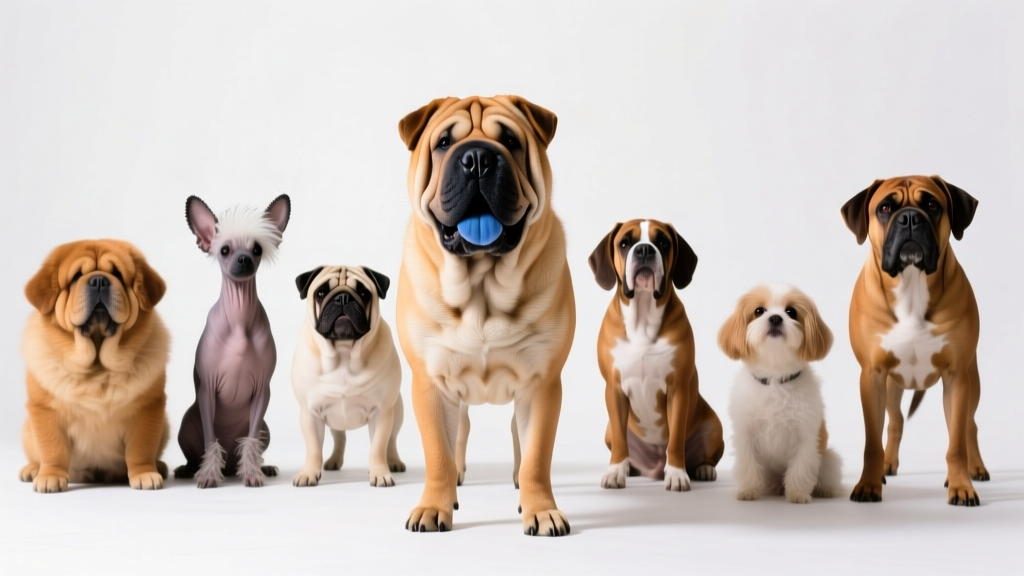
The Shar Pei dog breed stands out in the canine world for its distinctive deep wrinkles, blue-black tongue, and famously independent temperament. Originally bred as a guard and fighting dog in southern China, the Shar Pei has evolved into a devoted — if somewhat aloof — family companion. But this breed isn't for everyone. Their stubborn streak, specific health vulnerabilities, and reserved nature with strangers mean prospective owners should carefully consider whether a Shar Pei fits their lifestyle — or whether a similar breed might be a better match.
In this guide, we break down the Shar Pei alongside nine other breeds that share key traits: wrinkled or distinctive coats, loyal-but-independent temperaments, moderate energy levels, and strong guardian instincts. Whether you're drawn to the Shar Pei's looks, personality, or history, this comparison will help you make an informed decision.
How We Selected These Breeds: Our Criteria
To qualify for this comparison, each breed had to meet at least three of the following five benchmarks:
- Distinctive physical traits: Wrinkles, loose skin, brachycephalic or unique head structure, or unusual coat texture
- Independent temperament: Bred for guarding, watchdog duties, or solo work rather than cooperative pack tasks
- Strong loyalty to family: Deeply bonded to primary owners, often reserved or aloof with strangers
- Moderate energy level: Requiring 30–60 minutes of daily exercise rather than high-intensity endurance activity
- Comparable size class: Medium to large (30–90 lb / 14–41 kg) to match the Shar Pei's physical footprint
Breeds were evaluated using data from the American Kennel Club breed standards, the Merck Veterinary Manual, and practical experience working with owners of these breeds in clinical and training settings.
The Shar Pei Dog Breed: Your Baseline Profile
#1 — Chinese Shar Pei
Size Class: Medium (45–60 lb / 20–27 kg; 18–20 in / 46–51 cm at shoulder)
Key Matching Traits: Deep wrinkles, blue-black tongue, extremely independent, strong guardian instinct
Profile: The Shar Pei is the benchmark for this entire list. Originating in Guangdong province over 2,000 years ago, they were used as farm guardians, hunters, and unfortunately fighting dogs. Today's Shar Pei is calmer but retains a dignified, cat-like independence. They bond intensely with one or two people and are famously suspicious of strangers. Expect a dog that follows you from room to room but rarely demands lap time.
Why it made the list: As the anchor breed, the Shar Pei defines every criterion. Their unique combination of loose skin, hippopotamus-shaped head, and sandpaper-textured coat has no true equal in the dog world.
Health note: Shar Peis are prone to Shar Pei fever (familial renal amyloidosis), skin fold infections (intertrigo), entropion, and hip dysplasia. Budget $1,500–$3,000 annually for veterinary care, and always consult your veterinarian about breed-specific screening.
9 Breeds Similar to the Shar Pei
#2 — Chinese Chongqing Dog
Size Class: Medium (40–55 lb / 18–25 kg; 16–19 in / 41–48 cm)
Key Matching Traits: Wrinkled face, ancient Chinese origin, rare guardian breed, aloof with strangers
Profile: Often called the Shar Pei's closest relative, the Chongqing Dog dates back to the Han Dynasty (206 BC–220 AD). They share the Shar Pei's wrinkled brow and muscular build but have a short, smooth mahogany coat without the extreme loose skin. Extremely rare outside China — fewer than 2,000 are estimated to exist worldwide. They're slightly more athletic and agile than the Shar Pei, with a stronger prey drive.
Why it made the list: Closest genetic and historical cousin to the Shar Pei. If you want a Shar Pei-like dog with fewer skin-fold health issues, this is the closest match — if you can find one.
#3 — Neapolitan Mastiff
Size Class: Giant (110–150 lb / 50–68 kg; 24–31 in / 61–79 cm)
Key Matching Traits: Extreme facial wrinkles and loose skin, powerful guardian instinct, low energy, deeply loyal
Profile: If you love the Shar Pei's wrinkles but wish they came in a larger package, the Neapolitan Mastiff (or "Neo") delivers. Descended from Roman war dogs, Neos are massive, drooling, and spectacularly wrinkled. They're calm indoors but intimidating at the door. Training requires patience — Neos are willful and respond poorly to harsh methods. Use positive reinforcement exclusively; food motivation works best.
Why it made the list: The most wrinkled breed on the planet. Shares the Shar Pei's guardian heritage and low-energy indoor demeanor, just scaled up dramatically.
Health note: Neos have a shorter lifespan (7–9 years) and are prone to cherry eye, hip dysplasia, and bloat (GDV). Pet insurance premiums run $80–$130/month due to size and breed risk.
#4 — Bullmastiff
Size Class: Large (100–130 lb / 45–59 kg; 24–27 in / 61–69 cm)
Key Matching Traits: Wrinkled forehead, guardian breed, moderate energy, deeply bonded to family
Profile: Originally bred in 19th-century England to silently track poachers on large estates, the Bullmastiff is a quiet, observant guardian. They wrinkle less than a Neo or Shar Pei but share the brachycephalic head shape and powerful build. Bullmastiffs are more trainable than Shar Peis and generally more tolerant of children, though early socialization is critical. They're content with two 20–30 minute walks daily.
Why it made the list: A more family-friendly alternative to the Shar Pei with similar guardian instincts and a calmer demeanor around visitors.
#5 — Chow Chow
Size Class: Medium-Large (45–70 lb / 20–32 kg; 17–20 in / 43–51 cm)
Key Matching Traits: Blue-black tongue (shared with Shar Pei), ancient Chinese origin, extremely independent, cat-like temperament
Profile: The Chow Chow is the Shar Pei's philosophical twin. Both originated in China, both sport blue-black tongues, and both are famously aloof. Chows are fluffier (their dense double coat requires 20–30 minutes of brushing three times weekly) and slightly heavier-boned. They're loyal to their family but can be indifferent to strangers and even other dogs. Chows are notoriously difficult to train off-leash due to their independent nature.
Why it made the list: Shares the blue-black tongue, Chinese heritage, and cat-like independence. If the Shar Pei's skin-care routine feels like too much, the Chow offers a similar personality in a furrier package.
#6 — English Bulldog
Size Class: Medium (40–50 lb / 18–23 kg; 14–15 in / 36–38 cm)
Key Matching Traits: Heavily wrinkled face, brachycephalic structure, low energy, loyal companion
Profile: The English Bulldog packs maximum wrinkles into a compact, low-slung body. They share the Shar Pei's preference for short walks followed by long naps. Bulldogs are more overtly affectionate than Shar Peis — they'll follow you around and lean against your leg — but still carry a stubborn streak that makes training a negotiation. They're excellent apartment dogs if you can manage the snoring and climate control (bulldogs overheat easily above 80°F / 27°C).
Why it made the list: Wrinkles, low energy, and a stubborn-but-loving personality make the Bulldog a strong match for Shar Pei admirers who want a smaller, more cuddly dog.
Health note: Bulldogs are brachycephalic and prone to brachycephalic obstructive airway syndrome (BOAS), skin fold dermatitis, and hip dysplasia. Expect veterinary costs of $1,200–$2,500/year.
#7 — Dogue de Bordeaux (French Mastiff)
Size Class: Large (99–110 lb / 45–50 kg; 23–27 in / 58–69 cm)
Key Matching Traits: Extremely wrinkled face, guardian breed, low-to-moderate energy, deeply loyal
Profile: Made famous by the film Turner & Hooch, the Dogue de Bordeaux is one of the oldest French breeds. Their massive, wrinkled head is proportionally the largest in the dog world relative to body size. Dogues are gentle giants at home but formidable guardians when needed. They drool — a lot — and require regular wrinkle cleaning with a soft cloth and veterinary-approved wipe to prevent yeast infections in skin folds.
Why it made the list: Combines the Shar Pei's wrinkled aesthetic with a more overtly affectionate, people-oriented personality. Ideal for owners who want guardian instincts without the Shar Pei's aloofness.
#8 — Pug
Size Class: Small (14–18 lb / 6–8 kg; 10–13 in / 25–33 cm)
Key Matching Traits: Deeply wrinkled face, ancient Chinese origin, loyal companion, moderate energy
Profile: The Pug proves that wrinkles aren't exclusive to large breeds. Originating in China over 2,000 years ago (possibly sharing ancestors with the Shar Pei), Pugs are compact, expressive, and deeply bonded to their owners. They're far more social than Shar Peis — Pugs love everyone, including strangers, children, and other pets. Their small size makes them ideal for apartments, but their brachycephalic structure means they need climate-controlled environments and short, gentle walks.
Why it made the list: Wrinkles, Chinese heritage, and loyalty in a small package. Perfect for Shar Pei admirers who need a smaller, more social, apartment-friendly dog.
#9 — Bloodhound
Size Class: Large (80–110 lb / 36–50 kg; 23–27 in / 58–69 cm)
Key Matching Traits: Extreme loose skin and wrinkles, independent working style, loyal to handler, moderate energy
Profile: The Bloodhound's loose, wrinkled skin serves a functional purpose — it traps scent particles near the nose during tracking work. While very different from the Shar Pei in purpose (scent hound vs. guardian), Bloodhounds share the independent, sometimes stubborn temperament. They're gentle and affectionate with family but can be single-minded when they pick up a scent. Recall training is essential and should begin by 12 weeks of age using high-value treats and positive reinforcement.
Why it made the list: Extreme wrinkles and a gentle but independent personality. Bloodhounds suit active owners who want a wrinkled breed with more endurance than a Shar Pei.
#10 — Akita
Size Class: Large (70–130 lb / 32–59 kg; 24–28 in / 61–71 cm)
Key Matching Traits: Independent guardian temperament, deeply loyal to family, aloof with strangers, moderate energy
Profile: The Akita doesn't share the Shar Pei's wrinkles, but their temperament is remarkably similar. Japanese Akitas are dignified, quiet, and intensely loyal to their family while being standoffish with strangers. They were originally bred to guard Japanese royalty and hunt large game. Akitas require firm, consistent training from an experienced owner — they're not recommended for first-time dog parents. Early socialization (between 8–16 weeks) is critical to prevent over-guarding behaviors.
Why it made the list: The closest temperament match to the Shar Pei on this list. If personality matters more than wrinkles, the Akita delivers the same loyal-but-independent experience in a larger, fluffier package.
Health note: Akitas are predisposed to autoimmune conditions (VKH-like syndrome, autoimmune hemolytic anemia) and hip dysplasia. Consult your veterinarian about breed-specific screening protocols.
Side-by-Side Comparison: All 10 Breeds
| Breed | Weight (lb / kg) | Wrinkle Level | Energy (min/day) | Stranger-Friendly | Lifespan (years) |
|---|---|---|---|---|---|
| Shar Pei | 45–60 / 20–27 | High | 30–45 | Low | 8–12 |
| Chinese Chongqing Dog | 40–55 / 18–25 | Moderate | 45–60 | Low | 10–14 |
| Neapolitan Mastiff | 110–150 / 50–68 | Extreme | 20–30 | Low | 7–9 |
| Bullmastiff | 100–130 / 45–59 | Moderate | 30–45 | Moderate | 7–9 |
| Chow Chow | 45–70 / 20–32 | Low | 30–45 | Low | 8–12 |
| English Bulldog | 40–50 / 18–23 | High | 20–30 | High | 8–10 |
| Dogue de Bordeaux | 99–110 / 45–50 | Extreme | 30–45 | Moderate | 5–8 |
| Pug | 14–18 / 6–8 | High | 20–30 | High | 13–15 |
| Bloodhound | 80–110 / 36–50 | High | 45–60 | Moderate | 10–12 |
| Akita | 70–130 / 32–59 | None | 45–60 | Low | 10–13 |
Honorable Mentions and Breeds to Avoid
Honorable Mentions
- Basset Hound: Loose skin, low energy, and an independent streak — but far more social and food-motivated than a Shar Pei. Great for families wanting a wrinkled, easygoing companion.
- Mastiff (English): Wrinkled, loyal, and calm — but significantly larger (120–230 lb / 54–104 kg) and more expensive to maintain. Food costs alone run $120–$180/month.
- Thai Ridgeback: Rare, independent, and athletic — shares the Shar Pei's primitive-dog temperament but lacks wrinkles. Best for experienced owners who want a challenge.
Breeds to Avoid If You Want a Shar Pei-Like Dog
- Labrador Retriever: Too social, too eager to please, and too high-energy for someone seeking the Shar Pei's independent, low-key vibe.
- Border Collie: Requires 90+ minutes of intense daily exercise and mental stimulation — the polar opposite of a Shar Pei's exercise needs.
- Golden Retriever: Wonderfully friendly but completely lacks the guardian instinct and stranger-wariness that defines the Shar Pei personality.
Decision Framework: Which Breed Fits Your Life?
- Do you live in an apartment or small home?
→ YES: Choose the Pug (smallest, quietest) or English Bulldog (medium, low-energy).
→ NO, you have a yard: Continue to Step 2. - Do you have children under 12 in the household?
→ YES: Choose the Bullmastiff (patient, tolerant) or Bloodhound (gentle, sturdy). Avoid Shar Peis and Akitas with very young children due to their low tolerance for erratic handling.
→ NO: Continue to Step 3. - Is this your first dog, or do you have prior experience with independent breeds?
→ FIRST DOG: Choose the Bullmastiff or English Bulldog — both are more forgiving of training mistakes than a Shar Pei or Akita.
→ EXPERIENCED OWNER: Continue to Step 4. - Do you want a dog that's affectionate with visitors, or a serious guardian?
→ AFFECTIONATE WITH VISITORS: Choose the Dogue de Bordeaux (loyal but warms up) or Bloodhound (gentle with everyone).
→ SERIOUS GUARDIAN: Choose the Shar Pei (alert, reserved) or Akita (powerful, intimidating). - Can you commit to regular wrinkle/skin-fold maintenance?
→ YES, I'll clean folds 2–3 times weekly: The Shar Pei, Neapolitan Mastiff, or Dogue de Bordeaux are all excellent choices.
→ NO, I want lower grooming demands: Choose the Akita (no wrinkles) or Chow Chow (no skin folds, but heavy shedding).
Costs, Puppy Pricing, and Where to Find These Breeds
Shar Pei puppies from responsible breeders who health-test for amyloidosis, hip dysplasia, and eye conditions typically cost $1,200–$2,500 in 2026. The Neapolitan Mastiff and Dogue de Bordeaux command higher prices ($2,000–$4,500) due to smaller litter sizes and cesarean delivery rates exceeding 60% in some lines.
For all breeds on this list, we recommend checking both responsible breeders (those who perform OFA or PennHIP hip certifications, provide health guarantees, and have take-back clauses) and breed-specific rescues. The AKC Rescue Network and the American Shar Pei Club's rescue coordinator are excellent starting points.
First-year ownership costs for a Shar Pei or similar medium-to-large breed typically range from $3,500–$6,000, including:
- Puppy purchase: $1,200–$2,500
- Initial veterinary visits (vaccines, spay/neuter, microchip): $600–$1,200
- Food (premium kibble or balanced raw diet): $600–$900/year
- Supplies (crate, harness, grooming tools): $200–$400
- Training (group classes or private sessions): $300–$800
- Pet insurance (recommended for wrinkle-prone breeds): $50–$90/month
Frequently Asked Questions
What are the best wrinkly dog breeds similar to the Shar Pei?
The top wrinkled breeds comparable to the Shar Pei include the Neapolitan Mastiff (most wrinkled), English Bulldog (smallest), Dogue de Bordeaux (most affectionate), Bloodhound (most active), and Pug (most apartment-friendly). Each shares the Shar Pei's distinctive skin folds but varies significantly in size, energy, and sociability.
Why is the Chow Chow on this list if it doesn't have wrinkles?
The Chow Chow earns its spot through temperament and heritage rather than physical appearance. Sharing a blue-black tongue, ancient Chinese origin, and an almost identical independent-cat-in-a-dog-body personality, the Chow is the closest temperament match to the Shar Pei for owners who prioritize personality over wrinkles.
How do these breeds compare on trainability?
From easiest to hardest to train: Bullmastiff > Bloodhound > English Bulldog > Pug > Dogue de Bordeaux > Neapolitan Mastiff > Shar Pei > Chow Chow > Akita > Chinese Chongqing Dog. All of these breeds benefit from positive reinforcement methods — force-free training with high-value treats and patience consistently outperforms aversive techniques, which tend to shut down independent breeds entirely.
Which breed should I choose if I work from home and want a loyal companion?
If you work from home and want a dog that bonds deeply without being clingy, the Shar Pei or Chow Chow are ideal — they'll stay in the same room as you without demanding constant attention. If you want more overt affection, the Dogue de Bordeaux or Bullmastiff will lean against your chair and check in regularly.
Are Shar Peis good with other dogs?
Shar Peis tend to be dog-selective rather than dog-aggressive. They do best as the only pet in the household or with a carefully chosen canine companion of the opposite sex. Early socialization (before 16 weeks) significantly improves multi-dog success rates. Always introduce new dogs on neutral territory and use counter-conditioning if resource guarding emerges.
What health tests should I ask a Shar Pei breeder about?
Responsible Shar Pei breeders should provide documentation of: OFA or PennHIP hip evaluation, CERF/OFA eye examination, and DNA testing for familial Shar Pei fever (FSF). Ask for at least three generations of health history. Breeders who cannot provide these clearances should be avoided.
Veterinary Disclaimer: This article is for informational purposes only. Always consult your veterinarian before making decisions about breed-specific health management, diet, or exercise programs. If your dog shows signs of skin fold infection (redness, odor, discharge between wrinkles), schedule a veterinary appointment within 48 hours.
Beth Carrasco
All our authors care for dogs every day — read more of their work on the authors page.


