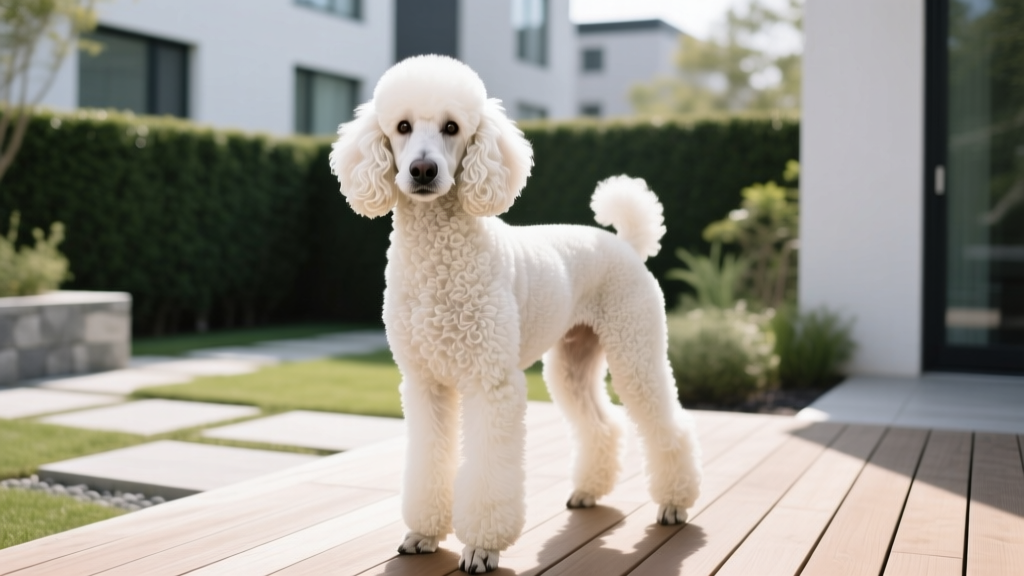
Poodle Cross Sausage Dog: The Complete Dachshund Poodle Mix Guide
Everything about the poodle cross sausage dog (Dachshund Poodle mix): size, coat types, temperament, health risks, generations, cost.

What Exactly Is a Poodle Cross Sausage Dog?
The poodle cross sausage dog — more commonly called the Doodle Dachshund, Dachshund Poodle mix, or sometimes Doxiepoo — is a designer hybrid produced by crossing a Dachshund (the classic "sausage dog") with a Poodle, most often a Miniature or Toy Poodle. This mix has gained steady attention among apartment dwellers and allergy-conscious households looking for a small companion dog with some personality.
Unlike established purebreds recognized by the American Kennel Club (AKC), designer mixes like this one are not governed by a single breed standard. That means individual puppies from the same litter can look, behave, and even shed very differently from one another. If you're researching this cross, the most important thing to understand upfront is that predictability is limited — and that's not a flaw, it's simply the nature of first-generation and early-generation hybrids.
Generation Breakdown: F1, F1B, F2, and Multigen
F1 (First Generation): 50% Dachshund × 50% Poodle. These puppies show the widest trait variation — one pup might have a wiry Dachshund coat while its littermate inherits curly Poodle fur. Temperament is equally unpredictable.
F1B (First-Generation Backcross): An F1 Doodle Dachshund bred back to a Poodle (75% Poodle / 25% Dachshund) or back to a Dachshund (75% Dachshund / 25% Poodle). Backcrossing to a Poodle is more common and typically produces lower-shedding, more consistently curly-coated puppies.
F2 (Second Generation): Two F1 Doodle Dachshunds bred together. Genetic variation remains high — you may see coat types and sizes spanning the full parent-breed range within one litter.
Multigen (F3+): Multiple generations of Doodle Dachshund-to-Doodle Dachshund breeding. Trait consistency improves somewhat, but this cross is still relatively uncommon in multigen form compared to Labradoodles or Goldendoodles.
Parent Breed Breakdown: Dachshund Meets Poodle
To understand what you might get from a poodle cross sausage dog, you need to understand both parent breeds in detail. Each contributes distinct physical and behavioral traits, and the mix can lean heavily toward either side.
| Trait | Dachshund (Miniature) | Poodle (Miniature/Toy) |
|---|---|---|
| AKC Group | Hound | Non-Sporting / Toy |
| Weight Range | 8–11 lb (3.6–5 kg) miniature; 16–32 lb (7–14.5 kg) standard | 4–6 lb (1.8–2.7 kg) Toy; 10–15 lb (4.5–6.8 kg) Miniature |
| Height | 5–6 in (13–15 cm) miniature; 8–9 in (20–23 cm) standard | 10 in (25 cm) and under (Toy); 10–15 in (25–38 cm) Miniature |
| Coat Types | Smooth, wirehaired, or longhaired | Curly or corded, single-layer, low-shedding |
| Energy Level | Moderate — bursts of activity, scent-driven | Moderate to high — intelligent, needs mental stimulation |
| Temperament | Bold, stubborn, loyal, can be wary of strangers | Alert, trainable, sociable, sensitive |
| Lifespan | 12–16 years | 10–18 years (Toy/Miniature) |
| Key Health Risks | IVDD, obesity, dental disease, patellar luxation | Addison's disease, bloat (Standard), progressive retinal atrophy, Legg-Calvé-Perthes |
Most breeders producing this mix pair a Miniature Dachshund with a Miniature or Toy Poodle to keep the offspring small. Standard Dachshund × Standard Poodle crosses exist but are far less common and produce a notably larger dog.
How Big Will a Poodle Cross Sausage Dog Get?
Size is one of the more variable traits in this mix because it depends on which Poodle variety was used and which parent the puppy takes after more strongly. Here's what you can realistically expect:
| Size Category | Weight | Height at Shoulder | Typical Cross |
|---|---|---|---|
| Toy/Teacup End | 5–9 lb (2.3–4 kg) | 5–8 in (13–20 cm) | Mini Dachshund × Toy Poodle |
| Small/Medium | 9–15 lb (4–6.8 kg) | 8–12 in (20–30 cm) | Mini Dachshund × Mini Poodle |
| Larger End (Less Common) | 15–25 lb (6.8–11.3 kg) | 12–15 in (30–38 cm) | Standard Dachshund × Mini Poodle |
Body shape is another wildcard. Some puppies inherit the Dachshund's elongated spine and short legs, while others have the Poodle's more proportional, square build. Many land somewhere in between — a slightly long body with moderate leg length. This matters for health, as we'll discuss below, because the elongated spine carries specific risks.
Coat Types and the Low-Shedding Question
One of the most common reasons people seek out Poodle mixes is the hope of a hypoallergenic, low-shedding dog. Here's the honest answer: no dog is truly hypoallergenic, and a poodle cross sausage dog is no guarantee of a non-shedding coat.
The Poodle contributes a single-layer curly coat that sheds minimally and traps dander close to the skin. The Dachshund, depending on variety, may contribute a smooth short coat (moderate shedder), a wirehaired coat (light shedder with seasonal stripping needs), or a longhaired coat (moderate shedder with feathering). Here's what you might see:
- Curly/wavy coat (Poodle-dominant): Low-shedding, requires professional grooming every 6–8 weeks, prone to matting if brushed less than 3 times per week.
- Wiry or broken coat (mixed inheritance): Light shedding, may need hand-stripping 2–3 times per year, less matting risk than curly coats.
- Smooth or short coat (Dachshund-dominant): Moderate shedding, minimal grooming needed, weekly brushing with a rubber curry brush is sufficient.
F1B puppies backcrossed to a Poodle are statistically more likely to have the curly, lower-shedding coat. If allergy management is your priority, ask the breeder specifically about the coat types of previous litters and request an F1B cross. Even then, spend time with the puppy before committing — allergen reactions are individual, and no coat type eliminates risk entirely.
Temperament: What to Expect (and What Might Surprise You)
The temperament of a poodle cross sausage dog blends two strong-willed, intelligent parent breeds. The best-case scenario gives you an alert, affectionate companion that's eager to learn tricks and deeply bonded to its family. The challenging scenario gives you a dog that's stubborn, vocal, and suspicious of strangers — traits drawn from both parent lines.
| Trait | Best-Case Expression | Challenging Expression | Influencing Parent |
|---|---|---|---|
| Trainability | Quick learner, enjoys trick training | Stubborn, selective hearing when scent is present | Poodle (trainable) vs. Dachshund (independent) |
| Sociability | Friendly with familiar people, polite with strangers | Barking at visitors, slow to warm up, one-person dog | Dachshund wariness + Poodle sensitivity |
| Prey Drive | Mild interest in squirrels, manageable on leash | Intense chasing of small animals, digging, tunneling | Dachshund (bred to hunt badgers) |
| Vocalization | Alert bark at doorbell, otherwise quiet | Frequent barking at noises, separation anxiety howling | Both breeds are vocal |
| Separation Tolerance | Comfortable alone for 3–4 hours with enrichment | Destructive when left alone, clingy, follows owner everywhere | Poodle attachment + Dachshund loyalty |
Early socialization is non-negotiable with this mix. The AVMA recommends structured exposure to diverse people, environments, sounds, and surfaces between 3 and 14 weeks of age. For a breed combination prone to wariness and reactivity, missing this window can result in a dog that's fearful or aggressive toward unfamiliar stimuli throughout its life.
Training should rely exclusively on positive reinforcement methods — food rewards, play rewards, and clicker marking. Both parent breeds are sensitive to harsh corrections. The Dachshund side tends to shut down or become defensively aggressive when punished, while the Poodle side becomes anxious and avoidant. Force-free training isn't just an ethical preference here; it's the approach that actually produces reliable results with these dogs.
Health Considerations: Hybrid Vigor vs. Reality
Let's address a persistent myth: hybrid vigor does not eliminate health risks in designer crosses. The concept of heterosis (hybrid vigor) has documented benefits in livestock production, but in dogs, the health advantage of crossbreeding is modest and highly dependent on the genetic health of both parents. A poodle cross sausage dog can inherit any condition that affects either parent breed — and some structural combinations actually create new risks.
According to the Merck Veterinary Manual, here are the conditions to watch for:
Inherited From the Dachshund Side
- Intervertebral Disc Disease (IVDD): This is the single most important health concern. Approximately 25% of Dachshunds develop IVDD in their lifetime. If your mix inherits the elongated spine, those discs are under the same mechanical stress. Avoid activities that involve jumping on/off furniture, and use ramps for couch and bed access from puppyhood.
- Patellar Luxation: Kneecap dislocation, common in small breeds. Grades I–II may be managed conservatively; Grades III–IV typically require surgical correction ($1,500–$3,500 per knee).
- Obesity Predisposition: Dachshunds gain weight easily, and excess weight dramatically increases IVDD risk. Maintain a body condition score (BCS) of 4–5 out of 9.
Inherited From the Poodle Side
- Progressive Retinal Atrophy (PRA): A degenerative eye condition leading to blindness. DNA tests are available — ask breeders for PRA-clearance results on both parents.
- Legg-Calvé-Perthes Disease: Degeneration of the femoral head, common in Toy and Miniature Poodles. Usually appears between 4–12 months of age and often requires surgical intervention.
- Addison's Disease (Hypoadrenocorticism): An autoimmune condition affecting the adrenal glands. More common in Poodles than the general dog population. Symptoms include lethargy, vomiting, and collapse — requires lifelong hormone replacement.
Structural Combination Risks
If the puppy inherits the Dachshund's long back with the Poodle's more active, athletic drive, you get a dog that wants to jump and run on a spine not designed for high-impact activity. This is a management challenge, not a dealbreaker, but it requires deliberate environmental setup: ramps, restricted stair access, and discouraging furniture jumping from day one.
When to call the vet immediately: If your Doodle Dachshund shows sudden back pain (arching, reluctance to move, crying when picked up), hind leg weakness or dragging, or loss of bladder/bowel control, seek emergency veterinary care. IVDD can progress to paralysis within hours if untreated.
Grooming Needs by Coat Type
Grooming requirements vary dramatically depending on which coat your poodle cross sausage dog inherits. Here's a practical schedule based on the three most common coat outcomes:
| Coat Type | Brushing Frequency | Professional Grooming | Estimated Annual Cost |
|---|---|---|---|
| Curly (Poodle-like) | 3–5 times/week with slicker brush + metal comb | Every 6–8 weeks ($50–$85/session) | $400–$750 |
| Wiry/Broken | 1–2 times/week with pin brush | Hand-stripping 2–3 times/year ($60–$100/session) | $150–$300 |
| Smooth/Short | Weekly with rubber curry brush | Rarely needed; occasional bath | $50–$100 |
Regardless of coat type, plan on the following baseline care for all Doodle Dachshunds:
- Nail trims: Every 2–3 weeks. Overgrown nails alter posture and increase spinal strain — especially important for dogs with elongated backs.
- Ear cleaning: Weekly if the dog has floppy, Poodle-type ears that trap moisture and debris. Use a veterinarian-recommended ear cleanser.
- Dental care: Daily brushing or at minimum 3–4 times per week. Small breeds are disproportionately affected by periodontal disease, which can lead to tooth loss and systemic infection by age 3–5 if neglected.
Cost: What You'll Pay for a Poodle Cross Sausage Dog
Pricing for this designer mix varies considerably based on breeder reputation, location, generation, and whether health testing has been performed on the parent dogs.
| Source | Price Range | What to Expect |
|---|---|---|
| Reputable Breeder (Health-Tested Parents) | $1,200–$3,000 | OFA/PennHIP hip scores, PRA DNA clearance, IVDD screening, early socialization program, health guarantee, take-back clause |
| Casual/Backyard Breeder | $400–$1,000 | Little to no health testing, minimal socialization, no guarantee — higher risk of inherited conditions |
| Puppy Mill / Online-Only Seller | $200–$800 | Avoid entirely. High likelihood of health and behavioral problems. Shipping without meeting puppy is a red flag. |
| Rescue / Adoption | $50–$400 | Dachshund and Poodle breed rescues occasionally receive mixes. Check ASPCA partner shelters and Petfinder. Adult temperament is already known — a significant advantage. |
Beyond the purchase price, budget for first-year expenses including initial veterinary exams, vaccinations (DHPP and rabies series), spay/neuter ($300–$700), microchipping, crate, harness (a harness is essential — never attach a leash to a collar on a dog with potential IVDD risk), and quality food. Realistic first-year total: $2,500–$5,000 including the puppy price. Ongoing annual costs typically run $1,200–$2,500 for food, grooming, routine veterinary care, and preventives.
Who Is This Mix Best Suited For?
The poodle cross sausage dog is not a one-size-fits-all companion. Based on the trait range from both parent breeds, here's a clear picture of who thrives with this mix — and who should consider alternatives.
✓ Great Fit For
- Apartment or condo dwellers (small size, moderate exercise needs)
- Adults or families with children aged 8+ who understand gentle handling
- People home most of the day (this mix does poorly with 8+ hours alone)
- Owners who enjoy trick training and mental enrichment games
- Mild allergy sufferers willing to manage an F1B coat (with realistic expectations)
- Patient first-time dog owners committed to early socialization classes
✗ Think Twice If
- You have toddlers or very young children (small, fragile dogs can be injured by rough handling, and may snap defensively)
- You work long hours away from home without a dog walker or daycare plan
- You want a reliable off-leash hiking companion (high prey drive makes recall unreliable for many individuals)
- You're unwilling to manage stairs, jumping, and spinal health proactively
- You want a guaranteed non-shedding dog (this cross is not predictable enough for that guarantee)
- You have cats or small pets (Dachshund prey drive may make cohabitation stressful)
Exercise needs are moderate: plan on 30–45 minutes of daily activity, split into two walks plus indoor play or puzzle-toy sessions. Mental stimulation matters as much as physical exercise for this intelligent cross — a bored Doodle Dachshund will invent its own entertainment, usually by barking, digging, or destroying something you value.
Frequently Asked Questions
What two breeds make up the poodle cross sausage dog?
This mix is produced by crossing a Dachshund (the "sausage dog") with a Poodle — most commonly a Miniature Poodle or Toy Poodle. The specific Poodle size determines the offspring's likely size range.
How big will this mixed breed get?
Most Doodle Dachshunds weigh between 5–15 lb (2.3–6.8 kg) and stand 5–12 inches (13–30 cm) at the shoulder. Dogs from Standard Dachshund crosses can reach up to 25 lb (11.3 kg). Ask the breeder for parent weights to estimate your puppy's adult size.
What will the temperament be like?
Expect an intelligent, alert, and affectionate dog with a stubborn streak. Trainability ranges from eager (Poodle-leaning) to willful (Dachshund-leaning). Early socialization and consistent positive reinforcement training are essential regardless of which temperament expression you get.
Is this mix hypoallergenic or low-shedding?
No dog is truly hypoallergenic. F1B puppies backcrossed to a Poodle are more likely to have low-shedding curly coats, but F1 and F2 litters can produce smooth-coated, moderate-shedding puppies. If allergies are a concern, spend time with the specific puppy before committing and consult your allergist.
What health issues might this mix inherit?
Key concerns include Intervertebral Disc Disease (IVDD) from the Dachshund side, Progressive Retinal Atrophy and Legg-Calvé-Perthes disease from the Poodle side, and patellar luxation common to both small breeds. Reputable breeders screen parents for these conditions. Always consult your veterinarian for breed-appropriate health screening recommendations.
How much does a poodle cross sausage dog cost?
From a reputable breeder with health-tested parents, expect to pay $1,200–$3,000. Rescue adoption fees range from $50–$400. Avoid breeders offering puppies below $800 without health documentation — this often indicates insufficient care and testing.
How long do Doodle Dachshunds live?
With proper care, most live 12–15 years. Both parent breeds are generally long-lived small dogs, though lifespan can be shortened by untreated IVDD, obesity, or dental disease.
Are Doodle Dachshunds good with children?
They can be excellent with respectful, gentle children aged 8 and older. Due to their small size and potential spinal fragility, they are not recommended for families with toddlers who may pick up, squeeze, or drop the dog. Always supervise interactions between any dog and young children.
This article is intended for informational purposes. Always consult your veterinarian for personalized health, nutrition, and care advice for your dog. If you suspect your dog has ingested a toxic substance, contact the ASPCA Animal Poison Control Center at (888) 426-4435 (24/7, consultation fee applies).
Robin Maitland
All our authors care for dogs every day — read more of their work on the authors page.