Finding Reputable Poodle Breeder: Your Guide to Avoiding...
Learn how to find a reputable poodle breeder, spot red flags, understand health testing requirements, and bring home a healthy Standard, Miniature, or Toy Poodle puppy.
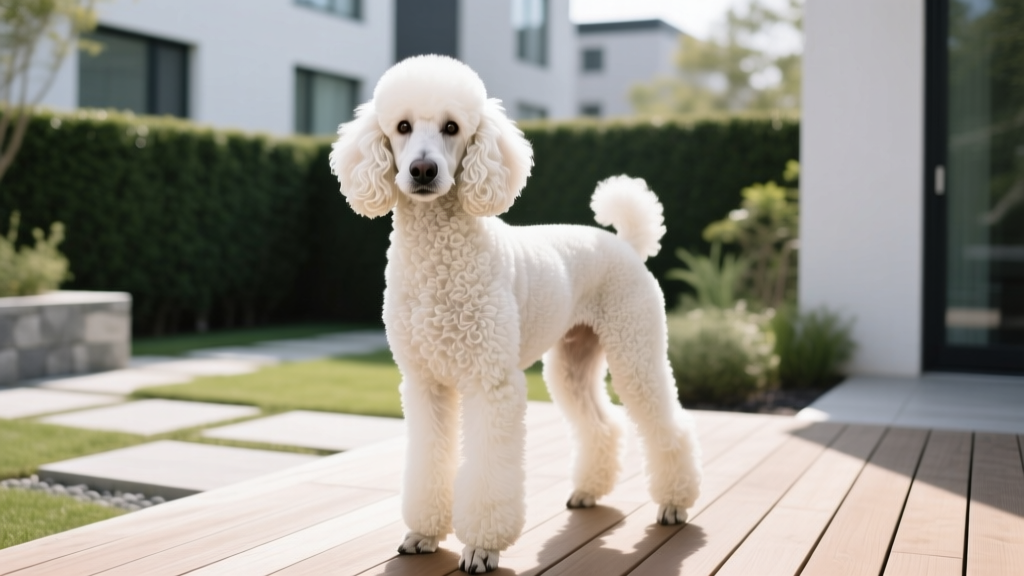
If you've decided a Poodle is the right dog for your family, the single most important decision you'll make is where to get one. A reputable Poodle breeder doesn't just sell puppies — they health-test parent dogs, socialize litters using structured protocols, and stand behind every puppy they produce for life. A bad breeder, on the other hand, can hand you thousands of dollars in veterinary bills and years of heartbreak.
The Poodle consistently ranks among the top five most popular breeds in America, which means demand is high — and so is the number of backyard breeders and puppy mills cashing in. This guide gives you the exact framework to separate ethical breeders from exploitative ones, with specific health tests, price ranges, and questions you should ask before handing over a deposit.
Why Your Breeder Choice Matters More Than You Think
Poodles are generally a healthy, long-lived breed — Standard Poodles average 12–15 years, Miniatures 14–16 years, and Toys 14–18 years. But that longevity depends heavily on responsible breeding practices. Poodles carry known genetic risks: Addison's disease, sebaceous adenitis, hip dysplasia, progressive retinal atrophy (PRA), and von Willebrand disease, among others. A reputable breeder tests for these conditions before breeding. A backyard breeder typically does not.
Consider the math: a puppy from a health-tested breeder may cost $2,500–$5,000 upfront, but a puppy from an untested line can rack up $8,000–$15,000 in veterinary costs within the first two years if it develops hip dysplasia requiring surgery ($3,500–$7,000 per hip) or autoimmune conditions requiring lifelong medication.
The Three Poodle Sizes: What You're Choosing Between
The AKC recognizes three Poodle varieties, all the same breed but different size classifications. Each has distinct considerations for health testing and lifestyle fit.
| Trait | Toy Poodle | Miniature Poodle | Standard Poodle |
|---|---|---|---|
| Height | 10 inches & under (≤25 cm) | 10–15 inches (25–38 cm) | Over 15 inches (38+ cm) |
| Weight | 4–6 lb (1.8–2.7 kg) | 10–15 lb (4.5–6.8 kg) | 40–70 lb (18–32 kg) |
| Lifespan | 14–18 years | 14–16 years | 12–15 years |
| Exercise Needs | 30–45 min/day | 45–60 min/day | 60–90 min/day |
| Best For | Apartments, seniors, travel | Versatile family dogs | Active families, sport homes |
Standard Poodles are athletic, highly trainable dogs that excel in agility, obedience, and even hunt tests. They need genuine physical and mental exercise — a backyard alone won't suffice. Miniatures offer a middle ground: still sporty and intelligent, but more manageable in smaller homes. Toys are companion dogs through and through, though they're surprisingly sturdy and enjoy learning tricks.
Health Testing: The Non-Negotiable Checklist
This is where reputable Poodle breeders separate themselves from everyone else. The Orthopedic Foundation for Animals (OFA) and the Poodle Club of America recommend specific health screenings for each variety. A breeder who says "my vet checked them and they're healthy" is not meeting this standard — a wellness exam does not detect genetic diseases.
Required Health Tests for Standard Poodles
- Hip Evaluation: OFA or PennHIP certification — both parents must be scored. PennHIP provides a distraction index (DI); look for DI ≤ 0.50 for Standards.
- Ophthalmologist Evaluation: Annual CERF (Canine Eye Registration Foundation) exam by a board-certified veterinary ophthalmologist, checking for PRA, cataracts, and other inherited eye conditions.
- Cardiac Exam: OFA cardiac clearance, ideally by a veterinary cardiologist, screening for mitral valve disease and subaortic stenosis.
- Thyroid Panel: Autoimmune thyroiditis screening via Michigan State University or equivalent lab.
- DNA Tests: PRA (prcd-PRA), von Willebrand disease (vWD), and neonatal encephalopathy with seizures (NEs).
Required Health Tests for Miniature and Toy Poodles
- Patella Evaluation: OFA patella grade — luxating patellas are common in smaller Poodles.
- Ophthalmologist Evaluation: Annual CERF exam.
- DNA Tests: PRA (prcd-PRA), vWD Type I, and osteochondrodysplasia (OCD) for Miniatures.
- Cardiac Exam: Recommended, particularly for Toys where patent ductus arteriosus (PDA) has breed incidence.
Red Flags: How to Spot a Backyard Breeder or Puppy Mill
Bad breeders have gotten better at marketing. Here are the specific warning signs that should end your conversation immediately:
Critical Red Flags (Walk Away Immediately)
- Multiple litters available simultaneously — Ethical breeders typically produce 1–3 litters per year per dam, with significant rest between pregnancies.
- No health testing documentation — "Vet checked" is not health testing. Demand OFA numbers.
- Willing to ship a puppy without meeting you — Reputable breeders interview buyers extensively and may decline a sale.
- Puppies available before 8 weeks — The AVMA recommends puppies stay with their litter until at least 8 weeks; many ethical Poodle breeders keep puppies until 10–12 weeks for better socialization.
- No questions asked about your home, lifestyle, or experience — A good breeder is selective about where their puppies go.
- Prices significantly below market — Poodles priced under $1,500 are almost certainly from untested lines. Health testing, quality food, veterinary care, and proper socialization cost breeders $1,500–$3,000 per litter before they see a return.
- "Rare" colors marketed at premium prices — Colors like "silver beige" or "phantom" aren't rare enough to justify huge markups, and breeding for color over health is a red flag.
Yellow Flags (Proceed with Caution)
- Breeder is new (fewer than 3 years experience) but is actively mentoring under an established breeder
- Breeder shows in conformation or performance events but only health-tests some dogs in their program
- Health guarantee is less than 2 years — genetic conditions like hip dysplasia may not manifest until 18–24 months
What to Expect: Questions, Visits, and the Buying Process
Working with a reputable Poodle breeder is a multi-step process that typically unfolds over weeks or months. Here's the realistic timeline:
Step 1: Initial Inquiry (Weeks 1–2)
You'll fill out an application or have a phone conversation. Expect questions about your living situation, work schedule, experience with dogs, other pets, children, and plans for training. The breeder should explain their program's goals — whether they breed for conformation, performance sports, or temperament-focused companions.
Step 2: Waitlist Placement (Weeks 2–12+)
Most reputable Poodle breeders maintain waitlists of 3–12 months. A deposit of $300–$500 is standard and should be refundable if the breeder cannot produce a suitable puppy. Some breeders match puppies to homes based on temperament testing (often using the Volhard Puppy Aptitude Test at 49 days) rather than letting buyers pick by color or appearance.
Step 3: Litter Updates and Visits (Weeks 12–20)
Ethical breeders send regular photo and video updates. Many allow one or two in-person visits after puppies receive their first vaccinations (around 6–7 weeks). Expect to see: a clean environment, puppies that are curious and approach people willingly (not fearful or hyperactive), a healthy-looking dam, and evidence of early neurological stimulation (ENS) or Puppy Culture socialization protocols.
Step 4: Pickup and Contract Signing (Weeks 20–24)
You'll sign a contract that typically includes:
- Spay/neuter requirement (unless sold on a co-ownership or breeding rights agreement)
- Right of first refusal — if you can't keep the dog at any point, the breeder takes it back
- Health guarantee covering genetic conditions for 2–3 years
- Prohibition against declawing (yes, some people do this to dogs), debarking, or rehoming without breeder notification
Poodle Pricing in 2026: What You'll Actually Pay
Here's a realistic breakdown of costs when buying from a reputable Poodle breeder. Prices vary by region, size variety, and whether the puppy is sold on a limited (pet) or full registration.
| Size Variety | Pet/Limited Registration | Full/Breeding Rights | Show/Performance Prospect |
|---|---|---|---|
| Toy Poodle | $2,500–$4,000 | $4,000–$6,000 | $5,000–$8,000 |
| Miniature Poodle | $2,500–$4,500 | $4,500–$7,000 | $5,500–$9,000 |
| Standard Poodle | $2,000–$3,500 | $3,500–$5,500 | $4,500–$7,500 |
Standard Poodles sometimes cost slightly less than Toys and Miniatures simply because litters are larger (6–8 puppies vs. 2–4 for Toys), spreading the breeder's costs across more puppies.
First-Year Costs Beyond the Purchase Price
| Expense | Estimated Cost |
|---|---|
| Initial vet visit + DHPP/rabies vaccines | $200–$400 |
| Spay/neuter (if not included) | $300–$800 |
| Microchip | $25–$50 |
| Crate, bed, leash, collar, bowls | $150–$350 |
| Professional grooming (every 6–8 weeks) | $500–$900/year |
| High-quality food (AAFCO complete & balanced) | $400–$800/year |
| Pet insurance (recommended) | $40–$80/month |
| Puppy training classes (positive reinforcement) | $150–$300 |
Realistic first-year total: $4,500–$8,000 depending on size variety, your region, and whether you choose pet insurance.
Finding a Reputable Poodle Breeder: Where to Start Your Search
The most reliable pathways to ethical breeders are through breed clubs and verified directories:
- Poodle Club of America (PCA): Maintains a breeder referral directory of members who have signed a code of ethics. Members agree to health-test breeding stock and never sell to pet stores or brokers.
- AKC Marketplace: Lists litters from AKC-registered parents, but registration alone does not guarantee health testing. Always verify OFA results independently.
- Regional Poodle Clubs: Many states have local clubs (e.g., Golden Gate Poodle Club, Michigan Poodle Club) with breeder referral contacts who are deeply embedded in the breed community.
- Dog shows and performance events: Attend an AKC conformation show, agility trial, or obedience competition. Talk to Poodle exhibitors — many breed selectively and can refer you to upcoming litters.
Questions to Ask Every Poodle Breeder Before Committing
Use this checklist during your breeder interviews. A reputable breeder will answer every question readily and provide documentation without hesitation:
- Can you provide the OFA numbers for both parents' hip, eye, and cardiac clearances?
- What DNA tests have you run on the parents, and can I see the results?
- How many litters has the dam produced, and how far apart were they?
- What socialization protocol do you follow (Puppy Culture, ENS, Avidog)?
- At what age do puppies go home, and why?
- What does your health guarantee cover, and for how long?
- What happens if I can no longer keep the dog — at any age?
- Do you require spay/neuter, and is it included in the contract?
- Can you provide references from previous puppy buyers?
- What food are the puppies currently eating, and can I have a supply to transition with?
- Have the puppies been evaluated for temperament, and can you describe my puppy's results?
- Are you involved in any dog sports, conformation, or therapy work with your Poodles?
Frequently Asked Questions
Are Poodles truly hypoallergenic?
No dog is 100% hypoallergenic. Poodles are considered low-allergen because their curly, continuously growing coat traps dander rather than releasing it into the environment. However, allergies are triggered by proteins in saliva and skin cells, not just fur. About 10–15% of people with dog allergies still react to Poodles. If allergies are a concern, spend time with a Poodle before committing — many breeders will arrange a visit with adult dogs in their home.
Do Poodles need professional grooming?
Yes. Poodle coats mat easily and require brushing every 1–2 days at home plus professional grooming every 6–8 weeks. A full groom (bath, haircut, nail trim, ear cleaning) costs $60–$120 depending on size and your region. If you're not prepared for this commitment, a Poodle is not the right breed for you. Mats that reach the skin can cause pain, infection, and restricted movement.
Should I get a male or female Poodle?
Temperament differences between sexes in Poodles are minimal compared to breed and individual personality. Males tend to be slightly more affectionate and attention-seeking; females can be marginally more independent. Spaying/neutering reduces most sex-driven behavioral differences. Let your breeder match you based on temperament testing rather than choosing by sex.
What's the difference between AKC registration and a reputable breeder?
AKC registration simply means both parents are registered Poodles — it does not verify health testing, breeding ethics, or puppy care standards. A puppy mill can produce AKC-registered puppies. A reputable breeder goes far beyond registration: they health-test, title their dogs, socialize puppies using structured protocols, and maintain lifetime support for buyers. Always look beyond the AKC paperwork.
Is it safe to buy a Poodle puppy online?
Proceed with extreme caution. While some ethical breeders use websites and social media to share information, never buy a puppy sight-unseen from a website that accepts credit card payments and offers shipping. Scam websites using stolen Poodle photos are common. Always verify the breeder through the Poodle Club of America, visit in person if possible, and never send payment via wire transfer or gift cards.
Finding a reputable Poodle breeder takes time, patience, and diligence — but the payoff is a healthy, well-adjusted companion for the next 12–18 years. Do the work upfront, and you'll avoid the veterinary bills, behavioral problems, and ethical concerns that come with poorly bred puppies.
Aaron Whyte
All our authors care for dogs every day — read more of their work on the authors page.


