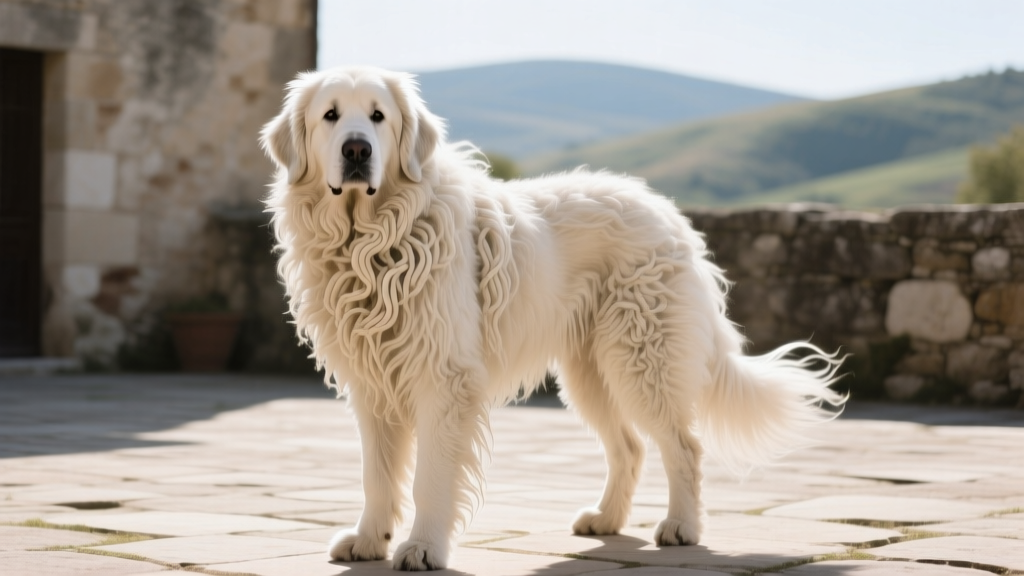
Pooping Dog Problems: Potty Training Your Pomsky Designer Mix
Is your Pomsky the ultimate pooping dog challenge? Learn breed-specific potty training tips, plus a full Pomsky profile covering size, coat, health, and cost.

If you've ever searched desperately for "pooping dog solutions" at 2 a.m. while your Pomsky stares at you innocently on the living room rug, you're not alone. The Pomsky — a Pomeranian and Siberian Husky cross — is one of the most visually striking designer breeds available today, but their combination of tiny bladder capacity (from the Pomeranian side) and stubborn independence (hello, Husky genetics) can make house training a genuine test of patience.
This guide covers everything you need to know about the Pomsky as a breed, with special attention to why these dogs can be notoriously difficult to potty train and exactly what to do about it. Whether you're considering bringing one home or you're already deep in the puppy-pad trenches, here's your complete reference.
The Parent Breeds: What Makes a Pomsky
Understanding a Pomsky starts with understanding the two very different purebreds that create them. These parent breeds sit at opposite ends of the size and temperament spectrum, which is precisely why predicting Pomsky traits requires managing expectations.
| Trait | Pomeranian | Siberian Husky |
|---|---|---|
| Weight | 3–7 lb (1.4–3.2 kg) | 35–60 lb (16–27 kg) |
| Height | 6–7 in (15–18 cm) | 20–23.5 in (51–60 cm) |
| Lifespan | 12–16 years | 12–14 years |
| Energy Level | Moderate; burst-and-nap | Very high; endurance athlete |
| Trainability | Moderate; eager but easily distracted | Low-moderate; independent thinker |
| Shedding | Heavy; double coat blows seasonally | Extreme; legendary coat blow |
| Vocalization | High; alert barker | High; howler and talker |
| AKC Group | Toy | Working |
That dramatic size gap is the single biggest factor in Pomsky variability. A puppy might land anywhere between 10 and 38 pounds depending on which parent's genes dominate. The Pomeranian's AKC breed standard calls for 3–7 lb, while the Siberian Husky standard specifies 35–60 lb. The Pomsky occupies the unpredictable middle ground.
Generations Explained: F1, F1B, F2, and Multigen Pomskies
Generation Quick Reference
- F1 (First Generation): Purebred Pomeranian × Purebred Siberian Husky. Maximum genetic diversity, maximum trait unpredictability. Puppies in the same litter can vary wildly in size and appearance.
- F1B (First Generation Backcross): F1 Pomsky × Pomeranian (most common) or F1 Pomsky × Husky (rare). Backcrossing to the Pomeranian produces smaller, more consistently sized dogs. Backcrossing to the Husky is uncommon due to breeding logistics.
- F2 (Second Generation): F1 Pomsky × F1 Pomsky. Trait segregation intensifies — you might get puppies that look almost purebred-Pom and others that lean heavily Husky in the same litter.
- Multigen (F3+): Pomsky × Pomsky for three or more generations. Theoretically more predictable, but no major kennel club recognizes the Pomsky as a stabilized breed, so consistency remains limited compared to established purebreds.
For potty training purposes, generation matters less than individual size. A 12-lb F1B Pomsky has roughly the same bladder capacity as any other 12-lb dog — about 12–15 ounces. That translates to needing outdoor breaks every 2–4 hours during the day, which is the core of why smaller Pomskies become "pooping dog" problem cases for owners who work full-time.
Size, Coat, and Appearance: The Variability Reality
No honest Pomsky breeder will guarantee a specific adult size. Here's the realistic range you should prepare for:
| Generation | Typical Weight | Typical Height | Size Consistency |
|---|---|---|---|
| F1 | 15–38 lb (7–17 kg) | 10–18 in (25–46 cm) | Low — wide variation even within a litter |
| F1B (Pom backcross) | 10–20 lb (4.5–9 kg) | 8–14 in (20–36 cm) | Moderate — tends smaller |
| F2 | 12–30 lb (5.5–13.5 kg) | 9–16 in (23–41 cm) | Low — gene reshuffling creates surprises |
| Multigen (F3+) | 12–25 lb (5.5–11 kg) | 10–15 in (25–38 cm) | Moderate — stabilizing but not guaranteed |
Coat Type Possibilities
Both parent breeds carry double coats, so the Pomsky almost always inherits a double-layered coat. What varies is texture and density:
- Husky-dominant coat: Dense undercoat with longer guard hairs. Blows coat spectacularly twice a year. Expect fur on every surface of your home for 3–4 weeks during shedding season.
- Pom-dominant coat: Softer, longer, more profuse outer coat with a thick undercoat. Tends toward the Pomeranian's signature "fluff ball" appearance. Requires more frequent brushing to prevent matting.
- Blended coat: Medium-length, moderately dense. The most manageable of the three types, but still a significant shedder.
Is the Pomsky hypoallergenic? No. Neither parent breed is low-shedding, and the Pomsky inherits heavy shedding from both sides. If you have dog allergies, this is not the mix for you. The "hypoallergenic designer dog" marketing applies to Poodle mixes, not Husky or Pomeranian crosses.
Temperament: Best-Case and Challenging Scenarios
Pomsky temperament is where the genetic lottery becomes most apparent. Here's the honest range:
Best-Case Pomsky
- Playful and outgoing without being hyperactive
- Bonds closely with family; enjoys being nearby
- Alert enough to bark at strangers but settles quickly
- Moderate energy: satisfied with 30–45 minutes of daily exercise
- Responsive to positive reinforcement training
- Good with children who understand gentle handling
Challenging Pomsky
- Inherits Husky prey drive — chases cats, squirrels, small children
- Inherits Pomeranian reactivity — barks excessively at doorbells, passersby, other dogs
- Independent and stubborn — ignores recall commands outdoors
- High energy with destructive chewing when under-exercised
- Separation anxiety — howls or destroys property when left alone
- Resource guarding tendencies (more common in Pom-dominant lines)
Early socialization — defined by the AVMA as critical between 3 and 14 weeks of age — is non-negotiable for Pomskies. Expose your puppy to varied surfaces, sounds, people, and other vaccinated dogs during this window to reduce reactivity and fear-based behaviors later.
Why Pomskies Become Problem "Pooping Dogs" — And the Potty Training Fix
The phrase "pooping dog" gets searched roughly 1,000 times per month, and a significant number of those searches come from owners of small designer breeds. Here's why Pomskies specifically struggle with house training, and the step-by-step protocol that works:
The Three Factors Working Against You
- Small bladder capacity: A 15-lb Pomsky puppy at 12 weeks old has a functional bladder hold time of approximately 2 hours maximum (general rule: puppy's age in months + 1 = hours they can hold it, but small breeds trend toward the lower end).
- Husky stubbornness: Huskies are notorious for deciding what they want to do and ignoring your preferences. A Pomsky that leans Husky in temperament may simply not see the point of going outside when the hallway carpet works fine.
- Pomeranian sensitivity: Poms can be easily startled. A loud noise, a dark yard, or cold/wet weather can cause a Pom-dominant Pomsky to refuse to go outside, then relieve themselves indoors once they feel safe.
The 6-Week Pomsky Potty Training Protocol
This schedule uses positive reinforcement exclusively. Never punish a dog for indoor accidents — it creates fear of eliminating in front of you, which makes the dog hide behind furniture to poop and makes training harder.
| Puppy Age | Outdoor Break Frequency | Crate Time Maximum | Key Actions |
|---|---|---|---|
| 8–10 weeks | Every 1–1.5 hours | 1–2 hours | Carry outside; reward immediately with high-value treat (freeze-dried liver, small cheese piece); use consistent cue word like "go potty" |
| 10–14 weeks | Every 2 hours | 2–3 hours | Begin leash walks to potty spot; supervise 100% indoors or confine to small pen when unsupervised |
| 14–20 weeks | Every 2.5–3 hours | 3–4 hours | Start extending indoor freedom in 15-minute increments after successful outdoor elimination; ring a bell at the door to build association |
| 20–26 weeks | Every 3–4 hours | 4–5 hours | Phase out treat rewards to intermittent schedule (reward every 3rd or 4th success); verbal praise continues every time |
| 6+ months | Every 4–6 hours | 6–8 hours max (adult) | Full indoor freedom if accident-free for 4+ consecutive weeks; continue consistent schedule |
Health Considerations: Hybrid Vigor Myth vs. Reality
Let's address a widespread misconception: hybrid vigor does not eliminate health problems in designer crosses. While crossbreeding can reduce the risk of recessive genetic diseases that are concentrated within a single breed's gene pool, a Pomsky can inherit health conditions from either parent breed. The Merck Veterinary Manual documents breed-specific conditions for both Pomeranians and Siberian Huskies, and the Pomsky is susceptible to conditions from both lists.
Conditions Inherited from the Pomeranian Side
- Luxating patella: The kneecap slips out of its groove. Prevalence in Pomeranians: estimated 8–15%. Severity ranges from occasional skipping (Grade I) to permanent dislocation requiring surgery (Grade IV). Surgical correction costs $1,500–$3,500 per knee.
- Tracheal collapse: Weakening of the cartilage rings in the windpipe, causing a characteristic "goose honk" cough. More common in dogs under 15 lb. Management includes weight control, harness-only walking (never a collar), and sometimes surgical stent placement ($3,500–$6,000).
- Dental disease: Small mouths crowd teeth, accelerating tartar buildup and periodontal disease. Expect professional dental cleanings under anesthesia ($400–$800 per session) starting by age 3–4 without diligent home brushing.
- Hypoglycemia: Low blood sugar, particularly dangerous in puppies under 6 months. Keep Nutri-Cal or Karo syrup on hand; rub on gums if puppy becomes lethargic or wobbly and seek immediate veterinary care.
Conditions Inherited from the Husky Side
- Hip dysplasia: Malformation of the hip joint. Prevalence in Siberian Huskies: approximately 5–7% based on OFA data. Can require surgical intervention (FHO: $2,000–$3,500; total hip replacement: $5,000–$7,500 per hip).
- Eye conditions: Huskies carry genes for progressive retinal atrophy (PRA), cataracts, and corneal dystrophy. Annual veterinary ophthalmologic exams ($80–$150) are recommended from puppyhood.
- Hypothyroidism: Autoimmune thyroiditis. Managed with daily levothyroxine ($15–$30/month for life) once diagnosed via blood panel.
Responsible breeders should provide OFA (Orthopedic Foundation for Animals) or PennHIP certification for hip evaluations on both parent dogs, CERF (Canine Eye Registration Foundation) eye clearances, and patella evaluations. Ask to see these certificates before purchasing any Pomsky puppy.
Grooming: What Your Pomsky's Coat Actually Needs
Regardless of which parent's coat type dominates, plan for significant grooming commitment:
- Brushing: 3–5 times per week with a slicker brush and undercoat rake. During coat blow (typically spring and fall, lasting 3–4 weeks), daily brushing is necessary to prevent matting and manage shedding volume.
- Bathing: Every 6–8 weeks using a dog-specific shampoo (pH 6.5–7.5, not human shampoo which strips natural oils). A Husky-dominant coat may need a forced-air dryer — a high-velocity grooming dryer costs $100–$250 and dramatically reduces drying time from 3+ hours to 30–45 minutes.
- Professional grooming: Optional but helpful every 8–12 weeks ($50–$90 per session). Request a "sanitary trim" and paw pad trim; never shave a double-coated dog, as this damages the coat's temperature-regulation ability and can cause permanent alopecia.
- Nail trimming: Every 2–3 weeks. Overgrown nails alter gait and contribute to luxating patella stress.
- Ear cleaning: Weekly checks with a veterinarian-approved ear cleaner; Pomskies with erect ears (common) have better airflow than floppy-eared breeds, but wax buildup still occurs.
Cost Breakdown: What a Pomsky Actually Costs
| Expense Category | Low Range | Average | High Range |
|---|---|---|---|
| Puppy purchase (from breeder) | $1,500 | $2,800 | $5,000+ |
| Adoption/rescue (if available) | $200 | $400 | $600 |
| Initial veterinary (vaccines, spay/neuter, microchip) | $400 | $700 | $1,200 |
| Supplies (crate, bed, leash, bowls, grooming tools) | $200 | $400 | $700 |
| Food (first year, quality kibble or balanced diet) | $300 | $500 | $900 |
| Grooming (professional sessions) | $0 (DIY) | $300 | $600 |
| Training classes (puppy + basic obedience) | $150 | $350 | $700 |
| Total first year (breeder puppy) | $2,750 | $5,750 | $9,100+ |
Pomskies are rarely available through breed-specific rescues, but designer breed mixes do occasionally appear in general shelters. Check Petfinder and local humane societies. Adoption is a genuinely viable option, though you'll have less information about the dog's genetic background and early socialization history.
When purchasing from a breeder, insist on: a written health guarantee (minimum 1 year for genetic conditions), proof of health testing on both parent dogs, a take-back clause requiring you to return the dog to them if you can no longer keep it, and evidence that puppies are raised in a home environment with early neurological stimulation (ENS protocols). Expect to pay a premium — $3,500+ — for breeders who conduct full OFA/CERF testing and raise puppies with structured socialization programs. Budget-priced Pomskies under $1,500 often come from backyard breeders who skip health testing, increasing your risk of costly inherited conditions.
Who Should (and Shouldn't) Get a Pomsky
Great Fit For:
- Households with flexible schedules — someone home most of the day, or able to arrange midday potty breaks
- Experienced dog owners who understand positive reinforcement training
- Apartment dwellers (smaller Pomskies adapt well to apartments with adequate walks)
- Active individuals who want a hiking companion in the 15–25 lb range
- Families with older children (10+) who can handle a small dog gently
- People who enjoy grooming and don't mind shedding
Poor Fit For:
- First-time dog owners unprepared for stubborn, independent temperaments
- Full-time workers away 8+ hours without dog-walker arrangements
- Families with toddlers (small Pomskies can be injured by rough handling)
- Homes with cats or small pets (Husky prey drive is a real risk)
- Allergy sufferers (heavy shedding from both parent breeds)
- Anyone seeking a guaranteed size, color, or temperament — variability is inherent
Frequently Asked Questions
What two breeds make up a Pomsky?
A Pomsky is a cross between a Pomeranian (toy breed, 3–7 lb) and a Siberian Husky (working breed, 35–60 lb). The dramatic size difference between parent breeds is what makes Pomsky size so unpredictable, especially in F1 (first-generation) litters.
How big will my Pomsky get?
Realistically, anywhere from 10 to 38 lb (4.5–17 kg) and 8 to 18 inches tall at the shoulder. F1B Pomskies backcrossed to the Pomeranian tend to stay in the 10–20 lb range, while F1 puppies from a standard-sized Husky mother can reach 30+ lb. Ask your breeder for the specific weights of both parent dogs and previous litters for the best estimate.
What will a Pomsky's temperament be like?
Expect a blend of Pomeranian alertness and Husky independence, but the exact ratio is unpredictable. Some Pomskies are velcro dogs that follow you room to room; others are aloof and cat-like. Early socialization (3–14 weeks) and consistent positive reinforcement training shape temperament more than genetics alone, but genetic predispositions set the ceiling for what training can achieve.
Is the Pomsky hypoallergenic or low-shedding?
No. Both Pomeranians and Siberian Huskies are heavy-shedding double-coated breeds. The Pomsky inherits this trait and will shed year-round with intense seasonal coat blows. If low-shedding is a priority, consider Poodle-based mixes (Cavapoo, Cockapoo) instead.
What health issues might a Pomsky inherit?
From the Pomeranian side: luxating patella, tracheal collapse, dental disease, and puppy hypoglycemia. From the Husky side: hip dysplasia, progressive retinal atrophy, cataracts, and hypothyroidism. Hybrid vigor may reduce some recessive disease risks, but it does not eliminate inherited structural conditions. Always consult your veterinarian for breed-appropriate screening schedules.
How much does a Pomsky cost?
From a responsible breeder in 2026, expect to pay $1,500–$5,000+ for a Pomsky puppy, with the average around $2,800. First-year total costs (including veterinary care, supplies, food, and grooming) typically range from $2,750 to $9,100. Adoption through rescues, when available, costs $200–$600.
Why is my Pomsky so hard to potty train?
Three factors converge: small bladder capacity from the Pomeranian side (especially in dogs under 20 lb), Husky independence that makes them less motivated to please you, and Pomeranian sensitivity that can make them refuse to go outside in cold, rain, or darkness. Stick to a strict schedule, use enzymatic cleaners for accidents, reward heavily with high-value treats for outdoor elimination, and be patient — small breeds typically take 4–6 months to fully house train versus 2–4 months for larger breeds.
Marcus Aldridge
All our authors care for dogs every day — read more of their work on the authors page.