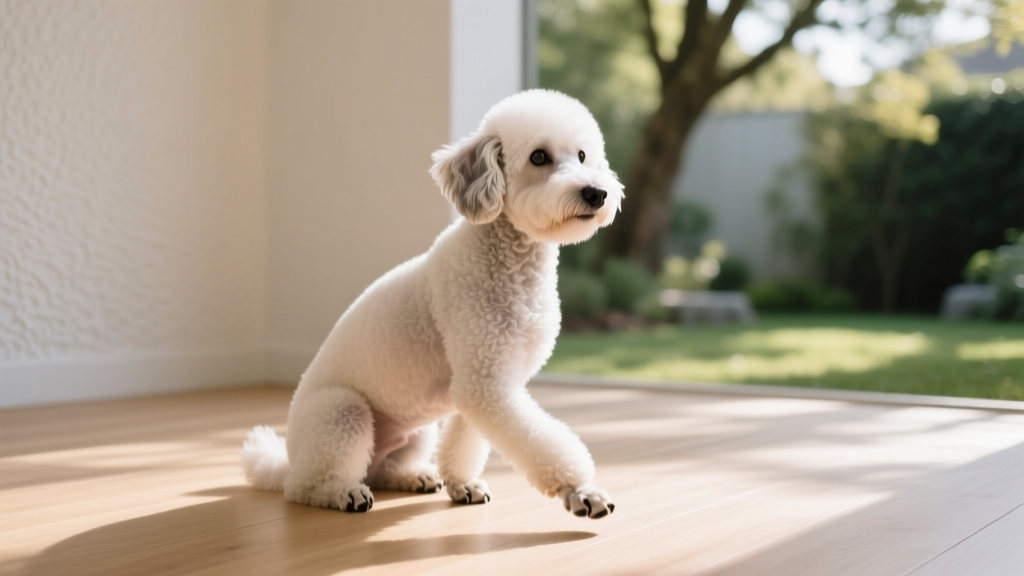
Pomeranian Lifespan: How Long Do Poms Live and Why?
Explore the Pomeranian lifespan (12–16 years), breed-specific health risks, care costs, temperament, and expert tips to help your Pom thrive.

The Pomeranian is one of the most recognizable toy breeds in the United States, and for good reason: bold personality packed into a fox-faced, fluffy frame. But if you're researching this breed, you likely have a very specific question on your mind: what is the Pomeranian lifespan, and what does it take to help one live a long, healthy life?
Among toy breeds, Pomeranians are longevity standouts. With proper care, genetics, and preventive veterinary attention, many Poms live well into their mid-teens — and a notable number reach 18 or even 20 years. This guide breaks down exactly what drives that impressive lifespan, the breed-specific health conditions that can shorten it, and the practical day-to-day care that supports it.
Pomeranian Lifespan at a Glance
| Attribute | Details |
|---|---|
| Size Class | Toy |
| Weight (adult) | 3–7 lb / 1.4–3.2 kg |
| Height (at withers) | 6–7 in / 15–18 cm |
| Typical Lifespan | 12–16 years (some reach 18–20) |
| Coat Type | Double coat — dense undercoat, long straight outercoat |
| Energy Level | Moderate to high (for a toy breed) |
| Grooming Needs | High — 3–4 brushings/week minimum |
| Family Fit | Best with older children, single-pet or cat-friendly homes |
| Apartment Suitable | Excellent |
For context, the median lifespan across all dog breeds sits around 11–12 years according to AKC longevity data. The Pomeranian's 12–16 year range places it solidly above average, and among the longer-lived of the toy group. This longevity advantage is partly due to the breed's generally robust genetics and partly due to small dogs aging more slowly than giant breeds at the cellular level.
Origin and History: From Arctic Sled Dog to Lap Companion
The Pomeranian's history is a dramatic downsizing story. The breed descends from large Spitz-type working dogs of the Arctic — specifically the German Spitz, used for herding and sled pulling in Pomerania, a historical region on the southern Baltic coast (now split between modern Germany and Poland). The name "Pomeranian" comes directly from this region.
These early Spitz ancestors weighed 30–40 lb. The breed's transformation into the 3–7 lb companion we know today is largely credited to British royalty. Queen Victoria, who encountered small Pomeranians during a visit to Florence, Italy in 1888, became a devoted breeder and exhibitor. Her kennel is documented to have reduced the breed's size by approximately 50% over her reign. The AKC first recognized the Pomeranian in 1888, the same year Victoria brought her first Pom home.
Understanding this origin matters for modern owners: beneath the fluffy exterior, your Pomeranian carries the instincts of a working Spitz — alertness, independence, vocalization, and a tendency to be suspicious of strangers. These aren't flaws; they're breed traits that shaped the dogs pulling sleds across Pomeranian snowfields 300 years ago.
Physical Characteristics: What a Healthy Pom Looks Like
The AKC breed standard describes the Pomeranian as a compact, short-backed dog with a heavily plumed tail set high and flat against the back. Here are the precise measurements you should expect from a healthy, standard-bred adult:
- Weight: 3–7 lb (1.4–3.2 kg). Dogs under 3 lb are often marketed as "teacup" Pomeranians — this is not an AKC-recognized size and is associated with significantly higher health risks including hypoglycemia, fragile bones, and shortened lifespan.
- Height: 6–7 inches (15–18 cm) at the withers.
- Coat: A stand-off double coat consisting of a short, dense undercoat and a longer, harsh-textured outercoat. The coat should form a pronounced ruff around the neck and heavy feathering on the hindquarters.
- Colors: The AKC recognizes over 20 colors and patterns, including orange, red, cream, sable, black, blue, chocolate, parti-color, and merle. Note: merle is controversial — breeding two merle Poms together can produce "double merle" puppies with severe hearing and vision defects.
- Head: Fox-like expression with dark, almond-shaped eyes and small erect ears set high on the skull.
Temperament and Personality: Five Core Traits
Pomeranians are not passive lap dogs. They're opinionated, vocal, and surprisingly bold for their size. Here are the five traits that define the breed's personality — with real behavioral examples you'll encounter as an owner:
What Makes Poms Wonderful
- Alert and watchful: Your Pom will notify you of the mail carrier, a squirrel on the fence, and the neighbor's cat three houses down. They are exceptional watchdogs despite their size.
- Deeply bonded to their person: Pomeranians tend to form a primary attachment to one household member and prefer to be in the same room at all times.
- Playful and spirited: Expect sudden "zoomies" — full-speed laps around the living room — even in senior Poms. Many retain puppy-like playfulness past age 10.
- Confident and bold: A Pom will typically not back down from a dog ten times its size, which is endearing but requires careful management at dog parks.
Challenges to Anticipate
- Prone to excessive barking: Without training, Pomeranians can develop persistent alert-barking at every sound. This is the #1 behavioral complaint from Pom owners.
- Can be willful: Poms are intelligent but independent. They may understand a command perfectly and simply choose not to comply — especially if something more interesting is happening.
- Suspicious of strangers: Early socialization (before 16 weeks) is critical. Under-socialized Poms can become fearful or snippy with unfamiliar people.
- Not naturally gentle with small children: Their small size and low tolerance for rough handling make them a poor match for toddlers.
Exercise and Activity Needs
Despite their small stature, Pomeranians have genuine exercise requirements. Their Spitz heritage means they have more stamina and energy than many owners expect. Here's what a healthy adult Pom needs:
| Activity Type | Duration | Frequency |
|---|---|---|
| Leashed walk (harness, not collar) | 20–30 minutes | 1–2x daily |
| Indoor play (fetch, tug, puzzle toys) | 15–20 minutes | 1–2x daily |
| Mental stimulation (training sessions, snuffle mats) | 10–15 minutes | Daily |
| Supervised off-leash exploration (secure yard) | 10–15 minutes | As available |
Total daily exercise target: 45–60 minutes, split between physical and mental activity. This is higher than many toy breeds require, and under-exercised Pomeranians often develop nuisance barking and destructive chewing as outlets for pent-up energy.
Important safety note: Always use a well-fitted harness rather than a collar for walks. Pomeranians are predisposed to tracheal collapse (see health section below), and collar pressure on the neck accelerates this condition. A front-clip harness like the Ruffwear Front Range (XS) distributes pressure across the chest.
Common Health Issues That Affect Pomeranian Lifespan
While Pomeranians are generally long-lived, they carry genetic predispositions to several conditions that can impact quality of life and, in severe cases, longevity. Always consult your veterinarian for diagnosis and treatment — the information below is for awareness and early detection.
| Condition | Description | Estimated Prevalence | Impact on Lifespan |
|---|---|---|---|
| Tracheal Collapse | Weakening of tracheal cartilage rings, causing chronic cough ("goose honk" sound) and breathing difficulty | ~20–30% of Poms over age 6 | Moderate — manageable but progressive; severe cases can be life-limiting |
| Luxating Patella | Kneecap dislocates from its groove, causing intermittent lameness or "skipping" gait | ~15–20% (one of the highest breed rates) | Low to moderate — surgical correction in grades III/IV has excellent prognosis |
| Dental Disease | Periodontal disease from crowded teeth in a small jaw; leads to tooth loss and systemic infection | ~60–80% by age 3 if untreated | Significant — untreated dental disease is linked to heart, liver, and kidney damage |
| Alopecia X (Black Skin Disease) | Non-itchy, symmetrical hair loss with darkening of skin; cosmetic but distressing to owners | ~10–15% (higher in males) | Minimal — does not affect lifespan, primarily cosmetic |
| Hypoglycemia (puppies) | Dangerously low blood sugar, especially in puppies under 4 months or "teacup" sizes | Common in puppies under 2 lb | Can be fatal if untreated; risk decreases significantly after 6 months |
Additional Conditions to Monitor
Pomeranians also have higher-than-average rates of patent ductus arteriosus (PDA), a congenital heart defect where a fetal blood vessel fails to close after birth. According to Merck Veterinary Manual, PDA is one of the most common congenital heart defects in toy breeds. Ask your veterinarian to listen for a characteristic "machinery murmur" at your puppy's first exam — early surgical correction has a >95% success rate.
Preventive care is the single biggest factor within your control. A 2022 study published in the Journal of Veterinary Internal Medicine found that toy breeds receiving regular dental cleanings (annually after age 2) lived an average of 1.5–2 years longer than those that did not, primarily due to reduced cardiac complications from periodontal bacteria.
Grooming Requirements: Maintaining That Iconic Coat
The Pomeranian's double coat is both its crowning glory and its highest-maintenance feature. Here is a realistic grooming schedule for a pet Pom kept in a standard coat (not a show coat, which requires significantly more work):
- Brushing: 3–4 times per week using a slicker brush (such as the Chris Christensen Big G) followed by a stainless steel comb to reach the undercoat. During shedding seasons (spring and fall), daily brushing is necessary to prevent matting.
- Bathing: Every 3–4 weeks using a dog-specific shampoo. Over-bathing strips natural oils and dries the skin. Always blow-dry on a cool setting — air-drying a Pom's dense undercoat can lead to hot spots and fungal growth.
- Nail trims: Every 2–3 weeks. Poms' small nails grow quickly, and overgrown nails alter foot structure and gait.
- Ear cleaning: Weekly inspection and cleaning with a veterinarian-recommended ear solution. Poms' erect ears collect less debris than drop-eared breeds, but wax buildup still occurs.
- Dental care: Daily tooth brushing with enzymatic dog toothpaste. Given the breed's extreme dental disease risk, this is non-negotiable. Supplement with veterinary-approved dental chews sized for small breeds (e.g., Greenies Teenie size).
- Professional grooming: Every 6–8 weeks for a bath, brush-out, sanitary trim, and nail service. Budget $60–$90 per session depending on your region.
Critical warning: Never shave a Pomeranian's coat. Shaving can permanently damage the hair follicles, resulting in post-clipping alopecia — where the coat grows back patchy, thin, or not at all. If you want a shorter coat, request a "teddy bear trim" from your groomer, which scissor-trims the coat to 1–2 inches without clipping to the skin.
Training and Intelligence
Pomeranians rank in the upper tier of toy breeds for working intelligence. In Stanley Coren's breed intelligence rankings, the Pomeranian falls in the "bright" category — capable of learning a new command in 5–15 repetitions and obeying a known command on the first attempt 85% of the time or better.
However, intelligence does not equal obedience. Pomeranians are independent thinkers who were not bred to take orders from humans the way herding or retrieving breeds were. Expect the following:
- Recommended training method: Positive reinforcement only — treats, praise, clicker training, and play rewards. Force-free methods aligned with LIMA (Least Intrusive, Minimally Aversive) principles produce the best results and protect the Pom's confident temperament.
- Session length: 5–10 minutes maximum. Pomeranians lose focus quickly in long sessions. Three short sessions per day outperform one long one.
- Priority commands: "Quiet" (to manage barking), reliable recall (Poms are fast and will bolt through an open door), and "drop it" (resource guarding tendencies are common in the breed).
- Housebreaking timeline: 3–6 months on average. Toy breeds have smaller bladders and higher metabolisms, making potty training slower than in larger breeds. Consistency and crate training are essential.
Family Suitability: Kids, Pets, and Living Spaces
The Pomeranian's small size and bold personality create a specific set of compatibility considerations:
Children
Pomeranians are not recommended for homes with children under 8 years old. A Pom's bones are delicate — a fall from a child's arms or an accidental step can cause a fracture. Additionally, Poms tend to snap when startled or handled roughly, which is a natural self-defense response for a 5 lb animal. In homes with respectful, dog-savvy older children, Pomeranians can be wonderful companions.
Other Pets
Poms generally coexist well with cats, particularly when raised together. With other dogs, size matters: a Pom can thrive alongside another small or medium dog but should not be left unsupervised with large dogs, even friendly ones, due to injury risk from accidental knocks during play. Same-sex aggression can occur, particularly between intact males.
Apartment Living
Pomeranians are among the best apartment breeds. Their small size, moderate exercise needs, and adaptability make them excellent urban companions. The one challenge is barking — Poms are vocal, and in shared-wall buildings, alert barking at hallway noises can become a neighbor issue. Early "quiet" command training and white noise machines near the front door help significantly.
Cost of Ownership: What to Budget
Pomeranians are a significant financial commitment, particularly in the first year. Here is a realistic cost breakdown based on 2026 US pricing:
| Expense Category | First Year | Annual (Subsequent Years) |
|---|---|---|
| Puppy purchase (responsible breeder, health-tested parents) | $2,500–$6,000 | — |
| Adoption (breed-specific rescue) | $300–$600 | — |
| Veterinary care (vaccines, spay/neuter, wellness exams) | $800–$1,500 | $400–$800 |
| Dental cleaning (annual after age 2) | $0 (first year) | $400–$800 |
| Food (high-quality small-breed kibble or balanced fresh diet) | $250–$500 | $250–$500 |
| Professional grooming (every 6–8 weeks) | $400–$700 | $400–$700 |
| Pet insurance (accident + illness, $250 deductible) | $450–$750 | $500–$900 (increases with age) |
| Supplies (crate, harness, bed, toys, grooming tools) | $200–$400 | $100–$200 (replacements) |
| Estimated Total | $5,000–$10,450 | $2,050–$3,900 |
Over a 14-year average lifespan, total lifetime cost of ownership typically falls between $32,000 and $60,000, depending on health outcomes and your region's veterinary pricing. Pet insurance is strongly recommended for this breed — the combination of dental surgery needs ($800–$2,000 per extraction episode) and potential tracheal collapse treatment makes unexpected costs likely.
Is a Pomeranian Right for You? Decision Framework
Use this checklist to evaluate fit. If you answer "yes" to four or more, a Pom is likely a strong match for your household:
- You live in an apartment or small home and want a dog that doesn't need a yard.
- You have older children (8+) or no children, and no very large dogs.
- You're home most of the day — Poms are prone to separation anxiety when left alone 8+ hours.
- You're willing to commit to daily tooth brushing and grooming sessions.
- You can budget $2,000–$4,000 annually for ongoing care.
- You want an alert, vocal companion rather than a quiet, laid-back one.
- You have patience for a 3–6 month housebreaking process.
Frequently Asked Questions
How long do Pomeranians typically live?
The Pomeranian lifespan averages 12–16 years, with some individuals reaching 18–20 years. Their longevity is above the all-breed median of 11–12 years, making them one of the longer-lived toy breeds.
Is the Pomeranian a good first dog?
Pomeranians can work for first-time owners who are prepared for the grooming commitment, patient with housebreaking, and committed to positive reinforcement training. They are not the easiest first breed — a Cavalier King Charles Spaniel or Bichon Frise may be more forgiving of beginner mistakes — but they are manageable with research and preparation.
What size does a Pomeranian get?
A standard adult Pomeranian weighs 3–7 lb (1.4–3.2 kg) and stands 6–7 inches (15–18 cm) at the shoulder. Any breeder advertising "teacup" or "mini" Pomeranians is marketing dogs below the breed standard, which carries elevated health risks.
How much exercise does a Pomeranian need?
Adult Pomeranians need approximately 45–60 minutes of combined physical and mental activity daily, split between walks (20–30 minutes), indoor play (15–20 minutes), and training or puzzle activities (10–15 minutes).
Are Pomeranians good with children?
Pomeranians are best suited to homes with children aged 8 and older who understand how to handle a small dog gently. Their fragile bones and low tolerance for rough handling make them a risky match for toddlers and young children.
What health problems are Pomeranians prone to?
The most common breed-specific conditions are tracheal collapse (20–30% of Poms over age 6), luxating patella (15–20%), severe dental disease (60–80% by age 3 without preventive care), alopecia X, and patent ductus arteriosus (congenital heart defect). Regular veterinary care significantly reduces the impact of all of these.
How much does a Pomeranian cost?
A Pomeranian puppy from a responsible breeder with health-tested parents costs $2,500–$6,000. Adoption through a breed-specific rescue costs $300–$600. Annual care costs range from $2,050–$3,900 per year after the first year.
Do Pomeranians bark a lot?
Yes — Pomeranians are a vocal breed. Alert barking at sounds, strangers, and other animals is a core breed trait. With consistent positive reinforcement training, excessive barking can be managed, but owners should expect a dog that communicates vocally.
This article is for informational purposes and does not replace professional veterinary advice. Always consult your veterinarian for diagnosis, treatment, and preventive care decisions specific to your dog.
Dr. Hannah Wickes
All our authors care for dogs every day — read more of their work on the authors page.