What Dog Breeds Don't Shed? 12 Low-Shedding Dogs Ranked
What dog breeds don't shed? We rank 12 low-shedding breeds by size, grooming needs, cost, and family fit with a decision framework to help you choose.
Why "Non-Shedding" Is a Myth — and What to Look for Instead
No dog is truly zero-shed. Every breed loses some hair, dander, or saliva proteins into the environment. What people actually mean when they ask what dog breeds don't shed is: which breeds shed so minimally that they won't coat your furniture in fur or trigger severe allergies?
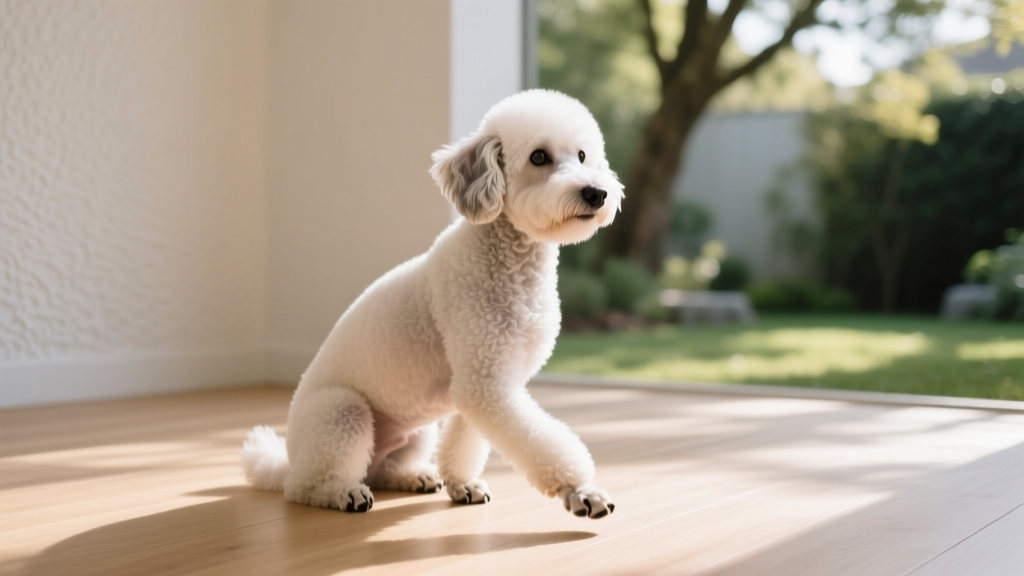
The answer lies in coat type, not the absence of shedding. Dogs with hair-like coats (similar to human hair) rather than fur coats tend to shed far less because their hair grows continuously and falls out at a slower rate — much like the hair on your head. These breeds typically require regular haircuts every 6–8 weeks instead of seasonal "blowing coat" events that double-coated breeds experience.
According to the American Kennel Club, no breed is 100% hypoallergenic, but certain breeds are significantly better suited for allergy sufferers and owners who want minimal cleanup. The allergen is primarily a protein called Can f 1 found in dander and saliva, not the hair itself — but less shedding means less dander distributed around your home.
Each breed on this list meets all four criteria below:
- Shedding level: Rated 1–2 out of 5 on the AKC shedding scale (minimal to low visible shedding)
- Coat type: Hair-like single coat, curly/wavy coat that traps loose hair, or corded coat that retains shed hair within cords
- Grooming manageability: Professional grooming available and predictable maintenance schedule (every 4–8 weeks)
- AKC or UKC recognition: Established breed standard with predictable temperament and health data
Small Breeds (Under 20 lb / 9 kg)
1. Bichon Frise
Size: 12–18 lb (5–8 kg) | Height: 9.5–11.5 in (24–29 cm)
Key trait: Double-layer curly coat traps nearly all loose hair within the curls, making it virtually invisible on floors and furniture.
The Bichon Frise has been a companion breed since the 14th century, favored by French and Italian nobility. Their powder-puff coat requires brushing 2–3 times per week and professional grooming every 4–6 weeks ($50–$80 per session). They're cheerful, adaptable, and thrive in apartments. Life expectancy: 14–15 years. Primary health watch: patellar luxation and allergies.
Why it made the list: Among the lowest visible-shedding breeds available. The curly undercoat catches shed hairs before they escape into your home. Allergy sufferers consistently report fewer reactions to Bichons compared to other "low-shed" breeds.
2. Maltese
Size: Under 7 lb (under 3.2 kg) | Height: 7–9 in (18–23 cm)
Key trait: Single-layer, silky hair coat with no undercoat — the simplest coat structure on this list, meaning the least dander production.
The Maltese is one of the oldest toy breeds, documented for over 2,000 years. Their long, straight white hair grows continuously and requires daily brushing if kept long, or a shorter "puppy cut" trimmed every 6–8 weeks ($40–$65 per groom). They're gentle, alert, and bond closely with one person. Life expectancy: 12–15 years. Primary health watch: tear staining, dental disease (small mouths crowd teeth), and luxating patellas.
Why it made the list: The complete absence of an undercoat means virtually no seasonal shedding spikes. Their tiny size also means less total dander output — a practical factor for severe allergy sufferers.
3. Miniature Schnauzer
Size: 11–20 lb (5–9 kg) | Height: 12–14 in (30–36 cm)
Key trait: Wiry double coat sheds minimally, and the harsh outer guard hairs tend to stay embedded in the undercoat until hand-stripped or clipped.
Originally bred in Germany as a ratter and farm dog, the Miniature Schnauzer is sturdier and more alert than most toy breeds on this list. They need professional grooming every 5–8 weeks ($45–$75) and weekly brushing. Their wiry coat is one of the most practical low-shed coat types — it's weather-resistant and doesn't mat as easily as curly coats. Life expectancy: 12–15 years. Primary health watch: pancreatitis (they're prone to high triglycerides), urinary stones, and eye conditions.
Why it made the list: Combines low shedding with a more rugged, less high-maintenance coat than the Bichon or Maltese. Better suited for owners who want a low-shed dog without the intensive grooming demands of silky-coated breeds.
4. Chinese Crested (Hairless Variety)
Size: 8–12 lb (4–5.5 kg) | Height: 11–13 in (28–33 cm)
Key trait: The hairless variety has hair only on the head (crest), tail (plume), and feet (socks) — dramatically reducing total surface area for shedding.
Despite the name, the Chinese Crested likely originated in Africa or Mexico and was refined by Chinese traders. The hairless variety requires sunscreen when outdoors, regular skin moisturizing, and acne management — skin care replaces hair care. The coated variety ("Powderpuff") does shed lightly. Life expectancy: 13–18 years. Primary health watch: dental issues (hairless dogs often have missing or peg-shaped teeth due to the same gene that causes hairlessness), skin infections, and sunburn.
Why it made the list: The most extreme version of "doesn't shed" — there's simply very little hair to shed. However, the skin maintenance trade-off makes this breed a specialist choice, not a casual pick.
Medium Breeds (20–50 lb / 9–23 kg)
5. Soft Coated Wheaten Terrier
Size: 35–40 lb (16–18 kg) males, 30–35 lb (14–16 kg) females | Height: 17–19 in (43–48 cm)
Key trait: Silky, gently waving single coat grows continuously with no undercoat to blow seasonally.
An Irish farm dog with a soft, wheaten-colored coat that reaches the ground if left untrimmed. They're more laid-back than most terriers and notably friendly with strangers. Grooming every 6–8 weeks ($55–$85) plus brushing 2–3 times weekly prevents mats. Life expectancy: 12–14 years. Primary health watch: protein-losing nephropathy (PLN) and protein-losing enteropathy (PLE), which are breed-specific immune conditions, plus hip dysplasia.
Why it made the list: One of the few medium-sized sporting-heritage dogs with genuinely low shedding. Fills a gap for active owners who find toy breeds too fragile but want minimal fur cleanup.
6. Portuguese Water Dog
Size: 42–60 lb (19–27 kg) | Height: 17–23 in (43–58 cm)
Key trait: Curly or wavy waterproof single coat that sheds minimally and was historically trimmed in a "lion clip" to reduce drag while swimming.
Made famous by the Obama family's dogs Bo and Sunny, the Portuguese Water Dog (Portie) is an intelligent, athletic breed that needs 60–90 minutes of daily exercise. Their curly coat traps shed hair effectively, requiring brushing 2–3 times per week and professional grooming every 4–6 weeks ($60–$95). Life expectancy: 11–13 years. Primary health watch: juvenile dilated cardiomyopathy (a fatal genetic heart condition — responsible breeders DNA test for this), hip dysplasia, and progressive retinal atrophy.
Why it made the list: The only medium-large athletic breed with genuinely curly, low-shed coat. Ideal for active families who need a dog that can hike, swim, and run without leaving a trail of fur.
7. Kerry Blue Terrier
Size: 33–40 lb (15–18 kg) | Height: 17.5–19.5 in (44–50 cm)
Key trait: Dense, wavy single coat in a distinctive blue-gray color that doesn't shed but requires significant grooming to prevent matting.
Ireland's national terrier, originally an all-purpose farm and hunting dog. The Kerry Blue's coat is one of the most striking in the dog world — puppies are born black and gradually "clear" to blue-gray between 9–24 months. Grooming is demanding: professional sessions every 4–6 weeks ($60–$90) plus thorough brushing twice weekly. Life expectancy: 12–15 years. Primary health watch: hip dysplasia, eye conditions, and a breed-specific tendency toward skin cysts.
Why it made the list: Offers a unique combination of terrier personality, medium size, and genuinely non-shedding coat — but the grooming commitment is real and should not be underestimated.
Large Breeds (Over 50 lb / 23 kg)
8. Standard Poodle
Size: 40–70 lb (18–32 kg) | Height: Over 15 in (38+ cm), typically 22–27 in (56–69 cm)
Key trait: Dense, curly single coat of hair (not fur) that sheds internally — loose hairs get caught in the curls and are removed during brushing rather than falling onto surfaces.
The Standard Poodle is the original poodle size — bred as a water retriever in Germany and refined in France. They rank among the most intelligent dog breeds and excel in obedience, agility, and scent work. Grooming every 4–6 weeks ($65–$100 for a full clip) is non-negotiable; mats form quickly against the skin if brushing is skipped. Life expectancy: 10–13 years. Primary health watch: gastric dilatation-volvulus (bloat), Addison's disease, hip dysplasia, and sebaceous adenitis (an autoimmune skin condition).
Why it made the list: The gold standard for large low-shedding breeds. No other breed over 50 lb offers such reliably minimal shedding combined with high trainability and versatility. If shedding is your top priority in a large dog, the Standard Poodle is the benchmark against which all others are measured.
9. Giant Schnauzer
Size: 55–85 lb (25–39 kg) | Height: 23.5–27.5 in (60–70 cm)
Key trait: Wiry double coat with a harsh outer layer that retains shed undercoat until manually stripped or clipped.
Bred in Bavaria as a driving and guard dog, the Giant Schnauzer is powerful, loyal, and significantly more protective than the Miniature variety. They need an experienced owner and at least 60–90 minutes of vigorous daily exercise. Grooming every 6–8 weeks ($70–$110) with hand-stripping preferred for coat health. Life expectancy: 12–15 years. Primary health watch: hip dysplasia, bloat, and certain cancers (melanoma and squamous cell carcinoma are overrepresented in the breed).
Why it made the list: One of the very few large, low-shed breeds with a protective instinct. Fills a specific niche for owners who want a substantial, watchful dog without the heavy shedding of German Shepherds or Huskies.
10. Afghan Hound
Size: 50–60 lb (23–27 kg) | Height: 25–27 in (64–69 cm)
Key trait: Long, silky single coat that sheds minimally but requires the most intensive grooming of any breed on this list — daily brushing of 30–45 minutes is standard.
One of the oldest dog breeds, originating in the mountainous regions of Afghanistan where their flowing coat provided insulation. Afghan Hounds are sighthounds: independent, cat-like in personality, and driven by prey drive. They need a secure fenced yard and regular sprinting opportunities. Grooming is a lifestyle commitment: weekly baths plus daily brushing, or a shorter clip every 6–8 weeks ($80–$120). Life expectancy: 12–18 years. Primary health watch: hip dysplasia, hypothyroidism, and sensitivity to anesthesia (common in sighthounds due to low body fat).
Why it made the list: The only large sighthound with genuinely low shedding. Included for owners drawn to sighthound temperament who cannot tolerate the moderate shedding of Greyhounds or Whippets.
11. Airedale Terrier
Size: 50–70 lb (23–32 kg) | Height: 23 in (58 cm)
Key trait: Dense, wiry double coat that holds shed hair within the undercoat until hand-stripped — one of the most practical low-shed coats for a large dog.
Known as the "King of Terriers," the Airedale is the largest terrier breed. They're versatile, confident, and more biddable than many terriers — though still independent thinkers. Originally bred for hunting otters and badgers in Yorkshire, England. Grooming every 6–8 weeks ($65–$100); hand-stripping maintains the wiry texture, while clipping softens it over time. Life expectancy: 11–14 years. Primary health watch: hip dysplasia, hypothyroidism, and cardiac conditions.
Why it made the list: Offers the largest terrier option for low-shed seekers. More robust and outdoor-adaptable than smaller terrier breeds, with a coat that's surprisingly manageable for its size.
12. Irish Water Spaniel
Size: 45–68 lb (20–31 kg) | Height: 21–24 in (53–61 cm)
Key trait: Tight, liver-colored curls cover the body (with a smooth face and "rat tail") that shed minimally and are naturally water-resistant.
The tallest spaniel breed and one of the oldest, the Irish Water Spaniel is a sporting dog with a clownish personality. Their distinctive curly coat and bare tail make them instantly recognizable. They need regular swimming or water access to thrive mentally. Grooming every 6–8 weeks ($60–$90) with weekly brushing. Life expectancy: 12–13 years. Primary health watch: hip dysplasia, eye conditions, and a breed-specific sensitivity to sulfa drugs (sulfamethoxazole can be fatal — inform your vet).
Why it made the list: The rarest breed on this list, but included because it's one of the few low-shed sporting breeds. Ideal for hunting and field-work owners who want a water dog that doesn't shed like a Labrador.
Side-by-Side Comparison: All 12 Low-Shedding Breeds
| Breed | Size | Groom Frequency | Exercise/Day | Annual Groom Cost | Family Fit |
|---|---|---|---|---|---|
| Bichon Frise | Small | 4–6 weeks | 30–45 min | $650–$1,040 | Excellent |
| Maltese | Toy | 6–8 weeks | 20–30 min | $350–$540 | Good (older kids) |
| Mini Schnauzer | Small | 5–8 weeks | 45–60 min | $350–$780 | Excellent |
| Chinese Crested | Small | Skin care (no clip) | 20–30 min | $200–$400 | Good (gentle homes) |
| Wheaten Terrier | Medium | 6–8 weeks | 45–60 min | $450–$740 | Excellent |
| Portuguese Water Dog | Medium | 4–6 weeks | 60–90 min | $780–$1,235 | Excellent |
| Kerry Blue Terrier | Medium | 4–6 weeks | 45–60 min | $780–$1,170 | Good (experienced) |
| Standard Poodle | Large | 4–6 weeks | 60–90 min | $845–$1,300 | Excellent |
| Giant Schnauzer | Large | 6–8 weeks | 60–90 min | $610–$960 | Good (experienced) |
| Afghan Hound | Large | Daily brushing | 60+ min (sprinting) | $1,040–$1,560 | Fair (specialist) |
| Airedale Terrier | Large | 6–8 weeks | 60–90 min | $560–$870 | Good (active families) |
| Irish Water Spaniel | Large | 6–8 weeks | 60–90 min | $520–$780 | Good (sporting homes) |
Grooming costs based on 2025–2026 national averages from professional groomer surveys. Actual costs vary by metro area — expect 20–40% higher rates in major cities like New York, San Francisco, and Seattle.
How to Choose: A Decision Framework
With 12 breeds spanning toy to large, the real question isn't which is "best" — it's which fits your specific life. Use this framework to narrow down:
- Apartment/condo under 1,000 sq ft → Choose from: Bichon Frise, Maltese, Mini Schnauzer, or Chinese Crested. These breeds adapt well to smaller spaces and don't need a yard.
- House with fenced yard → All 12 breeds work. Proceed to Step 2.
- Rural property with acreage → Consider the Portuguese Water Dog, Airedale, Afghan Hound, or Irish Water Spaniel — they'll use the space enthusiastically.
- Under 30 minutes/day → Maltese or Chinese Crested. These are genuinely low-energy companions.
- 30–60 minutes/day → Bichon Frise, Mini Schnauzer, Soft Coated Wheaten Terrier, or Kerry Blue Terrier.
- 60–90+ minutes/day → Standard Poodle, Portuguese Water Dog, Giant Schnauzer, Afghan Hound, Airedale, or Irish Water Spaniel.
- Under $600/year → Chinese Crested (skin care only), Maltese (if kept in a puppy cut), or Mini Schnauzer (every 8 weeks).
- $600–$1,000/year → Bichon Frise, Wheaten Terrier, Kerry Blue, Giant Schnauzer, Airedale, or Irish Water Spaniel.
- $1,000+/year acceptable → Standard Poodle, Portuguese Water Dog, or Afghan Hound.
- Young children (under 6) → Bichon Frise, Mini Schnauzer, Standard Poodle, or Soft Coated Wheaten Terrier. Avoid Maltese and Chinese Crested (fragile toy breeds) and Giant Schnauzer (too powerful for toddlers).
- Severe allergy sufferer → Start with the smallest option that fits your lifestyle (Maltese or Bichon). Less body mass = less total dander output. Always spend time with the specific dog before committing — individual allergen production varies.
- First-time dog owner → Bichon Frise, Standard Poodle, or Soft Coated Wheaten Terrier. These three are the most forgiving of training mistakes and the most eager to please.
Honorable Mentions and Breeds to Avoid
Honorable Mentions
These breeds came close but didn't meet all four selection criteria:
- Havanese: Low shedding and excellent temperament, but their long coat requires daily brushing that pushes grooming difficulty beyond what most owners sustain. If kept in a short clip, they'd easily make this list.
- Yorkshire Terrier: Genuinely low-shedding single coat, but their 4–7 lb size makes them extremely fragile. Included on many "hypoallergenic" lists, but their fragility around children and susceptibility to tracheal collapse makes them a specialist breed.
- Lagotto Romagnolo: The Italian "truffle dog" has a curly, low-shed coat and wonderful temperament. Excluded only because they're still rare enough in the US that finding a responsible breeder involves significant waitlists (12–24 months) and travel.
- Coton de Tulear: Similar to the Bichon Frise in coat and temperament, with slightly lower shedding. Excluded because the breed's small gene pool (fewer than 300 dogs founded the US population) makes finding health-tested puppies difficult.
Breeds Commonly Mislabeled as Low-Shedding
These breeds appear on many "hypoallergenic" lists but shed more than most owners expect:
- "Doodle" mixes (Goldendoodle, Labradoodle, Bernedoodle): Coat type is unpredictable in F1 and F2 generations. A Goldendoodle can inherit the Poodle's curly coat OR the Golden Retriever's heavy-shedding double coat. Only F1B (backcross to Poodle) or multigenerational doodles have more predictable low-shed coats — and even then, there are no guarantees. The AKC notes that mixed-breed coat inheritance is a genetic lottery.
- Basenji: Often listed as low-shedding because they have a very short coat and groom themselves like cats. They do shed — the hairs are just short enough to embed deeply into fabric rather than being visible on the floor.
- Greyhound/Whippet: Short coats that shed moderately year-round. Less visible than long-haired breeds, but they absolutely leave hair on dark clothing and furniture.
Frequently Asked Questions
What is the best dog breed that doesn't shed at all?
No breed is truly zero-shed, but the Chinese Crested (hairless variety) comes closest since it has hair only on three small body areas. Among fully coated breeds, the Maltese and Bichon Frise produce the least visible shedding due to their single-coat and curly-coat structures respectively. For a large dog, the Standard Poodle is the most reliably low-shedding option.
Are low-shedding dogs hypoallergenic?
Not exactly. The Merck Veterinary Manual explains that dog allergies are triggered by proteins in dander (dead skin cells), saliva, and urine — not the hair itself. Low-shedding breeds produce the same allergenic proteins but distribute less dander around the home because less hair is falling out. Individual dogs within the same breed can produce different levels of the Can f 1 allergen, which is why allergists recommend spending time with a specific dog before adoption.
How much does grooming cost for a non-shedding dog?
Budget $350–$1,560 per year depending on breed size and grooming frequency. Small breeds in a puppy cut (Maltese, Mini Schnauzer) run $350–$780/year. Medium breeds (Portuguese Water Dog, Wheaten Terrier) cost $450–$1,235/year. Large breeds with demanding coats (Standard Poodle, Afghan Hound) can reach $845–$1,560/year. These costs are recurring for the dog's entire life — factor them into your annual pet budget alongside food, veterinary care, and insurance.
Do non-shedding dogs need haircuts?
Yes. Breeds with hair-like coats (Poodles, Bichons, Maltese) have hair that grows continuously and will mat against the skin if not trimmed every 4–8 weeks. Mats pull on the skin, cause pain, trap moisture (leading to hot spots), and can hide parasites. Breeds with wiry coats (Schnauzers, Airedales) can be hand-stripped to maintain texture or clipped for a softer coat. Skipping grooming to "let the coat grow out" is not an option — it leads to veterinary visits for mat removal, which often requires shaving the dog completely.
Which breed should I choose for my specific situation?
For apartment living with mild allergies: Bichon Frise or Maltese. For active families with a yard: Standard Poodle or Portuguese Water Dog. For first-time owners: Bichon Frise or Soft Coated Wheaten Terrier. For experienced owners wanting a protective dog: Giant Schnauzer. For severe allergy sufferers: Start with the smallest breed you can accommodate and spend at least 2 hours with the specific dog before committing. Use the decision flowchart above to narrow your options systematically.
Can I reduce shedding in a dog that's not on this list?
You can manage it, but you cannot change a breed's fundamental coat genetics. Regular brushing (daily for double-coated breeds), omega-3 fatty acid supplementation (1,000–2,000 mg EPA/DHA daily for a 50 lb dog, consult your veterinarian for specific dosing), and high-quality nutrition support coat health and can reduce excess shedding caused by poor diet or dry skin. However, a Labrador Retriever will always shed heavily — no supplement or grooming schedule will make it a low-shed dog.
Disclaimer: This guide is for informational purposes and does not replace professional veterinary or allergist advice. If you have severe allergies, consult an allergist and spend time with the specific dog you're considering before making a commitment. Always consult your veterinarian before starting any supplement regimen for your dog.
Anouk Beaumont
All our authors care for dogs every day — read more of their work on the authors page.


