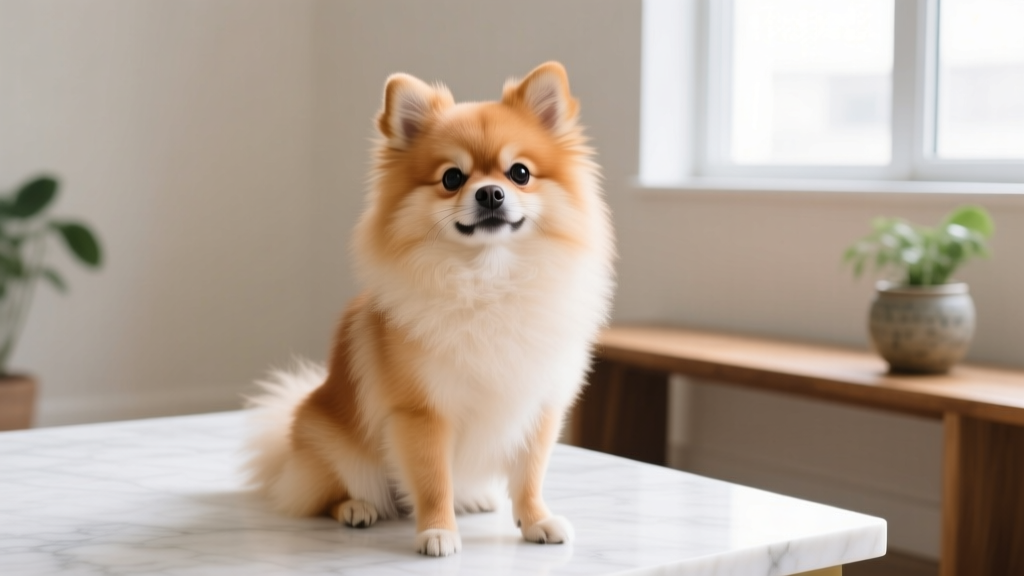
Pomeranian Dog Size: Adult Weight, Height & Growth Guide
Everything about Pomeranian dog size: adult weight and height ranges, growth milestones, throwback sizing, and how to keep your Pom at a healthy weight.

Pomeranian Dog Size at a Glance
If you're researching Pomeranian dog size, you're looking at one of the smallest recognized breeds in the world. Classified as a toy breed by the American Kennel Club (AKC), the Pomeranian packs an outsized personality into a remarkably compact frame. Understanding the expected weight and height range is essential — not just for choosing the right harness, crate, and clothing, but for monitoring your dog's health throughout their life.
This guide covers the full spectrum of Pomeranian sizing: breed-standard dimensions, growth milestones from puppyhood to adulthood, the phenomenon of "throwback" Pomeranians, and the health implications of size variation. Whether you're a prospective owner or already share your home with a Pom, the specifics here will help you set realistic expectations.
| Size Class | Toy |
|---|---|
| Adult Weight | 3–7 lb (1.4–3.2 kg) |
| Adult Height (at withers) | 6–7 in (15–18 cm) |
| Lifespan | 12–16 years |
| Coat Type | Double coat — dense undercoat, longer guard hairs |
| Energy Level | Moderate (for a toy breed) |
| Grooming Frequency | Brushing 2–3× per week; professional grooming every 4–6 weeks |
| AKC Group | Toy Group |
How Big Does a Pomeranian Get? Weight and Height Breakdown
The AKC breed standard specifies that a show-ring Pomeranian should weigh between 3 and 7 pounds (1.4–3.2 kg), with the ideal show weight falling around 4–6 lb. Height at the withers (the ridge between the shoulder blades) typically measures 6 to 7 inches (15–18 cm). The body is slightly shorter than it is tall, giving the breed its characteristic compact, "cobby" silhouette.
It's worth noting that the Fédération Cynologique Internationale (FCI), which governs breed standards outside the US, classifies the Pomeranian (known in many countries as the Zwergspitz or Dwarf Spitz) with a height range of 18–24 cm (7–9.5 in) and weight proportionally up to about 3.5 kg (7.7 lb). This means European-bred Poms may trend slightly larger than their American counterparts.
Weight Categories in Practice
| Category | Weight Range | Notes |
|---|---|---|
| Teacup / Mini (not a breed standard) | Under 3 lb (<1.4 kg) | Prone to severe health issues; not recognized by any major kennel club |
| AKC Standard | 3–7 lb (1.4–3.2 kg) | Recognized breed standard; ideal for conformation showing |
| Throwback Pomeranian | 8–15+ lb (3.6–6.8+ kg) | Genetic reversion to larger Spitz ancestors; healthy but not show-eligible |
The term "teacup Pomeranian" is a marketing label, not a legitimate size classification. Breeders who advertise teacup or micro Poms often achieve this by breeding runts or intentionally stunting growth, which leads to fragile bones, hypoglycemia, and shortened lifespans. Reputable breeders do not selectively breed for undersized dogs.
Pomeranian Growth Chart: Puppy to Adult
Pomeranian puppies are born weighing just a few ounces and grow rapidly during their first six months. Most Poms reach their full adult height by 9–10 months and fill out to their adult weight by 12–15 months. Below is a general growth trajectory based on data compiled from breed health surveys and veterinary growth charts.
| Age | Estimated Weight | Development Notes |
|---|---|---|
| Birth | 3–5 oz (85–140 g) | Eyes and ears closed; fully dependent on dam |
| 4 weeks | 8–14 oz (225–400 g) | Eyes open; begins exploring and eating soft food |
| 8 weeks | 1–2 lb (0.45–0.9 kg) | Typical age to go home with new owners; first DHPP vaccine |
| 3 months | 1.5–2.5 lb (0.7–1.1 kg) | Rapid growth phase; teething begins |
| 6 months | 3–4.5 lb (1.4–2 kg) | Growth rate slows; close to adult height |
| 9 months | 3.5–5 lb (1.6–2.3 kg) | Near full height; filling out in chest and body |
| 12 months | 4–5.5 lb (1.8–2.5 kg) | Considered adult; final weight may shift slightly until 15 months |
Keep in mind that these are estimates for a mid-range Pomeranian. A puppy destined to be a 3 lb adult will track lower on this chart, while one heading toward 7 lb will track higher. A good rule of thumb used by many breeders: double the puppy's weight at 12 weeks to estimate adult weight. This is approximate — genetics, nutrition, and litter size all influence the outcome.
What Is a Throwback Pomeranian?
If you've encountered a Pomeranian that looks distinctly larger than the breed standard — perhaps 10, 12, or even 15 pounds — you've likely met a throwback Pomeranian. This isn't a separate breed or a mixed breed. It's a genetic reversion to the Pomeranian's larger Spitz ancestors.
The Pomeranian descends from large Arctic working Spitz dogs — the same family that includes the Samoyed, Norwegian Elkhound, and Alaskan Malamute. Before Queen Victoria popularized the miniature version in the late 1800s, Pomeranian-type dogs in the Pomerania region (modern-day Poland and Germany) routinely weighed 30–40 lb. Centuries of selective breeding reduced the size, but the genes for larger stature still exist in the gene pool.
Occasionally, two standard-sized Pomeranians produce a puppy that grows significantly larger than expected. These throwbacks are typically healthy and make wonderful companions — they just aren't eligible for AKC conformation events. If you adopt from a rescue or buy from a breeder who doesn't show, a throwback Pom is often a sturdier, slightly less fragile pet, which can be an advantage in households with young children.
Temperament and Personality: Big Dog in a Small Package
Pomeranians consistently rank among the most personality-dense toy breeds. Their behavioral traits reflect their Spitz heritage — alertness, independence, and vocalization — compressed into a tiny body. Here are the core traits owners should expect:
- Alertness and watchdog instinct: Poms notice everything. A delivery truck, a passing dog, a leaf hitting the window — your Pomeranian will announce it. This makes them excellent watchdogs but means early training around quiet cues ("enough" or "thank you") is essential to prevent chronic barking.
- Boldness disproportionate to size: Poms routinely challenge dogs ten times their size at the dog park. They don't seem aware they're small. This confidence is endearing but requires owners to intervene in interactions with large breeds, as a single shake from a bigger dog can cause serious injury.
- Intelligence with independent streaks: Pomeranians score well on canine intelligence assessments (Stanley Coren's work places them in the "above average" working/obedience intelligence tier). However, they're not biddable in the way a Border Collie is. They learn quickly but may choose when to comply. Positive reinforcement with high-value treats (small bits of freeze-dried liver or chicken) works far better than repetitive drilling.
- Strong bonding with primary caregiver: Poms tend to attach closely to one person and may follow them room to room. They can develop separation anxiety if not gradually acclimated to alone time from puppyhood.
- Playfulness that persists into senior years: Many Poms remain playful and engaged well into their teens, though they'll need adjusted activity levels as they age.
Exercise, Activity Needs, and Daily Routine
Despite their small legs, Pomeranians have genuine exercise requirements. This is not a breed that thrives as a purely lap-dwelling companion. Here's what a healthy daily activity plan looks like:
- Leash walks: Two walks of 15–20 minutes each at a comfortable pace. Use a well-fitted harness (not a collar — Poms are prone to tracheal collapse, and neck pressure from collars exacerbates this risk). A front-clip harness like the Ruffwear Front Range in XXS is a popular choice.
- Indoor play sessions: 10–15 minutes of interactive play — fetch down a hallway, tug with a small rope toy, or puzzle feeders like the Outward Hound Dog Brick to engage their problem-solving instincts.
- Mental stimulation: Short training sessions (5 minutes, 2–3× daily) count as exercise for a Pomeranian's active mind. Teach new tricks, practice nose work, or rotate toys to maintain novelty.
Avoid overexertion in hot weather. Pomeranians, with their thick double coats, are susceptible to heat exhaustion. When temperatures exceed 85°F (29°C), walk during early morning or evening hours and always carry water. Watch for excessive panting, lagging behind, or lying down mid-walk — these are signs to stop and cool off immediately.
Common Health Issues in Pomeranians
Pomeranians are generally a healthy, long-lived breed, but their small size and genetic history predispose them to several specific conditions. Always consult your veterinarian for diagnosis and treatment — the information below is educational, not a substitute for professional care.
| Condition | Description | Estimated Prevalence | Typical Onset |
|---|---|---|---|
| Patellar Luxation | Kneecap slides out of position; ranges from Grade I (occasional skip) to Grade IV (permanent dislocation) | ~7–10% of Poms affected (Orthopedic Foundation for Animals data) | Can appear as early as 4 months; often diagnosed by 2 years |
| Tracheal Collapse | Weakening of cartilage rings in the windpipe, causing a characteristic "goose honk" cough | Common in toy breeds; Poms among most frequently affected | Typically middle age (4–8 years), but can appear earlier |
| Dental Disease | Periodontal disease due to tooth crowding in a small jaw | Over 80% of toy breeds show signs by age 3 (AVMA) | Plaque buildup visible by 1–2 years without preventive care |
| Hypoglycemia | Dangerously low blood sugar; puppies and very small adults at highest risk | Most common in puppies under 4 months and dogs under 3 lb | Can occur suddenly, especially after missed meals or stress |
| Alopecia X (Black Skin Disease) | Progressive hair loss with darkening skin; cosmetic rather than life-threatening | Estimated 5–8% of Poms; males more commonly affected | Usually begins between 1–3 years of age |
Responsible breeders screen for patellar luxation (OFA certification), cardiac issues, and eye conditions. Ask for health certificates before purchasing a puppy. The Orthopedic Foundation for Animals maintains a publicly searchable database of health test results.
- Sudden collapse, lethargy, or inability to stand (possible hypoglycemic crisis)
- Persistent honking cough or difficulty breathing
- Seizures or muscle tremors
- Refusal to eat for more than 12 hours (especially in puppies)
- Blue-tinged gums or tongue
Grooming Requirements for the Pomeranian Coat
The Pomeranian's double coat is one of the breed's defining features — a soft, dense undercoat beneath a longer, harsher outer coat of guard hairs. This coat requires consistent maintenance to prevent matting, skin infections, and discomfort.
| Task | Frequency | Tools / Products |
|---|---|---|
| Brushing | 2–3× per week (daily during shedding season) | Slicker brush (Chris Christensen Big G or similar), stainless steel comb for undercoat |
| Bathing | Every 3–4 weeks, or as needed | Dog-specific shampoo; avoid human products (pH mismatch) |
| Professional grooming | Every 4–6 weeks | Sanitary trim, paw pad trim, nail clip, ear cleaning |
| Teeth brushing | Daily (minimum 3× per week) | Dog toothpaste (enzymatic, e.g., Virbac C.E.T.); finger brush or small-head toothbrush |
| Nail trimming | Every 2–3 weeks | Small scissor-style clippers or Dremel grinder on low speed |
| Ear cleaning | Weekly check; clean as needed | Veterinary ear cleaner; cotton balls (never cotton swabs) |
A note on shaving: Never shave a Pomeranian's coat down to the skin unless medically necessary. The double coat provides insulation against both heat and cold, and shaving can damage the follicles permanently — a condition sometimes called post-clipping alopecia. The coat may never grow back correctly. If your Pom's coat is severely matted, work with a professional groomer to address it gradually.
Training and Intelligence
Pomeranians are trainable and genuinely enjoy learning, but their small size and big-dog confidence require specific approaches. Here's what works:
- Positive reinforcement only: Use high-value treats (pea-sized pieces of chicken, cheese, or commercial training treats like Zuke's Mini Naturals), praise, and play. Force-free methods aligned with LIMA (Least Intrusive, Minimally Aversive) principles produce the best results. Never use shock collars, prong collars, or physical corrections — these damage trust and can cause fear-based aggression in a breed already prone to reactive barking.
- Early socialization (8–16 weeks): Expose your Pom puppy to diverse people, surfaces, sounds, vaccinated dogs, and environments during the critical socialization window. A well-socialized Pomeranian is confident without being reactive.
- Housetraining patience: Toy breeds have small bladders and can be slower to housetrain. Expect 4–6 months of consistent effort. Take puppies outside every 1–2 hours, after meals, and after naps. Crate training (with a properly sized crate — just enough room to stand, turn, and lie down) accelerates the process.
- Trick training: Poms excel at tricks — spin, shake, crawl, and agility obstacles scaled for their size. Mental challenges tire them out as effectively as physical exercise.
Family Suitability: Kids, Other Pets, and Apartment Living
- Excellent apartment dogs — small footprint, adaptable to indoor living
- Alert and responsive to owners
- Long lifespan means many years of companionship
- Low food costs due to small portion sizes
- Travel-friendly size (fits under airline seats in approved carriers)
- Fragile build — not ideal for households with toddlers who may drop or squeeze them
- Prone to excessive barking without training
- High grooming maintenance and cost
- Can be snappy if startled or handled roughly
- Vulnerable to injury from larger dogs during play
With children: Pomeranians do best with children aged 8 and older who understand how to handle small animals gently. A Pom can be injured by a toddler picking them up and dropping them, sitting on them, or squeezing too tightly. Supervision is non-negotiable in mixed-age households. Teach children to let the dog approach them, to support the dog's hindquarters when holding, and to never disturb a sleeping or eating Pom.
With other pets: Poms generally coexist well with other dogs and can live alongside cats, especially when raised together. However, their boldness means they may instigate conflicts with larger dogs who don't appreciate their assertiveness. Always supervise interactions with dogs over 20 lb. Small pets like hamsters or birds should be kept securely separated — the Pom's prey drive, inherited from Spitz ancestors, can kick in.
Apartment living: Pomeranians are one of the best-suited breeds for apartments. Their exercise needs are manageable indoors and with short walks, and their small size fits any living space. The main challenge is barking — Poms will alert to hallway noises, elevator dings, and neighboring units. Consistent training on a "quiet" cue and white noise machines can mitigate this significantly.
Cost of Owning a Pomeranian
Pomeranian ownership costs break down into initial acquisition and ongoing annual expenses. Here's a realistic 2026 budget:
| Expense Category | Estimated Cost |
|---|---|
| Puppy from a responsible breeder (health-tested parents, AKC registered) | $1,500–$5,000+ |
| Adoption from rescue/shelter | $200–$600 |
| First-year veterinary care (vaccines, spay/neuter, wellness exams) | $500–$900 |
| Annual veterinary care (wellness exam, vaccines, dental cleaning) | $400–$800/year |
| Grooming (professional, every 4–6 weeks) | $50–$90 per session; $500–$1,000/year |
| Food (premium small-breed kibble or balanced fresh diet) | $20–$45/month; $240–$540/year |
| Pet insurance (accident + illness plan) | $25–$50/month; $300–$600/year |
| Supplies (crate, harness, toys, bed, grooming tools — initial setup) | $200–$400 one-time |
| Dental care (professional cleaning under anesthesia, if needed beyond wellness) | $400–$800 per cleaning |
Estimated first-year total: $3,000–$8,000+ depending on acquisition source and any health issues. Ongoing annual cost: $1,500–$3,000 per year. Pomeranians live 12–16 years on average, so lifetime ownership costs typically range from $20,000 to $45,000.
Pet insurance is strongly recommended for Pomeranians. Their predisposition to dental disease, tracheal collapse, and patellar luxation means many owners face at least one significant veterinary expense during the dog's lifetime. Policies from providers like Trupanion, Healthy Paws, or Nationwide typically cover hereditary conditions when enrolled before symptoms appear.
Is a Pomeranian Right for First-Time Owners?
Pomeranians can be a good match for first-time dog owners, with some caveats. On the positive side, their small size makes them manageable in apartments, their exercise needs are moderate, and they bond deeply with their people. On the challenging side, the grooming commitment is significant, housetraining requires patience, and their vocal nature demands proactive training.
First-time owners who will thrive with a Pom are those willing to invest time in training classes (a 6-week puppy kindergarten course typically costs $150–$250), commit to daily grooming routines, and understand that a small dog still needs structure and boundaries. If you're looking for a low-maintenance, quiet, "set it and forget it" companion, a Pomeranian is not the right fit. If you want an engaged, entertaining, portable companion and you're ready for the upkeep, a Pom can be deeply rewarding.
Frequently Asked Questions About Pomeranian Size
How big does a Pomeranian get as an adult?
A standard Pomeranian reaches an adult weight of 3–7 lb (1.4–3.2 kg) and a height of 6–7 inches (15–18 cm) at the withers. Some individuals, known as throwback Pomeranians, can grow to 8–15 lb or more due to genetic reversion to larger Spitz ancestors.
Is this breed good with children and other pets?
Pomeranians are best suited to homes with children aged 8+ who handle them gently. Their fragile build makes them vulnerable to accidental injury from toddlers. They generally get along with other dogs and cats when properly introduced, but should be supervised around much larger dogs.
How much exercise does a Pomeranian need daily?
Aim for 30–45 minutes of total daily activity, split into 2–3 sessions. This includes leash walks (15–20 minutes each), indoor play, and mental stimulation through training or puzzle toys.
What health problems is the Pomeranian prone to?
Key breed-specific concerns include patellar luxation, tracheal collapse, dental disease, hypoglycemia (especially in puppies), and alopecia X. Regular veterinary checkups and preventive dental care are essential.
How much does a Pomeranian cost to buy and maintain?
Expect to pay $1,500–$5,000+ for a puppy from a responsible breeder, or $200–$600 through rescue adoption. Annual care costs typically run $1,500–$3,000 including veterinary care, grooming, food, and insurance.
Is the Pomeranian right for first-time owners?
Yes, with preparation. First-time owners should be ready for the grooming commitment, patient housetraining, and proactive bark management. Puppy training classes are highly recommended.
This article is for educational purposes and does not replace professional veterinary advice. For breed-specific health screenings, consult your veterinarian or a board-certified veterinary specialist. If you suspect your dog has ingested a toxic substance, contact the ASPCA Animal Poison Control Center at (888) 426-4435 (24/7, consultation fee applies).
Tom Renshaw
All our authors care for dogs every day — read more of their work on the authors page.