Pomeranian Chihuahua Mix (Pomchi): Complete Breed Profile & Care Guide
Everything about Pomeranian Chihuahua mix dogs: size, temperament, health risks, grooming, training, and 2026 ownership costs for the Pomchi breed.
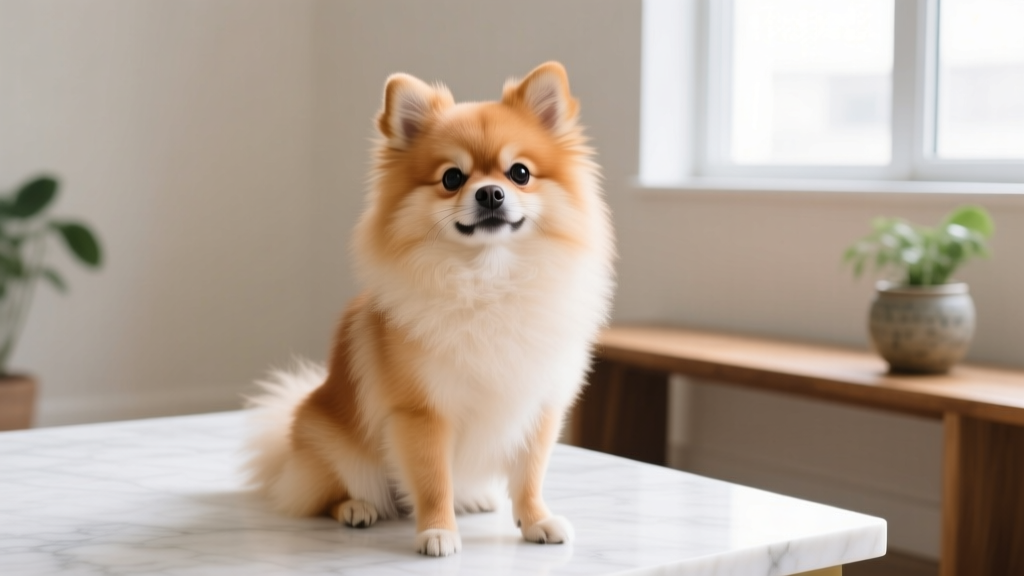
If you've been researching small companion dogs, you've likely encountered the appeal of dogs Pomeranian Chihuahua mixes — affectionately known as Pomchis. This designer crossbreed combines the bold, fox-like charm of the Pomeranian with the sassy devotion of the Chihuahua, resulting in a tiny dog with an outsized personality. But before you bring one home, there's a lot to understand about their specific health risks, grooming demands, and training needs.
As a designer breed (not recognized by the AKC as a standalone breed), the Pomchi inherits traits from both parent breeds in unpredictable proportions. An F1 Pomchi (first-generation cross) may look and behave quite differently from an F1B (backcrossed to one parent breed). This guide breaks down exactly what you can expect from living with a Pomeranian Chihuahua mix, based on veterinary data, parent breed standards, and real owner experiences.
Pomchi Breed Overview: Origin, Size, and Lifespan
The Pomchi emerged in the United States during the late 1990s and early 2000s, part of the broader designer dog movement that also produced the Maltipoo, Puggle, and Cockapoo. Breeders aimed to combine the Pomeranian's fluffy coat and alert nature with the Chihuahua's compact size and fierce loyalty. Neither the AKC Pomeranian breed standard nor the AKC Chihuahua standard formally recognizes the cross, but registries like the Designer Breed Registry (DBR) and American Canine Hybrid Club (ACHC) do list the Pomchi.
Both parent breeds trace deep historical roots. Pomeranians descended from larger Spitz-type sled dogs in the Pomerania region (modern-day Poland and Germany), eventually bred down to toy size by European royalty — Queen Victoria famously popularized the smaller variant in the late 1800s. Chihuahuas originated in the Mexican state of Chihuahua, likely descended from the ancient Techichi dogs kept by the Toltec civilization as early as the 9th century.
| Weight | 4–12 lb (1.8–5.4 kg) |
| Height | 6–10 inches (15–25 cm) at the shoulder |
| Lifespan | 12–16 years |
| Size Class | Toy |
| Coat Type | Short to long; single or double coat (varies by parent influence) |
| Energy Level | Moderate — bursts of playfulness with ample nap time |
| Grooming Needs | Moderate to high (depends on coat length) |
| Family Fit | Best with adults, older gentle children, or quiet households |
Physical Characteristics: What Does a Pomchi Look Like?
Pomchi appearance varies considerably depending on which parent's genes dominate. Some lean heavily toward the Pomeranian side — sporting a dense double coat, pointed muzzle, and erect triangular ears with a plumed tail curling over the back. Others favor the Chihuahua: shorter coat, rounder "apple-domed" head, prominent eyes, and a more compact frame.
Weight range: Most adult Pomchis fall between 5–9 lb (2.3–4.1 kg). Those inheriting a heavier Pomeranian build may reach 12 lb (5.4 kg), while Chihuahua-dominant individuals can be as light as 3–4 lb (1.4–1.8 kg). Any Pomchi under 4 lb warrants careful monitoring for hypoglycemia, a condition common in extremely small toy breeds.
Height: Expect 6–10 inches (15–25 cm) measured at the withers. There is no official breed standard, so size variation is normal even within the same litter.
Coat colors and types: Pomchis come in virtually any color — sable, black and tan, cream, chocolate, merle, parti-color, and solid red or orange are all common. Coat texture ranges from the Chihuahua's short, smooth, low-shedding coat to the Pomeranian's long, harsh outer coat with a soft dense undercoat. Double-coated Pomchis shed seasonally and require significantly more grooming.
Temperament & Personality: 5 Core Pomchi Traits
The Pomchi temperament is where this mix truly stands out. Drawing from two bold, opinionated toy breeds, these dogs are rarely wallflowers. Here are the five behavioral traits you'll encounter most often:
1. Fiercely Loyal to One Person
Pomchis tend to bond intensely with a single person, following them room to room and showing visible distress during separations. In multi-person households, they'll usually "choose" a favorite and may be aloof with others. This isn't unfriendliness — it's a hallmark of both parent breeds. Early socialization (exposure to multiple people before 14 weeks of age) helps prevent over-attachment.
2. Alert and Vocal
Expect your Pomchi to announce visitors, delivery drivers, squirrels, and suspicious leaf movements. Both Pomeranians and Chihuahuas rank among the most vocal toy breeds, and the cross inherits this watchdog tendency. They won't physically protect you, but they will absolutely let you know something is happening. This makes them poorly suited for apartments with strict noise policies or shared walls.
3. Confident to the Point of Boldness
A 6-pound Pomchi will regularly challenge dogs ten times its size. This "big dog attitude" stems from both parent breeds — Pomeranians were originally larger working dogs, and Chihuahuas have a well-documented fearlessness. Without proper socialization, this confidence can escalate into leash reactivity or resource guarding.
4. Playful but Not Hyperactive
Pomchis enjoy interactive play — chasing flirt poles, learning trick sequences, and puzzle toy sessions — but they're equally content curling up on a lap for hours. They have bursts of energy (the Chihuahua-influenced "zoomies" are real) followed by long rest periods. This makes them adaptable to various living situations.
5. Sensitive and Easily Stressed
Harsh corrections, loud environments, or chaotic households can cause a Pomchi to shut down or develop anxiety-based behaviors like excessive licking, trembling, or house-training regression. These dogs respond exclusively to positive reinforcement training — force-free methods using treats, praise, and play are the only approaches that build trust with this sensitive mix.
Exercise & Activity Needs: Daily Requirements
Despite their small size, Pomchis need structured daily activity to prevent boredom-based behaviors (excessive barking, destructive chewing, obsessive licking). Here's a realistic breakdown:
| Activity | Duration | Frequency | Notes |
|---|---|---|---|
| Leash walks | 15–20 minutes | Twice daily | Use a harness, not a collar — tracheal collapse risk |
| Indoor play sessions | 10–15 minutes | 2–3 times daily | Flirt pole, fetch in hallway, tug with soft toy |
| Mental enrichment | 10–15 minutes | Daily | Snuffle mats, puzzle feeders, trick training |
| Supervised yard time | 15–30 minutes | As available | Fenced area only — Pomchis can squeeze through small gaps |
Total daily exercise target: 30–45 minutes of combined physical and mental activity. This is less than many breeds but must be consistent. Pomchis who don't receive adequate stimulation often develop nuisance barking or separation anxiety.
Important safety note: Pomchis are vulnerable to predation by hawks, owls, and coyotes. Never leave them unattended outdoors, even in fenced yards. In regions with raptor activity, consider a Raptor Shield vest or supervised-only outdoor time. Additionally, their small bladders mean puppies may need bathroom breaks every 1–2 hours during house training.
Common Health Issues in Pomeranian Chihuahua Mixes
While crossbreeding can provide some hybrid vigor (reduced risk of recessive genetic conditions compared to purebreds), Pomchis remain susceptible to health problems common in both parent breeds. Consult your veterinarian for a personalized preventive care plan. Below are the conditions with the highest prevalence in this mix:
| Condition | Estimated Prevalence | Onset | Management |
|---|---|---|---|
| Patellar Luxation (kneecap dislocation) | 15–25% of toy breeds (per Merck Veterinary Manual) | Often detected by 6–12 months | Grade I–II: weight management, joint supplements. Grade III–IV: surgical correction ($1,500–$3,500 per knee) |
| Tracheal Collapse | High in Pomeranians (up to 50% in some studies); common in Chihuahuas | Typically 4–8 years | Harness-only walking, weight control, cough suppressants. Severe cases may require stent surgery ($3,500–$6,000) |
| Dental Disease (periodontal disease, retained baby teeth) | Over 80% of toy breeds show signs by age 3 | As early as 1–2 years | Daily tooth brushing, professional cleanings ($400–$800) every 1–2 years, dental chews approved by VOHC |
| Hypoglycemia (low blood sugar) | Higher risk in puppies under 4 lb (1.8 kg) | 8 weeks–6 months typically | Frequent small meals (3–4x daily for puppies), Nutri-Cal gel for emergencies, avoid fasting |
| Progressive Retinal Atrophy (PRA) | Present in both parent breeds; estimated 5–10% carrier rate | Usually 3–7 years | No cure; DNA testing of parent dogs reduces risk. Blind dogs adapt well in stable environments |
Additional conditions to monitor: Open fontanel (soft spot on skull common in Chihuahua-line dogs), hydrocephalus (rare but serious), Legg-Calvé-Perthes disease (hip degeneration), and luxating lenses. Ask your breeder for OFA (Orthopedic Foundation for Animals) or PennHIP certifications for both parent dogs, specifically patella and cardiac evaluations.
- Difficulty breathing, persistent honking cough, or blue-tinged gums
- Sudden inability to bear weight on a hind leg (possible patellar luxation or fracture)
- Lethargy, trembling, or disorientation in a puppy (possible hypoglycemic crisis)
- Seizures, even a single episode
- Refusal to eat for more than 12 hours (critical in dogs under 5 lb)
For toxic ingestion emergencies, contact ASPCA Animal Poison Control: (888) 426-4435 (24/7, consultation fee applies).
Grooming Requirements: Coat Care, Tools, and Schedule
Grooming needs vary dramatically based on which parent's coat your Pomchi inherits. A Chihuahua-coat Pomchi (short, smooth) needs minimal maintenance, while a Pomeranian-coat Pomchi (long double coat) requires committed upkeep.
For long/double-coated Pomchis:
- Brushing: 3–4 times per week using a slicker brush (such as the Chris Christensen Big G or Hertzko Self-Cleaning Slicker) followed by a metal greyhound comb to check for mats at the skin level
- Professional grooming: Every 6–8 weeks for sanitary trims, paw pad shaving, and ear cleaning ($50–$85 per session)
- Bathing: Every 3–4 weeks using a gentle oatmeal-based dog shampoo — over-bathing strips natural oils and worsens shedding
- Seasonal shedding: Double-coated Pomchis "blow" their undercoat 1–2 times yearly (spring and fall). During these periods, daily brushing with an undercoat rake prevents painful matting
For short/smooth-coated Pomchis:
- Brushing: Once weekly with a rubber grooming mitt or soft bristle brush
- Professional grooming: Every 8–12 weeks, mainly for nail trims and ear maintenance
- Bathing: Every 4–6 weeks or as needed
Universal grooming tasks (all coat types):
- Nail trimming every 2–3 weeks — overgrown nails alter gait and contribute to patellar stress
- Ear cleaning weekly with a veterinary-approved ear cleanser (e.g., Epi-Otic Advanced) — erect-eared Pomchis accumulate less debris than floppy-eared breeds but still need monitoring
- Daily tooth brushing with enzymatic dog toothpaste (e.g., Virbac CET) — dental disease is the number one health threat to toy breeds
Training & Intelligence: Methods That Work
Pomchis are intelligent dogs who learn quickly — but they're also independent thinkers who question whether a command is worth following. This isn't stubbornness; it's a trait inherited from both parent breeds, which were historically expected to make their own decisions (Pomeranians as alert dogs, Chihuahuas as companion-sentinels).
Trainability rating: 6/10 — capable of learning complex tricks and obedience, but requires patience and motivation. Not recommended for owners who expect instant, robotic compliance.
Recommended training approach: Positive reinforcement using high-value treats (small pieces of freeze-dried liver, chicken, or cheese), clicker marking, and short sessions (5–8 minutes, 2–3 times daily). Pomchis shut down under pressure — any trainer recommending leash corrections, alpha rolls, or electronic collars should be avoided entirely. The AKC's positive training resources offer excellent starting frameworks.
Priority training goals for Pomchis:
- House training: Notoriously challenging in toy breeds due to small bladders and cold-weather reluctance. Use a consistent schedule (outside every 1–2 hours for puppies), a designated potty spot, and enthusiastic reward for outdoor elimination. Indoor grass pads or litter boxes are acceptable alternatives for apartment dwellers.
- Bark management: Teach a "quiet" cue by rewarding silence after a single alert bark. Never yell at a barking Pomchi — they interpret shouting as you barking along.
- Handling desensitization: Gently handle paws, ears, mouth, and body daily from puppyhood. This prevents the defensive nipping that poorly socialized toy dogs develop when touched unexpectedly.
- Recall: Critical for safety, but Pomchis have high prey drive toward small animals. Practice in enclosed areas before attempting off-leash reliability — and many Pomchis should never be trusted off-leash in unsecured areas.
Family Suitability: Kids, Other Pets, and Living Spaces
With children: Pomchis are best suited for homes with children aged 10 and older who understand how to handle small animals gently. A child who picks up, squeezes, or drops a 5-pound dog can cause serious injury — tracheal damage, fractures, and luxating patellas are all risks from rough handling. Toddlers and Pomchis should never be left unsupervised together. The dog's small size and sensitivity to sudden movements and loud noises make chaotic households stressful for them.
With other dogs: Well-socialized Pomchis generally coexist peacefully with other household dogs, especially if raised together. However, they may provoke larger dogs with their bold, sometimes confrontational approach. Always supervise interactions between a Pomchi and dogs over 25 lb — a single playful swipe from a large dog can fracture a Pomchi's leg.
With cats and small pets: Pomchis often coexist well with cats (especially if the cat is dog-tolerant). Their high prey drive toward rodents, birds, and reptiles means these pets should be kept securely separated.
Apartment living: Pomchis adapt well to apartments due to their small size and moderate exercise needs. The primary concern is barking — if your building has thin walls or noise-sensitive neighbors, invest early in bark management training. A white noise machine near the door can reduce trigger-based barking at hallway sounds.
Pros of Owning a Pomchi
- Compact size — ideal for apartments, travel, and senior owners
- Long lifespan (12–16 years) for many years of companionship
- Low food costs — a 6-lb dog eats roughly ¼ to ⅓ cup of kibble daily
- Strong bonding — intensely devoted to their person
- Adaptable energy — happy with walks or couch days
Cons of Owning a Pomchi
- Fragile — easily injured by falls, rough play, or larger dogs
- Prone to excessive barking without consistent training
- House training can take 4–6 months (longer than larger breeds)
- Dental disease requires ongoing financial commitment
- Not ideal for families with young or rambunctious children
Cost of Ownership: Puppy Price and Annual Budget
Budgeting accurately for a Pomchi prevents unpleasant surprises. Here's a realistic breakdown based on 2025–2026 market data:
Puppy purchase price:
- From a responsible breeder (health-tested parents, OFA certifications, early socialization, take-back clause): $1,200–$3,000
- From a backyard breeder or online marketplace (no health testing, minimal socialization): $400–$900 — lower upfront cost but significantly higher veterinary risk
- Adoption/rescue: $150–$400 through breed-specific rescues or local shelters (Pomchis do appear in rescue, though less frequently than more common breeds)
First-year estimated costs:
- Initial veterinary visit, vaccines (DHPP series, rabies, bordetella), fecal testing: $350–$600
- Spay/neuter: $400–$800 (toy breed anesthesia carries slightly higher risk, so choose a clinic with experience in small dogs)
- Supplies (crate, harness, bed, bowls, grooming tools, toys): $200–$400
- Food (high-quality small-breed kibble, e.g., Royal Canin X-Small, Fromm Gold Small Breed): $180–$300/year
- Preventive medications (heartworm, flea/tick — Revolution Plus or Simparica Trio sized for small dogs): $150–$250/year
- Pet insurance (recommended for toy breeds given dental and orthopedic risk): $30–$55/month ($360–$660/year)
- Grooming (if long-coated): $300–$510/year
Estimated first-year total: $2,500–$4,500 (excluding puppy purchase price).
Ongoing annual cost (years 2+): $1,200–$2,500 depending on coat type, health status, and insurance enrollment.
Is a Pomeranian Chihuahua Mix Right for You?
The Pomchi is an excellent match for adults, seniors, or work-from-home owners who want a devoted, portable companion with personality to spare. They thrive in calm environments where someone is home for much of the day — their tendency toward separation anxiety makes them poor candidates for owners who work 10-hour days away from home without a pet sitter or doggy daycare arrangement.
They're a strong choice for first-time owners who have researched toy breed care — specifically the dental maintenance, fragility considerations, and patience required for house training. They're a poor fit for households with very young children, people who want a quiet dog, or anyone unwilling to commit to daily grooming (for long-coated individuals) and regular veterinary dental cleanings.
Frequently Asked Questions About Pomchis
Is the Pomeranian Chihuahua mix good for first-time dog owners?
Yes, with preparation. First-time owners should read up on toy breed fragility, house training challenges, and dental care requirements before bringing a Pomchi home. Attending a positive-reinforcement puppy class in the first 4–6 months sets the foundation for a well-adjusted adult dog. The key challenge for new owners is patience — Pomchis mature slowly and house training may take longer than with larger breeds.
How big does a Pomeranian Chihuahua mix get?
Adult Pomchis typically weigh 5–9 lb (2.3–4.1 kg) and stand 6–10 inches (15–25 cm) tall at the shoulder. Size depends on which parent breed's genes are more dominant. A reputable breeder can estimate adult size based on the parents' measurements and the puppy's growth curve at 8–12 weeks.
How much exercise does a Pomchi need each day?
Aim for 30–45 minutes of combined physical and mental activity daily, split between two short leash walks (15–20 minutes each) and indoor play or enrichment sessions. Always use a well-fitted harness rather than a collar to protect the trachea.
What health problems are Pomchis prone to?
The most common breed-specific conditions include patellar luxation (kneecap slipping), tracheal collapse, severe dental disease, hypoglycemia (in puppies and very small adults), and progressive retinal atrophy. Regular veterinary checkups every 6 months (not annually) are recommended for toy breeds to catch issues early.
Are Pomchis good with children and other pets?
They do best with children aged 10+ who handle animals gently. They can coexist with other dogs and cats when properly socialized, but their bold nature and small size mean interactions with larger dogs should always be supervised. Keep small pets like hamsters and birds separated due to prey drive.
How much does a Pomchi cost to buy and maintain?
Expect to pay $1,200–$3,000 for a responsibly bred puppy, or $150–$400 through rescue. First-year care costs run $2,500–$4,500, with ongoing annual costs of $1,200–$2,500. Pet insurance is strongly recommended to offset the cost of dental cleanings and potential orthopedic surgeries.
Beth Carrasco
All our authors care for dogs every day — read more of their work on the authors page.


