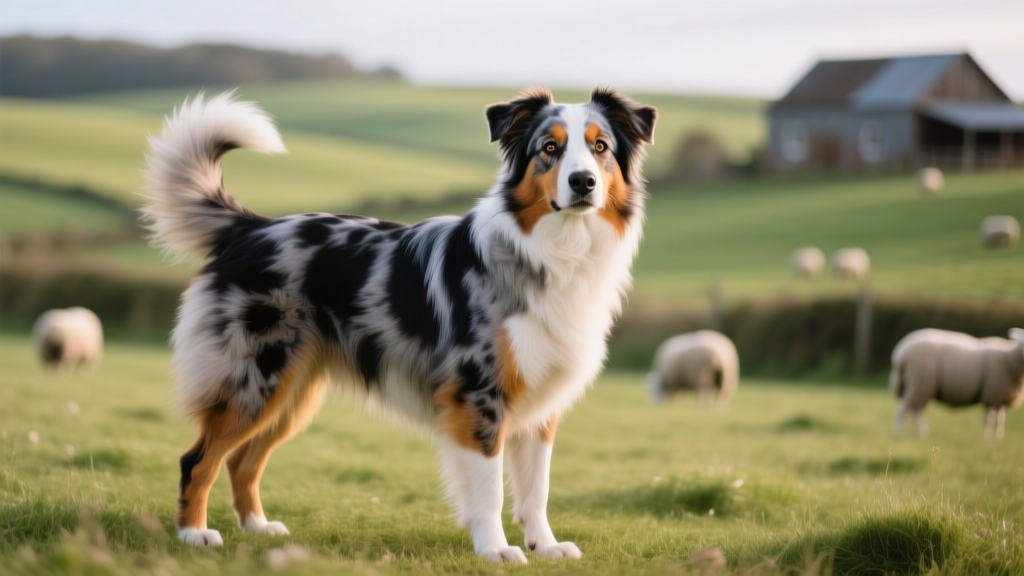
Pom and Husky Mix: Complete Pomerat Husky Breed Guide
Everything about the pom and husky mix (Pomsky): size, temperament, coat types, health risks, grooming needs, costs.
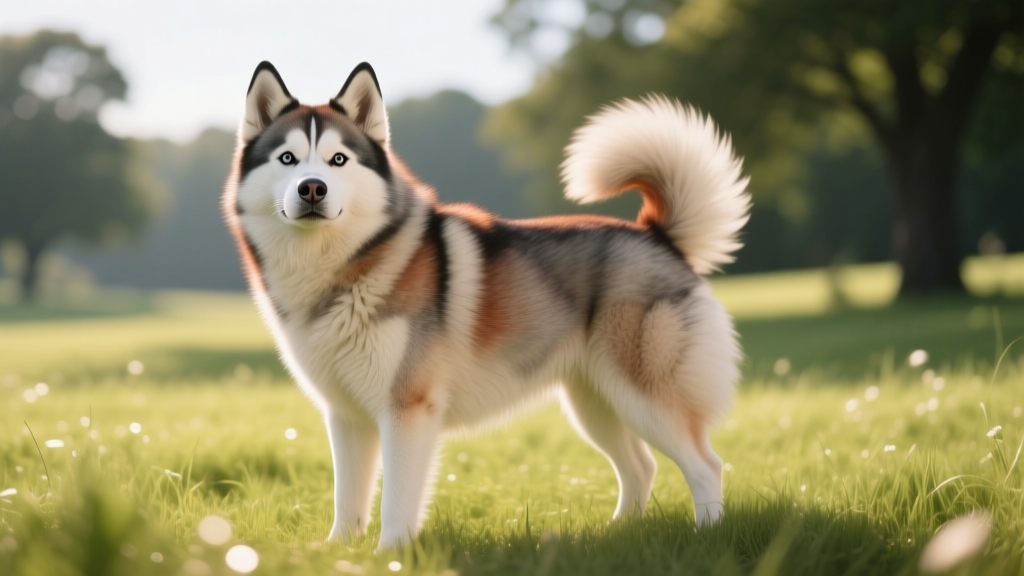
If you've scrolled through social media and stopped at a photo of a tiny, fluffy dog with piercing blue eyes and a fox-like face, you've probably encountered the pom and husky mix — widely known as the Pomsky. This designer cross between a Pomeranian and a Siberian Husky has surged in popularity over the last decade, and it's easy to see why: the promise of Husky looks in a compact, apartment-friendly package is undeniably appealing.
But here's what most breeder websites won't tell you: because these two parent breeds sit on opposite ends of the size spectrum, the pom and husky mix is one of the most variable designer dogs in existence. Two puppies from the same litter can look, behave, and grow to dramatically different sizes. Before you put down a deposit, you need to understand exactly what you're signing up for.
This guide covers the genetics, health realities, temperament range, and true ownership costs of the pom and husky mix — based on veterinary data, breed standards, and real-world owner experiences.
Parent Breed Breakdown: Pomeranian Meets Siberian Husky
The pom and husky mix inherits traits from two spitz-family breeds that share a common ancestral lineage but were developed for radically different purposes. Understanding each parent breed is essential to predicting what a Pomsky puppy might become.
| Trait | Pomeranian | Siberian Husky |
|---|---|---|
| AKC Group | Toy | Working |
| Weight Range | 3–7 lb (1.4–3.2 kg) | 35–60 lb (16–27 kg) |
| Height | 6–7 in (15–18 cm) | 20–23.5 in (51–60 cm) |
| Original Purpose | Companion / lap dog | Sled pulling / endurance working |
| Energy Level | Moderate (30–45 min/day) | Very high (90–120+ min/day) |
| Vocalization | High — frequent barker | High — howling, talking, "woo-woo" |
| Coat | Double coat, heavy shedder | Dense double coat, extreme seasonal blow |
| Lifespan | 12–16 years | 12–14 years |
| Trainability | Moderate — can be willful | Low-to-moderate — independent thinker |
Both breeds belong to the spitz family, meaning they share pointed ears, curled tails, and thick double coats. According to the AKC Pomeranian breed standard and the AKC Siberian Husky breed standard, both breeds are alert, intelligent, and vocal — traits that reliably show up in their offspring. But the size difference (a 5 lb Pomeranian vs. a 50 lb Husky) creates enormous genetic variability in the mix.
Understanding Pomsky Generations: F1, F1B, F2, and Multigen
The generation of a Pomsky directly affects how predictable its traits will be. Here's what the labels mean:
- F1 (First Generation): 50% Pomeranian × 50% Siberian Husky. Most variable — puppies can lean heavily toward either parent in size, coat, and temperament.
- F1B (First Generation Backcross): F1 Pomsky × Pomeranian (75% Pom / 25% Husky) or F1 Pomsky × Husky (25% Pom / 75% Husky). Backcrossing to the Pomeranian is far more common because it keeps size smaller and more manageable.
- F2 (Second Generation): F1 Pomsky × F1 Pomsky. Still highly variable — you're mixing two already-unpredictable dogs.
- F2B / Multigen: Multiple generations of Pomsky-to-Pomsky breeding. Slightly more predictable, but the Pomsky is not yet a stabilized breed. The Pomsky Club of America is working toward breed recognition, but this is a multi-decade process.
Key takeaway: There is no guaranteed "standard" Pomsky type. Even multigen litters produce puppies that vary significantly in adult size and coat.
How Big Will a Pom and Husky Mix Get?
This is the single most common question from prospective Pomsky owners, and the honest answer is: it depends heavily on the generation and which parent the puppy favors.
| Generation | Weight Range | Height Range | Size Category |
|---|---|---|---|
| F1 (50/50) | 10–35 lb (4.5–16 kg) | 10–18 in (25–46 cm) | Small to Medium |
| F1B to Pomeranian (75% Pom) | 7–18 lb (3.2–8.2 kg) | 8–14 in (20–36 cm) | Small |
| F1B to Husky (75% Husky) | 25–50 lb (11–23 kg) | 16–22 in (41–56 cm) | Medium |
| F2 / Multigen | 10–30 lb (4.5–13.6 kg) | 10–17 in (25–43 cm) | Small to Medium |
Most breeders target the smaller end of the spectrum because that's what buyers want — a Husky-looking dog that fits apartment living. The most common method is breeding a male Pomeranian to a female Husky (never the reverse, as a male Husky breeding a female Pomeranian would create dangerous pregnancy complications due to puppy size).
By 8 weeks, a responsible breeder can give you a rough estimate based on the puppy's current weight. A general rule of thumb: multiply the 8-week weight by 3 for an approximate adult weight, though this is imprecise for mixed breeds. Expect your dog to reach full height by 10–12 months and fill out in chest and muscle by 18 months.
Coat Types, Colors, and the Shedding Reality
Both parent breeds carry double coats — a soft, dense undercoat beneath a longer, coarser guard hair layer. This means your pom and husky mix will almost certainly have a double coat, but the length, texture, and density vary.
Coat Possibilities
- Pomeranian-leaning coat: Longer, fluffier guard hairs with a very dense undercoat. Gives the classic "teddy bear" or "fox face" look. Requires more frequent brushing to prevent matting.
- Husky-leaning coat: Medium-length, plush coat with a woolly undercoat. Typically sleeker in appearance but sheds in dramatic seasonal "blowouts" where the undercoat releases in large tufts.
- Blended coat: Medium-long with moderate density — the most common outcome in F1B-to-Pomeranian litters.
Color Range
Pomskies can inherit any combination from both parents: black and white, gray and silver, red/sable, cream, brown/chocolate, merle, and parti-color. Blue eyes, brown eyes, and heterochromia (one of each) are all possible, inherited from the Husky side.
Is the Pom and Husky Mix Hypoallergenic?
No. Neither parent breed is hypoallergenic. Both are heavy shedders, and the Pomsky is no exception. Expect year-round moderate shedding with 1–2 heavy "coat blow" periods per year (typically spring and fall) lasting 2–4 weeks. During these periods, daily brushing with an undercoat rake is necessary. If you have dog allergies, this is not a suitable breed for you.
Temperament Range: What to Actually Expect
Temperament in a pom and husky mix exists on a spectrum. Rather than promising a specific personality, here's the realistic range based on the genetic contributions of each parent.
- Playful and affectionate without being clingy
- Alert and vocal enough to be a good "watchdog alarm" without excessive barking
- Intelligent and responsive to positive reinforcement training
- Good with children and other pets when properly socialized from 8–16 weeks
- Adaptable energy — happy with a 45-minute walk plus indoor play
- High prey drive (Husky inheritance) — unsafe with cats, rabbits, small dogs
- Stubbornness and independence making recall unreliable off-leash
- Excessive vocalization — barking, howling, and "talking" that disturbs neighbors
- Separation anxiety leading to destructive behavior when left alone 4+ hours
- Small dog syndrome — nipping, resource guarding if not trained early
The trait you're most likely to see regardless of which parent the puppy favors: vocalization. Both Pomeranians and Huskies are among the most vocal breeds in existence. Expect your Pomsky to have opinions and express them loudly.
Prey Drive Warning
Siberian Huskies have strong prey drive — the instinct to chase and potentially harm small animals. This trait can appear even in puppies that otherwise look mostly Pomeranian. If you have cats, small dogs under 15 lb, or backyard wildlife, introduce carefully and never leave your Pomsky unsupervised with small animals until prey drive has been assessed (usually apparent by 4–6 months of age).
Health Considerations: Hybrid Vigor vs. Reality
Let's address a common marketing claim: that mixed breeds are automatically healthier than purebreds due to "hybrid vigor." The reality is more nuanced.
Hybrid vigor (heterosis) can reduce the risk of recessive genetic conditions that are common within a single breed's closed gene pool. However, it does not protect against conditions that both parent breeds share, nor does it prevent structural problems caused by breeding dogs of vastly different sizes.
Health Conditions to Watch For
| Condition | Inherited From | Prevalence | Screening Test |
|---|---|---|---|
| Patellar Luxation (kneecap dislocation) | Pomeranian (very common) | High in toy breeds | Orthopedic exam by vet |
| Collapsed Trachea | Pomeranian | Common in small breeds | Radiograph / endoscopy |
| Hip Dysplasia | Husky | Moderate — ~15% of Huskies per OFA data | OFA/PennHIP radiograph |
| Eye Conditions (cataracts, PRA, corneal dystrophy) | Both breeds | Moderate | CERF/OFA ophthalmologist exam |
| Dental Disease | Pomeranian (small mouths crowd teeth) | Very high — most small breeds by age 3 | Annual veterinary dental exam |
| Hypothyroidism | Husky | Low-to-moderate | Thyroid panel (T4, free T4, TSH) |
| Heart Conditions (PDA, mitral valve) | Pomeranian | Moderate | Cardiac exam / echocardiogram |
A responsible Pomsky breeder will provide health clearances for both parent dogs — not just the Pomeranian or just the Husky. Ask for OFA (Orthopedic Foundation for Animals) certificates for hips, patellas, cardiac, and eyes. If a breeder can't produce these, walk away.
Grooming and Daily Care Requirements
The pom and husky mix is not a low-maintenance dog when it comes to coat care. Plan for the following:
Brushing Schedule
- Regular weeks: Brush 3–4 times per week with a slicker brush and metal comb, working through to the undercoat.
- Coat blow season (spring/fall): Daily brushing with an undercoat rake (e.g., Furminator or similar de-shedding tool) for 15–20 minutes per session.
- Never shave a Pomsky. The double coat regulates temperature in both heat and cold. Shaving damages the coat structure and can cause it to grow back patchy or not at all — a condition called alopecia X, which Pomeranians are already predisposed to.
Bathing
Bathe every 6–8 weeks or when visibly dirty. Use a dog-specific shampoo (never human products — the pH is wrong for canine skin). A high-velocity dryer is the most effective way to blow out loose undercoat after bathing; many professional groomers offer "de-shedding treatments" in the $40–$80 range.
Nails, Ears, Teeth
- Nails: Trim every 2–4 weeks. If you hear clicking on hard floors, they're too long.
- Ears: Check weekly. Both parent breeds have erect ears, which generally stay cleaner than floppy ears, but wax buildup still occurs. Clean with a veterinary ear wash as needed.
- Teeth: Brush daily or at minimum 4–5 times per week. Small-mouthed Pomskies are extremely prone to periodontal disease. Use a veterinary enzymatic toothpaste (e.g., C.E.T. or Virbac brands). Budget for professional dental cleanings under anesthesia ($300–$800 depending on your region) every 1–2 years.
Cost Breakdown: Purchase Price and Lifetime Ownership
Puppy Purchase Price
The pom and husky mix is a high-demand designer breed, and pricing reflects that:
- F1 Pomsky from a reputable breeder: $1,500–$4,000
- F1B or multigen from a specialized Pomsky breeder: $2,500–$6,000+
- "Bargain" Pomskies under $800: Almost always from puppy mills or backyard breeders. No health testing, poor socialization, high risk of behavioral and medical problems.
First-Year Cost Estimate
| Expense | Estimated Cost |
|---|---|
| Puppy purchase | $1,500–$6,000 |
| Initial vet visits (3 puppy exams + vaccines) | $300–$600 |
| Spay/neuter | $250–$600 |
| Supplies (crate, bed, leash, bowls, toys) | $200–$400 |
| Food (12 months, premium small/medium breed kibble) | $300–$600 |
| Grooming (professional, 4–6 sessions/year) | $240–$480 |
| Training (group puppy class + basic obedience) | $150–$400 |
| Pet insurance (annual premium) | $400–$700 |
| Total first year | $3,340–$9,780 |
Annual costs after the first year typically range from $1,500–$3,000, depending on grooming frequency, insurance, and any emerging health conditions.
Breeder vs. Rescue
Because the Pomsky is a relatively new designer breed, rescue availability is limited but not zero. Check Pomsky Club of America resources, Pomeranian rescues, and Husky rescues — occasionally mixed-breed dogs matching the Pomsky profile end up in breed-specific rescue programs. Adoption fees typically range from $200–$600. Always meet the dog in person before committing, and ask about known health history and behavioral assessments.
Who Is the Pom and Husky Mix Best Suited For?
After covering the variability, the grooming demands, the vocalization, and the cost — who actually thrives with this breed?
- Experience level: Intermediate — someone who has owned at least one dog before and understands basic training principles. First-time owners can succeed but should invest in professional puppy training classes.
- Living situation: Apartments and condos work well for smaller (F1B-to-Pom) Pomskies, but you must be prepared for vocalization that could bother neighbors. Homes with fenced yards are ideal.
- Time commitment: At least 45–60 minutes of dedicated exercise daily plus mental stimulation (puzzle toys, training sessions). This is not a dog you can leave alone for 8+ hours without consequences.
- Family composition: Best with families who have children aged 8+ (smaller Pomskies can be injured by rough handling from toddlers). Can coexist with other dogs when socialized early; cat households should proceed with caution due to prey drive risk.
- Grooming tolerance: You must be willing to brush your dog several times per week and deal with significant shedding on furniture and clothing.
- Budget: Comfortable spending $2,000–$4,000+ on a puppy and $1,500–$3,000 annually on care.
Training Approach
Pomskies respond best to positive reinforcement methods — treats, praise, and play as rewards for desired behavior. Their intelligence means they learn quickly, but their independent streak (inherited from both spitz parents) means they'll test boundaries. Keep training sessions short (5–10 minutes for puppies, 10–15 minutes for adults) and end on a positive note. Never use punishment-based methods like shock collars or alpha rolls — these damage trust and can trigger fear-based aggression in sensitive dogs.
Priority training goals for the first year:
- Recall (come when called) — critical because of Husky prey drive and tendency to bolt
- Quiet cue — to manage excessive barking and howling
- Leash manners — pulling is inherited from the sled-pulling Husky side
- Crate training — essential for preventing separation anxiety destruction
- Socialization — expose to diverse people, dogs, sounds, and surfaces between 8–16 weeks
Frequently Asked Questions
What two breeds make up the pom and husky mix?
The pom and husky mix (Pomsky) is a cross between a Pomeranian and a Siberian Husky. Both are spitz-family breeds, which is why Pomskies often have a cohesive "miniature Husky" appearance despite the enormous size difference between the parents.
How big will my Pom and Husky mix get?
Adult size ranges from 7–35 lb (3.2–16 kg) depending on generation. F1B-to-Pomeranian puppies tend to stay in the 7–18 lb range, while F1 (50/50) puppies can reach 25–35 lb. Ask your breeder for parent weights and puppy growth data to estimate your specific dog's adult size.
What will the temperament be like?
Expect an intelligent, vocal, playful dog with moderate-to-high energy. The exact personality varies — some lean toward the Pomeranian's affectionate companion style, others toward the Husky's independent, high-drive working temperament. Early socialization and consistent positive reinforcement training shape temperament more than genetics alone.
Is the pom and husky mix hypoallergenic or low-shedding?
No. Both parent breeds are double-coated heavy shedders. Pomskies shed year-round and experience intense seasonal coat blows. They are not suitable for people with dog allergies.
What health issues might this mix inherit?
Key concerns include patellar luxation, collapsed trachea (from the Pomeranian side), hip dysplasia (from the Husky side), eye conditions, and dental disease. Require health clearances from the breeder for both parent dogs and schedule regular veterinary checkups.
How much does a pom and husky mix cost?
Expect to pay $1,500–$6,000 for a Pomsky from a reputable breeder, depending on generation and breeder reputation. First-year total ownership costs range from approximately $3,300–$9,800 including the puppy, veterinary care, supplies, food, grooming, and training.
Can Pomskies live in apartments?
Yes, particularly the smaller F1B-to-Pomeranian varieties. However, you must manage the vocalization (both breeds are extremely vocal) and ensure adequate daily exercise. A bored, under-exercised Pomsky in an apartment will howl and bark — which creates problems with neighbors and landlords.
Robin Maitland
All our authors care for dogs every day — read more of their work on the authors page.