Sheepdog Australian Shepherd: Complete Breed Guide for Owners
Everything about the sheepdog Australian Shepherd breed: temperament, health risks, exercise needs, grooming, training, and 2026 ownership costs.
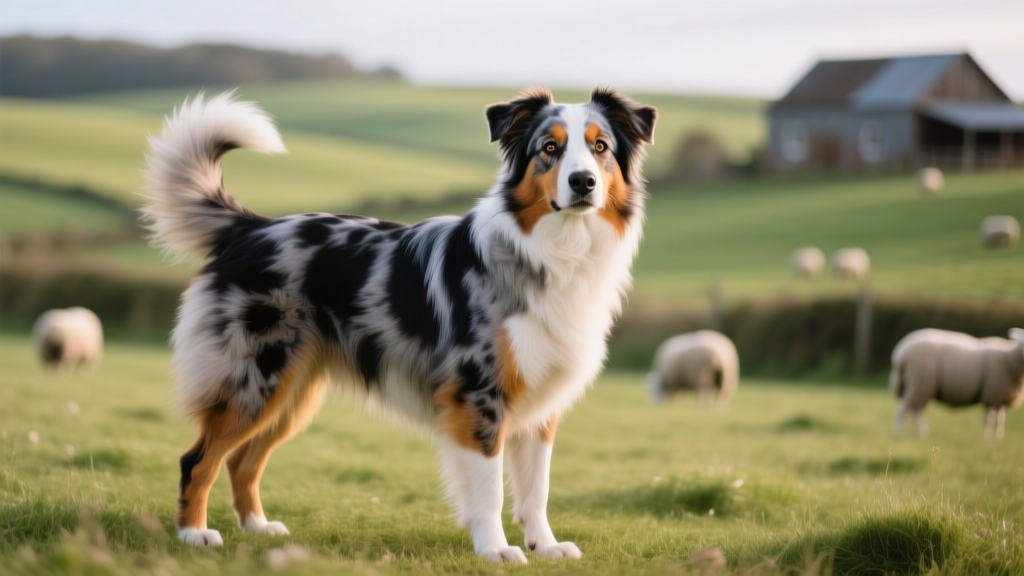
Breed Overview: The Sheepdog Australian Shepherd at a Glance
Despite the name, the Australian Shepherd was developed entirely in the western United States during the 19th century. Basque shepherds who emigrated from Australia and Europe brought their herding dogs to California, Oregon, and Idaho, where ranchers selectively bred them for livestock work. The result was a medium-sized, intensely driven herding dog that could manage sheep, cattle, and poultry across rugged terrain. The American Kennel Club officially recognized the breed in 1991, though the Australian Shepherd Club of America (ASCA) had been maintaining registries since 1957.
The sheepdog Australian Shepherd sits firmly in the medium-to-large size class and carries an average lifespan of 12–15 years. This is a working-line herding dog at heart — built for endurance, problem-solving, and close partnership with handlers.
| Attribute | Detail |
|---|---|
| Size Class | Medium-Large |
| Weight (Male) | 50–65 lb / 23–29 kg |
| Weight (Female) | 40–55 lb / 18–25 kg |
| Height (Male) | 20–23 in / 51–58 cm |
| Height (Female) | 18–21 in / 46–53 cm |
| Lifespan | 12–15 years |
| Coat Type | Medium-length double coat (straight to wavy) |
| Energy Level | High (working breed) |
| Grooming | Moderate — brushing 2–3×/week |
| Family Fit | Active families with yard access; experienced owners preferred |
Temperament & Personality: What Living With an Aussie Is Really Like
Australian Shepherds are not casual house dogs. Their temperament reflects generations of selective breeding for independent decision-making on the range. Here are the core traits you'll encounter daily:
1. Intense Handler Focus. Aussies bond deeply — sometimes obsessively — with one or two people. Expect your dog to follow you room to room, watch your movements closely, and anticipate routines. This "velcro dog" tendency makes them exceptionally trainable but also prone to separation anxiety if left alone for long stretches.
2. High Herding Drive. This breed will attempt to herd children, cats, bicycles, and cars. In practice, that means nipping at heels, circling, and body-blocking. Without an appropriate outlet (structured herding trials, agility, or advanced obedience), this instinct redirects into nuisance behaviors like chasing joggers or pinning toddlers against walls.
3. Reserved With Strangers. Unlike Golden Retrievers, Aussies typically assess newcomers before engaging. They are not aggressive by nature but are naturally suspicious of unfamiliar people. Early, structured socialization (minimum 100 positive exposures before 16 weeks) prevents this from hardening into fear-based reactivity.
4. Problem-Solving Intelligence. Ranked among the top 10 most intelligent breeds by canine cognition researcher Stanley Coren, Australian Shepherds learn new commands in fewer than 5 repetitions. The flip side: they also learn unwanted behaviors quickly and will exploit inconsistencies in household rules.
5. High Energy With an Off-Switch (When Trained). A well-exercised Aussie can settle indoors, but reaching that calm state requires meeting their physical and mental needs first. Undersimulated Aussies destroy furniture, bark compulsively, and develop stereotypic pacing.
Physical Characteristics & Coat Variations
The Australian Shepherd is a balanced, athletic dog slightly longer than tall, with a moderate bone structure. Males stand 20–23 inches (51–58 cm) at the shoulder and weigh 50–65 lb (23–29 kg). Females stand 18–21 inches (46–53 cm) and weigh 40–55 lb (18–25 kg). Dogs outside these ranges — particularly "miniature" lines marketed under different registry names — are technically separate breeds (Miniature American Shepherd) and carry different health profiles.
The double coat consists of a weather-resistant outer layer (straight to slightly wavy, medium texture) and a dense undercoat that sheds seasonally. Recognized colors include blue merle, red merle, solid black, and solid red — all with or without white markings and tan (copper) points. Merle-to-merle breedings produce "double merle" puppies with elevated risks of deafness and ocular defects; responsible breeders avoid this pairing entirely.
A distinctive physical trait: roughly 20% of Aussies are born with naturally bobbed tails (NBT gene). The remaining dogs have full-length tails. Eye color varies widely — blue, brown, amber, hazel, or marbled (heterochromia is common, especially in merles).
Exercise & Activity: Meeting a Working Breed's Needs
This is where most Australian Shepherd placements fail. The minimum daily exercise requirement is 60–90 minutes of structured physical activity, plus an additional 20–30 minutes of dedicated mental stimulation. A backyard is not sufficient — Aussies need directed, engaging work.
| Activity Type | Duration | Examples |
|---|---|---|
| Aerobic exercise | 30–45 min | Running alongside a bike, hiking, fetch with a Chuckit! Ultra Ball launcher |
| Structured sport or training | 20–30 min | Agility, herding, disc dog, nose work, advanced obedience drills |
| Mental enrichment | 15–20 min | Puzzle feeders (Outward Hound Nina Ottosson Dog Brick), frozen KONG, scatter feeding |
| Free exploration / decompression | 15–20 min | Sniffari walks on a long line (15–30 ft leash), off-leash in secure areas |
Puppies under 18 months should follow the "5 minutes per month of age" guideline for structured exercise to protect developing growth plates. An 8-month-old Aussie puppy should receive roughly 40 minutes of structured activity per day, split across multiple sessions.
Health Issues: Breed-Specific Conditions to Watch For
Australian Shepherds carry several heritable conditions at higher-than-average rates. The Merck Veterinary Manual and breed health surveys from ASCA document the following as primary concerns. Always consult your veterinarian for diagnosis and treatment planning.
| Condition | Prevalence | Onset | Key Signs |
|---|---|---|---|
| Hip Dysplasia | ~6–8% (OFA data) | 6–24 months | Hind-limb lameness, bunny-hopping gait, reluctance to jump |
| Hereditary Cataracts | ~5–7% | 1–3 years (juvenile form) | Cloudy lens, bumping into objects, vision loss |
| Epilepsy (Idiopathic) | ~4–6% | 6 months–5 years | Generalized seizures, paddling, loss of consciousness |
| MDR1 Drug Sensitivity | ~32% of Aussies carry the mutation | Any age (when exposed to trigger drugs) | Tremors, disorientation, coma after ivermectin, loperamide, or certain chemotherapy agents |
| Collie Eye Anomaly (CEA) | ~2–4% | Present at birth (detectable by 6–8 weeks) | Retinal dysplasia, choroidal hypoplasia, potential blindness |
The MDR1 (ABCB1) gene mutation deserves special attention. Dogs with this mutation cannot effectively pump certain drugs out of the brain, leading to severe neurotoxicity. The Washington State University Veterinary Clinical Pharmacology Lab maintains a list of drugs to avoid or dose cautiously. A simple cheek-swab DNA test (available through labs like Embark or Wisdom Panel) costs $75–$200 and should be done before any medication is prescribed.
Grooming Requirements: Managing the Double Coat
The Australian Shepherd's double coat requires consistent maintenance to prevent matting, manage shedding, and maintain skin health. Here is a practical grooming schedule:
- Brushing: 2–3 times per week using an undercoat rake (such as the Furminator deShedding Tool for medium breeds) followed by a slicker brush. During spring and fall "blow coat" seasons, daily brushing is necessary for 2–3 weeks.
- Bathing: Every 6–8 weeks, or as needed. Use a dog-specific shampoo (pH 6.5–7.5) — human shampoo disrupts the canine acid mantle. Brands like Earthbath Oatmeal & Aloe or Burt's Bees for Dogs are widely available.
- Nail trimming: Every 2–3 weeks. Overgrown nails alter gait mechanics and contribute to joint stress.
- Ear cleaning: Weekly inspection; clean with a veterinary ear wash (e.g., Epi-Otic Advanced) when debris is visible. Aussies with drop ears are moderately prone to otitis externa.
- Dental care: Daily toothbrushing with enzymatic dog toothpaste (Virbac C.E.T. or Sentry Petrodex). Dental disease affects 80% of dogs by age 3 regardless of breed.
Never shave an Australian Shepherd. The double coat provides insulation against both heat and cold. Shaving disrupts the coat's thermoregulatory function and can cause permanent alopecia or sunburn on exposed skin.
Training & Intelligence: Harnessing a Thinking Dog's Potential
Australian Shepherds rank in the top tier for trainability — but "trainable" does not mean "easy." Their intelligence means they require variety, challenge, and consistent communication. Repetitive drilling bores them, and bored Aussies invent their own (usually destructive) entertainment.
Recommended training methods: Positive reinforcement (food rewards, toy rewards, praise) and force-free shaping are the only approaches this breed needs. Clicker training is particularly effective for Aussies because it engages their problem-solving drive. Never use shock collars, prong collars, or alpha rolls — these methods damage the handler-dog bond and increase fear-based reactivity in a breed already predisposed to environmental sensitivity.
Key training milestones:
- 8–12 weeks: Crate training, name recognition, basic lure-reward sits and downs, socialization exposures
- 3–6 months: Leash manners, recall foundation, impulse control (leave-it, wait), handling exercises for grooming and vet visits
- 6–12 months: Reliable recall under distraction, introduction to dog sports (agility foundations, herding instinct tests), duration stays
- 12+ months: Advanced obedience, sport competition preparation, therapy dog certification if temperament is suitable
Budget $200–$600 for a structured group puppy class series (6–8 weeks) and $400–$1,200 for private sessions with a certified trainer (CPDT-KA or IAABC-credentialed) during the first year.
Family Suitability: Kids, Pets, and Household Dynamics
With children: Australian Shepherds can be excellent family dogs when raised with children who understand canine boundaries. However, the herding instinct means Aussies will chase and nip at running children — a behavior that must be actively redirected. Families with toddlers under 4 should consider waiting until children are older, or commit to intensive management (baby gates, supervised interactions only). Teach children never to approach a sleeping or eating dog.
With other dogs: Generally good with other dogs when properly socialized. Same-sex aggression can occur, particularly between intact males. Introduce new dogs on neutral territory and supervise initial interactions.
With cats and small animals: Variable. Aussies raised with cats typically coexist peacefully, but the prey drive means small animals (rabbits, guinea pigs, chickens) are at risk without careful management and training. Never leave an Aussie unsupervised with livestock or small pets unless the dog has proven reliable through structured testing.
Cost of Ownership: Budgeting for an Australian Shepherd
Owning an Australian Shepherd is a financial commitment that extends well beyond the initial purchase price. Here is a realistic breakdown based on 2025–2026 market data:
| Expense Category | Estimated Cost |
|---|---|
| Puppy from health-tested breeder (OFA hips, eyes, MDR1, CEA) | $1,500–$3,500 |
| Adoption from breed-specific rescue (e.g., Aussie Rescue & Placement Helpline) | $300–$600 |
| First-year veterinary care (vaccines, spay/neuter, microchip, wellness exams) | $800–$1,500 |
| Annual veterinary care (adult, routine wellness) | $500–$900/year |
| High-quality food (AAFCO complete, e.g., Purina Pro Plan Sport, Fromm Gold) | $600–$1,000/year |
| Training (group classes + private sessions, first year) | $600–$1,800 |
| Grooming supplies and professional grooming (if used) | $200–$600/year |
| Pet insurance (monthly premium, accident + illness) | $40–$75/month ($480–$900/year) |
| Supplies (crate, bed, leash, harness, toys, puzzle feeders) | $300–$600 (initial) |
Estimated first-year total: $5,000–$10,000 depending on source (breeder vs. rescue), training intensity, and insurance selection. Ongoing annual cost: $2,500–$4,500.
When choosing a breeder, verify OFA (Orthopedic Foundation for Animals) health clearances for hips and elbows, CERF (Canine Eye Registration Foundation) eye exams, and MDR1/CEA DNA test results. Reputable breeders provide these documents willingly and include a take-back clause in their contracts. Avoid breeders who cannot produce documentation or who advertise "rare" colors at premium prices.
Frequently Asked Questions
How big does the sheepdog Australian Shepherd get as an adult?
Adult males typically reach 20–23 inches (51–58 cm) at the shoulder and weigh 50–65 lb (23–29 kg). Females are slightly smaller at 18–21 inches (46–53 cm) and 40–55 lb (18–25 kg). Growth plates close between 14–18 months, at which point the dog reaches full skeletal maturity, though muscle mass continues developing until about 2 years of age.
How much exercise does an Australian Shepherd need daily?
A minimum of 60–90 minutes of structured physical activity plus 20–30 minutes of mental stimulation. This should include aerobic exercise (running, hiking), skill-based training or dog sports, and enrichment activities. A simple walk around the block is insufficient for this breed.
Is the Australian Shepherd good with children and other pets?
With proper socialization and management, yes — but the herding instinct means they will chase and nip at running children and small animals. Families with young toddlers should implement strict supervision protocols. Cats raised alongside the dog are usually accepted, but small pets (rabbits, hamsters) remain at risk due to prey drive.
What health problems is the Australian Shepherd most prone to?
The top breed-specific concerns are hip dysplasia (6–8% prevalence), hereditary cataracts (5–7%), idiopathic epilepsy (4–6%), MDR1 drug sensitivity (32% carrier rate), and Collie Eye Anomaly (2–4%). DNA testing and OFA health clearances from breeders significantly reduce risk. Always consult your veterinarian for screening and management.
Is this breed right for first-time dog owners?
Generally, no. The Australian Shepherd's exercise demands, herding instincts, environmental sensitivity, and need for consistent mental stimulation make them better suited to experienced owners. First-time owners committed to the breed should strongly consider adopting a temperament-tested adult dog and investing in professional training from day one.
How much does an Australian Shepherd cost to buy and maintain?
Expect to pay $1,500–$3,500 for a puppy from a health-tested breeder, or $300–$600 through a breed rescue. First-year costs (including veterinary care, training, food, and supplies) typically total $5,000–$10,000. Ongoing annual expenses run $2,500–$4,500, including pet insurance, food, routine veterinary care, and enrichment.
Anouk Beaumont
All our authors care for dogs every day — read more of their work on the authors page.


