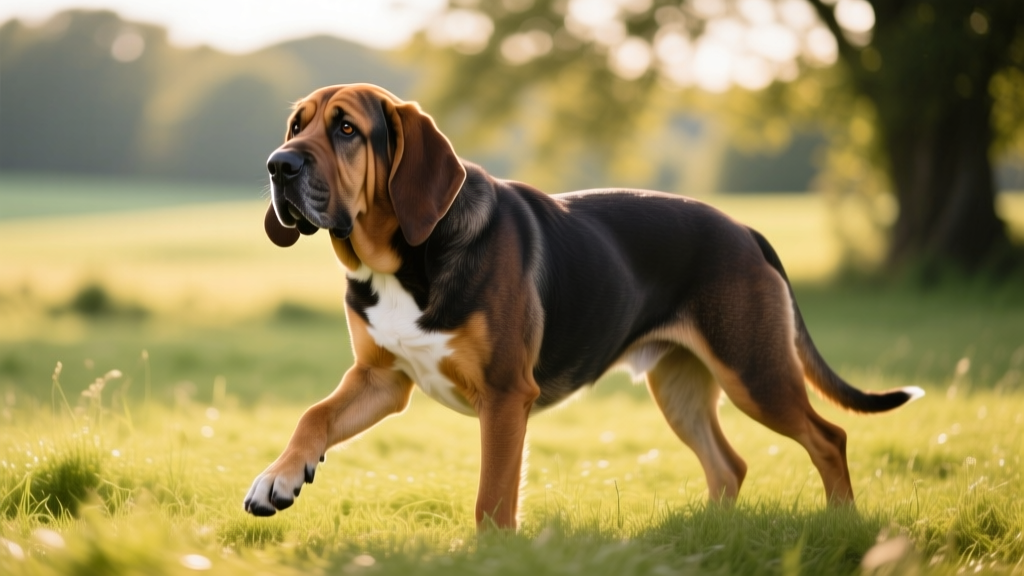
Pointer Hound Mix Dog: Complete Breed Profile & Care Guide
Everything about the pointer hound mix dog — temperament, size, health risks, coat types, exercise needs.

What Is a Pointer Hound Mix Dog?
A pointer hound mix dog is a cross between a pointing breed — most commonly the German Shorthaired Pointer, English Pointer, or Vizsla — and a scenthound such as the Coonhound, Beagle, Foxhound, or Bloodhound. These are not standardized designer breeds with established breeding programs. Instead, they arise from intentional first-generation pairings, accidental litters, or shelter intakes where a sporting dog and a hound ended up together.
The result is a dog that blends two deeply ingrained hunting styles: the pointer's instinct to freeze and indicate game with a raised paw or stiffened body, and the hound's drive to track scent with nose to the ground and voice it with baying or howling. That combination produces a high-energy, intelligent, and often vocal dog that demands an owner who understands both prey drive and endurance exercise.
If you're researching a pointer hound mix dog because you've found one at a rescue or a breeder has advertised a litter, this guide breaks down what you can reasonably expect — and where the unpredictability lies.
Parent Breed Breakdown: The Two Sides of the Mix
Understanding the parent breeds is the best way to anticipate what a pointer hound mix dog might look like, act like, and need from you. Below is a side-by-side comparison of the most common parent pairings.
| Trait | German Shorthaired Pointer (GSP) | Coonhound (Treeing Walker / Bluetick) |
|---|---|---|
| AKC Group | Sporting | Hound |
| Weight Range | 45–70 lb (20–32 kg) | 45–75 lb (20–34 kg) |
| Height | 21–25 in (53–64 cm) | 20–27 in (51–69 cm) |
| Coat | Short, dense, liver or liver/white | Short, tri-color or blue-ticked |
| Primary Instinct | Point and retrieve game birds | Track and tree raccoons / large game |
| Vocalization | Moderate — barks to alert | High — baying, howling |
| Energy Level | Very high (90+ min vigorous exercise daily) | High (60–90 min daily) |
| Trainability | High — eager, responds to positive reinforcement | Moderate — independent, scent-driven |
| Typical Lifespan | 12–14 years | 11–13 years |
Other common pairings include English Pointer × Beagle (producing a smaller 30–50 lb dog), Vizsla × Foxhound (a lean, athletic 45–65 lb cross), or GSP × Bloodhound (a heavier 60–90 lb dog with more loose skin and ear length). The specific parent breeds dramatically affect the mix's size, coat, and temperament, so always try to confirm parentage through DNA testing if it's unknown.
Generations: F1, Backcross, and Beyond
- F1 (First Generation): One purebred pointer × one purebred hound. Maximum genetic diversity. Most pointer hound mixes are F1.
- F1B (Backcross): An F1 pointer hound mix bred back to one of the parent breeds (e.g., F1 mix × GSP). This skews traits toward the backcross parent.
- F2: Two F1 pointer hound mixes bred together. Trait variability increases significantly — puppies in the same litter may look and behave very differently.
- Multigen: Multiple generations of mixed-to-mixed breeding. Extremely rare for this cross since there is no established "pointer hound" breed club or registry.
Unlike Doodle crosses, which have extensive multigen breeding programs, pointer hound mixes are overwhelmingly F1. Most come from accidental breedings or one-off intentional crosses by hunters who want a versatile dog that can both point upland birds and track wounded game. You'll rarely find F2 or multigen litters advertised, and there is no breed standard or registry for this mix.
Size, Weight, and Appearance: What to Expect
Because both parent breeds fall in a similar medium-to-large range, the pointer hound mix dog typically lands in a predictable size window — but individual variation is real.
| Parent Pairing | Expected Weight | Expected Height | Build |
|---|---|---|---|
| GSP × Coonhound | 50–75 lb (23–34 kg) | 21–26 in (53–66 cm) | Athletic, deep-chested, moderate bone |
| English Pointer × Beagle | 30–50 lb (14–23 kg) | 16–22 in (41–56 cm) | Compact, lean, leggier than a Beagle |
| Vizsla × Foxhound | 45–65 lb (20–29 kg) | 21–25 in (53–64 cm) | Streamlined, sighthound-adjacent elegance |
| GSP × Bloodhound | 60–90 lb (27–41 kg) | 23–27 in (58–69 cm) | Heavier bone, loose facial skin, longer ears |
Coat colors vary widely. You might see liver-and-white ticking (from the GSP side), tri-color black-white-tan (from Coonhound genetics), blue ticking, solid liver, or patched patterns. Ear shape is another toss-up — some puppies inherit the pointer's higher-set, shorter ear, while others get the hound's long, low-set, pendulous ear that drags in water and debris.
Temperament: Predictable Drives, Unpredictable Expression
The pointer hound mix dog inherits strong working instincts from both parents. What varies is which instincts dominate and how intensely they manifest. Here's the range:
Best-Case Temperament Scenario
You get a dog that combines the pointer's trainability and handler-focus with the hound's endurance and scenting ability. This dog is eager to work with you, responds well to positive reinforcement training, enjoys long hikes and field work, and settles nicely at home after adequate exercise. They're friendly with people, tolerant of children who respect their space, and get along with other dogs.
Challenging Temperament Scenario
You get a dog with the hound's independence and vocalization cranked up, combined with the pointer's prey drive and need for constant stimulation. This dog bays at every scent, bolts after rabbits and deer, ignores recall commands when on a trail, howls when left alone, and chews through drywall if under-exercised. They may resource-guard food or toys and show leash reactivity toward other dogs.
| Trait | Predictability | Notes |
|---|---|---|
| High prey drive | Very likely | Both parents are hunting dogs — expect chase instinct |
| Need for vigorous daily exercise | Very likely | Minimum 60–90 minutes of off-leash or structured activity |
| Vocalization (baying/howling) | Variable | Depends on which parent's vocal tendencies dominate |
| Recall reliability off-leash | Low predictability | Hound scent-drive often overrides trained recall |
| Friendliness with strangers | Moderate predictability | Pointers tend to be outgoing; some hounds are aloof |
| Separation anxiety risk | Moderate to high | Both breeds bond closely and can struggle when alone |
| Compatibility with cats/small pets | Low predictability | High prey drive makes cohabitation risky without careful introduction |
Training Approach
Force-free, reward-based methods work best. These dogs are sensitive enough to shut down under harsh correction but driven enough to ignore punishment when a scent or squirrel is involved. Invest in counter-conditioning for leash reactivity if it appears, and use high-value food rewards (freeze-dried liver, real chicken) for recall training. A long-line (15–30 ft) is essential for safe off-leash practice in open areas. Never use shock collars or prong collars — they increase anxiety and can worsen the very behaviors you're trying to address.
Health Considerations: Hybrid Vigor vs. Reality
Let's address the hybrid vigor myth directly. The idea that crossing two purebreds automatically produces a healthier dog is an oversimplification. What crossbreeding does is reduce the risk of recessive conditions that are concentrated within a single breed's gene pool. It does not eliminate conditions that both parent breeds share or conditions with complex genetic inheritance.
According to the Merck Veterinary Manual, mixed-breed dogs still inherit disease predispositions from both parents. A pointer hound mix dog can inherit any condition common to either the pointer or the hound parent.
Conditions From the Pointer Side
- Hip dysplasia: Affects approximately 10–15% of GSPs based on Orthopedic Foundation for Animals (OFA) data. Causes progressive joint laxity, pain, and arthritis.
- Gastric dilatation-volvulus (GDV/bloat): Deep-chested breeds like pointers are at elevated risk. This is a life-threatening emergency where the stomach fills with gas and twists. Preventive gastropexy surgery costs $300–$600 and is worth discussing with your vet.
- Progressive retinal atrophy (PRA): A degenerative eye disease leading to blindness. Genetic tests exist for some forms.
- Hypothyroidism: Autoimmune thyroiditis is documented in GSPs. Managed with daily levothyroxine ($15–$30/month).
Conditions From the Hound Side
- Ear infections (otitis externa): Pendulous-eared hounds are prone to chronic ear infections. Expect to clean ears weekly and budget $80–$200 per vet visit for medicated drops if infection develops.
- Hip and elbow dysplasia: Also present in Coonhound lines.
- Intervertebral disc disease (IVDD): More common in some hound breeds, particularly those with longer backs relative to their legs.
- Obesity: Hounds are food-motivated and prone to weight gain when under-exercised. Obesity worsens every joint and metabolic condition listed above.
These symptoms require emergency veterinary attention — do not wait:
- Unproductive retching, swollen abdomen, restlessness (possible bloat/GDV)
- Sudden hind-limb weakness or inability to stand (possible IVDD)
- Head tilt, loss of balance, rapid eye movement (vestibular disease or neurological event)
- Difficulty breathing, blue-tinged gums
- Seizures or collapse
If you suspect your dog has ingested a toxic substance, call ASPCA Animal Poison Control at (888) 426-4435 (24/7, consultation fee applies) or the Pet Poison Helpline at (855) 764-7661.
Recommended Health Screenings
Consult your veterinarian about these baseline tests for a pointer hound mix dog, ideally by 12–18 months of age:
- OFA or PennHIP hip evaluation ($150–$300)
- CERF/OFA eye exam by a veterinary ophthalmologist ($80–$150)
- Thyroid panel (T4, free T4, TSH) — $60–$120
- Annual heartworm test and year-round preventive ($60–$150/year)
Coat, Shedding, and Grooming Needs
Is the pointer hound mix dog hypoallergenic? No. Neither parent breed carries the low-shedding, Poodle-type coat gene. You should expect moderate to heavy year-round shedding with seasonal blowouts in spring and fall.
Coat types you'll typically see:
- Short and dense (most common): Inherited from both parents. Sleek, easy to maintain, but sheds consistently. Weekly brushing with a rubber curry brush or bristle brush keeps loose hair managed.
- Short with ticking or spotting: GSP-style ticking (small liver or black spots on white background) is a dominant trait and often appears in the mix.
- Slightly longer or wiry: If a Wirehaired Pointer or a Black and Tan Coonhound is in the lineage, you may get a coat that's 1–2 inches long with a rougher texture. This requires hand-stripping or more frequent brushing.
Grooming Routine
- Brushing: 2–3 times per week with a rubber grooming mitt or Furminator-style deshedding tool ($15–$35)
- Bathing: Every 6–8 weeks or as needed. Use a dog-specific shampoo (pH 6.5–7.5). Oatmeal-based formulas soothe skin after field work.
- Ear care: Weekly cleaning with a veterinarian-recommended ear wash. This is non-negotiable if the dog inherits hound-style floppy ears. Chronic ear infections are painful and expensive to treat.
- Nail trimming: Every 2–4 weeks. Active dogs on hard surfaces may wear nails down naturally, but dewclaws always need trimming.
- Dental care: Daily brushing with enzymatic dog toothpaste or, at minimum, dental chews approved by the Veterinary Oral Health Council (VOHC).
Exercise and Activity Requirements
This is where most pointer hound mix owners underestimate the commitment. Both parent breeds were developed to work all day in the field. A 20-minute walk around the block will not satisfy this dog.
| Life Stage | Minimum Daily Exercise | Recommended Activities |
|---|---|---|
| Puppy (3–12 months) | 5 min per month of age, twice daily | Free play, short sniff walks, basic training games |
| Young adult (1–3 years) | 90–120 minutes | Running, hiking, fetch, flirt pole, field work, scent games |
| Adult (3–8 years) | 60–90 minutes | Long hikes, jogging, swimming, hunt training, agility |
| Senior (8+ years) | 30–60 minutes | Gentle walks, swimming, nose work, short play sessions |
Mental stimulation is equally critical. Scent work games (hiding treats in a snuffle mat or setting up tracking trails in your yard) engage the hound brain and tire the dog as effectively as physical exercise. A Kong stuffed with frozen peanut butter and kibble buys 20–30 minutes of quiet time. Puzzle feeders from brands like Outward Hound or Nina Ottosson ($15–$35) slow down meals and reduce boredom.
Cost: Buying, Adopting, and Annual Care
Because the pointer hound mix dog is not an established designer breed with a marketing machine behind it, pricing is all over the map.
Acquisition Costs
- Rescue/Shelter adoption: $50–$400. This mix shows up frequently in rural shelters and sporting dog rescues. Organizations like the ASPCA and breed-specific rescues (German Shorthaired Pointer rescue networks, Coonhound rescues) often have pointer hound mixes available. Many are already spayed/neutered, vaccinated, and microchipped.
- Intentional breeder (F1 cross): $500–$1,500. Some hunters breed GSP × Coonhound crosses specifically for versatile hunting dogs. These puppies usually come with early socialization and sometimes started training. Verify that both parents have OFA hip certifications and have been tested for breed-relevant genetic conditions.
- Accidental litter / backyard breeder: $100–$400. Common on classified sites. Exercise caution — no health testing, no take-back guarantee, and no socialization protocol.
Annual Care Costs
| Expense Category | Estimated Annual Cost |
|---|---|
| High-quality food (large-breed formula, 30+ lb bags) | $480–$840 |
| Heartworm/flea/tick preventive | $150–$300 |
| Routine vet visits (2× annual wellness + vaccines) | $300–$600 |
| Pet insurance (accident + illness) | $480–$840 ($40–$70/month) |
| Grooming supplies and ear care | $80–$150 |
| Training classes (group obedience or sport) | $150–$400 |
| Toys, chews, enrichment | $120–$300 |
| Total estimated annual cost | $1,760–$3,430 |
First-year costs will be higher due to spay/neuter ($200–$600), initial vaccinations ($150–$300), microchipping ($50), crate ($60–$120 for a 42-inch wire crate), and gear. Budget $2,500–$4,500 for the first year total.
Who Should (and Shouldn't) Get This Mix
This Dog Suits You If:
- You're an active person who hikes, runs, or hunts regularly and wants a canine partner
- You have a securely fenced yard (minimum 6-foot fence — these dogs can jump and dig)
- You have prior experience with high-drive sporting or hound breeds
- You work from home or can arrange midday exercise — these dogs do not tolerate 8+ hours alone in a crate
- You're prepared for a dog that may bay, howl, or "talk" vocally
- You're interested in dog sports like barn hunt, lure coursing, field trials, or nose work
Look for a Different Breed If:
- You live in an apartment or have close neighbors who won't tolerate howling
- You want an off-leash reliable dog for unfenced areas without extensive training investment
- You have cats, rabbits, or other small pets (high prey drive makes this risky)
- You're a first-time dog owner without support from a trainer
- You prefer a low-energy companion who's content with short walks
- You can't commit to 90+ minutes of daily exercise for the next 10–13 years
Frequently Asked Questions
What two breeds make up a pointer hound mix?
Most commonly a German Shorthaired Pointer crossed with a Coonhound variety (Treeing Walker, Bluetick, or Redbone). However, the "pointer" parent could also be an English Pointer, Vizsla, or Brittany, and the "hound" parent could be a Beagle, Foxhound, Bloodhound, or Basset Hound. DNA testing through Embark or Wisdom Panel ($80–$200) can confirm parentage if it's unknown.
How big will a pointer hound mix dog get?
Most fall between 45–75 lb (20–34 kg) and 21–26 inches (53–66 cm) at the shoulder. Smaller pairings (Pointer × Beagle) may produce dogs as small as 30 lb, while larger pairings (GSP × Bloodhound) can reach 90 lb. Ask the breeder or rescue for the parents' weights to estimate adult size.
What will the temperament be like?
Expect a high-energy, intelligent dog with strong prey drive and some degree of independence. Most are friendly with people but may be aloof with strangers. Trainability varies — some inherit the pointer's eagerness to please, while others get the hound's "I'll get back to you" attitude. Early socialization (before 16 weeks) and consistent positive reinforcement training are essential.
Is the pointer hound mix hypoallergenic or low-shedding?
No. Both parent breeds have short, shedding coats. You'll need to brush 2–3 times weekly and invest in a good vacuum. If allergies are a concern, this is not the right mix for your household.
What health issues might this mix inherit?
The primary concerns are hip dysplasia, bloat (GDV), ear infections, progressive retinal atrophy, and hypothyroidism. Crossbreeding reduces some recessive disease risk but does not eliminate shared conditions. Consult your veterinarian about appropriate screening tests and maintain a healthy body condition score (BCS 4–5 out of 9) to reduce joint stress.
How much does a pointer hound mix dog cost?
Adoption fees range from $50–$400 through shelters and rescues. Intentional breeders charge $500–$1,500. Annual care costs run $1,760–$3,430 depending on your region, the dog's health, and your insurance choices. First-year expenses including acquisition, veterinary care, gear, and supplies typically total $2,500–$4,500.
Are pointer hound mix dogs good with children?
They can be excellent family dogs with respectful, dog-savvy children ages 8 and up. Their size and energy level make them a knock-over risk for toddlers, and their prey drive means fast-running children may trigger chase behavior. Always supervise interactions and teach children to never approach a dog that is eating, sleeping, or chewing a toy.
Do pointer hound mixes do well with other dogs?
Generally yes, especially if socialized from puppyhood. Both parent breeds were historically worked in packs or pairs. However, some individuals may show same-sex aggression or resource guarding. Introduce new dogs on neutral territory and use parallel walking as a low-pressure bonding activity.
Robin Maitland
All our authors care for dogs every day — read more of their work on the authors page.