Bloodhound Dogs: Complete Breed Profile, Care Guide & Health Facts
Everything about Bloodhound dogs: temperament, health risks, exercise needs, grooming, training tips, and 2026 cost of ownership from puppy to senior.
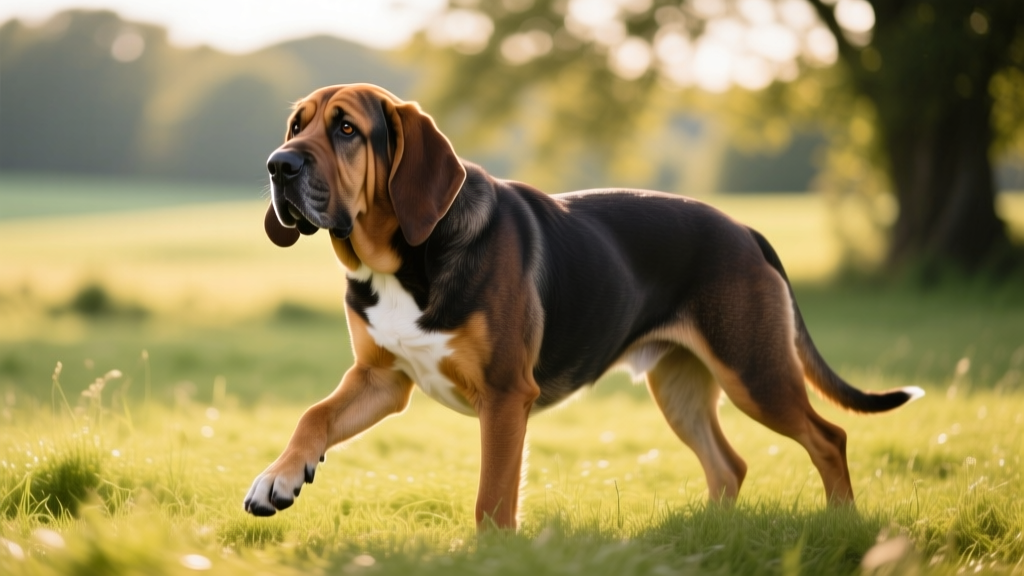
Bloodhound Dogs at a Glance: Breed Overview
The Bloodhound is a large scent hound originally bred in medieval Europe for tracking game — and later, missing persons. Recognized by the American Kennel Club (AKC) since 1885, this breed remains unmatched in olfactory ability, with roughly 300 million scent receptors (compared to about 5 million in humans). Bloodhounds belong to the hound group and fall firmly in the large to giant size class.
Originally developed by monks in the Ardennes region of Belgium and France around the 7th–8th centuries, the Bloodhound's lineage traces back to the St. Hubert Hound. By the 12th century, the breed was well-established among European nobility for deer and boar tracking. The name "Bloodhound" refers to their status as "blooded" or aristocratic hounds — not to any association with blood-tracking.
Today, Bloodhounds serve dual roles: beloved family companions and working tracking dogs for law enforcement and search-and-rescue teams worldwide. Their scent evidence is admissible in some U.S. courts — a distinction no other breed holds.
| Attribute | Details |
|---|---|
| Size Class | Large / Giant |
| Weight (Male) | 90–110 lb (41–50 kg) |
| Weight (Female) | 80–100 lb (36–45 kg) |
| Height (Male) | 25–27 in (63–69 cm) |
| Height (Female) | 23–25 in (58–63 cm) |
| Lifespan | 8–12 years (average 10 years) |
| Coat Type | Short, dense, smooth |
| Colors | Black & tan, liver & tan, red |
| Energy Level | Moderate (with high endurance) |
| AKC Group | Hound |
| Family Fit | Best for homes with yard space; good with children |
| Grooming | Low (weekly brushing, daily wrinkle care) |
Temperament & Personality: What Living With a Bloodhound Is Really Like
Bloodhounds are often misunderstood as lazy couch dogs because of their droopy expression and calm indoor demeanor. In reality, they are driven, persistent, and surprisingly energetic when a scent captures their attention. Here are five core traits that define the Bloodhound temperament:
1. Scent-Obsessed and Single-Minded
Once a Bloodhound picks up a trail, recall becomes nearly impossible. This isn't stubbornness — it's hardwired instinct. In practical terms, this means you cannot trust a Bloodhound off-leash in an unfenced area. They will follow a scent for miles, ignoring calls, whistles, and even food lures. Always walk on a secure harness with a 6-foot leash (not a retractable leash, which offers insufficient control for a 100 lb dog).
2. Gentle and Patient
Bloodhounds rank among the most tolerant breeds with children. They rarely snap or show aggression, even when poked or climbed on. That said, their large size means a wagging tail or casual body slam can topple a toddler — supervision is essential with kids under 5.
3. Vocal
Expect baying — a deep, resonant howl that carries for long distances. Bloodhounds bay when excited, when they detect an interesting scent, when bored, and sometimes just to announce the mail carrier's arrival. This makes them poor candidates for apartments or close-quarter neighborhoods with noise restrictions.
4. Independent Thinkers
Bloodhounds are intelligent but not biddable. They were bred to work autonomously on long tracks, not to take repeated commands. This independence shows up as "selective hearing" during training sessions. They respond best to short, reward-based sessions that feel like games rather than drills.
5. Affectionate but Not Clingy
Bloodhounds enjoy being near their people but aren't typically velcro dogs. They'll lounge in the same room, often snoring loudly, but are content to nap independently. They do poorly when left alone for 8+ hours daily — boredom leads to destructive chewing and excessive baying.
Pros of Owning a Bloodhound
- Exceptionally gentle and patient with children
- Low-maintenance coat (minimal grooming)
- Calm indoor demeanor when properly exercised
- Rarely aggressive toward people or other dogs
- Remarkable tracking ability (great for canine sports)
- Long-lived for a giant breed (8–12 years)
Cons to Consider
- Cannot be trusted off-leash in open areas
- Loud, frequent baying
- Heavy drooling — requires daily wrinkle cleaning
- Prone to bloat (GDV), a life-threatening emergency
- Strong pulling on leash due to scent-drive
- Higher-than-average veterinary costs due to health risks
Physical Characteristics: Size, Build, and Coat Details
Bloodhounds are powerfully built dogs with loose, pendulous skin — especially around the face and neck. This excess skin isn't merely aesthetic; it helps trap scent particles close to the nose during tracking. The deep facial folds (called "flews") and long, low-set ears serve the same olfactory function.
Weight: Adult males typically weigh 90–110 lb (41–50 kg), with some individuals reaching 120 lb (54 kg). Females range from 80–100 lb (36–45 kg). According to the AKC breed standard, males should stand 25–27 inches at the shoulder, females 23–25 inches.
Coat: The coat is short, smooth, and dense. It sheds moderately year-round with seasonal increases in spring and fall. Coat colors are limited to three accepted varieties:
- Black and tan — the most recognizable coloration
- Liver and tan — brown base with lighter tan points
- Red — ranging from light ginger to deep mahogany
Body Condition Score (BCS): Because Bloodhounds are deep-chested, maintaining a lean body condition (BCS 4–5 on a 9-point scale) is critical to reducing bloat risk. You should be able to feel ribs easily without pressing hard, and see a visible waist tuck from the side.
Exercise & Activity Needs: Keeping Your Bloodhound Fit and Sane
Despite their reputation for laziness, Bloodhounds need structured daily exercise. A bored, under-exercised Bloodhound will become destructive — chewing furniture, digging holes, and baying incessantly.
Daily exercise minimum: 60–90 minutes, split into two sessions. This should include:
- Long leash walks (30–45 minutes, twice daily) — on a front-clip harness like the Ruffwear Front Range to manage pulling
- Scent work / tracking games (15–20 minutes) — hide treats or toys in the yard and let your Bloodhound find them; this provides mental stimulation that tires them faster than physical exercise alone
- Secure yard time — Bloodhounds need a fenced area (minimum 6-foot fence, as some can climb or dig under shorter fences) to roam and sniff freely
Activities Bloodhounds excel at:
- AKC Tracking and Scent Work trials
- Mantrailing (sport tracking)
- Long-distance hiking (on leash)
- Barn hunt and nose work classes
Exercise precautions: Avoid vigorous exercise within 1 hour before and 2 hours after meals to reduce bloat (GDV) risk. In hot weather (above 80°F / 27°C), exercise during early morning or evening — Bloodhounds are prone to heat exhaustion due to their heavy build and loose skin that traps heat.
| Life Stage | Daily Exercise | Recommended Activities |
|---|---|---|
| Puppy (2–12 months) | 20–40 min (5 min per month of age, twice daily) | Short leash walks, scent games, free play in yard |
| Adult (1–7 years) | 60–90 min | Long walks, tracking, hiking, nose work classes |
| Senior (7+ years) | 30–60 min | Gentle walks, low-impact scent games, swimming |
Common Health Issues in Bloodhound Dogs
Bloodhounds face several breed-specific health risks that prospective owners must budget and plan for. According to the Merck Veterinary Manual and breed health surveys, the following conditions are most prevalent:
| Condition | Description | Estimated Prevalence | Typical Treatment Cost |
|---|---|---|---|
| Gastric Dilatation-Volvulus (GDV / Bloat) | Life-threatening stomach twisting. Deep-chested breeds are at highest risk. Symptoms: distended abdomen, retching without vomiting, restlessness, collapse. | ~20–25% lifetime risk in giant breeds | $3,000–$7,000 (emergency surgery) |
| Hip Dysplasia | Abnormal hip joint formation leading to arthritis. Symptoms: hind-limb lameness, difficulty rising, bunny-hopping gait. | ~17% (OFA data) | $1,500–$6,000 (per hip, surgical) |
| Elbow Dysplasia | Developmental elbow joint abnormality. Causes front-limb lameness, especially after exercise. | ~12% (OFA data) | $1,500–$4,000 (surgical) |
| Entropion / Ectropion | Eyelids rolling inward (entropion) or outward (ectropion), causing irritation, corneal damage, or chronic infection. | ~10–15% | $500–$1,500 (surgical correction) |
| Ear Infections (Otitis Externa) | Long, pendulous ears trap moisture and debris. Chronic infections are common without preventive cleaning. | ~30–40% annually | $100–$300 per episode |
🚨 Bloat Emergency Red Flags — Call Your Vet Immediately
Gastric Dilatation-Volvulus can kill within hours. Go to an emergency vet NOW if your Bloodhound shows:
- Distended, tight, or drum-like abdomen
- Repeated retching or dry heaving without producing vomit
- Excessive drooling with signs of distress
- Pacing, restlessness, inability to settle
- Pale or blue-tinged gums
- Weakness or collapse
Prophylactic gastropexy (surgically attaching the stomach to the abdominal wall) is strongly recommended for Bloodhounds. This can be done during spay/neuter surgery and reduces GDV recurrence risk from ~70% to under 5%. Discuss this with your veterinarian.
Prevention strategies:
- Feed 2–3 smaller meals daily rather than one large meal
- Use a slow-feeder bowl to prevent rapid eating
- Avoid elevated food bowls (studies show they may increase bloat risk in large breeds)
- Maintain lean body condition (BCS 4–5)
- Request OFA hip and elbow evaluations from breeders before purchasing a puppy
Grooming Requirements: Wrinkle Care, Ears, and Coat Maintenance
While the Bloodhound's short coat is low-maintenance, their skin folds and ears demand a consistent grooming routine. Skipping wrinkle or ear care leads to painful infections — this is the single most common preventable health issue in the breed.
Coat brushing: Once per week with a rubber curry brush (such as the Kong ZoomGroom) or a bristle brush. This removes loose hair and distributes natural oils. During spring and fall shedding peaks, increase to 2–3 times per week.
Wrinkle cleaning (daily to every other day): Use a soft, damp cloth or unscented pet wipe to gently clean inside facial folds. Dry thoroughly — trapped moisture causes yeast and bacterial dermatitis. For dogs prone to fold infections, your veterinarian may recommend a chlorhexidine-based wipe.
Ear cleaning (weekly): Use a veterinarian-approved ear cleaner (e.g., Epi-Otic Advanced or VetOne Ear Rinse). Apply solution, massage the base of the ear for 20 seconds, then let the dog shake and wipe visible debris with cotton balls. Never use cotton swabs inside the ear canal.
Nail trimming: Every 3–4 weeks, or when you hear nails clicking on hard floors. Overgrown nails alter gait and contribute to joint stress — particularly problematic for a breed already prone to hip and elbow dysplasia.
Bathing: Every 6–8 weeks, or as needed. Use a gentle, canine-formulated shampoo. Bloodhounds have a characteristic "hound smell" — this is normal and comes from skin oils, not poor hygiene. Frequent bathing can strip oils and worsen the odor.
| Grooming Task | Frequency | Tools Needed |
|---|---|---|
| Coat brushing | Weekly (2–3x during shedding season) | Rubber curry brush, bristle brush |
| Wrinkle cleaning | Daily to every other day | Soft cloth, unscented pet wipes, towel for drying |
| Ear cleaning | Weekly | Veterinarian-approved ear rinse, cotton balls |
| Nail trimming | Every 3–4 weeks | Guillotine or scissor-style clippers, styptic powder |
| Dental care | Daily ideal; minimum 3x/week | Canine toothbrush, enzymatic toothpaste (never human toothpaste) |
| Bathing | Every 6–8 weeks | Gentle canine shampoo, non-slip mat |
Training & Intelligence: Working With a Bloodhound's Independent Mind
Bloodhounds are highly intelligent but rank lower on traditional obedience scales (such as Stanley Coren's intelligence rankings) because they were bred for independent tracking work, not for taking commands. This doesn't mean they can't learn — it means training must be adapted to how their brains work.
Trainability rating: Moderate. Expect 25–40 repetitions for a new command to stick (compared to 5–10 for a Border Collie). Reliability in distracting environments is low — a Bloodhound who sits perfectly in your living room may completely ignore the cue at a park full of smells.
Recommended training methods:
- Positive reinforcement only — food rewards (high-value treats like freeze-dried liver or chicken), praise, and play. Bloodhounds are food-motivated, which works in your favor.
- Short sessions — 5–10 minutes maximum, 2–3 times daily. Bloodhounds lose focus quickly in repetitive drills.
- Scent-based training — channel their instinct into structured activities like AKC Scent Work or tracking trials. A Bloodhound doing scent work is a fulfilled, happy dog.
- Early socialization — between 8–16 weeks, expose your puppy to diverse people, surfaces, sounds, and other dogs. This is critical for preventing fear-based reactivity later.
Essential commands to prioritize:
- Recall (come) — practice in fenced areas with high-value rewards. Use a long-line (15–30 ft training leash) for safe recall practice outdoors. Understand that 100% off-leash recall is unrealistic for this breed.
- Loose-leash walking — start early with a front-clip harness. Reward walking at your side; stop moving when they pull.
- "Leave it" / "Drop it" — critical for a breed that will eat anything it finds on the ground, including toxic substances.
- Crate training — essential for safety when unsupervised and for post-surgical recovery (common with joint issues).
What to avoid: Shock collars, prong collars, alpha rolls, and any dominance-based training methods. These damage the trust-based relationship Bloodhounds need and can increase fear-based behaviors. The AVMA and the American Veterinary Society of Animal Behavior both recommend force-free, positive reinforcement methods as the standard of care.
Family Suitability: Bloodhounds With Kids, Pets, and Apartment Living
With children: Bloodhounds are among the best breeds for families with kids — patient, gentle, and tolerant of clumsy handling. However, their size (up to 110 lb) means they can accidentally knock over small children. Always supervise interactions with kids under 6, and teach children not to pull ears, tail, or facial wrinkles.
With other dogs: Generally excellent. Bloodhounds were bred to work in packs and typically get along well with other dogs, including small breeds. Proper introductions and early socialization help ensure smooth multi-dog households.
With cats and small pets: Variable. Bloodhounds have moderate prey drive. Some live peacefully with cats (especially if raised together), while others may chase. Always supervise initial introductions, and never leave a Bloodhound alone with small animals (rabbits, guinea pigs) unsupervised.
Apartment living: Not recommended. Bloodhounds need significant space, a secure yard, and produce considerable noise (baying). They also drool heavily — walls, furniture, and floors will get messy. A house with a securely fenced yard (minimum 6-foot fence height) is ideal. If you must keep a Bloodhound in an apartment, commit to at least 90 minutes of outdoor exercise daily and be prepared for noise complaints.
First-time owner suitability: Bloodhounds are not the easiest breed for first-time dog owners. Their combination of scent-drive (making off-leash freedom impossible), vocalization, size, drool, and health risks requires commitment. That said, a first-time owner who has researched the breed thoroughly, invested in puppy training classes, and has a secure yard can absolutely succeed. Consider starting with a breed-specific rescue to adopt an adult Bloodhound whose temperament is already known.
Cost of Ownership: Puppy Price, Annual Care, and Lifetime Budget
Bloodhounds are a significant financial commitment. Here's a realistic cost breakdown based on 2026 pricing:
Puppy purchase price:
- From a responsible AKC-registered breeder (health-tested parents, OFA certifications, take-back clause): $1,200–$2,500
- Show-quality puppy from champion lines: $2,500–$4,000+
- Breed-specific rescue adoption: $300–$600
First-year costs (puppy year):
| Expense Category | Estimated Cost Range |
|---|---|
| Puppy purchase | $1,200–$2,500 |
| Initial veterinary (vaccines, spay/neuter, microchip) | $600–$1,200 |
| Prophylactic gastropexy (if done with spay/neuter) | $400–$800 |
| Supplies (crate, harness, bed, bowls, leash) | $300–$600 |
| Food (large-breed puppy formula, 12 months) | $600–$1,000 |
| Training classes (puppy + basic obedience) | $200–$500 |
| Pet insurance (annual premium) | $600–$1,200 |
| First-year total | $3,900–$7,800 |
Annual costs (adult years, 2–8):
- Food (large-breed adult formula, ~60–80 lb/year): $600–$1,000
- Routine veterinary (wellness exam, vaccines, heartworm test, fecal): $400–$700
- Preventive medications (heartworm, flea/tick): $300–$600
- Pet insurance: $600–$1,200/year (premiums increase with age)
- Grooming supplies and ear care products: $100–$200
- Miscellaneous (toys, replacement gear, treats): $200–$400
- Annual adult total: $2,200–$4,100
Lifetime cost estimate (10-year lifespan): $25,000–$45,000, excluding emergency surgeries. Budget an additional $3,000–$7,000 emergency fund for potential bloat surgery or joint procedures.
Pet insurance recommendation: Given the breed's bloat and joint dysplasia risk, pet insurance is strongly recommended. Look for policies that cover hereditary conditions, have no breed exclusions, and offer annual limits of at least $15,000. Enroll before 1 year of age to avoid pre-existing condition exclusions for hip/elbow issues.
Frequently Asked Questions About Bloodhound Dogs
Is a Bloodhound a good first dog?
Bloodhounds are not the ideal first dog for most people. Their scent-drive makes off-leash freedom impossible, they are vocal, and their health risks require proactive veterinary management. However, a well-prepared first-time owner with a secure yard, access to training classes, and realistic expectations can succeed. Adopting an adult Bloodhound from a rescue can reduce some challenges by providing a dog with a known temperament.
How much exercise does a Bloodhound need daily?
Adult Bloodhounds need 60–90 minutes of exercise daily, split into two sessions. This should include structured leash walks and scent-based mental stimulation (tracking games, nose work). Puppies need less — follow the 5-minute-per-month-of-age rule (a 4-month-old puppy needs about 20 minutes per session). Senior Bloodhounds still need 30–60 minutes of gentle daily activity to maintain joint health.
What health problems are Bloodhounds prone to?
The most serious breed-specific health risks are gastric dilatation-volvulus (bloat/GDV), hip dysplasia (~17% prevalence), elbow dysplasia (~12%), eyelid disorders (entropion/ectropion), and chronic ear infections. Bloat is the most immediately life-threatening — discuss prophylactic gastropexy with your veterinarian. Always consult your veterinarian for a personalized health screening plan for your Bloodhound.
How big does a Bloodhound get?
Adult male Bloodhounds typically weigh 90–110 lb (41–50 kg) and stand 25–27 inches (63–69 cm) at the shoulder. Females are slightly smaller at 80–100 lb (36–45 kg) and 23–25 inches (58–63 cm). Some males exceed 110 lb, especially if not maintained at an ideal body condition score.
Are Bloodhounds good with children and other pets?
Yes — Bloodhounds are one of the most child-tolerant breeds, known for patience and gentleness. They also typically get along well with other dogs. Cat compatibility varies by individual. Their main risk to small children is accidental knocking-over due to size, so supervise interactions with toddlers.
How much does a Bloodhound cost to buy and maintain?
Expect to pay $1,200–$2,500 for a puppy from a responsible breeder, or $300–$600 through a rescue. First-year costs typically total $3,900–$7,800 (including puppy purchase, vet care, supplies, food, and insurance). Ongoing annual costs for an adult Bloodhound range from $2,200–$4,100. Lifetime ownership cost over 10 years is approximately $25,000–$45,000.
Do Bloodhounds drool a lot?
Yes — Bloodhounds are among the heaviest drooling breeds. Their loose facial skin (flews) cannot contain saliva effectively. Keep drool towels handy, especially after eating, drinking, or exercising. Drool can stain fabrics and damage wood furniture over time.
Can Bloodhounds live in apartments?
It's not recommended. Bloodhounds need a securely fenced yard, produce significant noise (baying), and are messy (drool, shedding). If apartment living is unavoidable, commit to 90+ minutes of daily outdoor exercise and be prepared for potential noise issues with neighbors.
Sources: American Kennel Club — Bloodhound Breed Standard, Merck Veterinary Manual — Bloodhound, Orthopedic Foundation for Animals (OFA) breed health statistics.
Beth Carrasco
All our authors care for dogs every day — read more of their work on the authors page.


