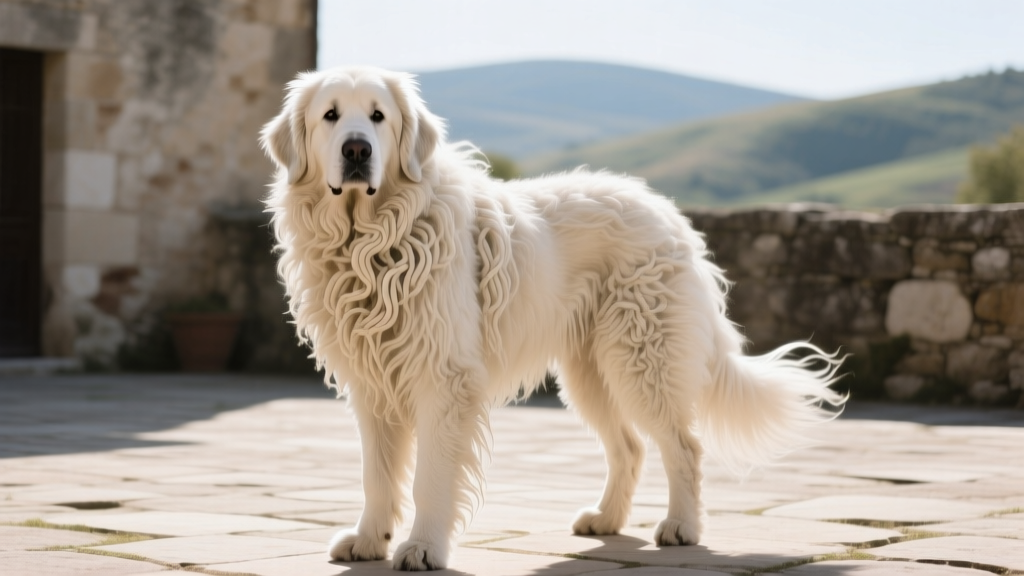
Pitbull Mix With St Bernard: Size, Temperament & Care Guide
Everything about the Pitbull mix with St Bernard: size range, temperament variability, health risks, grooming needs, costs, and whether this rare

If you've encountered a dog with the muscular build of an American Pit Bull Terrier and the massive, gentle demeanor of a Saint Bernard, you've likely met one of the more unusual designer crosses in the canine world. The Pitbull mix with St Bernard — sometimes called a Saint Pit or Pit Bernard — is an uncommon pairing that produces dogs ranging from 50 to over 120 pounds, with temperaments and appearances that vary dramatically even within the same litter.
Unlike popular designer breeds such as Labradoodles or Goldendoodles, this cross doesn't have an established breeding community or a catchy portmanteau name that's stuck. That means prospective owners need to do extra homework. Understanding what each parent breed contributes — and where unpredictability enters the picture — is essential before committing to a dog that could become a 100-pound powerhouse with strong opinions about other dogs.
Parent Breed Breakdown: What Each Side Brings
Before predicting what a Pitbull-St Bernard cross might look like, it's critical to understand the two foundation breeds. The contrast between them is what makes this mix so variable — and why no two puppies from the same litter will necessarily resemble each other.
| Trait | American Pit Bull Terrier | Saint Bernard |
|---|---|---|
| Weight Range | 30–65 lb (14–29 kg) | 120–180 lb (54–82 kg) |
| Height | 17–21 in (43–53 cm) | 26–30 in (66–76 cm) |
| Lifespan | 12–16 years | 8–10 years |
| Coat | Short, smooth, single coat | Short-hair or long-hair variety, double coat |
| Energy Level | High — 60–90 min daily exercise | Moderate — 30–60 min daily exercise |
| Original Function | Bull-and-terrier sports, farm work, companionship | Alpine rescue, draft work, monastery guard |
| AKC Recognition | Not AKC-recognized (UKC recognized); American Staffordshire Terrier is the AKC counterpart | AKC Working Group |
| Key Temperament | Human-friendly, tenacious, dog-selective, high prey drive | Gentle, calm, people-oriented, sometimes stubborn |
The AKC breed standard for the Saint Bernard describes a dog that is "gentle, friendly, and welcoming" — a temperament shaped by centuries of selective breeding for cooperative rescue work alongside monks in the Swiss Alps. Pit Bull-type dogs, by contrast, were historically selected for gameness and tenacity, traits that translate into remarkable loyalty and human-bonding but can also produce dog-selective or dog-aggressive tendencies if not carefully socialized.
When these two breeds are crossed, the resulting puppies exist on a wide behavioral spectrum. Some inherit the Saint Bernard's laid-back nature and tolerance for chaos. Others lean into the Pit Bull's intensity and drive. Many fall somewhere in between — and which direction a particular puppy leans often isn't fully apparent until 12–18 months of age.
How Big Will a Pitbull Mix With St Bernard Get?
This is the question every prospective owner asks first, and the honest answer is: it depends heavily on which parent the puppy favors, the sex of the dog, and the specific lineage of each parent.
| Category | Low End (Pitbull-Leaning) | Mid Range | High End (St Bernard-Leaning) |
|---|---|---|---|
| Weight | 50–70 lb (23–32 kg) | 70–100 lb (32–45 kg) | 100–140 lb (45–64 kg) |
| Height at Shoulder | 20–23 in (51–58 cm) | 23–26 in (58–66 cm) | 26–29 in (66–74 cm) |
| Age at Full Size | 12–15 months | 15–18 months | 18–24 months |
Most Pitbull-St Bernard mixes land in the 70–100 lb range, making them firmly large-breed dogs. However, a puppy that strongly favors the Saint Bernard parent can exceed 120 lb. Males tend to be 15–25% larger than females within the same litter.
Because giant-breed growth plates close later than those of smaller dogs, a mix leaning toward the Saint Bernard side may continue filling out until 24 months. During this growth period, feeding a large-breed puppy formula that meets AAFCO guidelines for large-breed growth (calcium capped at approximately 1.2–1.5% on a dry-matter basis) is important to prevent developmental orthopedic disease.
Generations Explained: F1, F1B, and Multigen Crosses
Generation Guide for Designer Mixes
- F1 (First Generation): One purebred Pit Bull-type parent × one purebred Saint Bernard parent. Maximum genetic diversity, but highest trait unpredictability. Most Pitbull-St Bernard mixes are F1.
- F1B (First Generation Backcross): An F1 mix bred back to one of the parent breeds (e.g., F1 Saint Pit × Saint Bernard). Slightly more predictable in the direction of the backcross parent.
- F2 (Second Generation): Two F1 mixes bred together. Trait variation remains wide; recessive traits from both breeds may surface.
- Multigen (F3+): Multiple generations of the mix bred together. Extremely rare for this cross — no established multigen breeding programs exist for Pitbull-St Bernard mixes as of 2026.
Unlike Poodle mixes (Doodles), where F1B and multigen breeding programs are common and aim for predictable coat types, the Pitbull-St Bernard cross is almost exclusively produced as F1 litters. You won't find established multigen lines because there is no breeding community working to standardize this mix. This means virtually every Pitbull-St Bernard puppy you encounter will be a first-generation cross with maximum trait variability.
This matters practically: if someone advertises "F1B Saint Pit puppies," ask for documentation. Without a verifiable pedigree for both parents, there's no way to confirm the generation claim.
Temperament: Best-Case and Challenging Scenarios
The temperament of a Pitbull mix with St Bernard is where the genetic lottery becomes most consequential. Both parent breeds are known for being affectionate with their families, but they differ significantly in drive, reactivity, and social style.
Best-Case Scenario
- Inherits the Saint Bernard's calm, patient disposition
- Shows the Pit Bull's human devotion without dog-aggression tendencies
- Tolerant of children, other pets, and household chaos
- Eager to please and responsive to training
- Moderate energy — playful but settles easily indoors
Challenging Scenario
- Inherits Pit Bull's dog-selectivity combined with Saint Bernard's 100+ lb size
- Strong prey drive toward cats, small dogs, or wildlife
- Stubbornness from both breeds — difficult to redirect once fixated
- High energy in a giant body — jumping, pulling, mouthing
- Resource guarding tendencies without early intervention
The challenging scenario isn't a reason to avoid this mix — it's a reason to prepare. A 110-pound dog with leash reactivity is a fundamentally different management challenge than a 35-pound dog with the same behavior. Physical strength compounds behavioral issues.
Socialization window: The critical socialization period for puppies closes around 14–16 weeks. For a Pitbull-St Bernard mix, structured positive exposure to other dogs (especially same-sex dogs, since both breeds can show same-sex aggression), diverse humans, novel environments, and handling exercises should begin by 8 weeks and continue intensively through 6 months. Use only positive reinforcement and force-free methods — aversive tools like shock collars or prong collars can damage the human-dog bond and increase fear-based reactivity.
Coat Types, Shedding, and Grooming Requirements
Neither parent breed is hypoallergenic, and neither produces a low-shedding coat. This mix will shed — the only question is how much and what type of coat maintenance you'll need.
| Coat Type | Appearance | Shedding Level | Grooming Needs |
|---|---|---|---|
| Short/Smooth (Pitbull-inherited) | Sleek, close-lying single coat | Moderate year-round | Weekly rubber-brush grooming, occasional baths |
| Medium Double Coat (blended) | Dense undercoat with 1–2 inch guard hairs | Heavy seasonal "blowing" twice yearly | Brushing 2–3x weekly, daily during coat blow |
| Longer Coat (St Bernard-inherited) | Rough-coated with feathering on legs and tail | Heavy year-round with seasonal peaks | Brushing 3–4x weekly, professional grooming quarterly |
A practical note for households with allergies: this mix is not hypoallergenic. Both parent breeds produce normal levels of Can f 1 and Can f 2 allergens (the proteins in dog dander and saliva that trigger human allergic reactions). No amount of breeding will change this — there is no truly hypoallergenic dog breed, and mixes inheriting double coats from the Saint Bernard side will produce significant airborne dander.
Drool factor: If the mix inherits the Saint Bernard's loose jowls (flews), expect moderate to heavy drooling, especially after drinking, eating, or during excitement. Keep drool cloths accessible around the house. Pit Bull-type dogs typically have tighter lip structure, so puppies inheriting that trait will drool less.
Health Considerations: Hybrid Vigor Myth vs. Reality
One of the most persistent myths in the designer dog world is that mixed-breed dogs automatically enjoy "hybrid vigor" — the idea that crossbreeding eliminates the health problems associated with purebreds. The reality is more nuanced, and it's important to understand before bringing home a Pitbull-St Bernard mix.
Hybrid vigor (heterosis) does exist as a genetic concept: crossing two unrelated gene pools can reduce the expression of recessive genetic disorders that are common within inbred populations. However, it does not protect against conditions that both parent breeds share, nor does it prevent structural issues related to size and conformation.
| Condition | Inherited From | Prevalence / Notes | Screening Recommendation |
|---|---|---|---|
| Hip Dysplasia | Both breeds | Saint Bernards: ~47% affected per OFA statistics. Pit Bulls: ~23%. | OFA or PennHIP evaluation at 24 months |
| Elbow Dysplasia | Both breeds | Common in giant breeds; Saint Bernards particularly prone | OFA elbow radiographs at 24 months |
| Gastric Dilatation-Volvulus (Bloat) | Saint Bernard (deep-chested) | Life-threatening emergency; deep-chested dogs at highest risk | Discuss prophylactic gastropexy with your vet |
| Dilated Cardiomyopathy (DCM) | Saint Bernard | Giant breeds predisposed; monitor for exercise intolerance | Annual cardiac exam; echocardiogram if indicated |
| Skin Allergies / Atopy | Pit Bull-type breeds | Pit Bulls notoriously prone to environmental and food allergies | Monitor for paw licking, ear infections, hot spots |
| Hypothyroidism | Both breeds | Common in large/giant breeds; manageable with medication | Annual thyroid panel starting at age 4 |
Bloat awareness is non-negotiable for this mix. Gastric dilatation-volvulus (GDV) is a life-threatening emergency where the stomach fills with gas and twists on itself. Deep-chested dogs — which this mix often is — face the highest risk. Know the signs: unproductive retching, distended abdomen, restlessness, and rapid deterioration. This is an immediate emergency — survival depends on surgical intervention within hours. Many owners of deep-chested dogs discuss prophylactic gastropexy (surgically tacking the stomach to the abdominal wall) with their veterinarian, often done during spay/neuter surgery.
Cost: Purchase Price, Annual Care, and Where to Find One
The Pitbull-St Bernard mix is uncommon enough that there is no established market price the way there is for Goldendoodles or French Bulldogs. Pricing varies dramatically based on the breeder's reputation, location, and whether the parents are health-tested.
| Expense Category | Low End | Mid Range | High End |
|---|---|---|---|
| Puppy Purchase Price | $300–$500 (accidental litter/backyard breeder) | $800–$1,500 (intentional cross, basic health testing) | $1,500–$2,500 (health-tested parents, reputable program) |
| Rescue/Adoption Fee | $50–$150 | $150–$350 | $350–$500 (breed-specific rescue) |
| First-Year Veterinary Costs | $800 | $1,200–$1,800 | $2,500+ (if orthopedic issues arise) |
| Annual Food Cost | $600 (70 lb dog) | $900–$1,200 (100 lb dog) | $1,500+ (120+ lb dog on premium diet) |
| Pet Insurance (Monthly) | $45–$65 | $65–$100 | $100–$150 (comprehensive, no deductible) |
Finding this mix through rescue: Because both Pit Bull-type dogs and Saint Bernards are overrepresented in shelters and breed-specific rescues, mixes of the two appear in rescue systems more often than you might expect. Check Petfinder and Adopt-A-Pet using mixed-breed filters. Pit Bull rescues and Saint Bernard rescues (such as the Saint Bernard Rescue Foundation) occasionally take in mixed dogs as well. Adopting an adult mix has the advantage of known size, temperament, and energy level — removing much of the guesswork.
Working with a breeder: If you pursue a breeder, insist on seeing OFA or PennHIP certifications for both parents' hips and elbows, a cardiac evaluation for the Saint Bernard parent, and proof that both parents have been temperament-tested. A responsible breeder will also have a take-back clause requiring you to return the dog to them at any point in its life if you cannot keep it.
Who Is This Mix Best Suited For?
The Pitbull mix with St Bernard is not a beginner-friendly dog. The combination of potential giant size, genetic variability in temperament, and the behavioral management needs inherited from both parent breeds makes this a dog for prepared, experienced owners.
Good Fit
- Experienced dog owners who have managed large or strong breeds before
- Homes with secure, fenced yards (minimum 6-foot fence for larger individuals)
- Families with older children (8+) who understand how to interact with large dogs
- Owners prepared to invest in puppy socialization classes and ongoing training
- Households without same-sex large dogs (unless both are well-socialized)
- People in areas without breed-specific legislation targeting Pit Bull-type dogs
Poor Fit
- First-time dog owners unfamiliar with leash reactivity or resource guarding
- Apartment dwellers in buildings with weight restrictions or breed bans
- Homes with toddlers or infants (giant-breed puppies are clumsy and mouthy for 18+ months)
- Owners unwilling or unable to commit to structured daily exercise (45–90 minutes)
- Multi-pet households with cats or small dogs (prey drive risk from both breeds)
- Renters — many landlords and insurance companies restrict Pit Bull-type dogs and dogs over 80 lb
Breed-specific legislation note: Many US municipalities, military housing installations (including all Department of Defense housing), and insurance providers restrict or ban Pit Bull-type dogs. Because a Pitbull-St Bernard mix may visually resemble a Pit Bull (especially if it inherits the head shape and muscular build), owners may face housing restrictions, insurance surcharges, or local registration requirements depending on their jurisdiction. Check your local laws, HOA rules, and renter's insurance policy before committing to this mix.
Training and Exercise: Setting This Mix Up for Success
Regardless of where a particular Pitbull-St Bernard mix falls on the temperament spectrum, two things are universally important: early positive-reinforcement training and consistent physical and mental exercise.
Exercise needs by age:
- 8–12 weeks: 5 minutes of structured play per month of age, twice daily (e.g., 10 minutes per session for a 10-week-old)
- 3–6 months: 15–20 minutes of leash walking plus free play, twice daily
- 6–12 months: 30–45 minutes of structured exercise daily, avoiding repetitive high-impact activities (jumping, long runs) until growth plates close
- 12–18 months: 45–60 minutes daily, gradually increasing intensity
- Adult (18+ months): 60–90 minutes daily for Pitbull-leaning dogs; 30–60 minutes for St Bernard-leaning dogs
Mental stimulation is equally important. Both breeds are intelligent and benefit from puzzle feeders, nose work games, and training sessions. A bored, under-exercised 90-pound dog will find its own entertainment — and you won't like the results.
For leash training, invest in a front-clip harness (such as the Ruffwear Front Range or the 2 Hounds Design Freedom No-Pull Harness) early, before the dog reaches full size. A 100-pound dog that pulls on a flat collar is a safety hazard for both the handler and the dog's trachea.
Frequently Asked Questions
What two breeds make up a Pitbull mix with St Bernard?
This cross combines an American Pit Bull Terrier (or a related Pit Bull-type breed such as the American Staffordshire Terrier or Staffordshire Bull Terrier) with a Saint Bernard. The specific Pit Bull-type breed used affects the size and temperament range of the offspring — a Staffordshire Bull Terrier cross will produce smaller puppies than an American Pit Bull Terrier cross.
Is a Pitbull-St Bernard mix hypoallergenic or low-shedding?
No. Neither parent breed is hypoallergenic or low-shedding. Expect moderate to heavy shedding year-round, with seasonal peaks if the dog inherits a double coat from the Saint Bernard parent. Regular brushing and a good vacuum cleaner are essential.
How long do Pitbull-St Bernard mixes live?
Lifespan typically falls between 9 and 13 years. Dogs that inherit more of the Saint Bernard's giant-breed physiology tend toward the lower end (8–10 years), while those closer to the Pit Bull parent's size may reach 12–14 years. Maintaining a lean body condition score (BCS of 4–5 out of 9) throughout life is one of the most impactful things owners can do to maximize longevity.
Are Pitbull-St Bernard mixes good with children?
Both parent breeds are known for being affectionate with people, including children. However, the size of this mix creates practical safety concerns. A 90-pound puppy can accidentally knock over a toddler during play. Supervision is essential, and families with very young children may want to wait until kids are older. Teach children to respect the dog's space, especially during eating and sleeping.
Can this mix live with other dogs?
It depends on the individual dog's inherited temperament and early socialization. Pit Bull-type dogs can be dog-selective or same-sex aggressive, while Saint Bernards are typically more tolerant. Opposite-sex pairings tend to work best. Always introduce dogs in neutral territory and consult a certified professional dog trainer (CPDT-KA or IAABC-certified) if you observe tension.
How much does a Pitbull-St Bernard mix cost?
Puppy prices range from $300 for accidental litters to $2,500 from breeders who health-test both parents. Rescue adoption fees typically run $50–$500. Budget an additional $800–$1,800 for first-year veterinary care, and $1,200–$2,500 annually for food, insurance, and routine care for an adult dog.
Anouk Beaumont
All our authors care for dogs every day — read more of their work on the authors page.