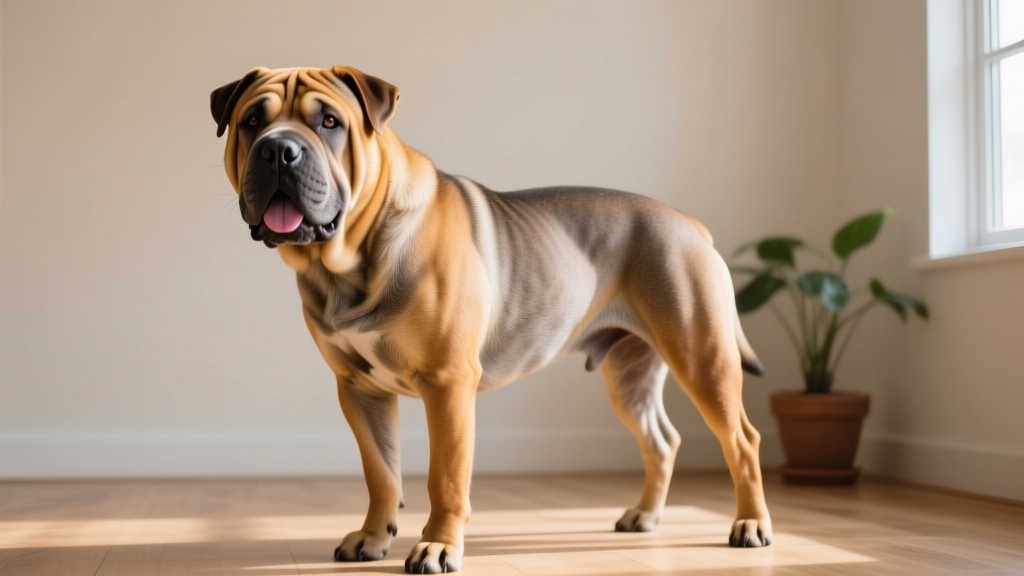
Pitbull Heeler Mix: Temperament, Size, Health & Care Guide
Complete guide to the Pitbull Heeler mix: temperament, size range, coat types, health risks, grooming needs, costs.

What Two Breeds Make Up the Pitbull Heeler Mix?
The Pitbull Heeler mix — sometimes called a "Pit Heeler" or "Blue Pit Heeler" — is a first-generation or multigenerational cross between an American Pit Bull Terrier (APBT) and an Australian Cattle Dog (commonly known as a Blue Heeler or Red Heeler). This is not an AKC-recognized breed but rather a designer cross that combines two working-line dogs with very different historical jobs: the APBT was developed for tenacity and physical strength, while the Australian Cattle Dog was bred for endurance herding across harsh Australian terrain.
Because neither parent breed is a "companion-only" dog, this cross tends to produce high-drive, intelligent, physically capable dogs that need experienced handlers. Before we get into what you can expect, let's break down each parent breed's contribution.
| Trait | American Pit Bull Terrier | Australian Cattle Dog |
|---|---|---|
| AKC Group | Not AKC-recognized (UKC Terrier Group) | Herding Group |
| Typical Weight | 30–65 lb / 14–29 kg | 35–50 lb / 16–23 kg |
| Typical Height | 17–21 in / 43–53 cm | 17–20 in / 43–51 cm |
| Coat | Short, smooth, single coat | Short-to-medium, dense double coat |
| Shedding | Moderate, year-round | Heavy seasonal blowouts + moderate year-round |
| Energy Level | High (60–90 min exercise/day) | Very high (90–120 min exercise/day) |
| Trainability | Eager, responds to positive reinforcement | Intelligent but independent, can be stubborn |
| Lifespan | 12–16 years | 12–16 years |
| Key Instincts | Prey drive, gameness, human bonding | Herding, nipping, territorial alertness |
Sources: AKC Australian Cattle Dog Standard, UKC American Pit Bull Terrier Standard.
Understanding Generations: F1, F1B, F2, and Beyond
F1 (First Generation): One purebred APBT parent × one purebred Australian Cattle Dog parent. Puppies inherit roughly 50/50 genetics. Traits are the most unpredictable — littermates can look and behave very differently from one another.
F1B (First-Generation Backcross): An F1 Pitbull Heeler mix bred back to one of the parent breeds (usually the APBT or Heeler). This shifts the genetic ratio to roughly 75/25, leaning more heavily toward one parent's traits.
F2 (Second Generation): Two F1 Pitbull Heeler mixes bred together. Genetic variation remains wide — you may see puppies that strongly favor one grandparent breed or blend evenly.
Multigen (F3+): Multiple generations of Pitbull Heeler crosses bred together. Over time, traits stabilize somewhat, but this cross is rare enough that true multigen lines are uncommon as of 2026.
Most Pitbull Heeler mixes you'll encounter in rescues or from casual breeders are F1 crosses. Because this isn't a heavily commercialized designer breed like the Goldendoodle, multigen breeding programs are scarce. That means trait predictability is generally low, and you should evaluate each individual dog rather than relying on generalizations.
How Big Will a Pitbull Heeler Mix Get?
Both parent breeds fall into a similar medium-size range, which keeps the Pitbull Heeler mix relatively predictable in terms of overall dimensions — though stockiness, bone structure, and musculature can vary significantly.
| Measurement | Low End | Average | High End |
|---|---|---|---|
| Adult Weight | 30 lb / 14 kg | 40–50 lb / 18–23 kg | 65 lb / 29 kg |
| Adult Height (at shoulder) | 17 in / 43 cm | 18–20 in / 46–51 cm | 21 in / 53 cm |
| Body Length (nose to tail base) | 22 in / 56 cm | 25–27 in / 64–69 cm | 30 in / 76 cm |
Males tend to sit at the upper end of these ranges; females at the lower end. A Pitbull Heeler mix inheriting the APBT's heavier bone structure and broader chest will weigh noticeably more than a littermate who takes after the leaner, more agile Heeler build. Expect puppies to reach roughly 70% of adult weight by 6 months and full size by 12–14 months.
Coat Types, Colors, and Shedding Expectations
This is where the mix gets genuinely interesting — and unpredictable. The Australian Cattle Dog carries genes for a dense double coat with a weather-resistant outer layer, while the APBT carries genes for a short, smooth single coat. Which one your dog inherits dramatically affects grooming needs and shedding.
| Coat Trait | APBT-Influenced | Heeler-Influenced |
|---|---|---|
| Coat Length | Very short (½ inch) | Short-to-medium (1–2 inches) |
| Undercoat | None (single coat) | Dense undercoat present |
| Shedding Level | Moderate year-round | Heavy seasonal shedding (spring/fall blowouts) |
| Common Colors | Brindle, fawn, black, white patches | Blue mottled, red speckled, blue-black |
| Texture | Smooth, glossy | Harsh, stiff outer guard hairs |
Is the Pitbull Heeler mix hypoallergenic or low-shedding? No. Neither parent breed is hypoallergenic, and there is no scenario in which this cross produces a low-shedding dog. Even APBT-leaning individuals shed moderately year-round. If you have dog allergies, this is not a suitable mix. For allergy-friendly alternatives, consider Poodle-based crosses.
Color-wise, the Heeler's merle-like "mottled" or "speckled" patterning can appear in the mix, sometimes combined with APBT brindle or solid-color genetics. The result can be striking — blue-mottled coats with brindle patches, for example — but color is purely cosmetic and should never be a selection criterion over health and temperament.
Temperament: What to Expect (and What Can Go Wrong)
The temperament of a Pitbull Heeler mix is the single most variable aspect of owning one. Both parent breeds are strong-willed, high-energy working dogs, and their combined traits can produce a spectacular companion or a challenging handful depending on socialization, training, and individual genetics.
Best-Case Temperament Scenario
A well-socialized Pitbull Heeler mix with balanced genetics is alert, loyal, highly trainable, and deeply bonded to their family. They excel at dog sports (agility, weight pull, herding trials), thrive with active owners, and can be gentle and playful with children they're raised alongside. Their intelligence makes them fast learners when trained with positive reinforcement methods — think treat-based marker training, clicker work, and game-based engagement.
Challenging Temperament Scenarios
Without adequate mental stimulation and exercise, this mix can develop destructive behaviors, leash reactivity, resource guarding, or herding-instinct nipping (especially directed at children's ankles or running pets). The Heeler's territorial alertness combined with the APBT's dog-selectiveness can produce a dog that is reactive toward unfamiliar dogs. This is manageable with early, structured socialization but requires an owner who understands canine body language and counter-conditioning techniques.
Key temperament reality: Neither parent breed was developed to be a low-maintenance house pet. This mix inherits strong working instincts from both sides. First-time dog owners should approach with caution and commit to professional training support.
Family Compatibility
- Children: Can be excellent with kids they're raised with, but the Heeler's nipping instinct and the APBT's exuberant play style mean unsupervised interactions with toddlers are not advisable. Best for families with children aged 8+.
- Other dogs: Dog-selectiveness is common. Early socialization helps, but same-sex aggression (inherited from both parent breeds) is possible. Not ideal for multi-dog households without careful introductions and management.
- Cats and small animals: Both parent breeds have prey drive. Co-habitation with cats is possible with early exposure but never guaranteed. Small pets (rabbits, chickens) should be kept securely separated.
Health Considerations: Hybrid Vigor vs. Reality
There's a persistent myth that mixed-breed dogs automatically escape the health problems of their parent breeds through "hybrid vigor." The reality, as documented in Merck Veterinary Manual resources on canine genetics, is more nuanced. Hybrid vigor (heterosis) can reduce the risk of recessive genetic conditions that require two copies of a defective gene — but it does not protect against polygenic conditions or structural problems shared by both parent breeds.
Conditions Inherited from Both Parent Breeds
| Condition | Prevalence | What to Watch For | Screening |
|---|---|---|---|
| Hip Dysplasia | Common in both breeds (~15–20% in APBTs per OFA data) | Hind-leg stiffness, bunny-hopping gait, reluctance to jump | OFA or PennHIP evaluation of parent dogs |
| Elbow Dysplasia | Moderate risk | Front-leg lameness, difficulty rising | OFA elbow radiographs |
| Patellar Luxation | Low-to-moderate | Intermittent skipping on hind legs | Veterinary orthopedic exam |
Conditions from the APBT Side
- Demodectic mange (demodicosis): APBTs have a genetic predisposition to Demodex mite overgrowth. Watch for patchy hair loss, especially around the face and forelegs.
- Allergic skin disease: Atopic dermatitis is common in pit bull-type breeds. Symptoms include paw licking, ear infections, and belly rashes. AVMA guidance on pet allergies notes environmental allergens are the primary trigger.
- Congenital heart defects: Aortic stenosis occurs at higher rates in APBTs than in the general dog population.
Conditions from the Heeler Side
- Progressive Retinal Atrophy (PRA): A degenerative eye disease leading to blindness. DNA tests are available for the prcd-PRA variant common in Australian Cattle Dogs.
- Deafness: Congenital deafness (especially in predominantly white-coated Heelers) is linked to the piebald gene. BAER testing of parent dogs is recommended.
- Osteochondritis Dissecans (OCD): A joint cartilage disorder that can affect shoulders, elbows, or hocks.
What this means for you: Ask any breeder for OFA hip/elbow certifications and PRA/BAER test results for both parent dogs. For rescue dogs, budget for a baseline veterinary screening including orthopedic exam and eye certification within the first 3 months. Consult your veterinarian about a preventive care schedule tailored to this mix's risk profile.
Grooming, Exercise, and Daily Care Requirements
Grooming by Coat Type
If your Pitbull Heeler mix inherits the APBT's single coat, grooming is minimal: a rubber curry brush once a week, baths every 4–6 weeks, and regular nail trims. If they inherit the Heeler's double coat, you'll need a slicker brush and undercoat rake 2–3 times per week, with daily brushing during seasonal shedding periods (typically March–May and September–November in most U.S. climates).
Either way, plan for:
- Nail trimming every 3–4 weeks (or grinding with a Dremel-style tool if the dog tolerates it)
- Ear cleaning weekly with a veterinary-approved ear cleanser, especially for floppy-eared individuals
- Dental brushing 3–5 times per week with enzymatic dog toothpaste
Exercise Requirements
This is a high-output dog. Plan for 90–120 minutes of structured activity per day, which can include:
- Two 30-minute leash walks (minimum)
- Off-leash running in a secure area or flirt pole sessions (15–20 minutes)
- Mental enrichment: puzzle feeders, scent work, obedience training sessions
- Dog sports: agility, barn hunt, lure coursing, or herding trials channel both breeds' instincts productively
A Pitbull Heeler mix that receives only a backyard potty break and a 15-minute walk will almost certainly develop behavioral problems — chewing, digging, excessive barking, or escape attempts. This mix is not suited for apartment living unless the owner is committed to rigorous daily exercise routines.
Cost Breakdown: Purchase Price, Annual Care, and Budgeting
| Expense Category | Low Estimate | Typical Range | High Estimate |
|---|---|---|---|
| Puppy purchase (breeder) | $400 | $600–$1,200 | $2,000+ |
| Adoption fee (rescue/shelter) | $50 | $150–$350 | $500 |
| Initial veterinary (vaccines, spay/neuter, microchip) | $300 | $500–$800 | $1,200 |
| Annual food (quality kibble or balanced raw) | $400 | $600–$900 | $1,400 |
| Annual preventive care (heartworm, flea/tick, checkups) | $300 | $500–$700 | $1,000 |
| Training (group classes or private sessions) | $150 | $300–$600 | $1,500+ |
| Pet insurance (annual premium) | $400 | $600–$900 | $1,400 |
| First-year total (breeder puppy) | $2,200 | $3,500–$5,500 | $8,000+ |
Breeder vs. rescue availability: Dedicated Pitbull Heeler mix breeders are uncommon. Most litters result from intentional but informal crossings rather than structured breeding programs. You're more likely to find this mix in breed-specific rescues (pit bull rescues, Heeler rescues) or general shelters, particularly in rural areas where both parent breeds are popular working dogs. When evaluating a breeder, insist on health testing documentation for both parents, a take-back clause, and evidence of early puppy socialization (ENS or Puppy Culture protocols).
Breed-specific legislation note: Pit bull-type dogs, including mixes with visible APBT characteristics, may be restricted in certain U.S. municipalities, military housing, and some rental properties. Check your local jurisdiction's regulations and your lease agreement before committing to this mix.
Who Is the Pitbull Heeler Mix Best Suited For?
This cross is not a universal fit. Here's a decision framework:
This mix is a strong match if you:
- Have 2+ years of experience handling strong-willed, high-energy breeds
- Can commit to 90+ minutes of daily exercise rain or shine
- Have a securely fenced yard (minimum 5-foot fence — both parent breeds are athletic jumpers/climbers)
- Are interested in dog sports or structured training as a hobby
- Have older children (8+) or no children
- Live in an area without breed-specific legislation affecting pit bull-type dogs
Look at a different breed or mix if you:
- Are a first-time dog owner
- Work long hours away from home (8+ hours) without dog-walking or daycare support
- Live in a small apartment with limited outdoor access
- Have multiple existing pets, especially same-sex dogs or small animals
- Want a low-maintenance, couch-potato companion
- Need a hypoallergenic or low-shedding dog
Frequently Asked Questions
Are Pitbull Heeler mixes aggressive?
Aggression is not a breed trait — it's a behavioral outcome influenced by genetics, socialization, training, and environment. Both parent breeds are human-friendly when properly raised (the APBT historically scored above average on American Temperament Test Society evaluations). However, dog-selectiveness and prey drive are common, which can be misinterpreted as aggression. Early socialization and force-free training dramatically reduce behavioral risks.
How long do Pitbull Heeler mixes live?
Expect a lifespan of 12–16 years, consistent with both parent breeds. This is a generally long-lived size category. The primary factors that reduce lifespan are obesity, untreated hip dysplasia leading to mobility decline, and cancer (which affects both parent breeds at average-to-elevated rates).
Can a Pitbull Heeler mix live with cats?
Some individuals can coexist peacefully with cats, especially if raised together from puppyhood. However, both the APBT and the Australian Cattle Dog carry prey drive, and the Heeler's instinct to chase moving animals is strong. Never leave a Pitbull Heeler mix unsupervised with cats, even if they appear to tolerate each other.
Do Pitbull Heeler mixes need professional training?
Professional training is strongly recommended, particularly for first-time owners of this cross. A minimum of a 6-week group obedience class using positive reinforcement is a baseline. Dogs showing leash reactivity, resource guarding, or fear-based responses benefit from private sessions with a certified professional dog trainer (CPDT-KA or IAABC-credentialed). Budget $300–$600 for foundational training.
What should I feed a Pitbull Heeler mix?
Feed an AAFCO-certified complete-and-balanced diet formulated for medium-breed, active adult dogs. Look for a named animal protein as the first ingredient (chicken, beef, lamb) and a guaranteed analysis showing minimum 22% protein and 12% fat for adult maintenance. For puppies, choose a medium-breed puppy formula to support controlled growth and reduce hip dysplasia risk. Typical daily intake: 2–3 cups of quality kibble split across two meals for a 40–50 lb adult, adjusted based on body condition score.
Is the Pitbull Heeler mix recognized by any kennel club?
No. This cross is not recognized by the AKC, UKC, or FCI. Some designer dog registries (such as the American Canine Hybrid Club) may list it, but these registries do not enforce health testing or breeding standards. Lack of recognition doesn't reflect on individual dogs — it simply means there is no governing breed standard.
Priya Sutaria
All our authors care for dogs every day — read more of their work on the authors page.