Chinese Shar Pei Pitbull Mix: Temperament, Size, and Care Guide
Everything about the Chinese Shar Pei Pitbull mix: size, temperament, coat types, health risks, cost, and whether this designer cross suits your household.
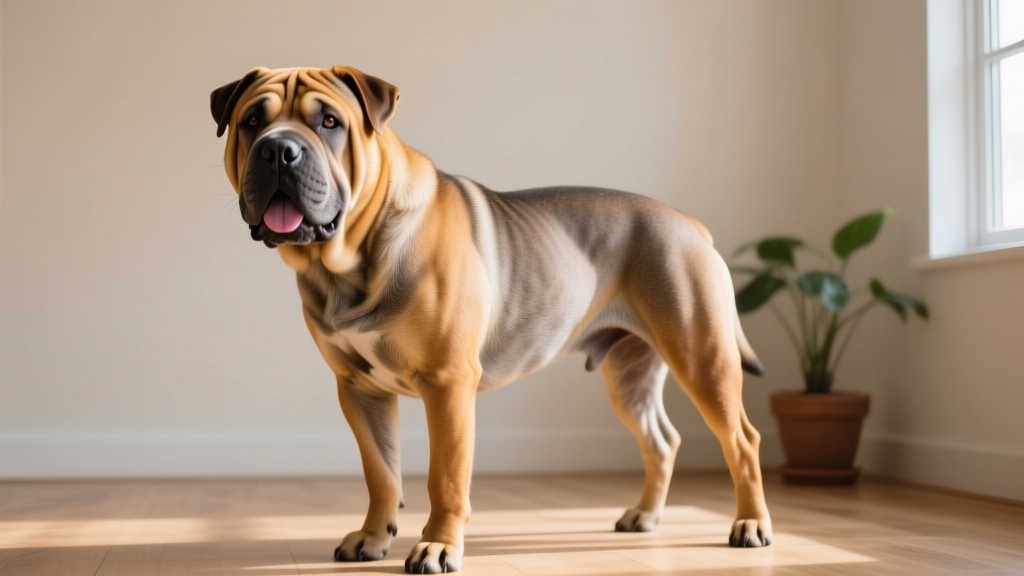
The Chinese Shar Pei Pitbull mix — sometimes called a Shar Pit or Sharpull — is one of the more unusual designer crosses you'll encounter. Combining the wrinkled, aloof Chinese Shar Pei with the athletic, people-oriented American Pit Bull Terrier produces a dog that can be striking in appearance and complex in temperament. This isn't a beginner-friendly mix, and the variability between individual dogs is significant. If you're researching this cross before adopting or purchasing, here's a thorough, evidence-based breakdown of what to expect.
Parent Breeds: What Makes Up the Chinese Shar Pei Pitbull Mix?
Understanding any mixed breed starts with its foundation. The two parent breeds here couldn't be more different in origin, purpose, and disposition.
| Trait | Chinese Shar Pei | American Pit Bull Terrier |
|---|---|---|
| Origin | Southern China, ancient breed (Han Dynasty era, ~200 BC) | United States/UK, 19th century bull-and-terrier crosses |
| AKC Group | Non-Sporting (recognized 1992) | Not AKC-recognized (UKC-recognized; AKC recognizes the closely related American Staffordshire Terrier) |
| Weight Range | 45–60 lb / 20–27 kg | 30–65 lb / 14–29 kg |
| Height | 18–20 in / 46–51 cm | 17–21 in / 43–53 cm |
| Coat | Very short, harsh "horse coat" or longer "brush coat" | Short, smooth, stiff |
| Temperament | Independent, reserved with strangers, loyal to family, can be aloof | Outgoing, eager to please, high human affiliation, confident |
| Energy Level | Moderate — short walks, heat-sensitive | High — needs 60+ minutes of vigorous activity daily |
| Trainability | Stubborn, requires patient positive reinforcement | Highly trainable, responds well to reward-based methods |
| Lifespan | 8–12 years | 12–16 years |
The Shar Pei was originally bred as a multipurpose farm and guard dog in China, valued for its loose skin (which made it difficult for predators to grab hold) and its wariness of strangers. The American Pit Bull Terrier, per the UKC breed standard, descends from terrier and bulldog crosses used in blood sports before being repurposed as farm companions and family dogs. The temperament gap between these two breeds is the single biggest source of unpredictability in their offspring.
Size Range: How Big Will a Chinese Shar Pei Pitbull Mix Get?
Both parent breeds are medium-sized, so the Chinese Shar Pei Pitbull mix doesn't present the extreme size variability you see in crosses involving toy and giant breeds. However, there's still meaningful variation.
| Measurement | Low End | High End | Most Common Range |
|---|---|---|---|
| Weight (adult) | 30 lb / 14 kg | 65 lb / 29 kg | 40–55 lb / 18–25 kg |
| Height (at shoulder) | 17 in / 43 cm | 21 in / 53 cm | 18–20 in / 46–51 cm |
| Body type | Lean, athletic (Pit Bull-dominant) | Stocky, broad (Shar Pei-dominant) | Medium build, moderate muscle |
Males typically land at the higher end of these ranges, females at the lower. Most dogs in this cross reach full physical maturity between 14 and 18 months, though muscle fill-out can continue until age two. If you're planning crate or bed purchases, size for a 50–60 lb dog as a safe default — a 42-inch crate is a reasonable starting point.
Coat Types and Grooming: Wrinkles, Shedding, and Skin Care
The Chinese Shar Pei Pitbull mix inherits a short coat regardless of which parent's genes dominate — neither breed carries long-hair genetics. But coat texture and skin structure are where things get interesting.
- Shar Pei-dominant coat: Harsh, bristly "horse coat" with pronounced wrinkling, especially on the face, neck, and withers. Skin folds require regular cleaning to prevent yeast and bacterial infections.
- Pit Bull-dominant coat: Smooth, short, and glossy with minimal wrinkling. Low-maintenance grooming — a weekly rubber curry brush and occasional bath.
- Intermediate coat: Slightly bristly texture with moderate wrinkling, usually around the muzzle and forehead. Most common presentation in F1 crosses.
Shedding: Neither breed is hypoallergenic. Both are moderate shedders, and the mix will shed consistently year-round with seasonal increases in spring and fall. If you have dog allergies, this cross is not a good choice — there is no low-shedding or hypoallergenic outcome from these two parent breeds.
Skin fold care is the grooming priority when Shar Pei genetics dominate. Wrinkles trap moisture, debris, and bacteria, leading to pyoderma (bacterial skin infection). Dogs with significant wrinkling need their folds wiped with a damp cloth or veterinary wipe (chlorhexidine-based wipes like Vetnique Labs Dermasooth work well) every 1–2 days, then thoroughly dried. Budget $8–$15 per month for grooming wipes and medicated shampoo if your dog inherits heavy wrinkles.
Temperament: Best-Case and Challenging Scenarios
This is where the Chinese Shar Pei Pitbull mix demands the most careful consideration. The two parent breeds have fundamentally different social orientations, and individual puppies in the same litter can land at opposite ends of the spectrum.
Best-Case Temperament
The dog inherits the Pit Bull's human affiliation and trainability alongside the Shar Pei's calm, dignified demeanor. Result: a loyal, moderately energetic companion that's friendly with family, politely reserved with strangers, and responsive to positive reinforcement training. This dog is confident without being pushy, protective without being aggressive, and settles well in the home.
Challenging Temperament
The dog inherits the Shar Pei's suspicion of strangers and independence combined with the Pit Bull's physical power and tenacity. Result: a strong, stubborn dog that is wary or reactive toward unfamiliar people and animals, difficult to redirect once aroused, and resistant to training methods that rely on compliance. This is the scenario that makes the mix unsuitable for inexperienced owners.
| Trait | Pit Bull-Dominant Expression | Shar Pei-Dominant Expression | Intermediate |
|---|---|---|---|
| Stranger friendliness | Enthusiastic, may jump up | Aloof, may avoid or growl | Polite but cautious |
| Dog-to-dog sociability | Variable — many APBTs are dog-selective or dog-aggressive | Often dog-aggressive, especially same-sex | Likely dog-selective; early socialization critical |
| Trainability | High — eager to work for rewards | Low — independent, "what's in it for me?" | Moderate — needs high-value treats and short sessions |
| Separation tolerance | Poor — strong human bond, prone to separation anxiety | Good — independent, self-contained | Moderate — tolerates 4–6 hours alone with exercise |
| Prey drive | Moderate — terrier heritage | Moderate to high | Moderate — may chase cats, small dogs |
| Guard instinct | Low — more likely to greet intruders warmly | High — territorial, alert-barking | Moderate — will alert but usually not escalate |
Early socialization is non-negotiable for this mix. The critical socialization window closes around 14–16 weeks of age, and puppies with Shar Pei genetics tend toward fear-based reactivity if not exposed to diverse people, environments, and other dogs during this period. Enroll in a force-free puppy class (look for CPDT-KA or KPA-CTP certified trainers) starting at 8–10 weeks, after your vet clears the puppy for group exposure.
Health Considerations: Hybrid Vigor Myth vs. Reality
A common claim about designer crosses is that "hybrid vigor" eliminates health problems. This is misleading. While outcrossing can reduce the risk of recessive genetic diseases that are concentrated within a single breed's gene pool, it does not eliminate inherited conditions — it simply changes which conditions are most likely. A Chinese Shar Pei Pitbull mix can inherit health issues from either parent breed, and some conditions may compound.
Conditions Inherited from the Shar Pei Side
- Shar Pei Fever (Familial Renal Amyloidosis): An autoinflammatory condition causing recurrent high fevers (105–107°F / 40.5–41.7°C), swollen hock joints, and eventual kidney failure. Prevalence in Shar Pei lines is estimated at 5–10%. Per the Merck Veterinary Manual, amyloidosis has no cure and prognosis is guarded once kidney involvement begins. Screening via genetic test (available through Animal Genetics Inc.) is strongly recommended.
- Entropion: Inward-rolling eyelids that cause corneal irritation and ulceration. Common in Shar Peis due to excess facial skin. Surgical correction costs $1,500–$3,500 per eye.
- Hip Dysplasia: Abnormal hip joint formation leading to arthritis. OFA (Orthopedic Foundation for Animals) data shows approximately 30% of Shar Peis evaluated have dysplastic hips.
- Cutaneous Mucinosis: Excess mucin production in the skin, causing blistering and secondary infection.
Conditions Inherited from the Pit Bull Side
- Deminodic Mange (Demodicosis): Pit Bulls are overrepresented for this immune-mediated skin mite condition. Puppies and immunocompromised adults are most susceptible.
- Hip Dysplasia: Also prevalent in APBT lines — OFA data shows roughly 20–25% of evaluated Pit Bulls are dysplastic.
- Allergic Skin Disease: Atopic dermatitis is extremely common in Pit Bulls, triggered by environmental allergens (pollen, dust mites) or food proteins. Lifetime management costs can reach $1,000–$3,000 annually for medications like Apoquel ($70–$120/month) or Cytopoint injections ($65–$150 per treatment).
- Cardiac Conditions: Aortic stenosis and dilated cardiomyopathy have been reported in APBT lines, though prevalence is lower than in some other breeds.
Compounding Risks
Both parent breeds are predisposed to hip dysplasia, which makes this a high-probability concern for the cross. Skin disease is also a shared vulnerability — Shar Pei skin fold infections combined with Pit Bull atopy can create a dog with chronic, expensive dermatological needs. Request OFA hip scores and eye clearances (CERF) from breeders for both parent dogs before purchasing a puppy.
If your Chinese Shar Pei Pitbull mix develops sudden high fever (above 104°F / 40°C), swollen joints, lethargy, vomiting, or reluctance to move, seek veterinary care within hours. These can be signs of Shar Pei Fever, which can progress to kidney damage if untreated. Always consult your veterinarian — do not attempt to manage unexplained fevers at home.
Generations and Predictability: F1, F1B, and Beyond
- F1 (First Generation): One purebred Shar Pei parent × one purebred Pit Bull parent. Maximum genetic diversity, maximum trait unpredictability. This is the most common generation for this mix.
- F1B (First Generation Backcross): An F1 Shar Pit × one of the parent breeds. Used to push traits toward one parent — e.g., breeding back to a Pit Bull to reduce wrinkling and increase trainability.
- F2 (Second Generation): Two F1 Shar Pits bred together. Trait expression becomes more variable, not less — recessive traits from both breeds can surface unexpectedly.
- Multigen (F3+): Multiple generations of Shar Pit × Shar Pit breeding. Extremely rare for this particular cross — most Shar Pits on the market are F1.
Unlike Poodle-based designer breeds (Labradoodles, Goldendoodles) where multigen breeding programs are established, the Chinese Shar Pei Pitbull mix is almost exclusively produced as F1 crosses. This means predictability is limited. Even within a single F1 litter, you may see one puppy that is heavily wrinkled and aloof and another that is smooth-coated and gregarious. If predictability matters to you — and it should if you have children, other pets, or a specific lifestyle in mind — consider adopting an adult dog whose temperament is already established rather than gambling on a puppy.
Cost, Availability, and Where to Find This Mix
| Source | Price Range | Notes |
|---|---|---|
| Designer breeder (F1 puppy) | $600–$1,500 | Price varies by region, breeder reputation, and health testing. Reputable breeders will provide OFA/ PennHIP hip scores and genetic test results for Shar Pei Fever. |
| Backyard breeder / online listing | $200–$600 | Higher risk of undisclosed health issues, poor socialization, no health guarantees. Avoid. |
| Breed-specific rescue | $150–$400 (adoption fee) | Shar Pei rescues (e.g., Chinese Shar-Pei Club of America National Rescue) and Pit Bull rescues (e.g., BAD RAP, Pit Bull Rescue Central) occasionally have mixes. Adult dogs with known temperaments. |
| Shelter / municipal pound | $50–$200 | Least expensive option. Temperament and health history may be unknown. Request a behavioral assessment before adopting. |
First-year cost estimate for a Shar Pit puppy from a reputable source, including spay/neuter, initial vaccinations (DHPP series at 8, 12, and 16 weeks plus rabies at 16 weeks per AVMA guidelines), microchipping, basic supplies, and preventive medications: $2,500–$4,200. Ongoing annual costs (food, preventives, routine veterinary care): $1,200–$2,500, potentially more if skin or joint issues develop.
A note on breed-specific legislation (BSL): Because this mix includes Pit Bull heritage, it may be restricted or banned in certain municipalities, military housing, and some rental properties. Before committing to this dog, verify your local ordinances, lease terms, and homeowner's insurance policy. BSL varies by city, county, and state — check your jurisdiction directly rather than relying on general summaries.
Who Is the Chinese Shar Pei Pitbull Mix Best Suited For?
This cross is not a versatile, one-size-fits-all family dog. It thrives in specific household configurations and struggles in others.
Ideal Owner Profile
- Experience level: Intermediate to advanced. You've owned strong-willed or powerful breeds before and understand canine body language, leash reactivity management, and force-free training principles.
- Household composition: Adults-only or adults with older teenagers (14+). The mix's unpredictability around small children and potential for dog-aggression make it a poor fit for homes with toddlers or other pets.
- Activity level: Moderate to active. You can commit to 45–60 minutes of daily exercise — structured leash walks, sniffaris, or controlled play sessions. Avoid intense exercise in heat if the dog inherits a brachycephalic-leaning muzzle or heavy wrinkles.
- Time at home: You work from home or are away no more than 4–6 hours. Dogs leaning toward the Pit Bull side can develop separation anxiety; dogs leaning Shar Pei are more independent but still need social engagement.
- Financial readiness: You can absorb $1,000–$3,000 in unexpected veterinary costs for skin conditions, joint issues, or eye surgery. Pet insurance (budget $40–$80/month for a mixed-breed policy from providers like Trupanion or Healthy Paws) is strongly recommended.
Households That Should Consider a Different Breed
- First-time dog owners unfamiliar with strong, independent breeds
- Families with young children or multiple existing dogs
- Apartment dwellers with thin walls (potential for alert barking and reactivity)
- Owners who want an off-leash dog park socializer — this mix is often not a good candidate for unstructured dog-dog play
- Anyone in a jurisdiction with breed-specific legislation targeting Pit Bull-type dogs
Frequently Asked Questions
What two breeds make up the Chinese Shar Pei Pitbull mix?
The Chinese Shar Pei (an ancient Chinese breed known for wrinkled skin and an independent temperament) and the American Pit Bull Terrier (an athletic, people-oriented terrier breed recognized by the UKC). These are distinct breeds with very different histories and behavioral profiles.
How big will a Chinese Shar Pei Pitbull mix get?
Most adults weigh 40–55 lb (18–25 kg) and stand 18–20 inches (46–51 cm) at the shoulder. The full possible range is 30–65 lb (14–29 kg) and 17–21 inches (43–53 cm). Males tend toward the larger end.
What will the temperament be like?
Unpredictable in puppies. The mix can range from friendly and trainable (Pit Bull-dominant) to reserved and stubborn (Shar Pei-dominant), or land somewhere in between. Early socialization and consistent positive reinforcement training are essential regardless of which direction the temperament leans. Adult dogs with established temperaments are a safer choice if predictability matters.
Is the Chinese Shar Pei Pitbull mix hypoallergenic or low-shedding?
No. Neither parent breed is hypoallergenic. Both are moderate shedders with short coats, and the mix will shed consistently throughout the year. If you need a low-shedding dog, look at Poodle-based crosses or breeds like the Soft Coated Wheaten Terrier instead.
What health issues might this mix inherit?
Key concerns include Shar Pei Fever (familial renal amyloidosis), hip dysplasia (both breeds are predisposed), entropion (eyelid rolling), allergic skin disease (atopy), and skin fold infections (if wrinkling is significant). Request health clearances from breeders and discuss a preventive care plan with your veterinarian.
How much does a Chinese Shar Pei Pitbull mix cost?
From a responsible breeder, expect to pay $600–$1,500 for an F1 puppy. Adoption through breed-specific rescues typically costs $150–$400. First-year total costs including veterinary care, supplies, and preventive medications run $2,500–$4,200. Annual ongoing costs are $1,200–$2,500, potentially higher with chronic skin or joint conditions.
Are Chinese Shar Pei Pitbull mixes aggressive?
Neither parent breed is inherently human-aggressive, but both can display dog-aggression, and the Shar Pei contributes wariness of strangers. The mix's behavior depends on genetics, socialization, and training. Dogs that inherit strong Shar Pei guarding instincts combined with Pit Bull physical confidence can be challenging to manage without experienced handling. This is why early socialization and force-free training from puppyhood are critical.
Marcus Aldridge
All our authors care for dogs every day — read more of their work on the authors page.


