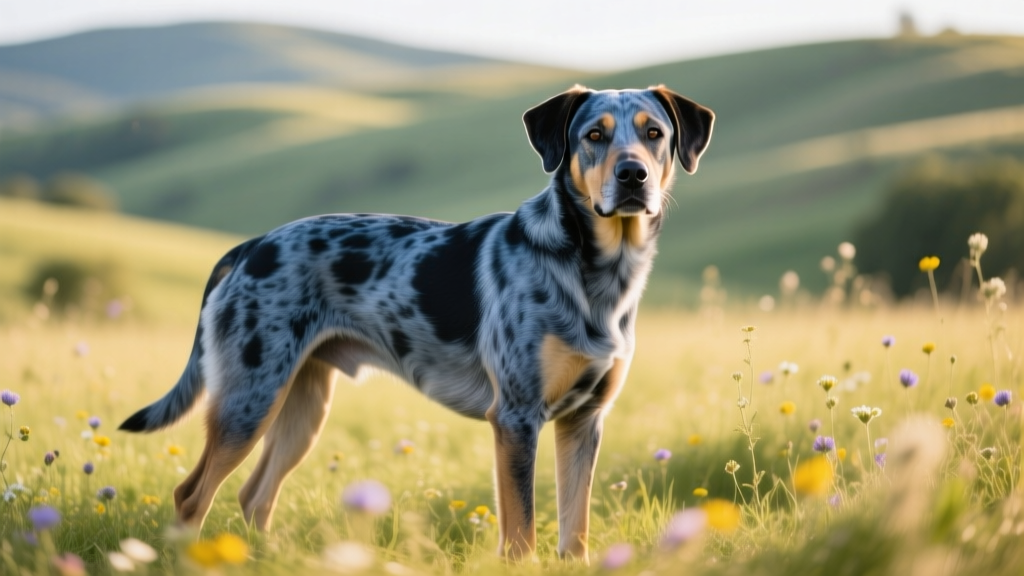
Pitbull Characteristics: The Complete Breed Profile & Owner's Guide
Explore essential pitbull characteristics including temperament, size, health risks, exercise needs, and ownership costs in this detailed 2026 breed guide.

Breed Overview: Beyond the Label
When people search for pitbull characteristics, they're often surprised to learn that "Pitbull" isn't a single breed recognized by the American Kennel Club. Instead, it's an umbrella term encompassing several bull-type breeds: the American Pit Bull Terrier (recognized by the UKC), the American Staffordshire Terrier (AKC), the Staffordshire Bull Terrier (AKC/UKC), and sometimes the American Bulldog. These dogs share common ancestry in 19th-century England, where bulldogs and terriers were crossed to create agile, strong, and tenacious working dogs. Immigrants brought these dogs to the United States, where they evolved into versatile farm dogs, family companions, and unfortunately, participants in blood sports before those were outlawed.
| Attribute | American Pit Bull Terrier | American Staffordshire Terrier | Staffordshire Bull Terrier |
|---|---|---|---|
| Size Class | Medium-Large | Medium-Large | Medium |
| Weight Range | 30-65 lb (14-29 kg) | 40-70 lb (18-32 kg) | 24-38 lb (11-17 kg) |
| Height Range | 17-21 in (43-53 cm) | 17-19 in (43-48 cm) | 14-16 in (36-41 cm) |
| Lifespan | 12-16 years | 12-16 years | 12-14 years |
| Coat Type | Short, smooth, stiff | Short, smooth, glossy | Short, smooth, soft |
| Energy Level | High | Moderate-High | High |
| Grooming Needs | Low | Low | Low |
| Family Fit | Active families, experienced owners | Families with space, experienced owners | Families, apartment-friendly with exercise |
Temperament & Personality Traits
Pitbull-type dogs share several core temperament traits that define their character, though individual personalities vary based on genetics, socialization, and training:
- People-Oriented and Affectionate: Contrary to popular myth, well-socialized pitbulls are famously people-focused. They form intense bonds with their families and often exhibit "velcro dog" behavior, following owners from room to room. Many display what owners describe as a "wiggle-butt" greeting, where their entire body wags with enthusiasm.
- Confident and Courageous: These dogs approach new situations with boldness rather than fear. This confidence makes them excellent adventure companions but requires consistent guidance to prevent pushy or overly assertive behavior with other dogs.
- Playful and Energetic: Pitbulls retain puppy-like enthusiasm well into adulthood. They excel at interactive games like flirt pole chasing, tug-of-war (with rules), and fetch. Many show a distinctive "zoomies" behavior, sprinting in circles when excited.
- Tenacious and Determined: The terrier heritage means these dogs focus intensely on tasks or toys. This translates to excellent performance in dog sports like weight pulling, agility, and nose work, but can also manifest as stubbornness during training sessions.
- Sensitive and Empathetic: Despite their tough exterior, pitbulls are remarkably attuned to human emotions. Many owners report their dogs providing comfort during illness or distress. This sensitivity means they respond poorly to harsh training methods and thrive on positive reinforcement.
Pros
- Extremely loyal and family-devoted
- Low grooming requirements
- Highly trainable with positive methods
- Excellent with children when properly socialized
- Athletic and versatile for dog sports
- Generally healthy with long lifespan
Cons
- High exercise and mental stimulation needs
- Potential dog-selective or dog-aggressive tendencies
- Strong prey drive toward small animals
- Breed-specific legislation restrictions in some areas
- Requires experienced, consistent handling
- Can be destructive if under-stimulated
Exercise & Activity Requirements
Pitbull-type breeds are athletic working dogs that require substantial daily exercise to maintain physical and mental health. Insufficient activity leads to destructive behaviors, obesity, and anxiety.
| Age Group | Daily Exercise | Recommended Activities |
|---|---|---|
| Puppy (2-6 months) | 5 minutes per month of age, twice daily | Short walks, gentle play, socialization outings |
| Adolescent (6-18 months) | 45-60 minutes | Structured walks, fetch, basic training games, swimming |
| Adult (1.5-7 years) | 60-90 minutes | Running/hiking, agility, weight pulling, flirt pole, advanced training |
| Senior (7+ years) | 30-45 minutes | Gentle walks, swimming, nose work, puzzle toys |
Mental stimulation is equally critical. Rotate through puzzle feeders (Kong Classic, Outward Hound Nina Ottosson puzzles), scent work games, and training sessions. Many pitbulls excel at competitive dog sports including agility, dock diving, and canine freestyle. According to the American Kennel Club, structured activities channel their energy constructively and strengthen the human-dog bond.
Common Health Issues & Screening
While pitbull-type dogs are generally robust, they're predisposed to several breed-specific conditions. Responsible breeders screen for these issues, and owners should be aware of warning signs:
| Condition | Prevalence | Symptoms | Prevention/Management |
|---|---|---|---|
| Hip Dysplasia | 10-15% (OFA data) | Limping, difficulty rising, decreased activity | Weight management, joint supplements, avoid overexertion in puppies |
| Demodectic Mange | Higher than average | Hair loss, redness, itching, skin infections | Immune support, veterinary treatment with isoxazoline medications |
| Allergies (Environmental/Food) | 20-30% estimated | Itchy paws, ear infections, hot spots, GI upset | Allergy testing, limited-ingredient diets, Apoquel/Cytopoint |
| Hypothyroidism | 5-10% | Weight gain, lethargy, hair loss, skin darkening | Daily thyroid hormone replacement (levothyroxine) |
| Aortic Stenosis | Higher in AmStaffs | Exercise intolerance, fainting, heart murmur | Cardiac screening, activity modification, medications |
Recommended Health Screenings: The Orthopedic Foundation for Animals (OFA) and CHIC health testing protocols recommend hip evaluations, cardiac exams, and thyroid panels for breeding stock. Pet owners should discuss these screenings with their veterinarian during annual wellness exams.
Grooming & Maintenance
Pitbull coats are refreshingly low-maintenance compared to many breeds, but regular care prevents skin issues common in the breed:
- Brushing: Weekly with a rubber curry brush (like the Kong ZoomGroom) to remove loose hair and distribute natural oils. Increase to 2-3 times weekly during seasonal shedding periods (spring/fall).
- Bathing: Every 4-8 weeks or as needed using a gentle, oatmeal-based shampoo. Over-bathing strips protective oils and worsens skin allergies. For dogs with sensitive skin, veterinary-recommended medicated shampoos (chlorhexidine-based for infections, ketoconazole for yeast) may be necessary.
- Nail Trimming: Every 2-3 weeks. Overgrown nails affect gait and can cause joint stress. Use guillotine-style or scissor clippers; a Dremel tool works well for dogs fearful of clippers.
- Ear Cleaning: Monthly with a veterinary ear cleaner (Epi-Otic Advanced, TrizUltra). Pitbulls' erect or semi-prick ears are less prone to infection than floppy ears, but allergies increase infection risk.
- Dental Care: Daily tooth brushing with enzymatic toothpaste (CET, Virbac) or dental chews (VOHC-approved products like Greenies or Purina Dental Chewz). Professional cleanings every 1-3 years depending on tartar accumulation.
- Skin Fold Care: Some pitbulls have facial wrinkles requiring weekly cleaning with unscented baby wipes or chlorhexidine wipes to prevent bacterial/yeast overgrowth.
Training & Intelligence
Pitbulls rank as above-average in working intelligence and excel in obedience when trained with modern, science-based methods. They respond enthusiastically to positive reinforcement (treats, toys, praise) and shut down under punitive techniques.
Trainability Rating: 8/10 for motivated owners. They learn quickly but require consistency and engagement. Their terrier independence means they may test boundaries, especially during adolescence (6-18 months).
Recommended Training Approach:
- Force-free, positive reinforcement methods (LIMA principles)
- Short, varied sessions (5-10 minutes, 2-3 times daily)
- High-value rewards (real meat, cheese, favorite toys)
- Early socialization (8-16 weeks critical period)
- Impulse control exercises (wait, leave-it, settle)
- Leash manners training using front-clip harnesses (Freedom No-Pull Harness, Easy Walk)
Essential Commands: Reliable recall, loose-leash walking, drop-it, and a solid "place" or mat command. Many pitbulls achieve advanced titles in obedience, rally, and therapy dog certification through organizations like Therapy Dogs International.
Family Suitability & Living Considerations
Children: Well-socialized pitbulls are typically excellent with children, often displaying gentle patience and protective instincts. The Staffordshire Bull Terrier earned the nickname "nanny dog" in England for their affinity with kids. However, all dog-child interactions require supervision, and children must be taught respectful behavior (no ear pulling, disturbing sleeping dogs, or approaching during meals).
Other Pets: This is where pitbull characteristics require careful consideration. Many exhibit dog-selective or dog-aggressive tendencies, particularly toward same-sex dogs. Early socialization helps but doesn't guarantee compatibility. Introductions should be gradual, on neutral territory, with professional guidance if needed. High prey drive makes them unsuitable for homes with cats, rabbits, or small mammals unless raised together from puppyhood with careful management.
Apartment Living: Possible with dedicated exercise commitments. Pitbulls are moderate barkers and generally quiet indoors if adequately exercised. However, many apartment complexes and insurance companies restrict pitbull-type breeds. Check lease agreements and homeowner's insurance policies before committing.
Breed-Specific Legislation (BSL): Over 700 U.S. cities have some form of BSL restricting or banning pitbull-type dogs. Research local ordinances through your city clerk's office or resources like Best Friends Animal Society's BSL map. Consider the ethical and practical implications of owning a restricted breed in your area.
Cost of Ownership
Budget realistically before bringing home a pitbull-type dog. Costs vary by region, breeder reputation, and individual health needs:
| Expense Category | Initial Cost | Annual Cost | Notes |
|---|---|---|---|
| Puppy Purchase | $800-$2,500 | N/A | Responsible breeders health-test parents; avoid pet stores/backyard breeders |
| Adoption Fee | $150-$400 | N/A | Includes spay/neuter, vaccines, microchip; check local rescues |
| Veterinary Care | $500-$800 (first year) | $400-$700 | Vaccines, preventatives, wellness exams; higher if allergies develop |
| Food | N/A | $400-$800 | High-quality kibble ($50-$80/bag); raw diets cost more |
| Supplies | $300-$500 | $100-$200 | Crate, bed, leash, harness, toys, bowls, grooming tools |
| Training | $200-$600 | $100-$300 | Group classes, private sessions, or board-and-train programs |
| Pet Insurance | N/A | $600-$1,200 | Varies by coverage; some companies surcharge for pitbulls |
| Licensing | $10-$50 | $10-$50 | Required in most municipalities |
| Total First Year | $2,500-$5,500+ | Higher if purchasing from breeder or addressing health issues | |
| Annual Ongoing | $1,500-$3,000 | Varies by location, insurance, and health needs | |
Emergency Fund: Maintain $1,000-$3,000 in savings for unexpected veterinary emergencies (bloat surgery: $3,000-$7,000; ACL repair: $2,000-$4,000 per knee). Pet insurance can offset these costs but review breed-specific exclusions carefully.
Is this breed right for first-time owners?
Pitbulls can succeed with first-time owners who are committed to education, consistent training, and proper socialization. However, their strength, energy, and potential dog-aggression make them challenging for inexperienced handlers. Consider starting with a less intense breed or working extensively with a professional trainer before and after adoption. Puppy classes and ongoing mentorship are essential.
How much exercise does this breed need daily?
Adult pitbulls require 60-90 minutes of structured exercise daily, split into two or more sessions. This should include both physical activity (walking, running, swimming) and mental stimulation (training, puzzle toys, scent work). Adolescent dogs may need more, while seniors require less intense activity. Adjust based on your individual dog's energy and health status.
What health problems is this breed prone to?
Common pitbull health issues include hip dysplasia (10-15%), allergies (20-30%), demodectic mange, hypothyroidism, and cardiac conditions like aortic stenosis. Regular veterinary check-ups, weight management, and purchasing from health-tested breeders reduce risk. Allergies are particularly prevalent and may require lifelong management with medications like Apoquel or Cytopoint.
How big does this breed get (adult weight/height)?
Size varies by specific breed. American Pit Bull Terriers typically weigh 30-65 lb (14-29 kg) and stand 17-21 inches (43-53 cm) tall. American Staffordshire Terriers are slightly stockier at 40-70 lb (18-32 kg) and 17-19 inches (43-48 cm). Staffordshire Bull Terriers are more compact at 24-38 lb (11-17 kg) and 14-16 inches (36-41 cm). Males are generally larger than females.
Is this breed good with children/other pets?
Well-socialized pitbulls are typically excellent with children, showing patience and affection. However, they often exhibit dog-selective or dog-aggressive tendencies, particularly toward same-sex dogs. High prey drive makes them risky around cats and small animals unless raised together from puppyhood. Always supervise interactions and seek professional guidance for multi-pet introductions.
How much does this breed cost to buy and maintain?
Expect to spend $2,500-$5,500 in the first year (including puppy purchase or adoption fee, veterinary care, supplies, and training). Ongoing annual costs range from $1,500-$3,000 for food, veterinary care, insurance, and supplies. Costs increase significantly if your dog develops allergies or other chronic conditions requiring ongoing treatment.
Disclaimer: This article provides general breed information and should not replace professional veterinary advice. Always consult your veterinarian for health concerns and a certified professional dog trainer (CPDT-KA) for behavior issues. Before acquiring a pitbull-type dog, research local breed-specific legislation and ensure your housing and insurance allow the breed.
Robin Maitland
All our authors care for dogs every day — read more of their work on the authors page.