Catahoula Lab Mix Dog: Temperament, Size, Health & Care Guide
the Catahoula Lab mix dog — size, temperament, coat types, health risks, cost, and whether this high-energy cross suits your lifestyle.
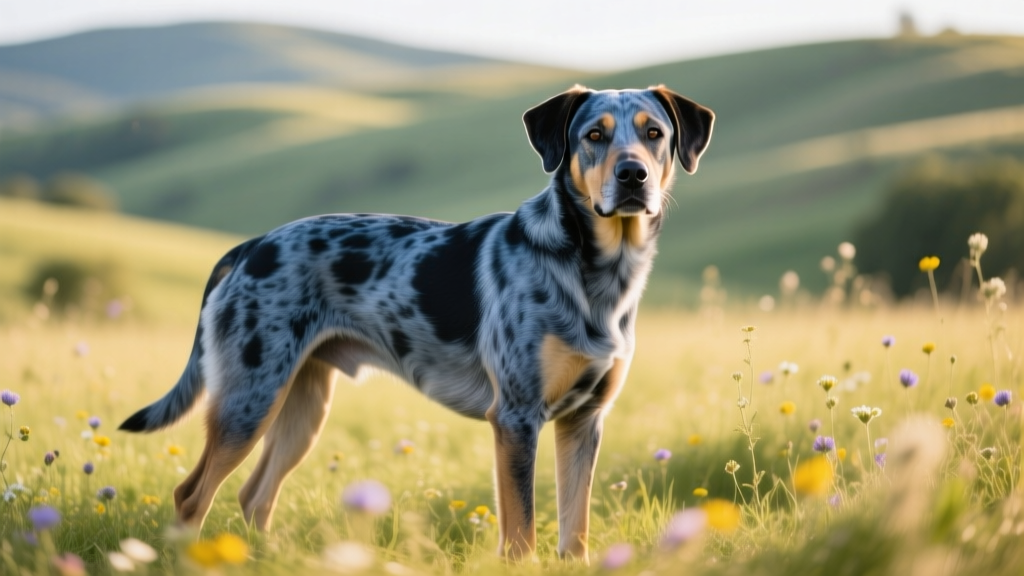
The Catahoula Lab mix dog — sometimes called a Labahoula or Catahoula Labrador Retriever cross — pairs the intense herding instinct and striking appearance of the Louisiana Catahoula Leopard Dog with the outgoing, biddable nature of the Labrador Retriever. The result can be an extraordinarily capable working companion or an overwhelming handful for an unprepared household. Because this is a first-generation or early-generation cross rather than an established breed, individual puppies in the same litter can look, behave, and mature very differently from one another.
This guide breaks down exactly what prospective owners should expect — and what they absolutely shouldn't promise themselves — before bringing a Catahoula Lab mix dog home.
What Two Breeds Make Up the Catahoula Lab Mix?
Understanding each parent breed is essential because any given Catahoula Lab mix puppy may lean heavily toward one parent or land somewhere unpredictable in between.
Louisiana Catahoula Leopard Dog
Recognized by the AKC Foundation Stock Service and designated the state dog of Louisiana, the Catahoula was developed in the Gulf South to herd feral hogs and cattle through dense swampland. These dogs are independent thinkers with a powerful prey drive, territorial instincts, and a work ethic that borders on obsessive. They are intensely loyal to their family but often aloof or suspicious with strangers. Catahoulas are known for their "glass eyes" (pale blue or heterochromia) and their distinctive leopard-spotted or merle coats.
Labrador Retriever
The Labrador Retriever has held the top spot in AKC registrations for decades and is consistently cited by the AKC as one of the most versatile breeds in existence. Labs were originally bred as waterfowl retrievers in Newfoundland and later refined in England. They are typically eager to please, food-motivated, sociable with strangers, and highly trainable. Labs come in three recognized colors (black, yellow, chocolate) and possess a dense, water-resistant double coat.
| Trait | Catahoula Leopard Dog | Labrador Retriever |
|---|---|---|
| AKC Weight Range | 50–95 lb (23–43 kg) | 55–80 lb (25–36 kg) |
| Height at Shoulder | 20–26 in (51–66 cm) | 21.5–24.5 in (55–62 cm) |
| Typical Lifespan | 10–14 years | 11–13 years |
| Energy Level | Very high (working drive) | High (athletic, playful) |
| Stranger Friendliness | Aloof to suspicious | Typically very friendly |
| Prey Drive | Very high (hog/cattle herding) | Moderate (retrieving instinct) |
| Trainability | Independent, requires patience | Highly biddable, eager to please |
| Coat Type | Short, single or double, merle common | Short, dense double coat |
| Shedding | Moderate, seasonal | Heavy, year-round + seasonal blow |
How Big Will a Catahoula Lab Mix Dog Get?
Because both parent breeds overlap considerably in size, the Catahoula Lab mix dog typically falls into the large-breed category. However, the Catahoula's broader weight range (up to 95 lb / 43 kg in some working lines) means some individuals — particularly males — can exceed typical Lab dimensions.
| Category | Weight | Height at Shoulder |
| Small end (female, Lab-leaning) | 50–60 lb (23–27 kg) | 20–22 in (51–56 cm) |
| Average adult | 60–80 lb (27–36 kg) | 22–24 in (56–61 cm) |
| Large end (male, Catahoula-leaning) | 80–95 lb (36–43 kg) | 24–26 in (61–66 cm) |
Puppies typically reach roughly 70% of their adult weight by six months and fill out through 18–24 months. If you know the weight of both parents, a rough midpoint estimate is the most reliable predictor — but a 10–15 lb swing in either direction is normal for crossbreeds.
Coat Types, Colors, and the Shedding Reality
This is where Catahoula Lab mixes become genuinely unpredictable. Here's what you might encounter:
- Short double coat (Lab-dominant): Dense, water-resistant undercoat with a harsher topcoat. Expect heavy year-round shedding with two major seasonal "blows" in spring and fall. This is the most common coat outcome.
- Short single coat (Catahoula-dominant): Sleeker, less undercoat. Moderate shedding but less insulation in cold weather.
- Merle or leopard-patterned coat: The Catahoula's merle gene (M locus) can produce striking patchwork coloring, blue eyes, or heterochromia. Merle is a dominant gene, so even one merle parent can produce merle puppies.
- Solid colors: Black, yellow, chocolate, or combinations inherited from the Lab side.
Is this mix hypoallergenic or low-shedding? No. Neither parent breed carries the low-shedding traits seen in Poodles or similar breeds. A Catahoula Lab mix dog will shed moderately to heavily, and this cross produces enough dander to trigger allergies in sensitive individuals. If low-shedding is a priority, this is not the right mix.
Temperament: What to Expect (and What Might Surprise You)
The temperament of a Catahoula Lab mix dog exists on a spectrum. Littermates can behave like entirely different breeds depending on which parent's genes are more strongly expressed.
| Trait | Lab-Leaning Expression | Catahoula-Leaning Expression | Midpoint (Most Common) |
|---|---|---|---|
| Sociability with strangers | Greets everyone enthusiastically | Watches from a distance, may bark | Polite but reserved initially, warms up |
| Response to training | Eager, food-motivated, fast learner | Questions commands, works independently | Smart but needs motivation and variety |
| Prey drive | Chases squirrels, retrieves balls | Will stalk, chase, and attempt to herd livestock or small animals | Strong chase instinct, manageable with training |
| Protectiveness | Unlikely to guard — may welcome intruders | Territorial, alert-barking, suspicious of newcomers | Alert to unusual activity, not aggressive |
| Tolerance of being alone | Moderate (prone to boredom destruction) | Low (can develop anxiety without a job) | Needs structured alone-time training |
| Compatibility with children | Excellent, gentle, patient | May attempt to herd running children, nipping at heels | Good with older kids who understand boundaries |
| Dog-to-dog sociability | Generally friendly with all dogs | Same-sex aggression possible, selective | Needs early socialization, may prefer familiar dogs |
Best-Case Scenario
You get a dog with the Lab's eagerness to please and social confidence, paired with the Catahoula's intelligence and athleticism. This dog excels at agility, scent work, advanced obedience, or hiking companion roles. They are bonded deeply to their family, good with respectful children, and a joy to train.
Challenging Scenario
You get a dog with the Catahoula's independence and territoriality but the Lab's high energy — without the Lab's biddability. This dog barks at every passerby, tries to herd your children, ignores recall commands when prey drive kicks in, and destroys furniture when under-stimulated. This outcome is not rare, and it's why this mix is not recommended for first-time owners.
Health Considerations: Hybrid Vigor vs. Reality
A common claim in designer dog marketing is that crossbreeds enjoy "hybrid vigor" — the idea that mixing two breeds automatically eliminates genetic health problems. This is misleading. While outcrossing can reduce the incidence of conditions caused by recessive genes common within a single breed's gene pool, a crossbreed can still inherit any condition that either parent breed carries. The Merck Veterinary Manual notes that mixed-breed dogs still develop heritable conditions at meaningful rates.
Here are the specific health conditions to discuss with your veterinarian, drawn from both parent breeds:
Conditions Inherited from the Catahoula Side
- Hip dysplasia: Malformation of the hip joint leading to arthritis. Estimated prevalence in Catahoulas is moderate. OFA (Orthopedic Foundation for Animals) screening of both parents is strongly recommended.
- Deafness: Associated with the merle gene and excessive white pigmentation. Dogs with two copies of the merle gene (double merles) have a significantly higher risk of congenital deafness and eye defects. Responsible breeders never mate two merle dogs together.
- Eye conditions: Including cataracts and progressive retinal atrophy (PRA).
Conditions Inherited from the Lab Side
- Hip and elbow dysplasia: Labrador Retrievers have a well-documented predisposition. According to OFA data, roughly 12% of Labs evaluated show hip dysplasia.
- Exercise-induced collapse (EIC): A genetic condition causing muscle weakness and collapse during intense exercise. A DNA test is available and both parents should be cleared.
- Obesity: Labs are famously food-motivated and prone to weight gain. The Lab-derived POMC gene mutation affects appetite regulation in some lines.
- Gastric dilatation-volvulus (bloat): Large, deep-chested dogs of both breeds are at risk. Know the signs — restlessness, unproductive vomiting, distended abdomen — and seek emergency veterinary care immediately if they appear.
Recommended Health Screening
Ask any breeder for documentation of the following tests on both parent dogs:
- OFA or PennHIP hip evaluation
- OFA elbow evaluation
- EIC DNA test (Lab parent)
- CERF or OFA eye examination (both parents)
- BAER hearing test (especially if merle parent)
Always consult your veterinarian about an appropriate screening and preventive care schedule for your individual dog, including maintaining a lean body condition score (BCS of 4–5 out of 9) to reduce joint stress.
Exercise, Training, and Mental Stimulation
A Catahoula Lab mix dog typically needs 90–120 minutes of structured activity per day. A quick walk around the block will not suffice. Here's what works:
- Physical exercise: Two 30–45 minute brisk walks or runs daily, plus off-leash time in a secure area if recall is reliable. Swimming is ideal — both parent breeds tend to enjoy water.
- Mental stimulation: Puzzle feeders (Kong Classic stuffed with frozen peanut butter, Outward Hound Nina Ottosson puzzles), scent work games, or structured training sessions of 15–20 minutes.
- Job-oriented activities: Herding trials (if Catahoula drive is strong), dock diving, agility, barn hunt, or advanced obedience. These dogs thrive when they have a purpose.
Training should use positive reinforcement and force-free methods exclusively. Catahoula-influenced dogs shut down under harsh corrections and may become defensively aggressive. Use high-value treats (freeze-dried liver, small pieces of chicken), keep sessions short and varied, and prioritize recall training from puppyhood — a Catahoula Lab mix with a strong prey drive and unreliable recall is a safety risk off-leash.
Generations: F1, F1B, and What They Mean for This Mix
Generation terminology matters for predictability:
- F1 (First generation): One purebred Catahoula × one purebred Labrador Retriever. These puppies show the widest variation — some look and act like Labs, others like Catahoulas, and most land somewhere in between. The vast majority of Catahoula Lab mixes on the market are F1.
- F1B (Backcross): An F1 Catahoula Lab mix bred back to one of the parent breeds (usually the Lab). This produces puppies that lean more heavily toward the backcross parent. An F1B to Lab will typically be more Lab-like in temperament and appearance.
- F2 (Second generation): Two F1 Catahoula Lab mixes bred together. Trait variation remains wide. F2 breedings are uncommon for this particular cross.
- Multigen: Multiple generations of Catahoula Lab mix bred to other Catahoula Lab mixes. This is extremely rare — there is no established breed club or standard for multigen Labahoulas, and most breeders do not pursue this line.
Unlike Poodle-based designer breeds (Labradoodles, Goldendoodles), the Catahoula Lab mix does not have a large multigen breeding community. Most available puppies will be F1 crosses, and predictability should not be expected.
Cost: What You'll Pay for a Catahoula Lab Mix Dog
Because this is not a heavily commercialized designer breed like the Labradoodle or Goldendoodle, pricing tends to be more moderate — but it varies significantly depending on the source.
| Source | Typical Cost | Notes |
|---|---|---|
| Responsible breeder (health-tested parents, OFA/EIC/CERF documentation) | $800–$1,500 | May require application, waitlist, and spay/neuter contract. Often found in Southern US states. |
| Casual/backyard breeder | $300–$600 | Little to no health testing. Higher risk of inherited conditions. Proceed with caution. |
| Rescue or shelter adoption | $50–$350 | Catahoula mixes are common in Southern shelters. Petfinder and Adopt-a-Pet list available dogs. Mixed-breed adults from rescues may already show their mature temperament. |
First-Year Budget Estimate
Beyond the purchase or adoption price, plan for:
- Veterinary care (vaccines, spay/neuter, heartworm prevention): $600–$1,200
- High-quality food (large-breed formula, ~4 cups/day): $480–$720/year
- Training classes (group obedience + possible behavior consult): $200–$600
- Supplies (crate, leash, harness, puzzle toys, grooming tools): $250–$450
- Pet insurance (recommended for large breeds): $40–$80/month
Total first-year cost: approximately $2,500–$4,500 including the dog itself.
Who Is the Catahoula Lab Mix Dog Best Suited For?
This cross is not a plug-and-play family pet. It works best in specific situations:
- Active individuals or couples who hike, run, or spend significant time outdoors and want a dog that can keep up all day.
- Experienced dog owners who understand canine body language, have managed high-drive dogs before, and are comfortable with a dog that may not be universally friendly.
- Rural or suburban homes with secure, tall fencing (minimum 6 feet — Catahoulas are athletic jumpers and climbers). This is not an apartment-friendly mix.
- Families with older children (ideally 10+) who can participate in the dog's exercise and training routine and who understand not to run and scream around a dog with potential herding instincts.
- People interested in dog sports — agility, herding, nose work, or dock diving — who want a versatile athletic partner.
This mix is a poor fit for: first-time dog owners, families with toddlers or infants, apartment dwellers, people who work long hours away from home without a dog-walking or daycare plan, or anyone seeking a low-energy couch companion.
Frequently Asked Questions
What two breeds make up the Catahoula Lab mix dog?
The Louisiana Catahoula Leopard Dog and the Labrador Retriever. Both are American working breeds, but they were developed for very different purposes — the Catahoula for herding and catching feral hogs, and the Lab for retrieving waterfowl.
How big will a Catahoula Lab mix get?
Most adults weigh between 60–80 lb (27–36 kg) and stand 22–24 inches (56–61 cm) at the shoulder. However, individuals can range from 50 lb to 95 lb (23–43 kg) depending on which parent they favor and the size of the specific parent dogs.
What will the temperament be like?
Unpredictable on an individual basis. The best outcome is an intelligent, athletic dog with the Lab's friendliness and the Catahoula's sharp mind. The challenging outcome is a dog with high prey drive, territorial instincts, and independence that makes training difficult. Early socialization (before 16 weeks) and consistent positive-reinforcement training are essential regardless of which direction the puppy leans.
Is the Catahoula Lab mix hypoallergenic or low-shedding?
No. Neither parent breed is low-shedding. Expect moderate to heavy shedding year-round with seasonal increases. Regular brushing with an undercoat rake will help manage loose fur, but this cross is not suitable for households with dog allergies.
What health issues might this mix inherit?
Key concerns include hip dysplasia (from both parents), exercise-induced collapse (from the Lab side), congenital deafness (from the Catahoula merle gene), eye conditions including cataracts and PRA, and gastric dilatation-volvulus (bloat). Ask breeders for OFA hip/elbow certifications, EIC DNA test results, and CERF eye clearances on both parents. Always consult your veterinarian for a personalized preventive health plan.
How much does a Catahoula Lab mix cost?
From a responsible breeder with health-tested parents, expect to pay $800–$1,500. Rescue adoptions typically cost $50–$350. First-year total ownership costs (including vet care, food, training, and supplies) generally range from $2,500 to $4,500.
Can Catahoula Lab mixes live with cats or small animals?
It depends entirely on the individual dog's prey drive, which is impossible to guarantee in a crossbreed. Catahoulas were bred to chase and catch livestock and feral hogs, and this instinct can extend to cats, rabbits, or chickens. Early introduction and careful management are critical, but many Catahoula-influenced dogs are never safe off-leash around small animals.
Are Catahoula Lab mixes good guard dogs?
They can be effective watchdogs — alert-barking at unusual activity is common, especially in Catahoula-leaning individuals. However, they are not typically suited for formal protection work. Lab-leaning dogs may be too friendly with strangers, and Catahoula-leaning dogs may become overly territorial without proper training. Professional guidance from a certified positive-reinforcement trainer is recommended if territorial behavior becomes problematic.
Priya Sutaria
All our authors care for dogs every day — read more of their work on the authors page.


