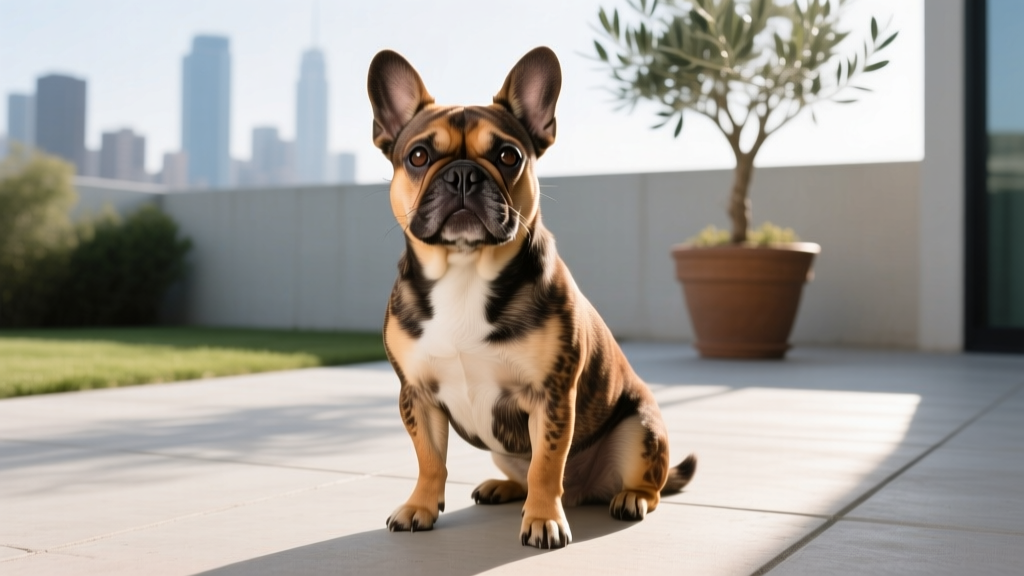
Pit Labrador Mix: Complete Guide to the Pitbull Lab Mix Breed
Everything you need to know about the pit labrador mix: size, temperament, health risks, coat types, costs.

The pit labrador mix — commonly called the Pit Lab, Labrabull, or Pitbull Lab Mix — is one of the most recognizable designer crosses in American shelters and backyards alike. Combining the athleticism and loyalty of the American Pit Bull Terrier with the famously friendly, retrieve-driven Labrador Retriever, this cross produces a dog that is muscular, energetic, and deeply bonded to its people. But because mixed-breed dogs inherit traits unpredictably, no two pit labrador mixes look or behave exactly the same.
This guide breaks down the parent breeds, the realistic range of traits you might see, the health conditions worth screening for, and the actual costs of ownership — so you can decide whether this high-energy, people-oriented mix is the right fit for your household.
Parent Breed Breakdown: American Pit Bull Terrier Meets Labrador Retriever
Understanding a pit labrador mix starts with understanding its parents. These two breeds are among the most popular in the United States, but they were developed for very different purposes.
| Trait | American Pit Bull Terrier | Labrador Retriever |
|---|---|---|
| AKC/UKC Recognition | UKC recognized (1898); not AKC recognized as "Pit Bull" (the AKC recognizes the American Staffordshire Terrier) | AKC recognized (1917); consistently #1 or #2 most popular breed in the US |
| Original Purpose | Bull-baiting, later farm work and companionship | Waterfowl retrieving for hunters in Newfoundland, Canada |
| Weight Range | 30–65 lb (14–29 kg) | 55–80 lb (25–36 kg) |
| Height at Shoulder | 17–21 in (43–53 cm) | 21.5–24.5 in (55–62 cm) |
| Coat Type | Short, smooth, single coat | Short, dense, double coat with water-resistant undercoat |
| Energy Level | High — needs 60–90 minutes of vigorous activity daily | High — needs 60–90+ minutes, especially swimming and retrieving |
| Typical Lifespan | 12–16 years | 10–12 years |
| Key Temperament Traits | Loyal, confident, dog-selective, strong prey drive in some lines | Friendly, eager to please, highly food-motivated, generally dog-social |
The American Pit Bull Terrier brings tenacity, muscular build, and a deep bond with family. The Labrador Retriever brings sociability, trainability, and a soft mouth bred for carrying game without damage. In combination, you often get a dog that is physically powerful yet eager to engage with its handler — but the exact blend varies significantly between individuals.
Generations Explained: F1, F1B, and Beyond
What do generation labels mean for a pit labrador mix?
- F1 (First Generation): One parent is a purebred Pit Bull, the other is a purebred Labrador. This is the most common type of pit lab mix, especially in shelters. Traits are the most unpredictable — one puppy in the litter might look nearly all Lab, another nearly all Pit Bull.
- F1B (First Generation Backcross): An F1 pit lab mix bred back to one of the parent breeds (usually a Labrador). This is rare for this particular cross and more commonly seen in doodle breeds. It can produce slightly more predictable traits leaning toward the backcrossed parent.
- F2 (Second Generation): Two F1 pit lab mixes bred together. Trait variability actually increases in F2 litters because recessive genes from both parent breeds can surface in unexpected combinations.
- Multigen (F3+): Multiple generations of pit lab mix bred to pit lab mix. Extremely uncommon — this cross is rarely bred intentionally beyond F1, and most pit lab mixes you encounter will be F1 or shelter dogs of unknown generational lineage.
Practical takeaway: Unlike Goldendoodles or Labradoodles, the pit labrador mix is almost always an F1 cross or an accidental/shelter mix. If a breeder advertises "multigen Pit Labs," ask detailed questions about health testing and breeding goals, as intentional multigen programs for this cross are virtually nonexistent among reputable breeders.
How Big Will a Pit Labrador Mix Get?
Because the parent breeds differ in size, a pit labrador mix can fall anywhere in a fairly wide range. The puppy's adult size depends on which parent's genes are more dominant, the specific size of each parent, and nutrition during growth.
| Measurement | Low End (Pit Bull-Leaning) | High End (Lab-Leaning) | Typical Range |
|---|---|---|---|
| Adult Weight | 35 lb (16 kg) | 80 lb (36 kg) | 45–70 lb (20–32 kg) |
| Adult Height at Shoulder | 17 in (43 cm) | 24 in (61 cm) | 19–22 in (48–56 cm) |
| Body Build | Compact, muscular, broad-chested | Athletic, slightly longer, deep-chested | Medium-to-large, muscular, well-proportioned |
Growth timeline: Most pit labrador mixes reach close to their adult height by 12–14 months but continue filling out in chest and muscle mass until 18–24 months. Avoid overfeeding during growth — a body condition score (BCS) of 4–5 out of 9 is ideal for a growing puppy of this type, as excess weight stresses developing joints.
Coat Types, Shedding, and Grooming Needs
Neither parent breed is hypoallergenic. A pit labrador mix is not a low-shedding or hypoallergenic dog. Here's what to expect from the coat:
- Pit Bull-dominant coat: Very short, smooth, single-layered. Minimal shedding year-round with occasional seasonal uptick. Easy to maintain with weekly brushing using a rubber grooming mitt.
- Labrador-dominant coat: Short but dense double coat with a soft, water-resistant undercoat. Moderate shedding year-round with heavy seasonal "blowing" of the undercoat in spring and fall. Requires brushing 2–3 times per week with an undercoat rake or deshedding tool like the Furminator.
- Blended coat (most common): Short-to-medium length, slightly denser than a Pit Bull's but not as thick as a Lab's. Moderate, consistent shedding. Weekly brushing with a bristle brush is usually sufficient.
Grooming cost estimate: Pit lab mixes are low-maintenance groomers. Budget $0–$15/month for brushes, shampoo, and nail trims if you handle grooming at home. Professional grooming is rarely needed unless you prefer it — expect $40–$65 per session if you do.
Temperament Range: Best-Case and Challenging Scenarios
Temperament is where the unpredictability of mixed breeds becomes most apparent. A pit labrador mix can inherit any combination of traits from either parent, and early socialization plays an enormous role in shaping the adult dog.
| Trait | Best-Case Expression | Challenging Expression | What Influences It |
|---|---|---|---|
| Sociability with People | Extremely friendly, greets everyone warmly (Lab-like) | Reserved with strangers, bonds intensely to one person (some Pit Bull lines) | Genetics + early socialization (8–16 weeks critical window) |
| Dog-Dog Interactions | Plays well with all sizes and breeds | Dog-selective or same-sex aggressive (common in terrier-type breeds) | Genetics + socialization + whether spayed/neutered |
| Energy & Drive | Enthusiastic about exercise, settles well at home | Destructive if under-exercised, mouthy, unable to settle | Exercise fulfillment + mental stimulation + genetics |
| Trainability | Eager to work, responds to food and praise (Lab influence) | Stubborn streak, slower to comply without strong motivation (terrier influence) | Training method (positive reinforcement works best) + food drive |
| Prey Drive | Low — can coexist with cats and small animals | High — chases squirrels, cats, livestock; may not be safe with small pets | Genetics (terrier prey drive is strong in some Pit Bull lines) |
| Separation Anxiety Risk | Comfortable alone for reasonable periods | Highly distressed when left alone — barking, destruction, self-injury | Both parent breeds are people-oriented; lack of alone-time training increases risk |
Training note: Force-free, positive reinforcement methods are the gold standard for this mix. Both parent breeds are sensitive to harsh correction — Pit Bulls can shut down, and Labs can become hand-shy. Use high-value treats (freeze-dried liver, chicken), a front-clip harness like the Ruffwear Front Range for leash training, and keep sessions to 10–15 minutes. If you're dealing with leash reactivity or resource guarding, consult a certified professional dog trainer (CPDT-KA or IAABC-certified) rather than attempting correction-based methods.
Health Considerations: Hybrid Vigor vs. Reality
Let's address a common misconception directly: hybrid vigor does not guarantee a healthier dog. The concept of heterosis (hybrid vigor) is real in livestock breeding, where crossing two inbred lines produces offspring with improved traits. However, as the Merck Veterinary Manual explains, mixed-breed dogs can still inherit any genetic condition present in either parent breed. What mixed breeding may reduce is the probability of inheriting recessive conditions that require two copies of a defective gene — but it does not eliminate risk.
Conditions to Screen For
| Health Condition | Inherited From | Prevalence | Screening Method | Estimated Treatment Cost |
|---|---|---|---|---|
| Hip Dysplasia | Both breeds (especially Labradors) | ~12% of Labradors screened by OFA are dysplastic | OFA or PennHIP radiographs | $1,500–$6,000 per hip (surgical) |
| Elbow Dysplasia | Both breeds | ~7% of Labradors screened by OFA | OFA elbow radiographs | $1,500–$4,000 (surgical) |
| Exercise-Induced Collapse (EIC) | Labrador (recessive gene) | ~30–40% of Labs are carriers; ~5% affected | DNA test (UC Davis VGL or Animal Genetics) | Management only — avoid trigger activities |
| Allergies (Atopic Dermatitis) | Both breeds (Pit Bulls especially prone) | Estimated 15–20% of Pit Bull-type dogs | Veterinary dermatology assessment, allergy testing | $200–$500/year ongoing (medications, shampoos) |
| Heart Disease (Aortic Stenosis) | Labrador | Less common but documented | Cardiac exam + echocardiogram | $500–$2,000 diagnostics; $200–$500/year medications |
| Demodectic Mange | Pit Bull (genetic immune susceptibility) | Higher in Pit Bull-type breeds than general population | Skin scraping by veterinarian | $200–$800 treatment course |
| Cataracts | Both breeds | Variable; hereditary cataracts documented in both | CERF/OFA ophthalmologist exam | $1,500–$4,000 per eye (surgical) |
If buying from a breeder: Request proof that both parent dogs have been health-tested. At minimum, ask for OFA hip and elbow scores, an EIC DNA test result (clear or carrier, not affected), and a current CERF eye exam. A responsible breeder will provide these willingly. If adopting from a shelter, ask about any known health history and schedule a comprehensive veterinary exam within the first two weeks.
Consult your veterinarian about establishing a preventive care plan, including heartworm testing and year-round prevention (both parent breeds are active outdoors and at risk), flea/tick control, and a vaccination schedule appropriate for your dog's lifestyle and local disease prevalence.
Cost of Ownership: Purchase Price and Annual Budget
Acquisition Cost
| Source | Typical Cost | Notes |
|---|---|---|
| Animal Shelter / Rescue | $50–$350 | Often includes spay/neuter, initial vaccines, microchip. Pit lab mixes are very common in shelters — check Petfinder for listings near you. |
| Breed-Specific Rescue (Pit Bull or Lab rescues) | $200–$500 | May include behavioral assessment, veterinary care, and foster history. |
| Responsible Breeder (rare for this cross) | $500–$1,500 | Should include health testing of parents, early socialization, and a take-back clause. Be cautious — intentional breeding of this mix by established, health-testing breeders is uncommon. |
| Backyard Breeder / Online Listing | $200–$800 | High risk: no health testing, no genetic screening, no take-back guarantee. Not recommended. |
First-Year Estimated Costs
- Acquisition: $50–$1,500 (depending on source)
- Initial veterinary exam + vaccines: $200–$500
- Spay/neuter (if not included): $200–$600
- Supplies (crate, bed, leash, harness, bowls, toys): $200–$450
- Food (high-quality kibble, 45–70 lb dog): $40–$80/month = $480–$960/year
- Heartworm + flea/tick prevention: $15–$40/month = $180–$480/year
- Training (group classes or private sessions): $150–$600
- Pet insurance (optional but recommended): $35–$70/month = $420–$840/year
Total first-year estimate: $1,880–$5,930, depending heavily on acquisition source, your location, and whether you invest in insurance and professional training.
Ongoing annual cost after year one: Approximately $1,200–$3,000/year for food, preventive medications, routine vet care, and supplies. Emergency veterinary visits are not included — a single ER visit can cost $500–$5,000+, which is why pet insurance or a dedicated emergency fund is strongly recommended.
Breed-Specific Legislation: Know Your Local Laws
Because the pit labrador mix often physically resembles a Pit Bull — particularly if it inherits the broad head, muscular neck, and stocky build of the APBT parent — it may fall under breed-specific legislation (BSL) in certain jurisdictions. As of 2026, BSL exists in various forms across US municipalities, military housing (DoD bans Pit Bull-type dogs on most bases), and some rental properties and HOAs.
Before adopting or purchasing a pit labrador mix:
- Check your city and county ordinances for breed restrictions
- Verify your homeowner's insurance or renter's insurance policy — some carriers exclude Pit Bull-type dogs or charge higher premiums
- If renting, confirm with your landlord that pit bull-type mixes are permitted
- Consider DNA testing (Embark or Wisdom Panel, $80–$200) if breed identification matters for your housing situation — though results may or may not help with BSL enforcement, which is often based on visual identification
Who Is the Pit Labrador Mix Best Suited For?
Ideal household profile:
- Activity level: Active — this dog needs 60–90 minutes of vigorous exercise daily. Hiking, running, swimming, fetch, and agility are all excellent outlets.
- Experience level: Intermediate to experienced owners are best. First-time owners can succeed with this mix if they commit to puppy classes, socialization, and consistent positive reinforcement training.
- Family composition: Generally good with children when properly socialized, especially the Lab-influenced individuals. However, the muscular build and exuberant energy mean small children can be accidentally knocked over — supervise all interactions. Cat and small-pet compatibility depends entirely on the individual dog's prey drive.
- Living situation: A house with a securely fenced yard is ideal. Apartment living is possible but requires a serious commitment to daily outdoor exercise. A tired pit lab mix is a well-behaved pit lab mix.
- Time commitment: This is not a dog that does well left alone for 10+ hours daily. Both parent breeds are people-oriented and prone to separation distress. Plan for doggy daycare, a dog walker, or a schedule that allows midday interaction.
This mix may not be the right fit if:
- You want a low-energy lap dog
- You have cats or small animals and the dog shows high prey drive
- Your housing situation restricts pit bull-type dogs and your mix visually resembles one
- You cannot commit to 60+ minutes of daily exercise
- You prefer a dog that is naturally aloof or independent
Frequently Asked Questions
What two breeds make up a pit labrador mix?
A pit labrador mix is a cross between an American Pit Bull Terrier (or a related pit bull-type breed such as the American Staffordshire Terrier) and a Labrador Retriever. The specific "pit bull" parent can vary since "pit bull" is often used as an umbrella term for several related breeds. Most commonly, it's the APBT or AmStaff crossed with a Labrador.
How big will my pit labrador mix get?
Adult pit labrador mixes typically weigh between 45 and 70 lb (20–32 kg) and stand 19–22 inches (48–56 cm) at the shoulder. However, the range can extend from as small as 35 lb to as large as 80 lb depending on which parent's size genes are dominant. By 6 months of age, you can estimate adult weight by doubling the puppy's current weight, though this is only approximate.
What will the temperament of a pit labrador mix be like?
Temperament varies widely. The best-case scenario is a friendly, trainable, people-loving dog that combines the Lab's sociability with the Pit Bull's loyalty and confidence. More challenging expressions include dog-selectiveness, high prey drive, stubbornness, or separation anxiety. Early socialization (especially between 8 and 16 weeks), consistent positive reinforcement training, and meeting the dog's exercise needs are the biggest factors in shaping a well-adjusted adult.
Is the pit labrador mix hypoallergenic or low-shedding?
No. Neither parent breed is hypoallergenic. The Labrador Retriever has a dense double coat that sheds moderately year-round and heavily during seasonal changes. The Pit Bull has a short single coat that sheds less but still contributes. A pit labrador mix will shed at least moderately, and may shed heavily if it inherits the Lab's double coat. If you have dog allergies, this is not a suitable mix.
What health issues might a pit labrador mix inherit?
The most significant inherited risks are hip dysplasia, elbow dysplasia, allergies (especially skin allergies from the Pit Bull side), exercise-induced collapse (from the Lab side), and eye conditions such as cataracts. Demodectic mange susceptibility is also more common in pit bull-type dogs. Health testing of both parent dogs — including OFA hip/elbow scores, EIC DNA testing, and CERF eye exams — significantly reduces but does not eliminate these risks.
How much does a pit labrador mix cost?
Acquisition costs range from $50–$350 at a shelter to $500–$1,500 from a breeder (though responsible breeders rarely produce this cross intentionally). First-year total costs including food, veterinary care, supplies, and training typically range from $1,880 to $5,930. Ongoing annual costs are approximately $1,200–$3,000.
Are pit labrador mixes good family dogs?
They can be excellent family dogs for active households that understand both parent breeds. The Lab influence typically brings patience and gentleness with children, while the Pit Bull influence brings loyalty and protectiveness. However, their size and energy mean interactions with young children should always be supervised, and the family must be prepared to meet the dog's substantial exercise and mental stimulation needs.
What is the lifespan of a pit labrador mix?
Most pit labrador mixes live 10–14 years. The Pit Bull parent breed tends toward a longer lifespan (12–16 years), while the Labrador averages 10–12 years. Maintaining a healthy weight, providing regular exercise, keeping up with preventive veterinary care, and feeding a nutritionally complete diet (look for the AAFCO statement of nutritional adequacy on your dog food) all contribute to longevity.
This article is for informational purposes and does not replace professional veterinary advice. Always consult your veterinarian for health decisions specific to your dog. If you suspect your dog has ingested a toxic substance, contact the ASPCA Animal Poison Control Center at (888) 426-4435 (24/7, consultation fee applies) or the Pet Poison Helpline at (855) 764-7661 immediately.
Anouk Beaumont
All our authors care for dogs every day — read more of their work on the authors page.