French Bulldog Chihuahua Mix: The Complete French Bullhuahua Guide
Everything about the French Bulldog Chihuahua mix: size, temperament, health risks, cost, and whether this designer hybrid fits your household.
What Is a French Bulldog Chihuahua Mix?
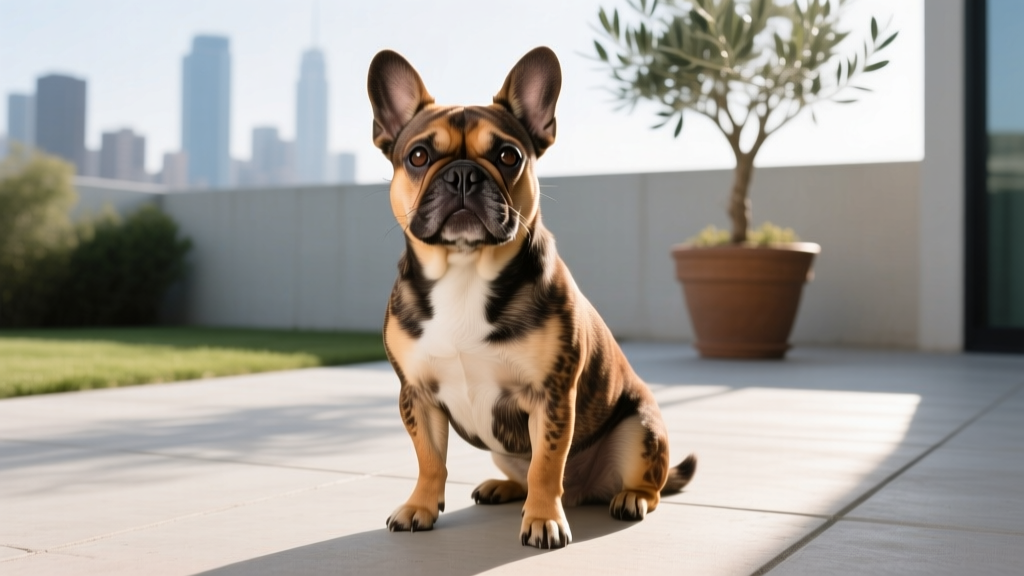
The French Bulldog Chihuahua mix — often called the French Bullhuahua or French Bullhuahua — is a designer cross between a purebred French Bulldog and a purebred Chihuahua. This small hybrid typically weighs between 10 and 28 pounds and stands 8 to 15 inches tall at the shoulder, though individual variation is significant. Because both parent breeds are compact companion dogs, the offspring tend to stay firmly in the small-dog category, but predicting exactly which traits a given puppy will inherit is impossible.
The French Bullhuahua is not recognized by the American Kennel Club (AKC) as a standalone breed, but designer hybrids like this one may be registered with organizations such as the American Canine Hybrid Club (ACHC) or the Designer Breed Registry (DBR). Registration with these bodies provides pedigree documentation but does not confer the same breed-standard guarantees that AKC registration does for purebreds.
If you're researching this mix, you're likely drawn to the idea of a compact, apartment-friendly companion with the French Bulldog's easygoing personality and the Chihuahua's spirited charm. That combination can absolutely exist — but it can also produce a dog with brachycephalic breathing challenges, stubborn streaks, and a strong attachment to a single person. Let's break down what you can realistically expect.
Parent Breed Breakdown: French Bulldog vs. Chihuahua
Understanding the French Bullhuahua starts with understanding its parent breeds. Each brings a distinct set of physical and behavioral traits to the table, and the mix inherits a blend that varies from puppy to puppy, even within the same litter.
| Trait | French Bulldog | Chihuahua |
|---|---|---|
| AKC Group | Non-Sporting | Toy |
| Weight Range | 16–28 lb (7–13 kg) | 2–6 lb (1–3 kg) |
| Height | 11–13 in (28–33 cm) | 5–8 in (13–20 cm) |
| Lifespan | 10–12 years | 14–16 years |
| Skull Shape | Brachycephalic (flat-faced) | Mesocephalic to slightly brachycephalic (apple head) or dolichocephalic (deer head) |
| Coat | Short, smooth, fine | Short smooth or long coat |
| Energy Level | Low to moderate | Moderate to high (for a small dog) |
| Trainability | Moderate — can be stubborn | Moderate — intelligent but willful |
| Barking Level | Low to moderate | High — alert barker |
| Shedding | Low to moderate | Low (smooth) to moderate (long coat) |
The French Bulldog contributes a stocky, muscular build, bat-like ears, and a generally laid-back demeanor. The Chihuahua brings a tiny frame, large expressive eyes, boldness disproportionate to its size, and a tendency to bond intensely with one person. A French Bullhuahua can land anywhere on the spectrum between these two profiles.
Generations Explained: F1, F1B, F2, and Multigen
- F1 (First Generation): 50% French Bulldog × 50% Chihuahua. This is the most common and generally healthiest cross, as it maximizes genetic diversity between two unrelated breed lines. Trait predictability is lowest at this generation.
- F1B (First Generation Backcross): An F1 French Bullhuahua bred back to one of the parent breeds (usually the French Bulldog for a stockier build, or the Chihuahua for a smaller size). Results in a 75/25 genetic split. Slightly more predictable in appearance but reduces hybrid genetic diversity.
- F2 (Second Generation): Two F1 French Bullhuahuas bred together. Produces the widest variation in traits within a single litter — some puppies may look almost entirely French Bulldog, others nearly Chihuahua. Not commonly bred intentionally.
- Multigen (F3+): French Bullhuahuas bred to French Bullhuahuas over multiple generations. Rare for this particular mix. Would theoretically produce more consistent offspring, but the gene pool is too small for this to be a common breeding practice.
For most prospective owners, an F1 cross from a reputable breeder who health-tests both parent dogs is the best option. The F1 generation maximizes hybrid vigor — the tendency for crossbred offspring to benefit from a wider gene pool. However, hybrid vigor is not a magic shield against all inherited conditions, as we'll discuss in the health section below.
Size, Weight, and Physical Appearance
One of the most common questions about the French Bulldog Chihuahua mix is: how big will it get? The honest answer is that the range is wide, because the parent breeds differ significantly in size.
| Size Category | Weight | Height at Shoulder | Likely Genetic Influence |
|---|---|---|---|
| Small end | 10–15 lb (4.5–7 kg) | 8–11 in (20–28 cm) | Stronger Chihuahua influence |
| Average / Mid-range | 15–22 lb (7–10 kg) | 10–13 in (25–33 cm) | Balanced blend of both parents |
| Larger end | 22–28 lb (10–13 kg) | 12–15 in (30–38 cm) | Stronger French Bulldog influence |
Most French Bullhuahuas land in the 15–22 pound range, making them noticeably larger than a Chihuahua but smaller and lighter than a typical French Bulldog. Body structure varies considerably: some individuals inherit the Frenchie's barrel chest and short legs, while others have the Chihuahua's more slender, fine-boned frame. Ear shape is another variable — bat ears (Frenchie) and erect, slightly flared ears (Chihuahua) are both common, and some pups end up with semi-pricked or rose ears.
Coat color possibilities include brindle, fawn, cream, black, chocolate, blue (dilute black), and various combinations with white markings. The coat is almost always short and smooth, as both parent breeds typically carry short-coat genes. If the Chihuahua parent is a long-coat variety, there's a chance of a slightly longer, softer coat in the offspring, but this is uncommon.
Temperament: Predictable Traits vs. Wild Cards
Temperament in mixed breeds is where the phrase "it depends" applies most heavily. Even puppies from the same litter can develop markedly different personalities. That said, certain patterns emerge based on the parent breeds' behavioral profiles.
Best-Case Temperament Scenario
A well-socialized French Bullhuahua inherits the Frenchie's affectionate, easygoing nature and the Chihuahua's alertness and intelligence. The result is a dog that is:
- Devoted and affectionate with family members
- Playful without being hyperactive — typically satisfied with 30–45 minutes of daily activity
- Alert and likely to bark at doorbells or strangers, but not excessively yappy
- Adaptable to apartment living and small spaces
- Good with respectful older children when properly socialized
- Amusing and expressive — both parent breeds are known for their entertaining personalities
Challenging Temperament Scenarios
Less ideal outcomes can include:
- One-person bonding: Chihuahuas are notorious for attaching to a single human and being aloof or even snippy with others. A French Bullhuahua that leans heavily toward this trait may not be the best fit for a multi-person household or one with frequent visitors.
- Stubbornness: Both French Bulldogs and Chihuahuas rank lower on obedience intelligence scales — not because they lack intelligence, but because they lack motivation to comply. Training requires patience, high-value treats, and short, engaging sessions using positive reinforcement methods.
- Reactivity: Small dogs that feel vulnerable may develop fear-based reactivity toward larger dogs or unfamiliar people. Early and ongoing socialization is critical.
- Separation anxiety: Both parent breeds are companion dogs that thrive on human presence. A French Bullhuahua left alone for 8+ hours daily is a prime candidate for destructive behavior and distress barking.
Early socialization — exposure to varied people, dogs, sounds, surfaces, and environments between 8 and 16 weeks of age — is the single most impactful thing you can do to shape a stable temperament. The AVMA recommends structured socialization beginning as soon as your puppy has received initial vaccinations.
Coat, Shedding, and Grooming Needs
Is the French Bulldog Chihuahua Mix Hypoallergenic?
No. Neither the French Bulldog nor the Chihuahua is a hypoallergenic breed, and their cross is not hypoallergenic either. While both breeds shed relatively little compared to heavy-shedding breeds like Huskies or German Shepherds, they do produce dander and shed year-round at low to moderate levels.
If you have dog allergies, spending time with a French Bullhuahua before committing is essential. Allergen production varies between individual dogs, but no dog is truly hypoallergenic — the allergens come from dander (dead skin flakes), saliva, and urine, not just hair.
Grooming Routine
For the typical short-coated French Bullhuahua, grooming is straightforward:
- Brushing: Once or twice weekly with a rubber grooming mitt or soft-bristle brush to remove loose hair and distribute skin oils.
- Bathing: Every 4–8 weeks or as needed. Use a dog-specific, pH-balanced shampoo (dog skin pH is 6.2–7.4, more neutral than human skin).
- Facial wrinkles: If your dog inherits the Frenchie's wrinkled face, clean the folds daily or every other day with a damp cloth or veterinary-recommended wr wipe to prevent yeast and bacterial infections (intertrigo).
- Nail trimming: Every 2–4 weeks. Small dogs often don't wear nails down sufficiently on indoor surfaces.
- Ear cleaning: Both parent breeds have prominent, upright ears. Check weekly and clean with a veterinarian-approved ear cleanser if you see wax buildup or debris.
- Dental care: Small breeds are disproportionately prone to periodontal disease. Daily tooth brushing with enzymatic dog toothpaste is ideal; at minimum, aim for 3–4 times per week and schedule professional dental cleanings as recommended by your vet.
Health Considerations: Hybrid Vigor Myth vs. Reality
One of the most persistent claims about designer dogs is that hybrid vigor eliminates all inherited health problems. This is a myth that deserves direct debunking.
Hybrid vigor (heterosis) is a real genetic phenomenon. Crossbred dogs do tend to have lower rates of certain recessive inherited disorders compared to purebreds, because the wider gene pool reduces the probability that two copies of a harmful recessive gene will pair up. A study published in the Journal of Veterinary Internal Medicine found that mixed-breed dogs had a lower overall prevalence of several inherited conditions compared to purebreds.
However, hybrid vigor does not mean:
- Freedom from structural conditions that affect both parent breeds (like brachycephalic airway syndrome, which is driven by skull shape, not recessive genes)
- Immunity from dominant or polygenic conditions (conditions controlled by multiple genes, such as hip dysplasia)
- Guaranteed longevity beyond the parent breeds' typical lifespans
Health Conditions to Watch For
Because the French Bullhuahua inherits genes from both parent breeds, it can potentially develop any condition associated with either breed. Here are the most significant risks:
| Condition | Inherited From | Description | Estimated Prevalence / Risk |
|---|---|---|---|
| Brachycephalic Obstructive Airway Syndrome (BOAS) | French Bulldog (primarily) | Narrowed nostrils, elongated soft palate, and compressed airway structures that cause breathing difficulty, snoring, exercise intolerance, and heat sensitivity. BOAS is a structural condition, not a recessive genetic disorder — any dog with a short muzzle can be affected. | High if the puppy inherits a flat face; estimated 50%+ of French Bulldogs are affected to some degree |
| Patellar Luxation | Both breeds | The kneecap (patella) slides out of its groove, causing intermittent skipping or lameness. Common in small breeds. Graded I–IV; grades III–IV may require surgery. | Moderate — common in both Chihuahuas and French Bulldogs |
| Dental Disease (Periodontal) | Both breeds (especially Chihuahua) | Small mouths crowd teeth, accelerating plaque buildup, gingivitis, and tooth loss. By age 3, an estimated 80% of small-breed dogs show signs of periodontal disease. | Very high in small breeds without proactive dental care |
| Interverertebral Disc Disease (IVDD) | French Bulldog | Degeneration or herniation of spinal discs, causing pain, nerve damage, or paralysis. French Bulldogs are among the most predisposed breeds due to their chondrodystrophic (short-legged, cartilage-affected) build. | Moderate — French Bulldogs have a breed-specific risk of approximately 1 in 40 to 1 in 50 |
| Hypoglycemia | Chihuahua (especially as puppies) | Dangerously low blood sugar, most common in very small puppies and toy breeds. Can cause lethargy, weakness, seizures, or collapse. Requires immediate veterinary attention. | Moderate in puppies on the smaller end of the mix |
| Allergies (Environmental and Food) | French Bulldog (primarily) | Atopic dermatitis, itchy skin, ear infections, and food sensitivities. French Bulldogs are among the most allergy-prone breeds. | Moderate to high |
| Heart Conditions (Mitral Valve Disease) | Chihuahua | Progressive degeneration of the mitral valve leading to heart murmur, coughing, and eventually congestive heart failure. Common in aging small breeds. | Moderate — risk increases significantly after age 8 |
Recommended health screenings for parent dogs (ask any breeder for documentation):
- Orthopedic Foundation for Animals (OFA) patella evaluation
- OFA hip evaluation (French Bulldog parent)
- Cardiac evaluation by a veterinary cardiologist
- BOAS functional assessment (French Bulldog parent — some breeders now participate in respiratory function grading schemes)
- DNA screening for known breed-relevant mutations
Always consult your veterinarian to establish a preventive care plan tailored to your dog's specific build and risk factors. Early detection of conditions like patellar luxation and dental disease can dramatically improve outcomes and reduce long-term treatment costs.
Cost: What You'll Pay for a French Bullhuahua
The price of a French Bulldog Chihuahua mix varies significantly depending on the breeder's reputation, location, the generation of the cross, and whether health testing has been performed on the parent dogs.
| Source | Price Range | Notes |
|---|---|---|
| Reputable breeder (health-tested parents) | $1,200–$3,000 | Includes OFA/genetic testing, initial vaccinations, deworming, health guarantee, and take-back clause |
| Casual / backyard breeder | $500–$1,200 | Little to no health testing; higher risk of inherited conditions and undisclosed health issues |
| Puppy mill / online broker | $300–$800 | Strongly discouraged — puppies often come from poor conditions with no health screening and high rates of illness |
| Breed-specific rescue or shelter | $150–$450 | Adoption fee typically includes spay/neuter, vaccinations, microchip, and basic veterinary assessment. French Bulldog and Chihuahua rescues occasionally receive mixed-breed dogs. |
First-Year Ownership Costs Beyond Purchase Price
Budget for the following annual expenses:
- Veterinary care (wellness + preventive): $500–$900/year (vaccinations, heartworm/tick/flea prevention, annual exam, dental cleaning if needed)
- Food (high-quality small-breed formula): $250–$450/year (brands meeting AAFCO complete-and-balanced standards for small breeds)
- Pet insurance: $35–$70/month ($420–$840/year) — recommended given the brachycephalic and small-breed health risks
- Grooming supplies and dental care: $100–$250/year
- Training (puppy socialization class + basic obedience): $150–$400 for group classes
- Supplies (crate, harness, bed, toys, bowls): $200–$400 initial investment
Total first-year cost, including puppy purchase from a reputable breeder, typically falls between $3,000 and $6,500.
Who Is the French Bullhuahua Best Suited For?
This mix is not universally the right fit for every household. Based on the traits inherited from both parent breeds, here's a practical framework for assessing whether a French Bullhuahua aligns with your lifestyle:
Ideal Fit
- Apartment or condo dwellers: Their moderate energy level and small size make them well-suited to urban living, provided they get daily walks and mental stimulation.
- Single professionals or couples: These dogs thrive on close companionship and do best with owners who are home often or can arrange midday visits.
- Families with older children (10+): Their small size makes them fragile around toddlers and young children who may accidentally drop, squeeze, or step on them. Older children who understand gentle handling are a better match.
- First-time owners willing to invest in training: Their moderate trainability means a first-time owner can succeed, but only if they commit to positive reinforcement training and don't expect off-leash reliability or competition-level obedience.
- Warm-climate residents or those prepared for climate management: If the dog inherits a brachycephalic face, heat is a serious danger. Air conditioning, limited outdoor time in hot weather, and a well-fitted harness (never a neck collar for walks) are non-negotiable.
Less Ideal Fit
- Families with very young children: The risk of injury to the dog (and bites from a fearful small dog) is elevated.
- Owners who work long hours away from home: Separation anxiety risk is high.
- Active outdoor enthusiasts: This is not a hiking or jogging companion. Their exercise tolerance — especially if brachycephalic — is limited. They cannot safely engage in sustained vigorous exercise, particularly in warm weather.
- Multi-pet households with large dogs: Size disparity creates an inherent safety risk, and French Bullhuahuas may not always defer to larger dogs appropriately.
Training and Exercise: What Works
French Bullhuahuas benefit from 30–45 minutes of structured activity daily, split into two or three sessions. This might include:
- Two 15-minute leash walks (morning and evening, avoiding peak heat)
- Indoor play sessions with puzzle toys or short tug games
- Short, reward-based training sessions (5–10 minutes, 2–3 times daily)
Use a well-fitted harness rather than a collar for walks. If your dog has any degree of brachycephalic anatomy, collar pressure on the trachea can worsen breathing difficulties. Look for harnesses specifically designed for brachycephalic or barrel-chested breeds — brands like Ruffwear and Puppia offer sizes appropriate for the French Bullhuahua's weight range.
Training should exclusively use positive reinforcement and force-free methods (LIMA — Least Intrusive, Minimally Aversive). Both French Bulldogs and Chihuahuas shut down or become avoidant under punitive training. Food motivation tends to be high in both breeds, which works in your favor. Use small, high-value treats (freeze-dried liver, tiny pieces of boiled chicken) and keep sessions short to maintain engagement.
Never use shock collars, prong collars, or alpha rolls with this or any dog. These methods increase fear and anxiety and can escalate behavioral problems rather than resolve them.
Frequently Asked Questions
What two breeds make up the French Bullhuahua?
The French Bullhuahua is a cross between a purebred French Bulldog and a purebred Chihuahua. It is a first-generation (F1) designer hybrid in most cases, though F1B and F2 crosses occasionally exist.
How big will a French Bulldog Chihuahua mix get?
Most French Bullhuahuas weigh between 10 and 28 pounds (4.5–13 kg) and stand 8 to 15 inches (20–38 cm) at the shoulder. The average lands around 15–22 pounds. Exact size depends on which parent's genes are more strongly expressed, and you won't know for certain until the dog reaches full maturity around 12–14 months of age.
What is the temperament of a French Bullhuahua like?
Temperament varies widely. The best-case scenario is an affectionate, playful, alert, and adaptable companion. Challenging scenarios include one-person bonding, stubbornness during training, fear-based reactivity, and separation anxiety. Early socialization and consistent positive reinforcement training significantly improve outcomes regardless of genetic predisposition.
Is the French Bulldog Chihuahua mix hypoallergenic or low-shedding?
No, this mix is not hypoallergenic. Both parent breeds shed at low to moderate levels and produce standard canine dander. If you have dog allergies, spend time with the specific dog before bringing them home. Low-shedding does not equal allergen-free.
What health issues might a French Bullhuahua inherit?
The most significant risks include Brachycephalic Obstructive Airway Syndrome (BOAS), patellar luxation, dental disease, Intervertebral Disc Disease (IVDD), hypoglycemia in small puppies, allergies, and mitral valve disease in older age. Hybrid vigor may reduce the risk of some recessive genetic conditions, but it does not eliminate structural or polygenic health problems. Choose a breeder who health-tests both parent dogs and provides documentation.
How much does a French Bulldog Chihuahua mix cost?
From a reputable breeder who health-tests parent dogs, expect to pay $1,200–$3,000. Adoption from a rescue typically costs $150–$450. First-year total ownership costs (including purchase, veterinary care, food, insurance, supplies, and training) range from approximately $3,000 to $6,500.
Can French Bullhuahuas be left alone during the day?
Short periods (3–4 hours) are generally manageable for an adult French Bullhuahua that has been gradually acclimated to alone time. However, both parent breeds are companion dogs that struggle with prolonged isolation. If you work 8+ hour days, consider a dog walker, doggy daycare, or a breed with lower companionship needs.
Are French Bullhuahuas good with other dogs?
They can be, particularly if socialized with other dogs from puppyhood. However, Chihuahua-influenced individuals may display territorial behavior or fear-based reactivity toward larger dogs. Supervised introductions and controlled environments are important, especially given the French Bullhuahua's small size and potential fragility.
Dr. Hannah Wickes
All our authors care for dogs every day — read more of their work on the authors page.


