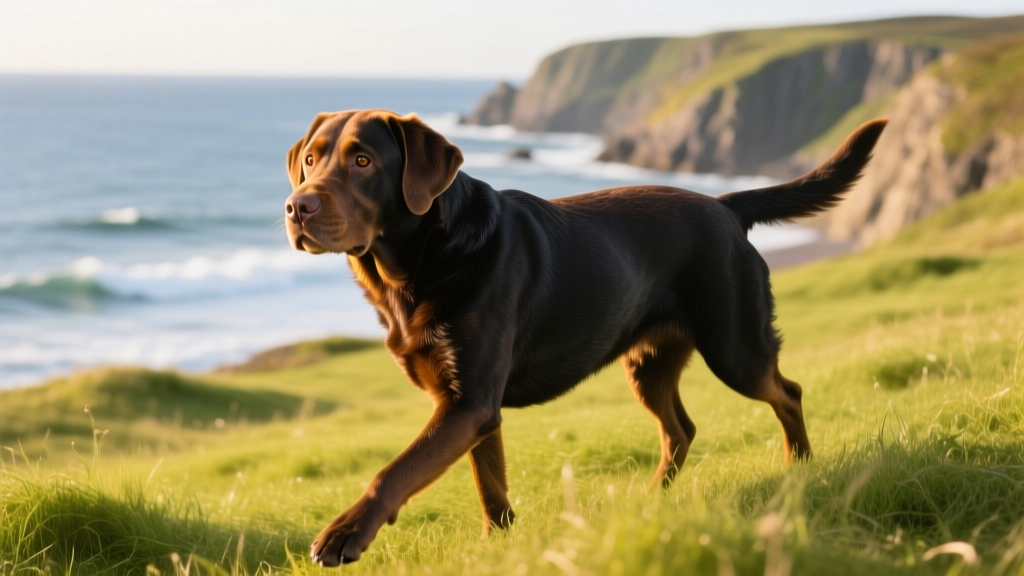
Pit Australian Shepherd Mix
Everything about the Pit Australian Shepherd mix: size, temperament, coat types, health risks, costs.

The Pit Australian Shepherd mix — sometimes called the "Aussie Pit" or "Pit Shepherd" — is a cross between the American Pit Bull Terrier (or American Staffordshire Terrier) and the Australian Shepherd. This designer mix combines two athletic, intelligent working breeds into one high-energy companion that demands an active, experienced owner.
Before you bring one home, understand this: mixed-breed dogs inherit traits unpredictably. One littermate might look and act like a stocky Pit Bull with a herding instinct, while another could resemble a lean Aussie with terrier tenacity. This guide breaks down what you can reasonably expect — and where surprises are likely.
Parent Breeds: What Goes Into a Pit Australian Shepherd Mix
Understanding the parent breeds is the single best way to predict what a mixed-breed puppy might become. Both the APBT/AmStaff and the Australian Shepherd are working dogs with strong drives — but those drives point in very different directions.
| Trait | American Pit Bull Terrier / AmStaff | Australian Shepherd |
|---|---|---|
| AKC Group | Terrier (AmStaff in Terrier Group; APBT recognized by UKC) | Herding Group |
| Weight Range | 30–85 lb (14–39 kg) | 40–65 lb (18–29 kg) |
| Height | 17–21 in (43–53 cm) | 18–23 in (46–58 cm) |
| Original Purpose | Bull-and-terrier sports, farm work, companionship | Herding livestock on ranches |
| Energy Level | High — bursts of intensity, moderate endurance | Very high — sustained endurance all day |
| Coat | Short, smooth, single coat | Medium-length, double coat, moderate to heavy shedder |
| Trainability | High — eager, responds to positive reinforcement | Very high — quick learner, needs mental challenges |
| Prey/Herding Drive | High prey drive toward small animals | Strong herding instinct (nipping, chasing) |
| Lifespan | 12–16 years | 12–15 years |
| Stranger Friendliness | Generally friendly to very friendly | Reserved, alert, can be aloof |
Both breeds share athleticism, loyalty, and intelligence. Where they diverge matters: the Pit Bull side tends toward people-oriented exuberance and physical power, while the Aussie side contributes herding instincts, wariness of strangers, and a need for structured mental work.
Generations Explained: F1, F2, and Backcrosses
- F1 (First Generation): One purebred APBT/AmStaff × one purebred Australian Shepherd. Maximum genetic diversity, most unpredictable appearance and temperament.
- F1B (Backcross): An F1 Pit Aussie mix bred back to one of the parent breeds. Used to emphasize traits of one parent — for example, breeding back to an Aussie for more herding instinct and a thicker coat.
- F2 (Second Generation): Two F1 Pit Aussie mixes bred together. Trait predictability does not increase — genetic recombination creates wide variation.
- Multigen (F3+): Multiple generations of Pit Aussie crosses bred together. Still not a standardized breed; individual variation remains significant.
Unlike Poodle mixes (where backcrossing aims for a predictable low-shed coat), Pit Australian Shepherd mixes are almost exclusively F1 crosses. Most result from intentional first-generation pairings or accidental breedings. You'll rarely find established multigen breeding programs for this mix, which means nearly every puppy is a genetic wildcard.
According to the American Kennel Club's guidance on designer breeds, mixed-breed dogs do not have breed standards, and no kennel club recognizes the Pit Australian Shepherd mix as a distinct breed. Any breeder claiming "champion lines" for this cross is marketing, not registering.
Size, Weight, and Physical Appearance
Because both parent breeds fall in the medium-to-large range, the Pit Australian Shepherd mix is typically a solidly built, medium-large dog. But the range is wide.
| Measurement | Minimum | Typical | Maximum |
|---|---|---|---|
| Weight | 30 lb (14 kg) | 45–60 lb (20–27 kg) | 80 lb (36 kg) |
| Height at Shoulder | 17 in (43 cm) | 19–22 in (48–56 cm) | 24 in (61 cm) |
| Body Build | Lean, Aussie-type frame | Muscular, balanced | Stocky, Pit Bull-type frame |
Physical appearance varies enormously. Some puppies inherit the Pit Bull's broad skull, muscular chest, and short muzzle. Others get the Aussie's longer snout, semi-erect ears, and leaner build. Ear shape alone can range from fully floppy to fully erect to the Aussie's characteristic "button" fold.
Eye color is another wildcard. Australian Shepherds are known for heterochromia (two different-colored eyes) and striking blue eyes. Pit Bulls typically have brown or hazel eyes. A Pit Aussie mix might have one blue eye and one brown, both brown, or — rarely — both blue. Merle coat coloring from the Aussie parent can also affect eye pigmentation.
Trait Variability: Predictable vs. Unpredictable
| Trait | Predictability | Details |
|---|---|---|
| Size/weight | Moderate | Will be medium-large, but exact weight can vary 30+ lb between littermates |
| Coat length | Low | Could be short like a Pit Bull or medium-long like an Aussie |
| Coat color | Low | Any combination: brindle, merle, solid, tricolor, patched |
| Shedding level | Low | Depends entirely on which coat genes dominate |
| Energy level | High | Almost always high to very high — both parents are working breeds |
| Intelligence | High | Both parents rank among the most trainable breeds |
| Herding instinct | Low | May or may not inherit nipping/chasing behavior |
| Dog sociability | Low | Pit Bulls can have same-sex dog aggression; Aussies are variable |
| Stranger reaction | Low | Could be gregarious (Pit Bull) or reserved/watchful (Aussie) |
Coat Types, Colors, and Grooming Needs
The coat your Pit Australian Shepherd mix inherits is one of the biggest genetic coin flips. Here are the realistic possibilities:
- Short, smooth coat (Pit Bull-dominant): Single-layer, low-maintenance. Weekly brushing with a rubber curry brush (like the Kong ZoomGroom, ~$8) removes loose hair. Moderate shedding year-round.
- Medium-length double coat (Aussie-dominant): Requires brushing 3–4 times per week with an undercoat rake and slicker brush. Heavy seasonal shedding in spring and fall. Budget 20–30 minutes per grooming session.
- Intermediate coat: Most common outcome. Slightly longer than a Pit Bull's but without a full double coat. Brush 2–3 times weekly. Moderate shedding.
Color possibilities include black, red, blue merle, red merle, brindle, fawn, white markings, tricolor, and any combination. Merle patterning — the mottled patches of color associated with Aussies — appears in roughly 50% of puppies when one parent carries the merle gene.
Is This Mix Hypoallergenic or Low-Shedding?
No. Neither parent breed is hypoallergenic. The Australian Shepherd is a moderate-to-heavy shedder with a double coat, and the Pit Bull sheds moderately year-round. A Pit Australian Shepherd mix will shed — the only question is how much. If you have dog allergies, this mix is not a suitable choice.
Temperament: Best-Case and Challenging Scenarios
Temperament is where owning a mixed breed requires the most realistic expectations. Both parent breeds are intelligent and driven, but their drives manifest differently.
Best-Case Scenario
Your Pit Aussie mix inherits the Pit Bull's people-loving enthusiasm and the Aussie's biddable, trainable nature. The result: a dog that's eager to work with you, thrives on activity, bonds deeply with family, and is friendly with visitors. This dog excels at agility, nose work, hiking, and advanced obedience. They're the companion who runs 5 miles with you in the morning and cuddles on the couch at night.
Challenging Scenario
Your mix inherits the Pit Bull's dog selectivity or same-sex aggression combined with the Aussie's wariness of strangers and strong herding instinct. The result: a dog that's reactive on leash, nips at children's heels, chases cats, and is difficult to manage in multi-pet households. This isn't a "bad" dog — it's a dog whose genetic cocktail requires experienced handling, structured training, and environmental management.
Common Temperament Traits to Expect
- High energy: Plan for 60–90+ minutes of structured exercise daily. A backyard alone won't cut it.
- High intelligence: Without mental stimulation (puzzle toys, training sessions, scent work), this dog will create its own entertainment — often destructively.
- Strong bond with primary handler: These dogs tend to be "Velcro" companions, following their person room to room.
- Potential herding behavior: Nipping at ankles, circling, and chasing moving objects (bikes, joggers, children) may appear as early as 4–6 months.
- Vocal tendencies: Aussies tend to bark at stimuli; Pit Bulls are generally quieter. Your mix could fall anywhere on this spectrum.
- Possible dog reactivity: APBTs were historically selected for gameness toward other dogs. Even well-socialized individuals may not tolerate unfamiliar dogs, particularly of the same sex.
Positive reinforcement training is essential. Force-free methods — reward-based obedience, counter-conditioning for reactivity, and desensitization for fear responses — are the only approaches recommended by certified behaviorists. Aversive tools like shock collars, prong collars, or alpha rolls increase fear and aggression in already high-drive dogs. If you're dealing with reactivity, consult a certified behavior consultant (IAABC or CCPDT-certified) rather than attempting to correct the behavior yourself.
Health Considerations: Hybrid Vigor Myth vs. Reality
Let's address a widespread misconception: "hybrid vigor" does not eliminate health problems. While crossbreeding can reduce the risk of recessive genetic diseases that are concentrated within a single breed's gene pool, mixed-breed dogs can inherit conditions common to either parent breed. A 2013 study published in the Journal of the American Veterinary Medical Association found that mixed-breed dogs had lower rates of some genetic disorders but equal or higher rates of others compared to purebreds.
Here's what your Pit Australian Shepherd mix could inherit:
| Condition | From Which Parent | Prevalence | What to Watch For |
|---|---|---|---|
| Hip Dysplasia | Both | ~15–20% in both breeds (OFA data) | Stiffness after exercise, bunny-hopping gait, reluctance to jump |
| Elbow Dysplasia | Both | ~5–10% | Front leg lameness, especially in puppies 4–10 months |
| MDR1 Gene Mutation | Australian Shepherd | ~50% of Aussies carry it | Severe drug reactions to ivermectin, loperamide, some anesthetics |
| Cataracts | Both | Hereditary cataracts common in Aussies | Cloudy eyes, vision changes, typically onset 1–3 years |
| Allergies (atopic dermatitis) | Pit Bull (strongly predisposed) | ~30%+ of Pit Bull-type dogs | Itchy paws, ear infections, hot spots, chronic licking |
| Epilepsy | Both (idiopathic epilepsy) | ~4–6% in Aussies; reported in Pit Bulls | Seizures, usually onset 6 months to 5 years |
| Hypothyroidism | Both | Moderate risk | Weight gain, lethargy, hair thinning, cold intolerance |
| Heart Disease (aortic stenosis) | Pit Bull | Low-moderate | Heart murmur detected on vet exam, exercise intolerance |
| Congenital Deafness | Aussie (merle-associated) | Risk in merle-patterned dogs | Lack of response to sounds, excessive startle reflex |
Recommended Health Screening
Responsible breeders of the parent dogs should provide:
- OFA or PennHIP hip certification (both parents)
- OFA elbow certification (both parents)
- CERF/OFA eye examination within 12 months of breeding
- MDR1 genetic test results (Aussie parent)
- Cardiac evaluation (Pit Bull parent)
If adopting from a rescue, budget $200–$400 for baseline health screening: hip/elbow X-rays ($150–$250), a full ophthalmologic exam ($80–$150), and the MDR1 test ($80–$120). These are proactive investments that inform your dog's lifelong care plan.
Exercise, Training, and Mental Stimulation
This mix needs a job. Not a casual walk around the block — a real job. Both parent breeds were developed for sustained physical and mental work, and your dog will inherit that drive regardless of which traits dominate.
Daily Exercise Minimum
- Physical exercise: 60–90 minutes minimum. Ideal activities: running/hiking (after growth plates close at 12–18 months), flirt pole sessions, swimming, fetch with a Chuckit! launcher, or structured agility.
- Mental stimulation: 20–30 minutes of focused training, puzzle feeders (Outward Hound Nina Ottosson puzzles, $15–$30), scent work games, or trick training sessions.
- Socialization: Ongoing exposure to novel environments, sounds, surfaces, and safe dog interactions. Puppy socialization windows close around 14–16 weeks — start early.
Training Priorities
- Recall (come when called): Both breeds can have high chase drives. Train recall with high-value treats (freeze-dried liver, boiled chicken) in low-distraction environments before adding distance and distraction.
- Leash manners: A 60-lb dog pulling on leash is dangerous and painful. Use a front-clip harness (Ruffwear Front Range, ~$40) and reward-based loose-leash walking from day one.
- Impulse control: "Leave it," "wait," and "settle" are survival skills for a dog that may want to chase every squirrel, jogger, and skateboard.
- Crate training: Provides a safe space and prevents destruction when unsupervised. Use gradual acclimation — never use the crate as punishment.
- Herding instinct management: If your mix nips at heels or circles children, redirect the behavior to appropriate outlets like herding balls (Jolly Ball, ~$25–$40) or treibball sport.
Cost: Purchase Price and Ongoing Expenses
| Category | Low | Mid-Range | High |
|---|---|---|---|
| Puppy Purchase (breeder) | $400 | $600–$1,000 | $1,500+ |
| Adoption (rescue/shelter) | $50 | $200–$350 | $500 (breed-specific rescue) |
| First-Year Veterinary Care | $500 | $800–$1,200 | $2,000+ (if health issues arise) |
| Annual Ongoing Costs | $1,200 | $1,800–$2,500 | $3,500+ (includes insurance, training) |
| Pet Insurance (monthly) | $35 | $50–$75 | $100+ (comprehensive) |
Breeder vs. Rescue: Pit Australian Shepherd mixes are not a common designer breed, so dedicated breeding programs are rare. You're more likely to find this mix through:
- Pit Bull rescues that take in mixed-breed dogs (e.g., local SPCA-affiliated Pit Bull rescue organizations)
- Australian Shepherd rescues (ASCAA-affiliated rescue networks sometimes have mixes)
- General shelter adoption — this mix appears in shelters more often than through breeders, partly because the combination can be challenging for unprepared owners
- Accidental litters advertised on community boards — exercise caution, as these puppies lack health-tested parents
If purchasing from a breeder, expect to pay $600–$1,000 for an F1 puppy from health-tested parents. Prices above $1,500 are not justified for an unrecognized mixed breed unless the breeder provides extensive health guarantees, early neurological stimulation (ENS/Puppy Culture protocols), and a take-back clause.
Who Is This Mix Best Suited For?
The Pit Australian Shepherd mix is not a beginner dog. Here's a realistic assessment of who thrives with this cross:
Ideal Owner Profile
- Experience level: Intermediate to advanced. You've owned high-energy or strong-willed dogs before and understand canine body language.
- Activity level: Active. You run, hike, bike, or engage in dog sports regularly. A sedentary lifestyle is incompatible with this mix.
- Time commitment: Available for 1.5–2+ hours of daily exercise and training. Not suited to 10-hour days alone in an apartment.
- Living situation: House with a securely fenced yard (6-foot fence recommended — Aussies can jump, and Pit Bulls are powerful climbers). Apartment living is possible only with exceptional exercise commitment.
- Family composition: Best with older children (8+) who understand how to interact with dogs. Herding nips and boisterous play can overwhelm toddlers. Supervision is mandatory.
- Other pets: Proceed with caution. Early socialization helps, but same-sex dog aggression (from the Pit Bull side) and cat/small-animal chasing (from both sides) are real possibilities.
Not a Good Fit If You:
- Want a low-energy couch companion
- Are a first-time dog owner without mentorship from a trainer
- Have multiple small pets (cats, rabbits, small dogs)
- Cannot commit to ongoing training and socialization
- Live in housing with breed restrictions that may apply to Pit Bull-type dogs
Frequently Asked Questions
What two breeds make up the Pit Australian Shepherd mix?
The Pit Australian Shepherd mix is a cross between the American Pit Bull Terrier (or American Staffordshire Terrier) and the Australian Shepherd. Some breeders may use related breeds like the Staffordshire Bull Terrier, but the standard cross involves the APBT or AmStaff and the Aussie.
How big will a Pit Australian Shepherd mix get?
Most adults weigh between 45–60 lb (20–27 kg) and stand 19–22 inches (48–56 cm) at the shoulder. However, the range extends from 30 lb (14 kg) on the small end to 80 lb (36 kg) if the dog inherits the larger Pit Bull parent's frame. You won't know the adult size with certainty until 12–18 months.
What will the temperament be like?
Expect a highly intelligent, energetic, and loyal dog. Specific temperament traits — friendliness with strangers, dog sociability, herding instinct, prey drive — vary unpredictably between individuals. Early and ongoing socialization, positive reinforcement training, and adequate exercise are the three biggest factors you can control.
Is this mix hypoallergenic or low-shedding?
No. Neither parent breed is hypoallergenic. Shedding ranges from moderate (short Pit Bull-type coat) to heavy (Aussie-type double coat). If allergies are a concern, this is not the right mix for your household.
What health issues might this mix inherit?
Key risks include hip and elbow dysplasia, the MDR1 drug-sensitivity gene mutation (from the Aussie parent), allergies and skin conditions (from the Pit Bull parent), cataracts, epilepsy, and hypothyroidism. Health screening of parent dogs reduces — but does not eliminate — these risks. Always consult your veterinarian for a breed-appropriate wellness plan.
How much does a Pit Australian Shepherd mix cost?
Breeder puppies typically cost $400–$1,500, with most in the $600–$1,000 range. Adoption from rescues or shelters costs $50–$500. First-year expenses (vet care, supplies, training) add $800–$2,000+. Budget $1,800–$2,500 annually for ongoing care including quality food, veterinary visits, insurance, and enrichment.
Are Pit Australian Shepherd mixes aggressive?
Aggression is not a breed trait — it's a behavior influenced by genetics, socialization, training, and environment. Both parent breeds, when well-bred and properly raised, are not human-aggressive. However, dog-directed reactivity (from the Pit Bull side) and herding-driven nipping (from the Aussie side) can present management challenges. Early socialization and professional positive reinforcement training mitigate these risks significantly.
Can this mix live with cats or other small pets?
It depends on the individual dog. Both parent breeds can have strong prey or chase drives. Some Pit Aussie mixes coexist peacefully with cats, especially when raised together from puppyhood. Others will relentlessly chase or harm small animals. Never leave this mix unsupervised with smaller pets until you're confident in their behavior — and even then, manage the environment.
The information in this article is for educational purposes and does not replace professional veterinary advice. Always consult your veterinarian for health, nutrition, and behavioral guidance specific to your dog. If your dog ingests a potentially toxic substance, contact the ASPCA Animal Poison Control Center at (888) 426-4435 (24/7, consultation fee applies) or the Pet Poison Helpline at (855) 764-7661.
Dr. Hannah Wickes
All our authors care for dogs every day — read more of their work on the authors page.