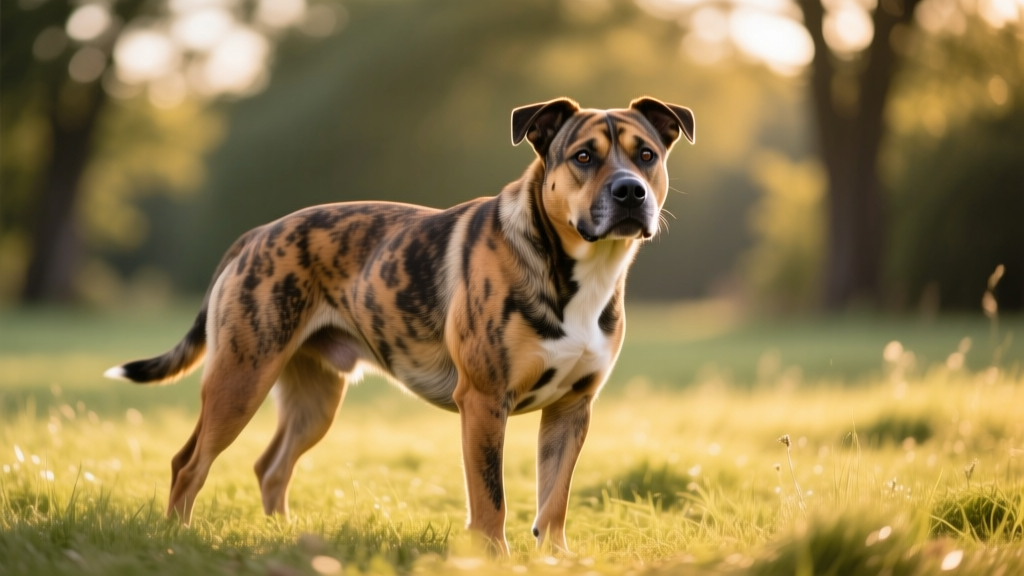
Pictures of Small Dog Breeds: 12 Compact Companions Compared
Explore pictures of small dog breeds with our detailed guide covering 12 compact companions, their traits, costs, and which fits your lifestyle best.

What Qualifies a Breed for This List?
Before we showcase our picks, here's exactly how we selected these 12 breeds:
- Weight: 22 lb (10 kg) or under at maturity, per AKC breed standards.
- Height: Under 16 inches (40 cm) at the withers.
- Recognition: AKC, UKC, or FCI recognized — no unverified designer mixes.
- Availability: Breeds with enough US presence that finding a responsible breeder or rescue is realistic.
- Temperament data: Breeds with documented temperament testing (e.g., OFA or published breed surveys).
We excluded teacup/toy variants marketed below breed standard (these often carry severe health issues) and breeds primarily classified as working or herding despite small stature (like the Miniature American Shepherd, which tops out above our weight cutoff).
12 Small Dog Breeds Worth Picturing in Your Home
Below, each breed is grouped by primary lifestyle fit. We've included key physical traits so you can match the mental picture to the real dog.
Group 1: Apartment-Friendly Low-Energy Picks
1. Cavalier King Charles Spaniel
Size class: Toy (13–18 lb / 5.9–8.2 kg; 12–13 in / 30–33 cm)
Key trait: Velcro companion — thrives on lap time and gentle affection.
The Cavalier's silky, feathered coat comes in four recognized color patterns (Blenheim, Tricolor, Black & Tan, Ruby). They're quiet enough for thin-walled apartments but still enjoy a 20–30 minute daily walk. Their biggest drawback: mitral valve disease affects an estimated 50% of Cavaliers by age five, so budget for cardiac screening ($150–$300 annually).
Why it made the list: Consistently ranks among the top 5 most affectionate small breeds in AKC temperament surveys, with low reactivity scores.
2. French Bulldog
Size class: Non-Sporting / Companion (under 28 lb / 12.7 kg; 11–13 in / 28–33 cm)
Key trait: Minimal exercise needs — 15–20 minutes of indoor play suffices.
Frenchies are brachycephalic (flat-faced), which means they snore, overheat easily, and often require specialized anesthesia protocols. Their compact, muscular build and bat-like ears make them instantly recognizable. Purchase price remains steep in 2026: $2,500–$5,500 from a health-tested breeder. Watch for brachycephalic obstructive airway syndrome (BOAS), which can require $3,000–$7,000 corrective surgery.
Why it made the list: The #1 most popular AKC breed since 2022, proving their temperament resonates with urban owners despite health trade-offs.
3. Pug
Size class: Toy (14–18 lb / 6.4–8.2 kg; 10–13 in / 25–33 cm)
Key trait: Clownish personality with minimal grooming demands.
Pugs are sturdy for a toy breed, with a short, smooth coat that sheds heavily year-round. They're social and tend to follow owners room to room. Their brachycephalic structure shares many of the Frenchie's health concerns, though Pugs have slightly better airway function on average. Expect to clean facial wrinkles daily to prevent fold dermatitis.
Why it made the list: Lower purchase price ($800–$2,000) than other brachycephalic breeds while offering comparable companionship.
Group 2: Active Small Dogs for Outdoorsy Owners
4. Jack Russell Terrier
Size class: Small Terrier (9–15 lb / 4–6.8 kg; 10–15 in / 25–38 cm)
Key trait: Tireless energy — needs 45–60+ minutes of vigorous activity daily.
Don't let the small frame fool you: Jack Russells were bred to hunt foxes and have the drive to prove it. They excel at agility, earthdog trials, and fetch marathons. Without adequate stimulation, they become destructive diggers and escape artists. Their smooth or broken coat is low-maintenance.
Why it made the list: Highest energy-to-size ratio of any breed on this list — ideal for hikers and runners who want a portable adventure partner.
5. Miniature Schnauzer
Size class: Small Terrier (11–20 lb / 5–9 kg; 12–14 in / 30–36 cm)
Key trait: Alert watchdog with a low-shedding, wiry coat.
Miniature Schnauzers are one of the few small breeds that combine terrier spirit with trainability. Their distinctive bearded face and salt-and-pepper (or black) coat requires professional grooming every 5–8 weeks ($50–$80 per session). They're vocal — expect alert barking at doorbells and passersby — but they're not yappy without cause.
Why it made the list: Among the most trainable small breeds, ranking well above average in Stanley Coren's working intelligence assessments.
6. Dachshund (Miniature)
Size class: Hound — Miniature variety (under 11 lb / 5 kg; 5–6 in / 13–15 cm at shoulder)
Key trait: Bold personality packed into an iconic long-bodied frame.
Miniature Dachshunds come in smooth, longhaired, and wirehaired coats. Their elongated spine makes them prone to intervertebral disc disease (IVDD) — roughly 25% will experience a disc episode in their lifetime. Preventative care includes ramp access to furniture and weight management. Surgery for IVDD ranges from $3,000–$8,000.
Why it made the list: Unique silhouette and spirited temperament make them one of the most photographed small breeds globally.
Group 3: Family-Friendly Small Dogs with Kids
7. Bichon Frise
Size class: Non-Sporting (12–18 lb / 5.4–8.2 kg; 9.5–11.5 in / 24–29 cm)
Key trait: Playful and patient — tolerates gentle children well.
The Bichon's powder-puff white coat is hypoallergenic (low-dander), making them a top pick for allergy households. They require brushing 3–4 times per week and professional grooming every 4–6 weeks. Bichons are cheerful and adaptable but can develop separation anxiety if left alone over 4–5 hours regularly.
Why it made the list: One of the few small breeds consistently recommended by AVMA resources for families with young children due to sturdy build and stable temperament.
8. Boston Terrier
Size class: Non-Sporting (12–25 lb / 5.4–11.3 kg; 15–17 in / 38–43 cm)
Key trait: "American Gentleman" — tuxedo markings and an even-keeled disposition.
Boston Terriers are slightly larger than many on this list but still qualify as small. They're brachycephalic but tend to have fewer airway issues than Frenchies or Pugs. Short coat, minimal shedding, and a generally quiet nature make them apartment-friendly. They're sturdy enough to play with school-age children without fragility concerns.
Why it made the list: Bridges the gap between toy-breed companionship and the sturdiness families with active kids need.
9. Havanese
Size class: Toy (7–13 lb / 3.2–5.9 kg; 8.5–11.5 in / 22–29 cm)
Key trait: Cuba's national dog — velvety soft coat and outgoing friendliness.
Havanese are the only breed native to Cuba and have a silky, lightly waving coat that can be kept in a low-maintenance puppy clip. They're highly social, thrive on interaction, and are among the easiest small breeds to train using positive reinforcement. They adapt well to multi-pet households.
Why it made the list: Exceptionally low aggression scores in OFA temperament testing — under 2% failed, compared to breed averages of 10–15%.
Group 4: Low-Maintenance Grooming Picks
10. Italian Greyhound
Size class: Toy (7–14 lb / 3.2–6.4 kg; 13–15 in / 33–38 cm)
Key trait: Sleek, short coat — virtually no grooming beyond occasional wiping.
Italian Greyhounds ("Iggies") are miniature sighthounds: graceful, fast, and surprisingly athletic. They need a warm coat in cold weather due to minimal body fat. Fragile legs mean they're best with older children or adult-only homes. They're sensitive dogs that respond poorly to harsh training — force-free methods only.
Why it made the list: Lowest grooming requirement of any breed here, with a coat that needs no brushing, no trimming, and rarely baths.
11. Chihuahua
Size class: Toy (2–6 lb / 0.9–2.7 kg; 5–8 in / 13–20 cm)
Key trait: The smallest recognized breed — fits any living space.
Chihuahuas come in smooth-coat and long-coat varieties. They're fiercely loyal, often bonding intensely with one person. Their tiny size requires careful handling to prevent tracheal collapse and patellar luxation. Use a harness (never a collar) for walks. Lifespan is exceptional: 14–18 years is common, with some reaching 20.
Why it made the list: Longest lifespan of any breed on this list, offering the most years of companionship per dollar spent on acquisition.
12. Chinese Crested (Powderpuff)
Size class: Toy (8–12 lb / 3.6–5.4 kg; 11–13 in / 28–33 cm)
Key trait: Unique appearance — hairless body with feathered ears, tail, and feet (or fully coated Powderpuff variety).
The Powderpuff variety has a full silky coat that's easier to maintain than you'd expect — brushing twice weekly prevents mats. The Hairless variety needs sunscreen and skincare but minimal coat care. Chinese Cresteds are affectionate, playful, and surprisingly athletic for their size.
Why it made the list: Most visually distinctive breed on the list — if "pictures" are the goal, no small breed photographs more uniquely.
Side-by-Side Breed Comparison
| Breed | Weight (lb/kg) | Energy Level | Grooming Cost/Year | Apartment Fit | Estimated Purchase Price |
|---|---|---|---|---|---|
| Cavalier King Charles Spaniel | 13–18 lb / 5.9–8.2 kg | Low–Moderate | $300–$500 | Excellent | $1,800–$3,500 |
| French Bulldog | Under 28 lb / 12.7 kg | Low | $200–$400 | Excellent | $2,500–$5,500 |
| Pug | 14–18 lb / 6.4–8.2 kg | Low–Moderate | $100–$200 | Excellent | $800–$2,000 |
| Jack Russell Terrier | 9–15 lb / 4–6.8 kg | Very High | $50–$150 | Poor (needs yard) | $600–$1,500 |
| Miniature Schnauzer | 11–20 lb / 5–9 kg | Moderate–High | $400–$700 | Good | $1,000–$2,500 |
| Miniature Dachshund | Under 11 lb / 5 kg | Moderate | $150–$400 | Good | $800–$2,500 |
| Bichon Frise | 12–18 lb / 5.4–8.2 kg | Moderate | $500–$800 | Excellent | $1,000–$3,000 |
| Boston Terrier | 12–25 lb / 5.4–11.3 kg | Moderate | $100–$200 | Excellent | $800–$2,000 |
| Havanese | 7–13 lb / 3.2–5.9 kg | Moderate | $400–$600 | Excellent | $1,500–$3,000 |
| Italian Greyhound | 7–14 lb / 3.2–6.4 kg | Moderate–High | $0–$50 | Good | $1,200–$2,500 |
| Chihuahua | 2–6 lb / 0.9–2.7 kg | Low–Moderate | $50–$150 | Excellent | $500–$1,500 |
| Chinese Crested | 8–12 lb / 3.6–5.4 kg | Moderate | $200–$400 | Good | $1,000–$2,500 |
How to Choose: A Decision Framework
Narrowing from 12 breeds to 1 requires matching your lifestyle to the dog's needs. Use this flowchart:
- Do you live in an apartment or condo?
- Yes → Eliminate Jack Russell Terrier (too high-energy for shared walls). Continue to step 2.
- No (house with yard) → All breeds remain. Continue to step 2.
- Do you have children under 8?
- Yes → Narrow to Bichon Frise, Boston Terrier, or Havanese (sturdy builds, patient temperaments). Skip to step 5.
- No → Continue to step 3.
- Can you commit 45+ minutes daily to vigorous exercise?
- Yes → Jack Russell Terrier or Miniature Schnauzer are ideal matches.
- No → Continue to step 4.
- Is low grooming cost a priority (under $200/year)?
- Yes → Italian Greyhound, Chihuahua, or Pug.
- No → Cavalier, Frenchie, Bichon, Havanese, or Chinese Crested all work.
- Budget for acquisition under $1,500?
- Yes → Pug, Chihuahua, Boston Terrier, or Jack Russell Terrier.
- No → All breeds available; prioritize health testing over price.
Honorable Mentions and Breeds We Excluded
Honorable mentions that narrowly missed the list:
- Pomeranian: Gorgeous coat but high grooming demands and a tendency toward excessive barking.
- Yorkshire Terrier: Excellent apartment dog but fragile with young children and prone to dental disease.
- Shih Tzu: Sweet temperament but significant brachycephalic concerns and high grooming costs ($600–$900/year).
Breeds to reconsider before choosing:
- Teacup variants of any breed: Marketed at under 4 lb, these dogs are often runts bred for size, not health. Expect shortened lifespans, hypoglycemia, and fragile bones.
- Rare imports (e.g., Russian Toy, Prague Ratter): Beautiful in photos but extremely difficult to find from responsible US breeders, and limited health data exists.
- "Designer" small mixes without OFA-tested parents: Maltipoos, Cavapoos, etc. can be wonderful, but without standardized health testing, you're gambling on genetic outcomes.
Frequently Asked Questions
What are the best small dog breeds for first-time owners?
Cavalier King Charles Spaniels, Bichon Frises, and Havanese consistently rank highest for novice owners due to forgiving temperaments, moderate energy, and eagerness to please. Avoid Jack Russell Terriers and Dachshunds as a first dog — their strong wills and training needs are better suited to experienced handlers.
Why is the French Bulldog #1 in popularity despite health issues?
Frenchies combine a compact size, minimal exercise needs, and a comedic personality that resonates with urban professionals. Their health concerns (BOAS, spinal issues, skin fold infections) are real and expensive, but many owners accept these trade-offs. Responsible breeders now use CT scans ($400–$800) to screen for airway severity before breeding.
How do these breeds compare on lifespan?
Chihuahuas lead at 14–20 years, followed by Italian Greyhounds (14–15 years) and Miniature Dachshunds (12–16 years). French Bulldogs and Cavalier King Charles Spaniels have the shortest lifespans on this list at 10–12 years, largely due to breed-specific cardiac and respiratory conditions.
Which breed should I choose if I work from home?
If you're home most of the day, a Cavalier, Havanese, or Bichon Frise will thrive on constant companionship. If you work from home but need a dog that can entertain itself during calls, a Miniature Schnauzer or Italian Greyhound offers more independence.
Are small dogs cheaper to care for than large breeds?
Partially. Food costs are significantly lower ($150–$300/year vs. $500–$900 for large breeds). However, small breeds often have higher per-pound veterinary costs, more frequent dental cleanings ($300–$700 every 1–2 years), and some (like Cavaliers and Frenchies) carry expensive breed-specific conditions. Budget $1,200–$2,500 annually for routine care on a healthy small dog.
Always consult your veterinarian before making breed-specific health decisions, and verify any breeder's health testing through the Orthopedic Foundation for Animals (OFA) database. Adoption from breed-specific rescues is always a valid alternative to purchasing from a breeder.
Jonas Cole
All our authors care for dogs every day — read more of their work on the authors page.