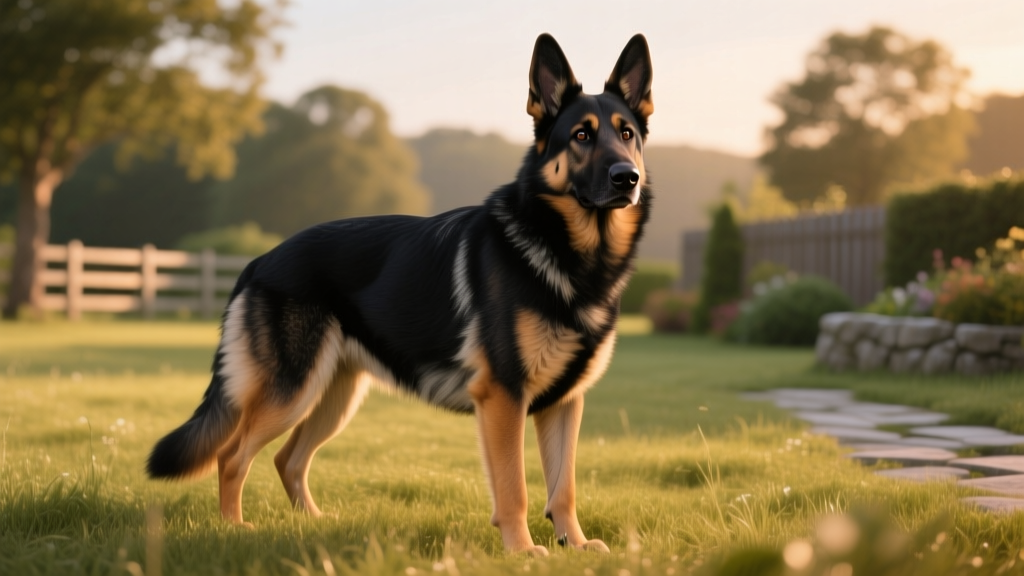
Pictures of King Cavalier Spaniels
Explore pictures of King Cavalier Spaniels alongside a complete breed profile covering size, temperament, health risks, grooming, and 2026 ownership costs.

Beyond the Pictures: Meeting the King Charles Spaniel
If you've been searching for pictures of King Cavalier Spaniels, you've likely fallen for those soulful, dark eyes and the silky, feathered coat that makes this breed one of the most photographed toy dogs in the world. But there's a persistent naming confusion that trips up even experienced dog lovers: the "King Cavalier Spaniel" isn't a formally recognized breed. What most people mean is the Cavalier King Charles Spaniel (CKCS) — a breed registered with the American Kennel Club since 1995 and consistently ranked among the top 20 most popular breeds in the United States.
Whether you're browsing breeder galleries, rescue photos, or Instagram feeds, understanding what lies behind those picture-perfect portraits is essential before bringing one home. This guide pairs the visual appeal with hard data on health, costs, and daily care so you can make an informed decision.
| Size Class | Toy |
| Weight | 13–18 lb (5.9–8.2 kg) |
| Height | 12–13 in (30–33 cm) at the withers |
| Lifespan | 9–14 years (median 11.3 years per UK Kennel Club survey) |
| Coat Type | Moderate-length, silky, with feathering on ears, chest, legs, and tail |
| Energy Level | Low to moderate |
| Grooming | Moderate — brushing 3–4×/week |
| Family Fit | Excellent — highly adaptable to apartments, families, seniors |
Origin and History: From Royal Laps to Modern Living Rooms
The Cavalier King Charles Spaniel traces its lineage to the toy spaniels depicted in 16th- and 17th-century European court paintings — most notably in portraits of King Charles II of England (reigned 1660–1685), who was rarely seen without several small spaniels at his feet. These early dogs had longer noses and flatter skulls than the short-faced toy spaniels that became fashionable in the Victorian era after crossbreeding with Pugs and Japanese Chins.
In the 1920s, American breeder Roswell Eldridge offered a cash prize at England's Crufts dog show for any breeder who could recreate the longer-nosed "old type" toy spaniel seen in the royal portraits. English breeders took up the challenge, selectively breeding from longer-faced King Charles Spaniels (the breed known as the English Toy Spaniel in the US). By 1928, the Cavalier King Charles Spaniel was recognized as a distinct breed in the UK, and the AKC granted full recognition in 1995.
The breed's original purpose was purely companionship — a lap dog and foot warmer for nobility. Unlike sporting spaniels, Cavaliers were never bred to hunt, retrieve, or work in the field. That singular focus on companionship explains their intense human orientation today.
Physical Characteristics: What Those Pictures Really Show
The pictures of King Cavalier Spaniels that capture attention typically highlight the breed's defining features: large, round, dark eyes set well apart; a gently rounded skull (not domed like the English Toy Spaniel); and long, heavily feathered ears that frame the face. The muzzle is tapered but not pointed, measuring roughly 1.5 inches from stop to nose tip.
Weight range: 13–18 lb (5.9–8.2 kg). Males and females are similar in size, with males averaging 1–2 lb heavier. Dogs exceeding 18 lb are outside the breed standard and may indicate overfeeding or mixed ancestry.
Height range: 12–13 inches (30–33 cm) at the withers. Cavaliers are slightly longer than they are tall, giving them a balanced, rectangular silhouette.
Coat and color: The AKC recognizes four color patterns:
- Blenheim — rich chestnut markings on a pearly white background, ideally with a "Blenheim spot" (a chestnut thumbprint on the crown of the head). This is the most photographed and most popular color.
- Tricolor — black and white with tan markings above the eyes, on the cheeks, and on the underside of the tail.
- Black & Tan — raven black with tan highlights on the eyebrows, cheeks, chest, legs, and underside.
- Ruby — solid rich reddish-brown with no white markings.
The coat is silky to the touch, straight to slightly wavy (never curly), and requires no professional clipping — a notable advantage over many other toy breeds. Feathering on the ears, chest (the "bib"), backs of the legs, and tail develops fully by 18–24 months of age.
Temperament and Personality: Five Traits That Define the Breed
Cavaliers are not just pretty faces. Decades of selective breeding for companionship have produced a remarkably consistent temperament profile:
1. Intense human attachment ("Velcro dog" syndrome). Cavaliers physically orient toward their owners at all times. Expect your dog to follow you from room to room, press against your legs while you cook, and insist on sleeping under the covers. This attachment is so pronounced that Cavaliers are at high risk for separation anxiety if left alone for more than 4–5 hours regularly.
2. Low aggression threshold. In the AKC temperament standard, Cavaliers should show no aggression toward humans or other dogs. In practice, well-socialized Cavaliers greet strangers with tail wags and belly rolls rather than barking or retreating. They make poor watchdogs — they are more likely to lick an intruder than alert you.
3. Playful but not hyperactive. A Cavalier will enthusiastically chase a ball in the yard for 15 minutes, then immediately curl up on the couch. They match their owner's energy level: active owners get a hiking companion; sedentary owners get a professional lap warmer.
4. Gentle with children and other animals. Cavaliers lack the snappishness that some toy breeds display around small children. They tolerate ear-pulling and clumsy handling better than most breeds of similar size, though no dog should be subjected to rough treatment. They coexist peacefully with cats, other dogs, and even small pets when properly introduced.
5. Eager to please but soft-sensitive. Cavaliers respond visibly to tone of voice. A raised voice or harsh correction will cause a Cavalier to shut down, cower, or urinate submissively. They thrive under gentle, positive reinforcement methods — treat rewards, clicker training, and verbal praise produce far better results than any aversive technique.
- Exceptionally affectionate and bonded
- Low exercise requirements suit apartment life
- Minimal barking compared to other toy breeds
- Good with children, cats, and other dogs
- No professional grooming/clipping required
- Highly portable (fits in airline cabin carriers)
- Severe separation anxiety if left alone long hours
- High prevalence of mitral valve disease (see health section)
- Strong prey drive for small critters — will chase squirrels/rabbits
- Prone to obesity if overfed
- Puppy prices are high ($2,500–$4,500 from health-tested breeders)
- Sheds moderately year-round
Exercise and Activity Needs: Specifics, Not Guesses
Cavaliers require 30–45 minutes of structured activity per day, which can be broken into two sessions:
| Activity | Duration | Frequency |
|---|---|---|
| Leash walk (moderate pace) | 15–20 minutes | Twice daily |
| Free play in fenced yard | 10–15 minutes | Daily |
| Indoor fetch or tug | 5–10 minutes | On bad-weather days |
| Puzzle toys / snuffle mats | 10–15 minutes | 2–3× per week |
| Swimming (with life vest) | 10 minutes | Seasonal — excellent low-impact option |
Important limitations: Cavaliers are brachycephalic-adjacent — their muzzles are shorter than average, though not as extreme as Pugs or French Bulldogs. In temperatures above 85°F (29°C), limit outdoor exercise to early morning or evening walks. Never force a Cavalier to jog or run long distances; their short legs and compact build are not suited for sustained high-intensity exercise.
Puppies under 12 months should follow the "5 minutes per month of age" rule for structured walks — a 4-month-old puppy gets 20 minutes of walk time per day maximum to protect developing growth plates.
Common Health Issues: What Every Prospective Owner Must Know
The Cavalier King Charles Spaniel carries a significant genetic health burden. This is not a reason to avoid the breed, but it is a reason to buy only from breeders who perform and publish health test results, and to budget for higher-than-average veterinary costs. Always consult your veterinarian about breed-appropriate screening and preventive care.
| Condition | Prevalence | Onset | Management |
|---|---|---|---|
| Mitral Valve Disease (MVD) | ~50% develop a heart murmur by age 5; nearly all affected by age 10 | Typically 5–7 years | Medications (pimobendan, furosemide, enalapril); annual echocardiograms; $300–$600/year in cardiac medications once symptomatic |
| Syringomyelia (SM) | Estimated 25–70% have MRI-detectable SM; ~15% symptomatic | 6 months–5 years | Pain management (gabapentin, pregabalin); surgical decompression in severe cases; MRI cost $1,500–$3,000 |
| Hip Dysplasia | ~12–15% per OFA data | Often apparent by 12–24 months | Weight management, joint supplements, NSAIDs; surgical options (FHO, THR) for severe cases |
| Patellar Luxation | ~10–12% | Can appear in puppyhood | Grade I–II managed conservatively; Grade III–IV may need surgical correction ($1,500–$3,500 per knee) |
| Dry Eye (Keratoconjunctivitis Sicca) | ~5–10% | Any age, often adult onset | Lifelong cyclosporine or tacrolimus eye drops; $20–$40/month |
Before purchasing a Cavalier puppy, verify that the breeder provides documentation for ALL of the following:
- Cardiac: Board-certified veterinary cardiologist evaluation (not just a general vet listening with a stethoscope) — cleared within the past 12 months
- Ophthalmologist: CERF/OFA eye examination — cleared within the past 12 months
- Hips: OFA or PennHIP evaluation — scored at 24 months or older
- Patellas: OFA evaluation — scored at 12 months or older
- DNA: Episodic Falling (EF) and Curly Coat (CC) — clear or carrier status disclosed
Breeder databases such as the Orthopedic Foundation for Animals (OFA) allow you to verify health test results independently.
Grooming Requirements: Maintaining That Picture-Perfect Coat
Despite their luxurious appearance, Cavaliers are one of the easier spaniels to maintain. They do not require professional clipping or stripping, but consistent home grooming is non-negotiable.
| Task | Frequency | Tools Needed |
|---|---|---|
| Full-body brushing | 3–4× per week | Pin brush (medium), slicker brush for feathering |
| Ear cleaning and hair removal | Weekly | Veterinary ear wash, hemostats for inner ear hair (or groomer assistance) |
| Bathing | Every 3–4 weeks (or as needed) | Oatmeal-based canine shampoo, conditioner for feathering |
| Nail trimming | Every 2–3 weeks | Guillotine or scissor-style clippers; styptic powder on hand |
| Teeth brushing | Daily (minimum 3×/week) | Dog-specific enzymatic toothpaste, finger brush or small head toothbrush |
| Feathering detangling | After every outdoor walk | Wide-toothed comb; leave-in detangling spray |
Ear care is critical. Cavaliers' long, heavy, feathered ears restrict airflow to the ear canal, creating a warm, moist environment ideal for yeast and bacterial infections. Weekly cleaning with a veterinarian-recommended ear wash and careful drying after swimming or baths will significantly reduce infection risk. If your Cavalier repeatedly scratches at their ears or you notice a yeasty odor, see your vet promptly — chronic ear infections can lead to hematomas requiring surgical correction.
Training and Intelligence: Gentle Methods, Big Results
Cavaliers rank in the middle-to-upper tier of canine working intelligence — they learn new commands within 5–15 repetitions and obey known commands on the first attempt approximately 85% of the time. However, their sensitivity means training methodology matters enormously.
Recommended approach: Positive reinforcement exclusively. Use small, high-value treats (freeze-dried liver, training-sized kibble pieces), a clicker for marking desired behaviors, and enthusiastic verbal praise. Keep sessions to 5–10 minutes, 2–3 times per day — Cavaliers have short attention spans and will lose focus (and motivation) in longer sessions.
Key training priorities:
- Recall (come when called): Cavaliers have a surprisingly strong prey drive for a toy breed. They will chase squirrels, rabbits, and even cats with no regard for traffic. Never trust a Cavalier off-leash in an unfenced area, regardless of recall training level.
- Separation anxiety prevention: Begin crate training from day one. Practice short departures (30 seconds, then 2 minutes, building to 30 minutes) without making arrivals or departures emotional events. Provide a frozen Kong or lick mat as a departure cue.
- Loose-leash walking: Cavaliers tend to pull toward interesting smells. A front-clip harness (such as the Ruffwear Front Range or 2 Hounds Design No-Pull) redirects pulling without choking.
Never use: Shock collars, prong collars, choke chains, or alpha rolls. Cavaliers are physically delicate and emotionally sensitive — aversive methods cause lasting behavioral damage including fear-based urination, avoidance, and in rare cases, fear-based aggression.
Family Suitability: Kids, Pets, and Apartment Living
With children: Cavaliers are among the best toy breeds for families with children aged 6 and older. Their gentle nature and tolerance for handling make them patient companions. However, their small size (13–18 lb) makes them fragile — toddlers and very young children can accidentally injure a Cavalier by dropping, stepping on, or squeezing them. Always supervise interactions between any dog and children under 8.
With other pets: Excellent. Cavaliers generally get along with other dogs of all sizes, cats (especially if raised together), and even small pets like rabbits. Their prey drive is directed at outdoor wildlife, not household companions. Multi-dog households are actually ideal for Cavaliers, as a canine companion helps mitigate separation anxiety when owners are away.
Apartment living: Highly suitable. Cavaliers are quiet (they bark less than most toy breeds), compact, and have modest exercise needs. A 400–600 sq ft apartment with two daily walks is perfectly adequate. The main apartment-living challenge is separation anxiety — if you work long hours away from home, a Cavalier will suffer without a dog walker, pet sitter, or canine companion.
Cost of Ownership: The Real Numbers for 2026
Cavaliers are an expensive breed to acquire and maintain, primarily due to health screening costs baked into responsible breeding and the high lifetime probability of cardiac care.
| Expense | Low | Average | High |
|---|---|---|---|
| Puppy purchase (health-tested breeder) | $2,500 | $3,500 | $4,500+ |
| Rescue/adoption fee | $300 | $500 | $800 |
| First-year veterinary (vaccines, spay/neuter, wellness) | $800 | $1,200 | $1,800 |
| Annual routine care (adult dog) | $600 | $900 | $1,400 |
| Annual cardiac care (once MVD diagnosed) | $400 | $800 | $2,000+ |
| Food (premium kibble or balanced fresh diet) | $360/year | $540/year | $900/year |
| Pet insurance (annual premium) | $480 | $720 | $1,100 |
| Grooming supplies + occasional professional baths | $100/year | $200/year | $400/year |
Lifetime cost estimate: For a Cavalier living to the median lifespan of 11 years, expect to spend between $18,000 and $35,000 total, including purchase price. The wide range is driven primarily by whether cardiac disease develops early and requires extended medication management.
Pet insurance recommendation: Given the near-certainty of mitral valve disease, enrolling a Cavalier puppy in a comprehensive pet insurance plan (such as Trupanion, Healthy Paws, or Nationwide) before any symptoms appear is strongly recommended. Monthly premiums for a Cavalier puppy typically run $40–$90/month depending on deductible and reimbursement level. Pre-existing conditions are universally excluded, so timing matters.
Frequently Asked Questions
Is the Cavalier King Charles Spaniel right for first-time owners?
Yes — Cavaliers are widely considered one of the best breeds for first-time dog owners. They are forgiving of training mistakes, highly motivated by food rewards, and their low exercise needs reduce the logistical burden. The main caveat is separation anxiety: if you work 8+ hour days away from home with no midday break, a Cavalier is not the right fit unless you can arrange a dog walker or daycare.
How much exercise does a Cavalier need daily?
30–45 minutes total, split into two leash walks of 15–20 minutes each, plus optional free play. They are not a breed that needs running, hiking, or agility to be happy. Mental stimulation through puzzle toys and short training sessions is equally important to prevent boredom-related behaviors like excessive licking or chewing.
What health problems is the Cavalier King Charles Spaniel prone to?
The most significant is mitral valve disease (MVD), which affects an estimated 50% of Cavaliers by age 5 and virtually all by age 10. Other breed-specific concerns include syringomyelia (a neurological condition caused by skull malformation), hip dysplasia, patellar luxation, and dry eye. Buying from a breeder who performs OFA cardiac, hip, patella, and eye certifications reduces — but does not eliminate — these risks.
How big does a Cavalier King Charles Spaniel get?
Adults typically weigh 13–18 lb (5.9–8.2 kg) and stand 12–13 inches (30–33 cm) tall at the shoulder. Males tend to be at the upper end of both ranges. Cavaliers reach their full adult size by 12–18 months, though they may continue to fill out in the chest until age 2.
Is the Cavalier good with children and other pets?
Yes, with supervision for young children. Cavaliers are gentle, patient, and non-aggressive, making them excellent family dogs for households with children aged 6+. They coexist peacefully with other dogs and cats. Their small size means they can be injured by rough handling, so teach children to interact gently and always supervise toddler-dog interactions.
How much does a Cavalier King Charles Spaniel cost?
Expect to pay $2,500–$4,500 for a puppy from a health-tested, responsible breeder in 2026. Rescue Cavaliers are available through breed-specific organizations like Cavalier Rescue USA for $300–$800. Annual maintenance costs range from $1,500 to $3,000+, with cardiac care adding significantly to expenses in the dog's later years. Budget $18,000–$35,000 for lifetime ownership.
What's the difference between a Cavalier King Charles Spaniel and a King Charles Spaniel?
The Cavalier King Charles Spaniel (CKCS) is the larger, longer-nosed breed most people picture. The King Charles Spaniel (called the English Toy Spaniel in the US) is a smaller (8–14 lb), shorter-faced breed with a domed skull. They share common ancestry but have been separate breeds since the 1920s. The "King Cavalier" term is an informal mashup of both names and does not refer to a distinct breed or crossbreed.
Anouk Beaumont
All our authors care for dogs every day — read more of their work on the authors page.