Pekingese Short Hair: The Rare Smooth-Coat Variant Explained
Discover the rare Pekingese short hair (smooth-coat) variant: origins, temperament, grooming needs, health risks, costs, and how it compares to the

If you've ever searched for a Pekingese short hair and come up confused, you're not alone. The classic Pekingese is famous for its flowing, lion-like mane — so the idea of a smooth-coated or short-haired Peke raises plenty of questions. Is it a separate breed? A genetic variation? A mixed breed being marketed under a misleading name?
The truth is nuanced. A true short-haired Pekingese is not a recognized separate breed or variety under any major kennel club. Instead, what people typically encounter when searching for a "Pekingese short hair" falls into one of three categories: a standard Pekingese with a naturally shorter coat (sometimes called a "smooth" or "pet-quality" coat), a Pekingese mix that inherits a shorter coat from the other parent breed, or — less commonly — a Pekingese whose coat has been clipped short for medical or comfort reasons. Understanding the difference matters enormously for anyone considering bringing one of these dogs home, because care requirements, health risks, and costs vary significantly depending on what you're actually getting.
This guide breaks down everything you need to know about the short-coated Pekingese phenotype, including what to expect from temperament, grooming, health, and pricing in 2026.
Where Did the Pekingese Originate, and How Does Coat Length Fit In?
The Pekingese is one of the oldest dog breeds in existence, with origins tracing back over 2,000 years to ancient China. Bred exclusively by Chinese imperial families in Beijing (then called Peking), these small companion dogs were considered sacred — commoners were forbidden from owning them, and stealing one was reportedly punishable by death.
Pekingese Origin Timeline
- ~700 AD: Pekingese-type dogs documented in Chinese imperial courts during the Tang Dynasty, selectively bred for their lion-like appearance and flat (brachycephalic) faces.
- 1860: During the Second Opium War, British soldiers looted the Imperial Palace in Beijing and brought several Pekingese back to England. Queen Victoria received one named "Looty."
- 1906: The American Kennel Club (AKC) officially recognized the Pekingese breed.
- Modern era: The breed remains recognized by the AKC (Toy Group), the United Kennel Club (UKC, Companion Group), and the Fédération Cynologique Internationale (FCI, Group 9 — Companion and Toy Dogs). No major registry recognizes a "short-haired" or "smooth-coat" Pekingese as a separate variety.
The AKC breed standard specifies a long, straight, coarse outer coat with a thick, soft undercoat, and a profuse mane extending over the shoulders. There is no "smooth" or "short coat" variety listed. This means that a Pekingese born with a noticeably shorter coat is considered a deviation from the breed standard — often labeled "pet quality" by breeders — but it is still a purebred Pekingese if both parents were registered. These shorter-coated individuals are uncommon but do appear in litters periodically.
According to the AKC Pekingese breed page, the breed ranks consistently outside the top 80 in popularity in the United States, making even standard-coat Pekingese relatively uncommon. A short-coated variant is rarer still.
What Does a Short-Haired Pekingese Actually Look Like?
A Pekingese with a naturally short or smooth coat retains all the structural hallmarks of the breed — it's the coat length and texture that differ. Here's what to expect physically:
| Attribute | Details |
|---|---|
| Weight | Up to 14 lb (6.4 kg); ideal range 8–14 lb (3.6–6.4 kg) |
| Height | 6–9 inches (15–23 cm) at the shoulder |
| Lifespan | 12–14 years |
| Coat Type (Short Variant) | Short to medium length (1–3 inches / 2.5–7.5 cm), lacking the profuse mane and heavy feathering of the standard coat; undercoat may still be present but is less dense |
| Coat Colors | Gold, red, sable, black, black and tan, cream, white, and combinations; a black mask is common |
| Head Shape | Brachycephalic (flat-faced) with a broad, flat skull, large round eyes, and dropped heart-shaped ears |
| Body Structure | Low to the ground, heavy-boned, longer than tall, with a rolling gait |
| Tail | High-set, carried over the back; may have less pluming than standard coat |
| Energy Level | Low to moderate; 20–30 minutes of daily activity |
| Grooming (Short Coat) | Low to moderate; brushing 2–3 times per week vs. daily for standard coat |
| Family Fit | Best with adults or families with older children; not ideal for toddlers due to fragility |
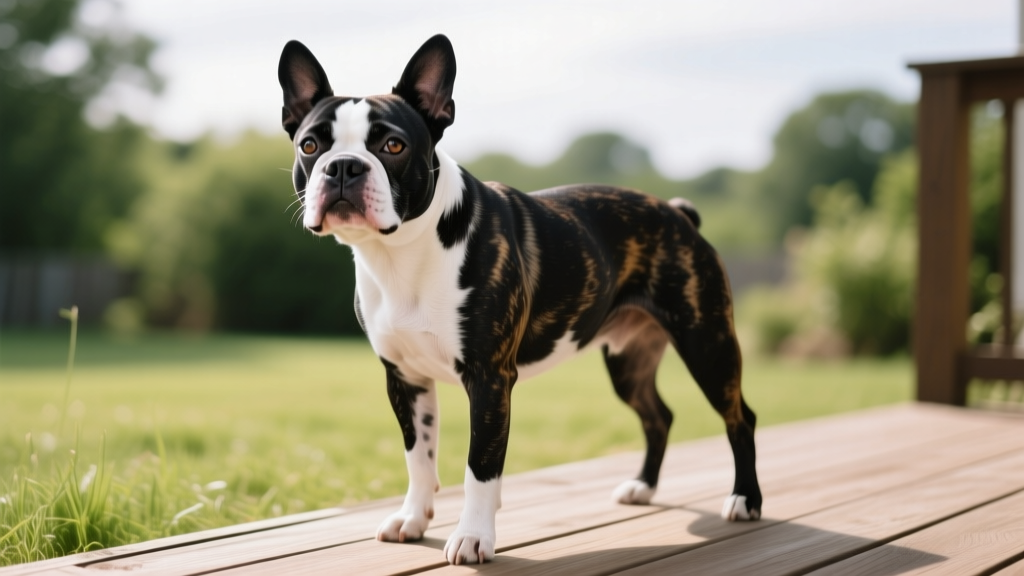
The key visual distinction: where a standard Pekingese has a dramatic lion's mane, heavy fringing on the ears, and long feathering on the legs and tail, a short-coated Peke looks more streamlined — almost resembling a sturdier, flatter-faced Cavalier King Charles Spaniel in terms of coat silhouette. The facial structure, body proportions, and rolling gait remain unmistakably Pekingese.
Temperament: What Surprises New Owners
Pekingese are famously independent, dignified, and stubborn — and the short-coated variant is no exception. If you're expecting a biddable, eager-to-please companion, this breed will surprise you in ways that can be either charming or frustrating depending on your expectations.
What new owners consistently report:
- "Cat-like" independence. Pekingese bond closely with one or two people but aren't typically clingy. They'll sit near you, not necessarily on you. Many owners describe them as aloof with strangers but deeply loyal to their chosen person.
- Stubbornness in training. Pekingese were bred to be companions to emperors, not working dogs. They don't instinctively look to humans for direction. Housebreaking can take 4–6 months (sometimes longer), and recall is notoriously unreliable. Positive reinforcement with high-value treats (freeze-dried liver, boiled chicken) works best — never aversive methods, which cause this sensitive breed to shut down.
- Surprising boldness. Despite their small size (8–14 lb / 3.6–6.4 kg), Pekingese often don't realize they're small. They will stand their ground against much larger dogs and can be territorial about their home and people.
- Low exercise needs but high entertainment needs. A short-coated Pekingese still needs mental stimulation — puzzle toys, short sniffing walks, and gentle play. They're not couch potatoes in the sense of being bored; they're couch aristocrats who expect to be entertained.
- Snoring and snorting. The brachycephalic face means noisy breathing is the norm, not the exception. First-time owners are often startled by how loud a 10-pound dog can be at night.
The short coat does not change temperament. Coat length is a cosmetic trait; personality is driven by breed genetics, early socialization (critical window: 3–14 weeks), and individual variation.
How Does a Short-Haired Pekingese Compare to Similar Breeds?
If you're drawn to the idea of a short-coated Pekingese, you may also be considering other small brachycephalic breeds. Here's how they stack up:
| Trait | Pekingese (Short Coat) | Pug | Japanese Chin |
|---|---|---|---|
| Weight | 8–14 lb (3.6–6.4 kg) | 14–18 lb (6.4–8.2 kg) | 7–11 lb (3.2–5 kg) |
| Coat | Short to medium; moderate shedding | Short, smooth; heavy shedding | Long, silky; moderate shedding |
| Temperament | Independent, dignified, reserved | Playful, outgoing, clownish | Gentle, sensitive, affectionate |
| Trainability | Low (stubborn) | Moderate (food-motivated) | Moderate (sensitive to tone) |
| Exercise Needs | 20–30 min/day | 30–45 min/day | 20–30 min/day |
| Brachycephalic Risk | High | High | High |
| Good with Children | Older children only | Generally good with all ages | Gentle older children |
| AKC Popularity (2025) | ~#93 | ~#35 | ~#103 |
| Puppy Price Range | $1,500–$3,500 | $1,000–$2,500 | $1,500–$3,000 |
The bottom line: If you want a short-coated, flat-faced toy dog with a more outgoing personality and easier availability, a Pug is a more practical choice. If you're specifically drawn to the Pekingese temperament — that regal independence — and want lower grooming demands, a short-coated Peke (or a standard Peke with a clipped coat) may be worth the search.
Special Care Requirements for a Short-Coated Pekingese
A shorter coat reduces grooming time but doesn't eliminate the breed's other care needs. Here's a practical checklist:
Short-Coated Pekingese Care Checklist
- Brushing: 2–3 times per week with a rubber curry brush or soft bristle brush. Shorter coats still shed — and the undercoat, if present, can mat near the skin.
- Bathing: Every 4–6 weeks using a mild, dog-specific shampoo (oatmeal-based formulas work well for sensitive skin).
- Facial fold cleaning: Daily or every other day. Use a damp cotton pad or veterinary-recommended wrinkle wipe to clean the deep skin folds around the nose and eyes. Dry thoroughly — moisture trapped in folds leads to yeast infections and fold dermatitis.
- Eye care: The prominent, large eyes are prone to injury and dryness. Wipe away discharge daily with a sterile eye wash. Watch for signs of corneal ulcers (squinting, pawing at the eye, redness).
- Nail trimming: Every 2–3 weeks. Pekingese are low-activity dogs, so nails don't wear down naturally.
- Dental care: Daily tooth brushing with enzymatic dog toothpaste. Small breeds are extremely prone to periodontal disease — by age 3, an estimated 80% of toy breeds show signs of dental disease (AVMA dental care guidelines).
- Exercise: 20–30 minutes total per day, split into two short walks. Avoid walks during heat — brachycephalic dogs overheat rapidly when ambient temperature exceeds 75°F (24°C).
- Climate control: Keep indoor temperature at or below 72°F (22°C) in summer. A cooling mat (e.g., Green Pet Shop Cool Pet Pad or Arf Pets Self-Cooling Mat, $20–$40) is a worthwhile investment in warm climates.
- Harness, not collar: Use a well-fitted H-style harness for walks. Collars put pressure on the trachea, which is already compromised in brachycephalic breeds.
Breed-Specific Health Concerns
Pekingese — regardless of coat length — carry significant health risks tied to their extreme physical conformation. A shorter coat does not reduce these risks. Consult your veterinarian for a personalized health screening plan. Key conditions include:
| Condition | Description | Estimated Prevalence | Management / Treatment Cost Range |
|---|---|---|---|
| Brachycephalic Obstructive Airway Syndrome (BOAS) | Narrowed nostrils, elongated soft palate, and hypoplastic trachea cause breathing difficulty, exercise intolerance, heatstroke risk, and sleep apnea. | Extremely common; estimated 50–70% of brachycephalic breeds show clinical signs (NCBI study) | Surgical correction (nares resection, soft palate shortening): $2,000–$5,000+ |
| Intervertebral Disc Disease (IVDD) | The long back and short legs predispose Pekingese to disc herniation, causing pain, weakness, or paralysis. | Chondrodystrophic breeds like Pekingese have significantly elevated risk; estimated 3–5% lifetime incidence | Conservative management: $500–$1,500; Surgical decompression: $3,000–$8,000 |
| Patellar Luxation | The kneecap slips out of place, causing intermittent lameness or a "skipping" gait. | Common in toy breeds; estimated 5–10% of Pekingese | Mild cases managed conservatively; surgical correction: $1,500–$3,500 per knee |
| Corneal Ulcers / Dry Eye (KCS) | Prominent eyes are vulnerable to scratches, abrasions, and inadequate tear production. | High risk; brachycephalic ocular syndrome is well-documented | Medications: $20–$60/month; Surgical repair for severe ulcers: $1,000–$3,000 |
| Cardiac Disease (Mitral Valve Disease) | Progressive degeneration of the mitral valve leading to heart failure, common in aging toy breeds. | Estimated 30%+ of small breeds affected by age 10 | Lifelong medication: $40–$100/month |
| Fold Dermatitis | Skin infection in facial folds caused by trapped moisture and bacteria/yeast. | Very common without daily cleaning | Topical treatment: $15–$40; severe cases with fold surgery: $800–$2,000 |
⚠ When to Call Your Vet Immediately
Seek emergency veterinary care if your Pekingese shows any of these signs:
- Labored breathing, blue-tinged gums, or collapse (possible BOAS crisis or heatstroke)
- Sudden hind-leg weakness, dragging, or inability to walk (possible IVDD emergency — treatment within 24–48 hours dramatically improves prognosis)
- Squinting, eye cloudiness, or pawing at one eye (possible corneal ulcer — can worsen to perforation within hours)
- Distended abdomen with unproductive retching (possible GDV/bloat — rare in toy breeds but life-threatening)
ASPCA Animal Poison Control: (888) 426-4435 — available 24/7 if your dog ingests a toxic substance (consultation fee applies).
Responsible breeders should provide health clearances including OFA (Orthopedic Foundation for Animals) patella evaluation, cardiac exam, and a veterinary ophthalmologist eye exam. Ask to see documentation before purchasing any Pekingese puppy.
Availability, Pricing, and Finding a Short-Coated Pekingese
Here's the practical reality: because a short coat is not a recognized variety and is considered a fault under the AKC breed standard, you will not find breeders intentionally producing short-haired Pekingese. Reputable breeders breed to the standard and aim for the long, profuse coat. Short-coated puppies, when they occur, are typically sold as pet-quality at a lower price than show-quality littermates.
Where to look:
- AKC Marketplace (marketplace.akc.org): Search for Pekingese litters and contact breeders directly. Ask if any puppies in current or upcoming litters have shorter coats. Expect to be placed on a waitlist.
- Pekingese Club of America (thepekingesclubofamerica.org): The national breed club maintains a breeder referral list and can connect you with reputable breeders who may have pet-quality puppies available.
- Breed-specific rescues: Pekingese rescue organizations (e.g., PekeRescue.org, regional Peke rescues) occasionally have adult dogs with shorter coats. Adoption fees typically range from $200–$600.
- Avoid: Any breeder advertising "rare short-haired Pekingese" at a premium price. This is a red flag — reputable breeders don't charge more for a fault. Backyard breeders and puppy mills sometimes market deviations from the standard as "rare" or "exclusive" to justify inflated prices.
Typical costs in 2026:
- Pet-quality Pekingese puppy (may include short-coated): $1,000–$2,000
- Show-quality Pekingese puppy: $2,500–$4,500+
- First-year total ownership cost (food, vet care, supplies, insurance): $2,500–$4,500
- Ongoing annual cost: $1,500–$2,500 (higher if BOAS surgery or dental procedures are needed)
Is a Short-Haired Pekingese Right for Your Family?
A short-coated Pekingese can be a wonderful companion for the right household, but this breed is not a good fit for everyone. Here's a practical decision framework:
Good fit if you:
- Live in an apartment or small home (they adapt well to limited space)
- Are home often (they're companion dogs who don't do well with 8+ hour daily absences)
- Have older children (10+) or are an adult-only household
- Want a low-exercise dog and enjoy short, leisurely walks
- Appreciate an independent, strong-willed personality
- Can commit to daily facial fold cleaning and regular veterinary care
- Live in a moderate or cool climate (or can keep your home well air-conditioned)
Poor fit if you:
- Have toddlers or very young children (the Peke's small size and fragile back make injury a real risk, and Pekingese tend to snap if handled roughly)
- Want a highly trainable, obedient dog for agility or advanced tricks
- Live in a hot, humid climate and cannot guarantee climate-controlled environments
- Are a first-time dog owner unprepared for stubborn housebreaking and potential veterinary costs related to BOAS
- Need a quiet dog (snoring, snorting, and occasional barking are standard)
Frequently Asked Questions
Is the short-haired Pekingese a recognized breed?
No. No major kennel club (AKC, UKC, FCI) recognizes a short-haired or smooth-coated Pekingese as a separate breed or variety. A Pekingese with a shorter coat is simply a pet-quality individual of the standard breed. If someone is selling a "short-haired Pekingese" as a distinct rare breed, this is a marketing tactic, not a legitimate classification.
Can a purebred Pekingese have a short coat?
Yes, though it's uncommon. Coat length is influenced by genetics, and some purebred Pekingese inherit genes for shorter, less profuse coats. These dogs are still purebred and may be AKC-registered, but they cannot be shown in conformation because they don't meet the breed standard's coat requirements.
Does a short coat reduce shedding?
Somewhat. A shorter coat means less total hair to shed, and grooming is significantly easier. However, Pekingese have a double coat (outer coat plus undercoat), and even shorter-coated individuals will shed seasonally. Expect moderate year-round shedding with heavier "blows" in spring and fall.
Are short-haired Pekingese healthier than long-coated ones?
Not necessarily. Coat length doesn't affect the breed's primary health risks, which are structural: BOAS, IVDD, eye problems, and cardiac disease. A shorter coat does reduce the risk of skin infections and matting, and makes it easier to spot parasites or skin abnormalities, but it doesn't confer any protection against the breed's more serious health predispositions.
How much does a short-haired Pekingese cost?
A pet-quality Pekingese (which may include shorter-coated individuals) typically costs $1,000–$2,000 from a reputable breeder in 2026. Adoption from a breed rescue runs $200–$600. Avoid anyone charging a premium for a "rare" short coat — this is a fault, not a feature, and pricing should reflect that.
Is a Pekingese suitable for first-time dog owners?
They can be, but with caveats. The low exercise needs and small size are appealing to beginners, but the stubborn temperament, difficult housebreaking, potential for significant veterinary expenses, and daily facial care routine can overwhelm inexperienced owners. If you're a first-timer set on a Pekingese, consider adopting an adult dog from rescue whose temperament and health are already established, and invest in a positive-reinforcement puppy training class.
This article is for informational purposes only and does not replace professional veterinary advice. Always consult your veterinarian for health, nutrition, and treatment decisions specific to your dog.
Jonas Cole
All our authors care for dogs every day — read more of their work on the authors page.