Boston Terrier Pitbull Mix: Complete Breed Guide & Care Tips
Everything about the Boston Terrier Pitbull mix: size, temperament, health risks, coat types, cost, and whether this designer cross suits your family.
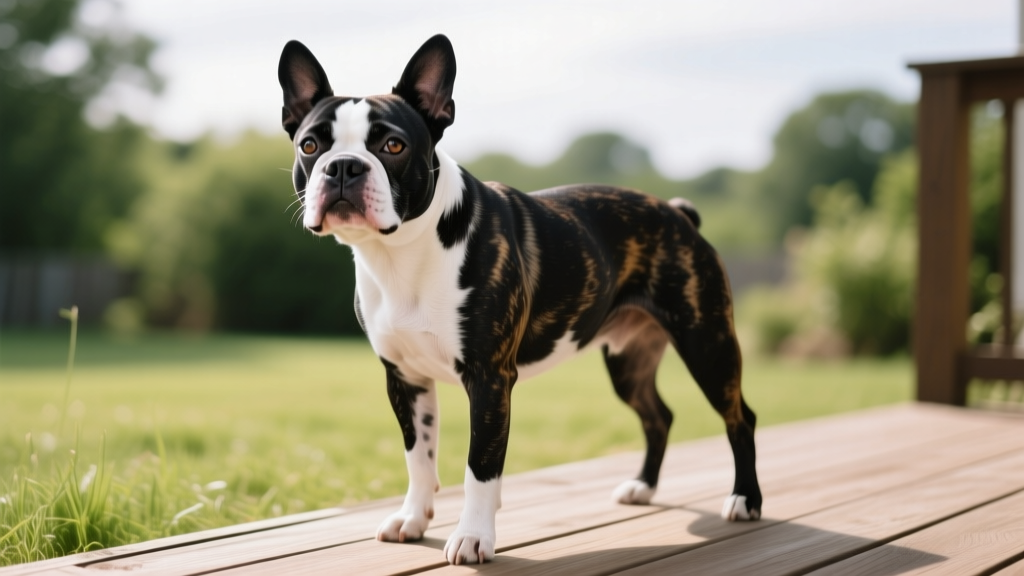
The Boston Terrier Pitbull mix — sometimes called the "Boston Pittie" or "Bully Boston" — pairs the tuxedoed charm of the Boston Terrier with the muscular athleticism of the American Pit Bull Terrier. It's a cross that produces a compact, stocky companion dog with a big personality, but because both parent breeds carry strong traits (and some serious health predispositions), prospective owners need clear-eyed information before committing.
This guide breaks down what you can reasonably expect from a Boston Terrier Pitbull mix, what remains unpredictable, and how to decide if this cross is the right fit for your household. All health and temperament information here should be discussed with your veterinarian, who can evaluate your individual dog.
Parent Breed Breakdown: What Goes Into This Mix
Understanding the parent breeds is essential because a first-generation (F1) Boston Terrier Pitbull mix can inherit any combination of traits from either side. Let's look at what the AKC-recognized Boston Terrier and the UKC-recognized American Pit Bull Terrier each bring to the table.
| Trait | Boston Terrier | American Pit Bull Terrier |
|---|---|---|
| Weight | 12–25 lb (5.4–11.3 kg) | 30–65 lb (13.6–29.5 kg) |
| Height | 15–17 in (38–43 cm) | 17–21 in (43–53 cm) |
| Coat | Short, smooth, fine | Short, smooth, stiff |
| Head Shape | Brachycephalic (flat-faced) | Mesocephalic (moderate muzzle) |
| Energy Level | Moderate; bursts of play | High; sustained stamina |
| Typical Lifespan | 11–13 years | 12–16 years |
| AKC/UKC Group | Non-Sporting (AKC) | Terrier (UKC) |
| Original Purpose | Companion, ratting | Farm work, bull-baiting (historical), companion |
The size gap between these two breeds is significant — a 12-pound Boston Terrier dam carrying puppies sired by a 60-pound Pit Bull Terrier faces serious whelping risks. Responsible breeders always pair the larger breed as the dam (mother) to reduce pregnancy and delivery complications.
Generations Explained: F1, F1B, and Multigen Boston Pitties
- F1 (First Generation): 50% Boston Terrier × 50% American Pit Bull Terrier. Maximum trait variability — each puppy in the litter may look and behave quite differently.
- F1B (First-Generation Backcross): An F1 Boston Pittie bred back to one of the parent breeds (usually the Pit Bull Terrier for size stability or the Boston Terrier for smaller size). Results in roughly 75/25 genetic split.
- F2 (Second Generation): Two F1 Boston Pitties bred together. Trait predictability actually decreases in F2 litters due to genetic recombination — puppies may strongly favor one grandparent breed.
- Multigen (F3+): Multiple generations of Boston Pittie-to-Boston Pittie breeding. Rare for this specific cross; most breeders don't pursue multigen lines because the parent breeds are so different in size.
Most Boston Terrier Pitbull mixes you'll encounter are F1 crosses. Multigen lines are uncommon because the size disparity between parents makes sustained breeding programs challenging. If a breeder advertises "multigen Boston Pitties," ask for documentation of at least three generations of health-tested breeding stock.
Size, Weight, and Physical Appearance
Because the parent breeds differ in weight by as much as 40+ pounds, predicting the adult size of a Boston Terrier Pitbull mix requires looking at the specific parents of the litter. Here's the realistic range:
| Measurement | Minimum (Boston-leaning) | Maximum (Pit Bull-leaning) |
|---|---|---|
| Adult Weight | 20 lb (9 kg) | 50 lb (22.7 kg) |
| Adult Height (at withers) | 15 in (38 cm) | 20 in (51 cm) |
| Build Type | Compact, stocky | Muscular, athletic |
Most F1 individuals land in the 25–40 lb (11–18 kg) range with a height of 16–19 inches. The body tends to be stocky and well-muscled, inheriting the Pit Bull's broad chest with the Boston's slightly shorter legs. Head shape is highly variable — some puppies inherit the brachycephalic (short-muzzled) Boston face, while others get the moderate-length Pit Bull muzzle. This distinction matters enormously for respiratory health, which we'll cover below.
Coat Type and Color Possibilities
Both parent breeds have short, smooth, single coats, so coat type is one of the more predictable traits in this mix. Expect:
- Length: Short (0.5–1 inch), lying close to the body
- Texture: Smooth to slightly stiff; not soft or silky
- Shedding: Moderate year-round; neither parent is a heavy shedder, but neither is low-shedding either
- Colors: Brindle, black, seal (black with reddish cast in sunlight), fawn, red, blue (dilute black), white markings, or the classic Boston "tuxedo" pattern (black with white chest, muzzle band, and blaze)
This mix is not hypoallergenic. Both parent breeds produce typical levels of dander and shed moderately. If you have dog allergies, this cross is unlikely to be a good fit.
Temperament: Best-Case and Challenging Scenarios
Temperament is where the variability of mixed-breed dogs becomes most apparent. Both parent breeds are people-oriented and eager to engage, but they express these traits differently.
- Friendly, outgoing with family members
- Playful without being hyperactive
- Eager to please; responds well to positive reinforcement training
- Tolerant of children when properly socialized
- Alert but not excessively vocal
- Adaptable to apartment living with adequate exercise
- Dog-directed reactivity or aggression (Pit Bull lineage can include same-sex aggression)
- High prey drive toward cats or small animals (terrier heritage from both sides)
- Stubbornness or selective listening during training
- Separation anxiety if left alone for long hours
- Resource guarding tendencies without early intervention
- Over-arousal during play, leading to rough mouthing
The Boston Terrier contributes a more easygoing, sometimes clownish disposition, while the American Pit Bull Terrier adds intensity, drive, and physical confidence. An individual puppy might be a laid-back couch companion or a high-drive athlete — and you often won't know which until the dog matures past 12–18 months.
Socialization is non-negotiable. Between 8 and 16 weeks of age, expose your Boston Pittie puppy to a wide range of people, other dogs (in controlled settings), surfaces, sounds, and environments. Use only positive reinforcement methods — treats, praise, play — and never force interactions. Force-free puppy kindergarten classes (look for CCPDT-certified trainers) are strongly recommended.
Health Considerations: Inherited Risks From Both Sides
Let's address a common myth: hybrid vigor does not eliminate health problems. While crossbreeding can reduce the risk of recessive disorders that require two copies of a faulty gene, a Boston Terrier Pitbull mix can still inherit dominant or polygenic conditions from either parent. According to the Merck Veterinary Manual, many of the conditions below are influenced by multiple genes and environmental factors, meaning mixed-breed dogs are not automatically protected.
| Condition | Inherited From | Prevalence / Notes |
|---|---|---|
| Brachycephalic Obstructive Airway Syndrome (BOAS) | Boston Terrier (if short muzzle inherited) | Affects ~50% of brachycephalic dogs; causes exercise intolerance, snoring, heat sensitivity |
| Hip Dysplasia | Both breeds | OFCA data shows ~14% of Pit Bulls and ~8% of Boston Terriers affected; higher in overweight dogs |
| Patellar Luxation | Boston Terrier (primarily) | Kneecap dislocation; common in small-to-medium breeds; grades I–IV |
| Allergies (Atopic Dermatitis) | Both breeds | Environmental and food allergies; presents as itchy skin, ear infections, paw licking |
| Cataracts (Hereditary) | Boston Terrier (primarily) | Can develop as early as 1–3 years; may lead to blindness if untreated |
| Cardiac Disease (Mitral Valve) | Boston Terrier | Progressive valve degeneration; more common in dogs over 8 years |
| Demytic Mange (Demodex) | Pit Bull Terrier (predisposition) | Immune-mediated skin condition; more prevalent in Pit Bull-type dogs |
Recommended health screenings before breeding either parent: OFA hip evaluation, OFA patella evaluation, CERF/CAER eye examination, and cardiac evaluation. Ask any breeder for documentation of these tests — not just a verbal assurance that the parents are "healthy."
If your Boston Pittie inherits the Boston Terrier's brachycephalic skull structure, be prepared for heat sensitivity (never exercise in temperatures above 80°F / 27°C without careful monitoring), potential need for surgical correction of elongated soft palate or stenotic nares, and higher anesthesia risk. Always inform your veterinarian about your dog's breed mix before any procedure.
Grooming, Exercise, and Daily Care
Grooming Needs
The short, single coat inherited from both parent breeds makes grooming straightforward:
- Brushing: Once or twice weekly with a rubber curry brush or bristle brush (e.g., Kong ZoomGroom or a standard hound glove) to remove loose hair and distribute skin oils
- Bathing: Every 4–8 weeks or as needed; use a mild, dog-specific shampoo — human shampoo disrupts canine skin pH
- Facial wrinkles: If your dog inherits Boston Terrier-style facial folds, clean them 2–3 times per week with a damp cloth or veterinary wipe (e.g., MalAcetic Wipes) to prevent yeast and bacterial infections
- Nails: Trim every 2–4 weeks; if you hear clicking on hard floors, they're too long
- Ears: Check weekly for redness, odor, or discharge; clean with a veterinary ear cleanser as needed
- Teeth: Daily brushing with enzymatic dog toothpaste is ideal; at minimum, brush 3 times per week and provide VOHC-approved dental chews
Exercise Requirements
Exercise needs vary based on which parent your dog favors, but plan for 45–75 minutes of daily activity:
- If brachycephalic (short muzzle): Shorter, more frequent walks (15–20 minutes, 2–3 times daily); avoid heat and humidity; swimming is excellent low-impact exercise but supervise closely — stocky bodies don't float easily
- If moderate muzzle: Longer walks, jogging (after 18 months when growth plates close), fetch sessions, flirt pole play, and structured activities like nosework or agility
- Mental stimulation: Both breeds are intelligent; provide puzzle feeders (Kong Classic, Outward Hound Nina Ottosson puzzles), training sessions, and scent games to prevent boredom-driven destructive behavior
Cost: Purchase Price, Ongoing Expenses, and Where to Find One
Purchase Price
Boston Terrier Pitbull mixes are not as widely produced as doodle-type crosses, so availability varies by region:
| Source | Cost Range | Notes |
|---|---|---|
| Responsible breeder (health-tested parents) | $600–$1,500 | Includes OFA/CAER documentation, early socialization, first vaccines, microchip, spay/neuter contract |
| Backyard breeder / online listing | $200–$600 | Typically no health testing; higher risk of inherited conditions and behavioral issues |
| Rescue / shelter adoption | $50–$350 | Often includes spay/neuter, vaccines, microchip; mixed-breed dogs of this type appear in Pit Bull-focused rescues and general shelters |
First-Year Estimated Costs
- Initial veterinary exam + vaccines: $200–$500
- Spay/neuter (if not included): $300–$700
- Quality food (AAFCO complete-and-balanced, 25–40 lb dog): $35–$65/month ($420–$780/year)
- Preventive medications (heartworm, flea/tick — e.g., Simparica Trio, Heartgard Plus): $150–$300/year
- Pet insurance (accident + illness, medium dog): $35–$65/month ($420–$780/year)
- Supplies (crate, bed, leash, harness, bowls, toys): $200–$400 one-time
- Training classes (puppy kindergarten + basic manners): $150–$350
Realistic first-year total: $1,800–$4,500 depending on source, location, and whether unexpected health issues arise. Budget-conscious owners should maintain an emergency fund of at least $1,000–$2,000 or carry pet insurance with a manageable deductible.
Who This Mix Suits Best
The Boston Terrier Pitbull mix thrives in specific household setups. Here's a practical decision framework:
| Factor | Good Fit | Poor Fit |
|---|---|---|
| Experience Level | Intermediate+ owners familiar with terrier-type dogs and positive reinforcement training | First-time owners unprepared for potential dog reactivity or stubbornness |
| Family Composition | Families with children 8+ who understand dog body language; adults-only homes | Homes with very young toddlers (stocky, energetic dog may accidentally knock over small children) |
| Other Pets | Opposite-sex dog companion; homes without small pets | Homes with cats, rabbits, or small dogs (prey drive risk); same-sex dog households (potential aggression) |
| Housing | Apartments or homes with yards, provided daily exercise is met | Homes where dog will be left alone 8+ hours daily (separation anxiety risk) |
| Activity Level | Active owners who walk, hike, or play daily | Sedentary households; owners unable to manage 45–75 min of daily activity |
| Local Regulations | Areas without breed-specific legislation (BSL) | Municipalities or HOAs that restrict Pit Bull-type dogs — check your local laws before adopting |
If you live in an area with breed-specific legislation, be aware that a Boston Terrier Pitbull mix may be classified as a restricted breed based on physical appearance, regardless of actual genetic composition. Check your city, county, and HOA regulations before bringing this mix home.
Frequently Asked Questions
What two breeds make up the Boston Terrier Pitbull mix?
This cross combines the Boston Terrier (an AKC Non-Sporting breed originally developed in Boston, Massachusetts, in the 1870s from English Bulldog and white English Terrier stock) and the American Pit Bull Terrier (a UKC-recognized breed descended from bulldog-and-terrier crosses brought to America in the 19th century). Both breeds share terrier ancestry, which contributes to the mix's tenacity and prey drive.
How big will a Boston Terrier Pitbull mix get?
Adult weight typically ranges from 20–50 lb (9–22.7 kg) and height from 15–20 inches (38–51 cm) at the shoulder. Most F1 individuals cluster around 25–40 lb. The only reliable way to estimate adult size is to know the weights of the specific sire and dam; a rough formula is to average the two parents' weights, though individual puppies can fall outside that range.
What will the temperament be like?
Expect a people-oriented, playful dog with moderate-to-high energy and terrier-type tenacity. The Boston side tends to contribute easygoing friendliness and clownish behavior, while the Pit Bull side adds confidence, drive, and intensity. Early socialization (8–16 weeks) and ongoing positive reinforcement training are essential to develop a well-adjusted adult dog. Individual temperament is not fully predictable in mixed breeds.
Is the Boston Terrier Pitbull mix hypoallergenic or low-shedding?
No. Both parent breeds have short, smooth coats that shed moderately year-round. This mix produces normal levels of dander and is not suitable for people with dog allergies. Regular brushing (1–2 times per week) helps manage loose hair but will not eliminate shedding.
What health issues might this mix inherit?
Key conditions include Brachycephalic Obstructive Airway Syndrome (BOAS, if the short muzzle is inherited), hip dysplasia, patellar luxation, hereditary cataracts, atopic dermatitis (allergies), and cardiac disease. Consult your veterinarian about appropriate screening tests and maintain a healthy body condition score (BCS 4–5/9) to reduce joint stress. Always discuss your dog's breed mix with your vet before anesthesia.
How much does a Boston Terrier Pitbull mix cost?
From a responsible breeder with health-tested parents, expect to pay $600–$1,500. Adoption from a rescue or shelter typically costs $50–$350. First-year total ownership costs (food, vet care, insurance, supplies, training) range from $1,800–$4,500. Ongoing annual costs after the first year typically run $1,200–$2,500.
Can I find this mix in a rescue?
Yes. Pit Bull-type mixes are among the most common dogs in U.S. shelters, and a stocky, short-coated dog with Boston Terrier markings may be labeled as a "Boston Pittie" or simply a "mixed breed." Check Pit Bull-specific rescues (such as local Pit Bull advocacy organizations), Petfinder, and your municipal shelter. Adopting an adult dog (2+ years) has the advantage of known temperament and size.
Are Boston Terrier Pitbull mixes good with children?
Well-socialized individuals can be excellent with children, particularly older kids (8+) who understand how to interact respectfully with dogs. Both parent breeds are known for affection toward people. However, any dog — regardless of breed — should be supervised around children, and interactions should be guided by positive reinforcement. Teach children to recognize canine stress signals (lip licking, whale eye, stiffening, turning away).
Disclaimer: This article provides general breed information and should not replace professional veterinary advice. Always consult your veterinarian for health decisions specific to your individual dog. If you suspect your dog has ingested a toxic substance, contact the ASPCA Animal Poison Control Center at (888) 426-4435 (24/7, consultation fee applies) or the Pet Poison Helpline at (855) 764-7661 immediately.
Beth Carrasco
All our authors care for dogs every day — read more of their work on the authors page.


