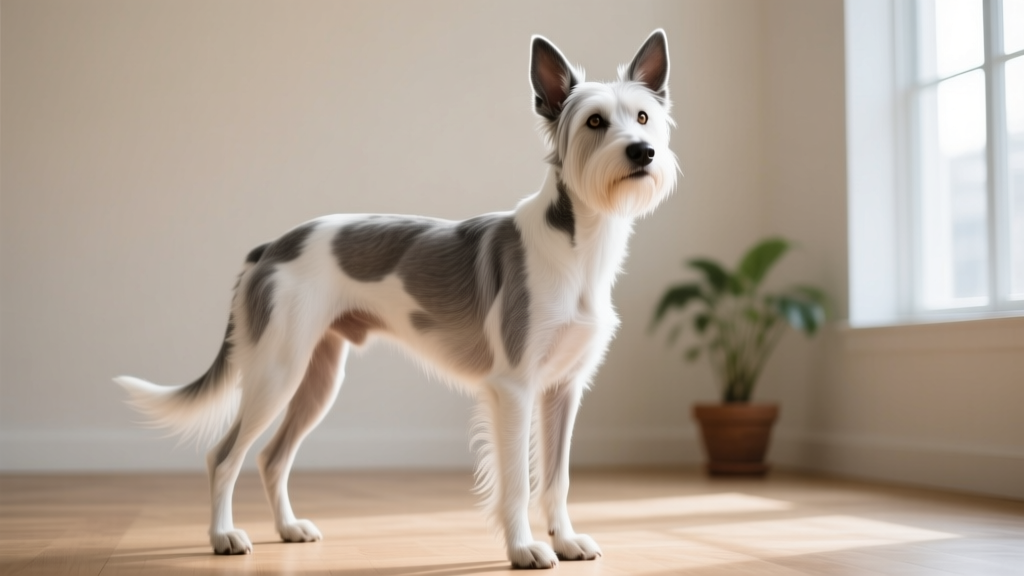
Peekapoo Dog: The Complete Pekingese-Poodle Mix Guide
the Peekapoo dog: size, coat types, temperament variability, health risks from both parent breeds, grooming, and 2026 pricing.

If you've been researching small companion dogs that might suit apartment living or a lower-activity household, you've probably encountered the Peekapoo dog — a designer cross between the Pekingese and the Poodle (typically the Miniature or Toy variety). This mix has been around longer than most "designer breeds," dating back to the 1950s and 1960s when breeders first began intentionally crossing Poodles with other breeds to create low-shedding companions. But unlike the highly standardized Doodle mixes that dominate today's market, the Peekapoo remains a highly variable cross, and that variability is exactly what prospective owners need to understand before committing.
This guide breaks down what you can realistically expect from a Peekapoo — including the traits that are fairly predictable, the ones that are essentially a genetic coin flip, and the health considerations inherited from both parent breeds. No hype, no "perfect hypoallergenic dog" promises — just practical information to help you decide if this mix fits your life.
The Parent Breeds: Pekingese Meets Poodle
Understanding a Peekapoo starts with understanding the two breeds behind it. These parent breeds are, in many ways, polar opposites — which is precisely why their offspring can be so unpredictable.
| Trait | Pekingese | Miniature/Toy Poodle |
|---|---|---|
| AKC Group | Toy | Toy (Toy Poodle) / Non-Sporting (Miniature) |
| Weight Range | 7–14 lb (3.2–6.4 kg) | 4–6 lb Toy; 10–15 lb Miniature (1.8–6.8 kg) |
| Height | 6–9 in (15–23 cm) | 10 in and under (Toy); 10–15 in (Miniature) |
| Coat Type | Long, straight, double coat with heavy mane | Dense, curly, single coat |
| Shedding Level | Moderate to heavy | Low (often cited as low-shedding) |
| Energy Level | Low; short walks suffice | Moderate to high; needs mental stimulation |
| Trainability | Independent, can be stubborn | Highly trainable, eager to learn |
| Barking Tendency | High — alert and vocal | Moderate to high |
| Lifespan | 12–14 years | 12–15 years (Toy); 12–14 years (Miniature) |
| Key Health Risks | Brachycephalic airway issues, IVDD, eye problems | Patellar luxation, Addison's disease, progressive retinal atrophy |
The Pekingese is an ancient Chinese breed originally kept by royalty — they're bold, loyal to their person, and physically built with a flat face (brachycephalic structure), a long body, and short legs. The Poodle, contrary to its fancy show-dog reputation, is one of the most intelligent and athletic breeds in existence, originally bred as a water retriever. When you cross these two, you're blending a sedentary, independent brachycephalic breed with an energetic, highly trainable athletic breed. The result is genuinely hard to predict.
Generations Explained: F1, F1B, and Multigen Peekapoos
- F1 (First Generation): One purebred Pekingese parent + one purebred Poodle parent. Maximum genetic diversity, but highest trait variability. An F1 Peekapoo could look and behave very differently from its littermates.
- F1B (First Generation Backcross): An F1 Peekapoo bred back to one of the parent breeds (usually the Poodle, to increase the likelihood of a low-shedding coat). Slightly more predictable coat type, but still variable.
- F2 (Second Generation): Two F1 Peekapoos bred together. This is where genetics get highly unpredictable — you can get puppies that strongly favor one grandparent breed or land anywhere in between.
- Multigen (F3 and beyond): Multiple generations of Peekapoo-to-Peekapoo breeding. Some multigen lines achieve more consistency, but because the Peekapoo is not recognized as a breed by any major registry (AKC, UKC, FCI), there is no breed standard enforcing uniformity.
Most Peekapoos you'll encounter are F1 or F1B crosses. Unlike the Goldendoodle or Labradoodle, which have active multigen breeding programs working toward consistency, the Peekapoo remains a relatively niche designer mix. This means you're almost always getting a dog with significant individual variation. If a breeder tells you their F2 Peekapoo puppies are "guaranteed hypoallergenic," that's a red flag — no responsible breeder makes that claim for a variable cross.
Size, Appearance, and Coat: The Variability Spectrum
One of the most common questions prospective owners ask is: "How big will my Peekapoo get?" The honest answer is that it depends heavily on which Poodle variety was used (Toy or Miniature) and which parent's size genes dominate.
| Size Category | Weight | Height at Shoulder | Likely Parentage |
|---|---|---|---|
| Small (Toy Poodle cross) | 4–10 lb (1.8–4.5 kg) | 6–10 in (15–25 cm) | Pekingese × Toy Poodle |
| Medium (Miniature Poodle cross) | 10–20 lb (4.5–9.1 kg) | 9–15 in (23–38 cm) | Pekingese × Miniature Poodle |
Most Peekapoos fall in the 8–15 lb (3.6–6.8 kg) range, but outliers exist in both directions. There's no reliable way to predict exact adult size from an 8-week-old puppy — paw size is a rough indicator at best, and growth curves vary. Expect your Peekapoo to reach close to full size by 9–12 months, with some filling out through 18 months.
Coat Type Possibilities
The coat is where the genetic lottery is most visible. A single litter can produce puppies with three distinct coat types:
- Poodle-dominant coat: Curly or wavy, low-shedding, requires professional grooming every 6–8 weeks. Closest to what people mean by "hypoallergenic," though no dog is truly hypoallergenic.
- Pekingese-dominant coat: Straighter, longer, with a softer undercoat. Moderate shedding, especially during seasonal coat blows. Requires daily to every-other-day brushing to prevent matting.
- Mixed/intermediate coat: Wavy with some curl, moderate shedding, and moderate grooming demands. The most common outcome in F1 crosses.
Is the Peekapoo hypoallergenic? Not reliably. If a Peekapoo inherits the Poodle's single-layer curly coat, it will shed less and may produce fewer allergic reactions in sensitive individuals. But if it inherits the Pekingese's double coat, shedding will be moderate and dander dispersal higher. Allergy sufferers should spend time with the specific puppy or adult dog before committing — and understand that even low-shedding dogs produce allergenic proteins in saliva and skin cells.
Temperament: Best-Case and Challenging Scenarios
The Peekapoo's temperament sits on a wide spectrum. Here's what the range looks like in practice:
Your Peekapoo inherits the Poodle's intelligence and trainability paired with the Pekingese's calm, affectionate nature. You get a dog that learns quickly, enjoys moderate play sessions, bonds closely with family, tolerates strangers politely, and settles well in an apartment. Alert enough to bark at the doorbell, but not prone to nuisance barking. Good with respectful older children.
Your Peekapoo inherits the Pekingese's stubborn independence and wariness of strangers combined with the Poodle's high alertness and sensitivity. You get a dog that barks excessively at any sound, resists training with willful determination, snarls or snaps when handled in ways it dislikes, and develops separation anxiety when left alone. May not tolerate young children or unfamiliar dogs.
Most Peekapoos land somewhere between these extremes — affectionate with their family, somewhat reserved with strangers, moderately trainable with patience and positive reinforcement, and prone to at least some vocal tendencies. Early socialization (exposure to varied people, environments, sounds, and handling between 8 and 16 weeks) is critical regardless of where your puppy falls on the spectrum.
Training Approach
Peekapoos respond best to positive reinforcement methods — treats, praise, play rewards for desired behaviors. Keep sessions short (5–10 minutes for puppies, up to 15 minutes for adults) because both parent breeds can lose interest in repetitive drills. Never use aversive tools like shock collars or prong collars; these damage the trust of sensitive dogs and can worsen fear-based barking and reactivity. If you're struggling with stubbornness, a certified force-free trainer (look for CCPDT or IAABC credentials) can help you find motivational strategies that work for your individual dog.
Health Considerations: Hybrid Vigor Myth vs. Reality
One of the most persistent myths in the designer dog world is that crossbreeding automatically produces healthier dogs through "hybrid vigor" (heterosis). Here's the reality: while outcrossing can reduce the risk of recessive genetic conditions that are common in one parent breed, it does not eliminate the risk of conditions that both parent breeds share, nor does it protect against structural problems inherited from either side.
A Peekapoo can inherit health conditions from either or both parent breeds. Here's what to screen for:
| Condition | Origin Breed | Prevalence Notes | Screening/Prevention |
|---|---|---|---|
| Brachycephalic Obstructive Airway Syndrome (BOAS) | Pekingese | High in Pekes; risk in Peekapoo depends on muzzle length inheritance | Avoid puppies with extremely flat faces; monitor for noisy breathing, exercise intolerance |
| Intervertebral Disc Disease (IVDD) | Pekingese (also Poodles) | Both breeds carry risk; long-backed, short-legged conformation increases vulnerability | Maintain lean body weight; use ramps for furniture; avoid jumping from heights |
| Patellar Luxation | Poodle (also Pekingese) | Common in small breeds overall; estimated 5–10% prevalence in toy breeds | Ask breeder for OFA patella evaluation; watch for "skipping" gait |
| Progressive Retinal Atrophy (PRA) | Poodle | Recessive gene; can appear in crossbreeds if both parents carry it | DNA test available; responsible breeders test parent dogs |
| Addison's Disease | Poodle | Higher prevalence in Poodles than general population | Watch for lethargy, vomiting, weakness; diagnosis via ACTH stimulation test |
| Dental Disease | Both | Very common in all small breeds; crowded teeth accelerate tartar buildup | Daily tooth brushing; veterinary dental cleanings as needed (typically $300–$800 per cleaning under anesthesia) |
| Keratoconjunctivitis Sicca (Dry Eye) | Pekingese | Flat-faced breeds prone to eye conditions; prominent eyes at risk of injury | Schirmer tear test at annual vet visits; watch for squinting, discharge |
The bottom line on health: A responsibly bred Peekapoo whose parents have been health-tested (OFA patella, OFA cardiac, CERF eye exam, and relevant DNA panels) has a better chance of avoiding inherited conditions — but there are no guarantees. Budget for potential veterinary costs, and seriously consider pet insurance. For a small dog, comprehensive accident-and-illness plans typically run $25–$50/month in 2026, which can offset the $3,000–$7,000 cost of IVDD surgery if that condition develops.
Always consult your veterinarian about breed-appropriate health screening and preventive care schedules for your individual Peekapoo.
Grooming: What Your Peekapoo's Coat Will Actually Require
Grooming needs depend entirely on which coat type your Peekapoo inherits, and you often won't know the final coat texture until the puppy is 6–9 months old (the adult coat comes in differently than the puppy coat).
If the coat is curly/wavy (Poodle-dominant):
- Brush every 1–2 days with a slicker brush to prevent matting at the skin level
- Professional grooming every 6–8 weeks ($50–$90 per session depending on your area)
- Regular ear cleaning — floppy, hairy ears trap moisture and predispose to ear infections (otitis externa)
- Bathing every 3–4 weeks with a dog-specific, pH-balanced shampoo
If the coat is straight/long (Pekingese-dominant):
- Daily brushing with a pin brush and metal comb — mats form quickly behind ears, under legs, and around the hindquarters
- Professional grooming every 8–12 weeks, or keep the coat trimmed short (a "puppy cut") for easier maintenance
- Face cleaning daily if the dog has facial wrinkles or a shorter muzzle — tear staining and skin fold infections are common
- Expect seasonal shedding periods (spring and fall) lasting 2–4 weeks
Universal grooming needs regardless of coat type: nail trims every 2–4 weeks (overgrown nails affect gait and can cause joint pain), daily tooth brushing with enzymatic dog toothpaste, and regular eye wiping if the dog has prominent eyes or tear staining.
Cost Breakdown: Purchase Price, Annual Care, and Budget Planning
| Expense Category | Low Range | Mid Range | High Range |
|---|---|---|---|
| Puppy purchase (from breeder) | $500 | $1,000–$1,500 | $2,500+ |
| Adoption fee (rescue/shelter) | $100 | $250–$400 | $600 |
| Initial veterinary (vaccines, spay/neuter, microchip) | $300 | $500–$700 | $1,000 |
| Annual food (quality small-breed kibble or balanced diet) | $200 | $350–$500 | $700+ |
| Annual grooming (based on coat type) | $0 (home-groomed) | $350–$550 | $900+ |
| Annual veterinary (wellness, preventives, dental) | $400 | $600–$900 | $1,500+ |
| Pet insurance (monthly premium × 12) | $300 | $420–$540 | $720 |
| First-year total (excluding purchase) | $1,200 | $2,200–$3,200 | $4,800+ |
Finding a Peekapoo: Because this is a niche designer mix, dedicated Peekapoo breeders are relatively uncommon. You'll find most litters through small-scale hobby breeders who may only produce one or two litters per year. Prices under $500 should raise concerns about health testing and breeding practices — responsible breeders invest $1,000–$3,000+ per parent dog in health screening before breeding. Always ask for documentation of OFA or PennHIP evaluations, DNA test results, and a health guarantee with a return clause.
Rescue availability is limited but not zero. Check Poodle-specific rescues (many take in Poodle mixes) and Pekingese rescues, as well as general small-breed rescues. Sites like Petfinder and Adopt-a-Pet allow you to search by mix type. Adopting an adult Peekapoo has the advantage of known size, coat type, and temperament — removing much of the variability guesswork.
Who the Peekapoo Suits Best (and Who Should Look Elsewhere)
The Peekapoo is a strong fit for:
- Apartment dwellers who want a compact companion dog that doesn't need a yard
- Lower-activity households — this is not a hiking partner; 20–40 minutes of daily walking plus indoor play is usually sufficient
- Adults and families with older children (10+) who understand how to handle small dogs gently
- Single-person households or retirees looking for a devoted lap companion
- People with mild dog allergies — but only if the individual dog has been tested for coat type and allergen response before adoption
The Peekapoo is NOT ideal for:
- Families with toddlers or very young children — small dogs are fragile, and a Peekapoo with Pekingese temperament may not tolerate rough handling
- People who work long hours away from home — both parent breeds are companion-oriented and prone to separation distress
- First-time owners unprepared for stubbornness — the Pekingese independence gene can make house training and recall training a multi-month project
- Those wanting a predictable, standardized dog — if you need to know exactly what you're getting in terms of size, coat, and temperament, a purebred from a well-tested line offers more predictability
- Multi-pet households with large dogs — the Peekapoo's small size makes it vulnerable to accidental injury during play
Frequently Asked Questions
What two breeds make up a Peekapoo?
A Peekapoo is a cross between a Pekingese and a Poodle — usually a Toy Poodle or Miniature Poodle, depending on the desired size of the offspring. Some breeders use Moyen (medium) Poodles, but this is less common and produces a larger dog.
How big will a Peekapoo get?
Most Peekapoos weigh between 8 and 15 lb (3.6–6.8 kg) and stand 8–12 inches (20–30 cm) at the shoulder. However, the range extends from as small as 4 lb (1.8 kg) to as large as 20 lb (9.1 kg) depending on parentage. Ask the breeder for the exact weights of both parent dogs for the best estimate.
What will a Peekapoo's temperament be like?
Temperament varies widely. Most Peekapoos are affectionate with family, somewhat reserved with strangers, moderately playful, and vocal. They tend to bond closely with one or two people. Trainability ranges from eager (Poodle-dominant) to willfully independent (Pekingese-dominant). Early socialization and consistent positive reinforcement training are essential regardless of temperament leaning.
Is the Peekapoo hypoallergenic or low-shedding?
Not reliably. A Peekapoo with a Poodle-dominant curly coat will shed minimally and may suit some allergy sufferers. A Peekapoo with a Pekingese-dominant coat will shed moderately, especially seasonally. No dog is truly hypoallergenic — allergens are found in saliva, dander, and urine, not just shed hair. Always spend time with the specific dog before committing.
What health issues might a Peekapoo inherit?
Key concerns include Brachycephalic Obstructive Airway Syndrome (BOAS) if the dog inherits a flat face, Intervertebral Disc Disease (IVDD) from the long-backed conformation, patellar luxation (knee issues common in small breeds), progressive retinal atrophy, Addison's disease, and dental disease. Responsible breeders health-test parent dogs to reduce — but not eliminate — these risks. Always consult your veterinarian for a breed-appropriate health monitoring plan.
How much does a Peekapoo cost?
Expect to pay $500–$2,500 for a Peekapoo puppy from a breeder, with most falling in the $1,000–$1,500 range. Adoption fees from rescues typically run $100–$600. First-year care costs (food, vet, grooming, insurance, supplies) add another $1,200–$4,800 depending on your region and the dog's needs. Ongoing annual costs typically range from $1,000–$3,000.
How long do Peekapoos live?
Most Peekapoos live 12–15 years, with some reaching 16 or 17 years with good care. Small breeds generally outlive large breeds, and maintaining a lean body condition score (BCS 4–5 out of 9) throughout life is one of the most impactful things you can do to maximize longevity.
Aaron Whyte
All our authors care for dogs every day — read more of their work on the authors page.