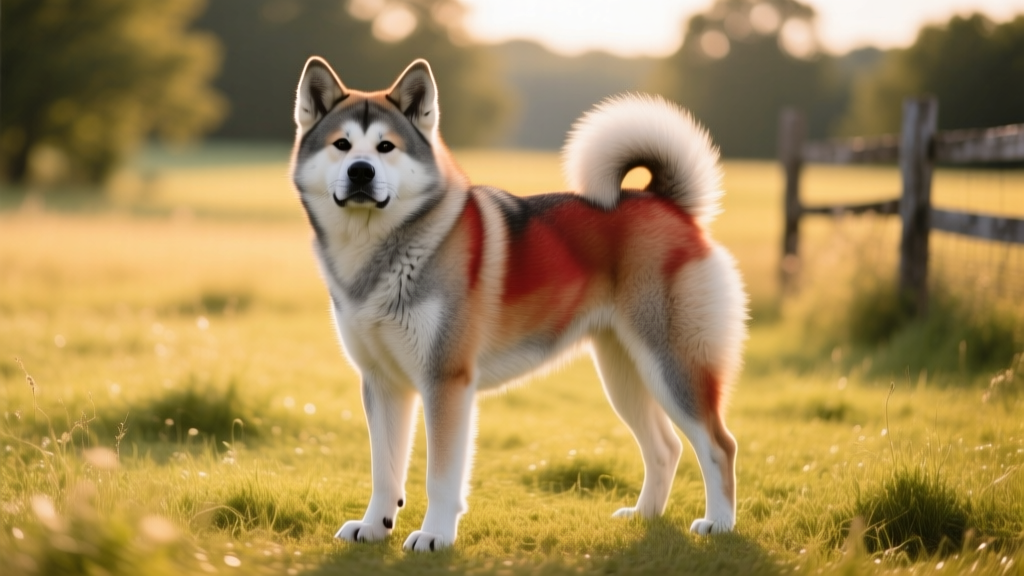
Otterhound Breed Profile: The Rarest Scent Hound You've Never Met
Complete Otterhound breed guide covering history, temperament, health risks, grooming needs, and where to find one of the world's rarest scent hounds.

A Living Relic: Meeting the Otterhound
If you've never seen an Otterhound in person, you're not alone. With fewer than 800 individuals estimated worldwide and roughly 300-400 in the United States, this shaggy, deep-chested scent hound ranks among the rarest dog breeds on the planet. The American Kennel Club classifies the Otterhound in its Foundation Stock Service and previously listed the breed in the Miscellaneous Class before full recognition. The UK's Kennel Club registers only 30-50 Otterhound puppies annually — fewer than the giant panda population in some conservation programs.
Yet those who live with Otterhounds describe them as irresistibly charming: clownish, vocal, affectionate, and stubbornly independent in equal measure. This guide covers everything a prospective owner needs to know about a breed that most people will only ever encounter in photographs.
| Attribute | Detail |
|---|---|
| Weight (Male) | 80–115 lb / 36–52 kg |
| Weight (Female) | 65–90 lb / 29–41 kg |
| Height (Male) | 27 in / 69 cm at shoulder |
| Height (Female) | 24 in / 61 cm at shoulder |
| Lifespan | 10–13 years |
| Coat | Dense, rough, waterproof double coat; 2–4 in length |
| Energy Level | High — 60–90+ minutes vigorous daily exercise |
| Grooming | Moderate to high — weekly brushing, beard cleaning, seasonal stripping |
| Family Fit | Best with older children; patient but boisterous |
| AKC Group | Hound Group |
| Rarity Status | Vulnerable Native Breed (UK Kennel Club); estimated <800 worldwide |
Origins: Bred for River Work in Medieval England
The Otterhound's story begins in medieval Britain, where otter hunting was both sport and practical pest control. River otters were decimating fish stocks on private estates, and nobles needed a dog capable of pursuing prey through cold, fast-moving water across rough terrain. The earliest documented references to "otter dogs" appear in 14th-century manuscripts, though the breed as we recognize it today was refined during the 18th and 19th centuries in northern England — particularly Lancashire, Yorkshire, and the Scottish Borders.
Breeders reportedly crossed rough-coated bloodhounds, harriers, and possibly French Griffon Vendeen-type dogs with local water dogs to produce a hound with extraordinary scenting ability, a waterproof coat, and the stamina to swim for hours. The Otterhound's large, webbed feet and dense undercoat are direct legacies of this working purpose.
When otter hunting was banned in England in 1978 (otters were granted protected status), the breed's primary job disappeared overnight. A handful of dedicated breeders transitioned Otterhounds to companion and show dogs, but the population bottleneck from that era persists. The UK Kennel Club designated the Otterhound as a Vulnerable Native Breed, meaning fewer than 300 puppies are registered annually in its home country.
The AKC recognized the Otterhound in 1909, and the FCI (Fédération Cynologique Internationale) lists it under Group 6 (Scent Hounds), Standard No. 294. Despite over a century of recognition, the breed remains exceedingly rare in the United States, with the Otterhound Club of America estimating only a few dozen active breeders nationwide.
What Sets the Otterhound Apart Physically
Several features distinguish the Otterhound from every other hound breed:
- Waterproof double coat: The outer coat is rough, crisp, and 2–4 inches long, while the undercoat is dense, woolly, and slightly oily. This combination sheds water so effectively that an Otterhound can swim in near-freezing rivers and emerge with dry skin beneath the outer layer.
- Webbed feet: Unusually large, round feet with well-arched toes and thick pads. The webbing between toes is more pronounced than in most breeds — an adaptation for swimming efficiency.
- Distinctive head: A large, narrow skull with a pronounced occiput, long muzzle, and deep flews (lip folds). The shaggy eyebrows and mustache give the Otterhound a perpetually bemused expression.
- Size and build: Males stand 27 inches at the shoulder and weigh up to 115 lb — making them one of the tallest and heaviest scenthounds. Their deep chest and powerful hindquarters reflect the endurance needed for all-day river work.
- Voice: Otterhounds possess a deep, booming bark that carries over long distances — originally bred to alert hunters from water to shore. Expect vocalization, especially when the dog detects an interesting scent.
Accepted coat colors include grizzle, wheaten, red, blue, and various combinations with white markings. The coat texture should be harsh to the touch — soft or silky coats are considered a breed fault because they lack waterproofing.
Temperament: What Surprises First-Time Otterhound Owners
Otterhounds confound expectations. People assume a large hound will be sedate; Otterhounds are exuberantly playful well into adulthood. People assume a scenthound will be aloof; Otterhounds are deeply affectionate and seek physical contact with their families. Here's what consistently surprises new owners:
The clown factor. Otterhounds have a comedic sensibility. They steal socks, splash in puddles with theatrical enthusiasm, and perform what breed enthusiasts call the "Otterhound wiggle" — a full-body wag involving their entire rear half. This playfulness persists throughout their lives, not just in puppyhood.
Vocal range. Beyond the signature boom, Otterhounds grunt, groan, mutter, and "talk" in a way that owners describe as conversational. They will narrate their activities. If you need a quiet dog for apartment living, this breed is a poor match.
Independent problem-solving. Otterhounds think for themselves — a trait honed by centuries of working semi-independently in rivers. They are not disobedient, but they evaluate whether a command is worth following. Positive reinforcement training works well; harsh methods or repetitive drills cause Otterhounds to disengage entirely. Keep training sessions under 10 minutes and make them fun.
Nose-driven existence. An Otterhound on a scent trail becomes deaf to commands. Off-leash exercise is only safe in fully fenced areas (minimum 6-foot fence recommended, as some Otterhounds are athletic jumpers). A secure yard is non-negotiable for this breed.
Is an Otterhound Right for Your Family?
- Best fit: Active households with securely fenced yards, older children (8+), experience with independent hound breeds, tolerance for noise and mess
- Poor fit: Apartment dwellers, first-time owners seeking an easy-to-train dog, families with very small children (Otterhounds are gentle but their 100+ lb frame can accidentally knock over toddlers), people bothered by dog hair, drool, and muddy paw prints
- Other pets: Generally good with other dogs; high prey drive means cats, rabbits, and small animals require careful introduction and management
Special Care Requirements Unique to the Otterhound
Otterhounds are not a "wash and wear" breed. Their working coat, large size, and active nature demand specific care routines that differ from most companion breeds.
Coat maintenance. The rough outer coat requires thorough brushing at least twice weekly with a slicker brush and undercoat rake to prevent matting, particularly behind the ears, under the legs, and around the collar area. Many owners learn to hand-strip dead coat seasonally (spring and fall) to maintain proper texture — clipping softens the coat and reduces its waterproofing ability. Professional groomers unfamiliar with the breed often make the mistake of scissoring the coat too short; find a groomer experienced with rough-coated hounds or terriers.
Beard and facial hair. The Otterhound's long facial hair collects food, water, and debris. Owners report needing to wash and dry the beard daily — some keep a dedicated "beard towel" by the food bowl. Without regular cleaning, the beard develops an unpleasant odor and can harbor bacterial or yeast infections in the skin folds.
Exercise requirements. A minimum of 60–90 minutes of vigorous daily activity is essential. Otterhounds excel at hiking, swimming, scent work, and canine field trials. A 20-minute walk around the block will leave an Otterhound frustrated and prone to destructive behavior. Access to water for swimming is ideal — many Otterhounds will seek out any available body of water, from lakes to backyard kiddie pools to muddy ditches.
Feeding considerations. As a giant-breed dog with a deep chest, Otterhounds are at elevated risk for gastric dilatation-volvulus (bloat). Feed 2–3 smaller meals daily rather than one large meal, avoid exercise for one hour before and after eating, and know the signs of bloat: restlessness, unproductive retching, distended abdomen, and rapid breathing. Bloat is a life-threatening emergency requiring immediate veterinary intervention.
Breed-Specific Health Concerns
Like all breeds, Otterhounds carry predispositions to certain conditions. Responsible breeders screen for these issues, but prospective owners should understand the risks and associated costs.
| Condition | Estimated Prevalence | Screening Method | Typical Treatment Cost (USD) |
|---|---|---|---|
| Hip Dysplasia | ~12–15% (OFA data) | OFA/PennHIP radiographs | $3,500–$7,000 (surgical) |
| Elbow Dysplasia | ~8–10% | OFA radiographs | $2,000–$5,000 (surgical) |
| Gastric Dilatation-Volvulus (Bloat) | Elevated risk (deep-chested breed) | No pre-screening; preventive gastropexy available | $1,500–$2,500 (preventive); $5,000–$10,000 (emergency) |
| Canine Thrombopathia (platelet disorder) | Identified in breed; rare | DNA test available | Management only; avoid NSAIDs |
| Idiopathic Epilepsy | Reported; prevalence unknown | Neurological exam, MRI | $200–$500/month (medication) |
| Ear Infections (otitis externa) | Common (pendant ears + moisture) | Veterinary otoscopic exam | $100–$300 per episode |
The Orthopedic Foundation for Animals (OFA) maintains a publicly searchable database of Otterhound health screenings. When evaluating a breeder, request OFA certificates for both parents' hips and elbows, as well as DNA test results for Canine Thrombopathia.
Because the gene pool is small, inbreeding coefficients (COI) are a legitimate concern. Ask breeders for the COI of any puppy you're considering — a COI below 5% is ideal, though in a breed this rare, some litters may range from 5–10%. Breeders actively working to maintain genetic diversity may outcross or import breeding stock from the UK or Europe.
Bloat Emergency Warning: If your Otterhound shows signs of gastric dilatation-volvulus — pacing, drooling, attempting to vomit without success, swollen abdomen — go to the nearest emergency veterinary hospital immediately. GDV can be fatal within hours. Do not wait. Consult your veterinarian about prophylactic gastropexy at the time of spay/neuter.
Finding an Otterhound: Availability, Pricing, and Breeder Guidance
Purchasing an Otterhound requires patience. Wait times of 12–24 months are common, and many breeders maintain waiting lists rather than producing puppies on speculation. In some years, fewer than five litters are born in the entire United States.
Typical pricing: Otterhound puppies from health-tested, AKC-registered breeders typically cost $2,500–$4,000 in 2026. This is higher than many popular breeds, reflecting the small litter sizes (average 5–7 puppies), extensive health testing, and limited supply. Imported puppies from UK breeders may cost $4,000–$6,000+ after transport.
Where to look: The Otterhound Club of America (OHCA) maintains a breeder referral list and is the most reliable starting point. Contact them well in advance and be prepared for a thorough interview — responsible Otterhound breeders screen buyers carefully because they know every puppy matters for the breed's future.
Red flags to avoid:
- Breeders who always have puppies available or advertise on general marketplace sites
- No OFA or PennHIP health testing documentation for parent dogs
- Unwillingness to let you visit the breeding facility and meet the dam
- No take-back clause in the purchase contract (responsible breeders require puppies be returned to them if the owner cannot keep the dog, at any point in the dog's life)
- Prices significantly below $2,000 or above $6,000 without clear justification
Adoption and rescue: Otterhound rescues are rare due to the small population, but the OHCA occasionally assists with rehoming adult dogs. Adopting an adult Otterhound can be an excellent option — you get a known temperament and skip the most demanding puppy months. Check with the OHCA and general hound rescue organizations like the American Hound Dog Rescue Alliance.
Otterhound vs. Similar Breeds: How Does It Compare?
If you're drawn to the Otterhound's appearance or temperament but aren't certain about the rarity and care demands, here's how it stacks up against more accessible breeds with similar traits.
| Trait | Otterhound | Bloodhound | Black & Tan Coonhound |
|---|---|---|---|
| Weight | 65–115 lb / 29–52 kg | 80–110 lb / 36–50 kg | 45–75 lb / 20–34 kg |
| Coat | Rough, waterproof double coat | Short, smooth | Short, smooth |
| Exercise Needs | 60–90+ min/day | 30–60 min/day | 60+ min/day |
| Vocalization | Very high — booms, grunts, "talks" | High — deep howl | High — distinctive "bawl" |
| Trainability | Moderate — independent thinker | Low to moderate — scent-driven | Moderate — responds to positive methods |
| Water Affinity | Very high — bred for swimming | Low to moderate | Low to moderate |
| Grooming | High — brushing, beard care, stripping | Low — weekly wipe-down | Low — weekly brushing |
| Availability | Extremely rare — 12-24 month wait | Moderate — widely available | Good — readily available |
| Puppy Cost (2026) | $2,500–$4,000 | $1,200–$2,500 | $600–$1,500 |
The Bloodhound shares the Otterhound's scenting prowess and gentle temperament but requires far less grooming and is much easier to find. The Black and Tan Coonhound offers similar energy and independence in a smaller, lower-maintenance package. Neither breed matches the Otterhound's swimming ability or waterproof coat, however.
Real Owner Insights: Living with an Otterhound Day to Day
Conversations with Otterhound owners reveal consistent themes about daily life with this breed:
Mud is a lifestyle. Otterhounds love water and mud with equal passion. Owners report that their dogs will seek out the muddiest spot in any yard, roll in it, and then attempt to come inside. A high-quality dog towel station by the back door is essential. Many owners keep Otterhounds out of carpeted rooms entirely.
They eat like they swim — enthusiastically. Budget $80–$150 per month for high-quality large-breed kibble or a balanced raw diet. An adult male Otterhound may consume 4–6 cups of food daily. Add in heartworm prevention, flea/tick medication, and joint supplements, and annual food and preventive care costs run $1,500–$2,500.
Drool is manageable but present. While not as prolific as a Mastiff or Newfoundland, Otterhounds do drool — particularly after drinking water, due to their deep flews. A quick wipe with a cloth after drinking keeps furniture relatively clean.
They bond deeply. Otterhounds form strong attachments to their families and do not do well left alone for 8+ hours daily. Separation anxiety is reported more frequently in this breed than in many other hounds. If you work long hours away from home, consider a dog walker, daycare, or a companion dog.
They age gracefully. Many Otterhounds remain playful and active into their senior years (10+). Joint supplements (glucosamine/chondroitin, omega-3 fatty acids) started in early adulthood may help support long-term mobility. Consult your veterinarian about an appropriate supplement regimen for your individual dog.
Frequently Asked Questions
How rare is the Otterhound today?
The Otterhound is one of the rarest dog breeds in the world. The global population is estimated at fewer than 800 dogs, with only 30–50 puppies registered annually in the UK and a similarly small number in the United States. The UK Kennel Club lists it as a Vulnerable Native Breed. Finding a puppy typically requires joining a waiting list 12–24 months in advance.
Is the Otterhound suitable for first-time dog owners?
Generally, no. Otterhounds are best suited to owners with prior experience handling independent, strong-willed hound breeds. Their size (up to 115 lb), exercise demands, grooming requirements, and training challenges make them a poor choice for someone who has never owned a dog before. That said, a committed first-time owner who has thoroughly researched the breed, connected with experienced Otterhound owners, and is willing to invest in professional positive-reinforcement training can succeed.
What makes the Otterhound different from other scenthounds?
Three features set the Otterhound apart: its waterproof rough coat (unique among scenthounds), its exceptional swimming ability with webbed feet, and its larger size compared to most hounds in the group. While Bloodhounds and Coonhounds track on land, the Otterhound was specifically bred to pursue prey through water — a niche no other scenthound fills.
How much does an Otterhound cost?
Expect to pay $2,500–$4,000 for an Otterhound puppy from a reputable, health-testing breeder in the US. Imported puppies from the UK may cost $4,000–$6,000+. Annual care costs (food, veterinary, grooming, preventives) typically range from $2,500–$4,000. Factor in pet insurance ($50–$120/month for a giant breed) and an emergency veterinary fund of at least $2,000.
Do Otterhounds shed a lot?
Otterhounds shed moderately year-round with heavier shedding periods in spring and fall. Their rough coat traps loose hair rather than releasing it into the environment like short-coated breeds, so regular brushing captures most of it before it reaches your furniture. However, the coat does require consistent maintenance to prevent matting.
Can Otterhounds live with cats or other small pets?
It depends on the individual dog and the introduction process. Otterhounds have a moderate to high prey drive rooted in their hunting heritage. Some Otterhounds coexist peacefully with cats they were raised alongside, while others will chase. Small animals like rabbits, guinea pigs, and chickens should be kept securely separated. Always consult a certified positive-reinforcement trainer for guidance on multi-species household introductions.
The Otterhound is not a breed for everyone — and that's precisely what makes it extraordinary. For the right owner — someone with space, patience, a sense of humor, and a willingness to embrace mud, noise, and shaggy charm — the Otterhound offers a companionship unlike any other dog on earth. If you're serious about welcoming one into your life, start by contacting the Otterhound Club of America and preparing for a journey that may take a year or more. The wait, every owner agrees, is worth it.
Anouk Beaumont
All our authors care for dogs every day — read more of their work on the authors page.