Akita Inu Chow Mix: Complete Breed Profile & Owner's Guide
Akita Inu Chow mix — size, temperament, health risks, grooming needs, cost
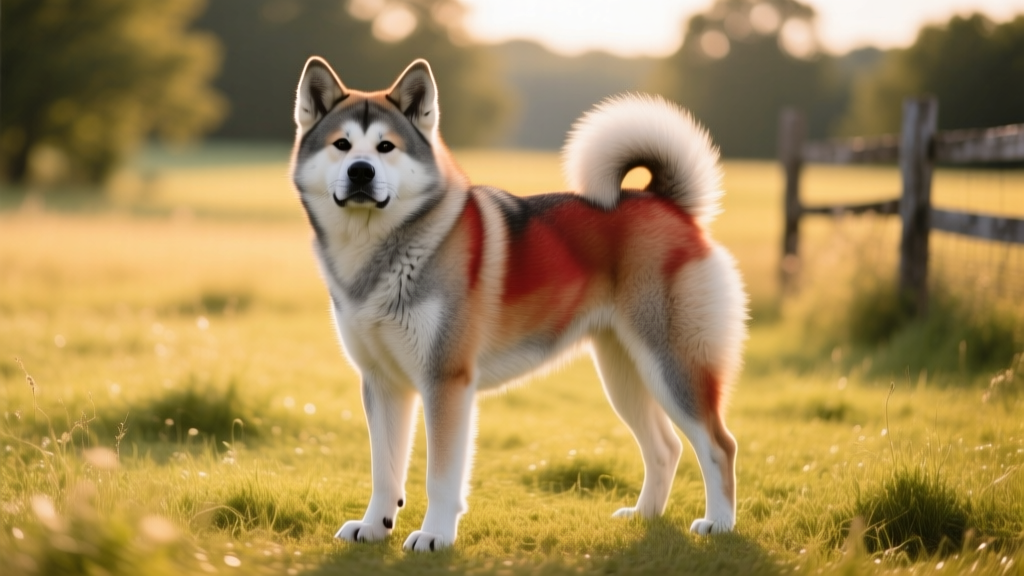
The Akita Inu Chow mix — sometimes called a "Chowkita" or "Akitachow" — is one of the rarer designer crosses you'll encounter. Combining two ancient Asian spitz-type breeds, this mix produces a striking, powerful dog that demands an experienced owner. Before you fall for those plush-coated photos online, it's critical to understand that blending two strong-willed, independent breeds creates a dog with serious training and socialization needs.
This guide breaks down exactly what you can (and can't) predict about the Akita Inu Chow mix, including realistic size ranges, the temperament spectrum you might encounter, health screening priorities, and what life with this cross actually looks like day to day.
The Parent Breeds: Akita Inu and Chow Chow
Because mixed-breed dogs inherit traits from both parents in unpredictable combinations, understanding each foundation breed is the best way to anticipate what your dog might be like. Both the Akita and the Chow Chow belong to the spitz family and share some overlapping traits — but they diverge significantly in key areas.
| Trait | Akita Inu | Chow Chow |
|---|---|---|
| Origin | Japan (Akita Prefecture, Honshu Island) | China (ancient breed, 2,000+ years) |
| AKC Weight Range | 70–130 lb (32–59 kg) | 45–70 lb (20–32 kg) |
| AKC Height | 24–28 in (61–71 cm) | 17–20 in (43–51 cm) |
| Lifespan | 10–13 years | 8–12 years |
| Coat | Double coat, moderate-heavy shedding | Dense double coat (rough or smooth), heavy shedding |
| Temperament | Loyal, courageous, reserved with strangers | Dignified, aloof, independent, cat-like |
| Trainability | Moderate — responds to respect-based methods | Low to moderate — requires patience, short sessions |
| Prey Drive | High | Moderate |
| Same-Sex Aggression | Common, especially male-male | Can occur |
| Barking Level | Low (known for quiet vigilance) | Low to moderate |
Both breeds share a strong guarding instinct, wariness of strangers, and a preference for being the only pet in the household. According to the American Kennel Club's Akita breed standard, these dogs were historically used for hunting large game and guarding royalty, which explains their protective drive and physical power.
Generations Explained: F1, F2, and Backcross Variations
Generation Terminology for Designer Mixes
- F1 (First Generation): One purebred Akita parent × one purebred Chow Chow parent. Maximum genetic diversity, most unpredictable trait expression.
- F1B (First Generation Backcross): An F1 Chowkita × one purebred parent (either Akita or Chow). Slightly more predictable toward the backcrossed breed.
- F2 (Second Generation): Two F1 Chowkitas bred together. Trait expression becomes more variable, not less — recessive genes from both breeds can surface unexpectedly.
- Multigen (F3+): Multiple generations of Chowkita-to-Chowkita breeding. Rare for this particular cross, as there is no established breed club or standardization effort.
Unlike popular doodle mixes where F1B and multigen breeding programs are well-established, the Akita Inu Chow mix exists almost exclusively as F1 crosses. Most Chowkitas you'll find are the result of intentional or accidental pairings between one Akita and one Chow Chow. This means you should expect maximum trait variability — even puppies from the same litter can look and behave quite differently from one another.
Size, Build, and Physical Appearance
The size of an Akita Inu Chow mix depends heavily on which parent's genes dominate, the sex of the dog, and which generation it is. Because the Akita is substantially larger than the Chow Chow, the size range is wide.
| Category | Low End | High End |
|---|---|---|
| Weight (Female) | 45 lb (20 kg) | 85 lb (39 kg) |
| Weight (Male) | 60 lb (27 kg) | 110 lb (50 kg) |
| Height at Shoulder | 18 in (46 cm) | 26 in (66 cm) |
| Body Type | Compact, stocky (Chow-dominant) | Tall, substantial (Akita-dominant) |
Most Chowkitas fall in the 55–90 lb (25–41 kg) range, landing somewhere between the two parents. Expect a sturdy, well-boned build regardless of which end of the spectrum your dog falls on. Both parent breeds have broad heads, erect ears, and thick tails that curl over the back — traits that commonly appear in the mix.
One distinctive physical possibility: the Chow Chow's blue-black tongue and lips. Some Chowkitas inherit partial or full pigmentation, while others have the standard pink coloring from the Akita side. There's no way to predict this in advance.
Coat Types, Colors, and Shedding Reality
Here's a straightforward answer for anyone hoping this mix might be low-shedding: it won't be. Both the Akita and Chow Chow are heavy-shedding double-coated breeds, and there is no genetic pathway in this cross that produces a hypoallergenic or low-shedding coat.
You can expect one of these coat outcomes:
- Standard double coat (most common): Dense, soft undercoat with a coarser outer coat. Moderate length. Sheds year-round with two heavy "blow coat" periods in spring and fall.
- Chow-dominant rough coat: Noticeably longer, fuller outer coat with a pronounced mane or ruff around the neck. Extremely dense undercoat. The most demanding coat type for grooming.
- Akita-dominant shorter coat: Shorter, plusher outer coat that still sits over a thick undercoat. Easier to maintain but still sheds heavily during seasonal transitions.
Common coat colors include red, fawn, sesame, black, cream, and various combinations with white markings. Brindle patterns from the Akita side may appear. The Chow Chow's characteristic cinnamon and blue (dilute black) colors are also possible.
Temperament: What to Expect Across the Spectrum
This is where prospective owners need the most realistic expectations. The Akita Inu Chow mix combines two of the most independent, strong-willed breeds in the dog world. The result is never a pushover.
Best-Case Temperament Scenario
A well-socialized Chowkita raised with consistent positive reinforcement training from 8 weeks onward can be deeply loyal, calm in the home, alert without excessive barking, and affectionate with family members. These dogs tend to form intense bonds with one or two people and are content being quiet companions who observe rather than demand constant interaction.
Challenging Temperament Scenarios
Without early and ongoing socialization, this mix can develop:
- Stranger suspicion escalating to reactivity: Both parent breeds are naturally wary of unfamiliar people. Without deliberate exposure during the critical socialization window (3–14 weeks per AVMA guidelines), this wariness can harden into fear-based aggression.
- Same-sex dog aggression: Particularly common in males. Many Chowkitas do best as the only dog in the household, or paired with an opposite-sex dog.
- Resource guarding: Both breeds can exhibit guarding behavior around food, toys, and sleeping spaces. This requires proactive counter-conditioning from puppyhood.
- Stubbornness in training: Neither breed was developed to take direction eagerly from humans. Expect to work in short, motivating sessions using high-value treats and respect the dog's limits.
Training Methods That Work for This Mix
Positive reinforcement and force-free methods are essential. Aversive tools like shock collars, prong collars, or alpha rolls will backfire with this cross — both parent breeds tend to shut down or fight back when confronted with pain-based or intimidation-based training. Look for a certified trainer who uses LIMA (Least Intrusive, Minimally Aversive) principles. Short 5–10 minute sessions, high-value food rewards (freeze-dried liver, real chicken), and patience will get you further than hours of repetitive drilling.
Health Considerations: Hybrid Vigor Myth vs. Reality
Let's address a common misconception directly: hybrid vigor does not guarantee a healthier dog. The concept of heterosis — where crossbred animals show improved biological function — is real but limited. It primarily applies to traits controlled by many genes with recessive deleterious variants. It does not magically protect against conditions that both parent breeds share.
Since the Akita and Chow Chow overlap on several health vulnerabilities, the Chowkita remains at risk for the following:
| Condition | Prevalence in Parent Breeds | Screening Method | Estimated Treatment Cost |
|---|---|---|---|
| Hip Dysplasia | High in both breeds (OFA data: ~15–25% affected) | OFA or PennHIP radiographic evaluation | $1,500–$6,000 per hip (surgical) |
| Elbow Dysplasia | Moderate in Akitas, present in Chows | OFA elbow radiographs | $1,500–$4,000 per elbow |
| Autoimmune Thyroiditis | Significant in Akitas (one of the most affected breeds) | OFA thyroid panel (T3, T4, TSH, autoantibodies) | $400–$800/year for lifelong hormone supplementation |
| Entropion/Ectropion | Common in Chow Chows, present in Akitas | Veterinary ophthalmologic exam | $500–$2,500 per eye (surgical correction) |
| Gastric Dilatation-Volvulus (Bloat) | Risk in deep-chested Akita-dominant individuals | No screening; preventive gastropexy available | $2,500–$7,000 (emergency surgery); $300–$800 (preventive gastropexy during spay/neuter) |
| Sebaceous Adenitis | Notable in Akitas (estimated 2–8% prevalence) | Skin biopsy | $200–$500/year for management (special shampoos, cyclosporine) |
When evaluating a Chowkita puppy, insist that both parent dogs have current health clearances: OFA hip and elbow scores, OFA thyroid evaluation (especially critical on the Akita side), and a recent ophthalmologic exam from a board-certified veterinary ophthalmologist (CERF/OFA companion registry). The Merck Veterinary Manual provides detailed owner-facing information on hip dysplasia recognition and management.
Always consult your veterinarian about a breed-appropriate screening schedule and preventive care plan. They can advise on early signs to watch for based on your individual dog's build and inheritance.
Grooming and Daily Care Requirements
The grooming commitment for this mix is substantial. Here's a realistic weekly and seasonal care breakdown:
Weekly Grooming (Non-Shedding Season)
- Brushing: 2–3 sessions per week, 15–20 minutes each. Use an undercoat rake (such as the FURminator deShedding Tool for large breeds, $35–$45) followed by a slicker brush for the topcoat.
- Ear checks: Weekly inspection. Both breeds have erect ears, which generally stay cleaner than drop ears, but wax buildup still occurs.
- Nail trims: Every 2–4 weeks depending on activity level. Dewclaws (if present) require special attention as they don't wear down naturally.
Seasonal Coat Blows (Spring and Fall)
During these 2–4 week periods, expect to brush daily for 20–30 minutes. You'll pull out tufts of undercoat that can fill multiple grocery bags. A high-velocity dog dryer (such as the B-Air Bear Power Dryer, $80–$130) dramatically speeds up loose undercoat removal and is worth the investment for this coat type.
Bathing
Bathe every 6–8 weeks or as needed. Over-bathing strips natural oils from the double coat and can lead to dry, flaky skin — a particular concern given the Akita's predisposition to sebaceous adenitis. Use a gentle, oatmeal-based dog shampoo (pH-balanced for canine skin, around 6.5–7.5).
Never shave a double-coated dog. Shaving damages the coat structure, can lead to permanent alopecia (post-clipping alopecia is well-documented in spitz breeds), and removes the insulating and UV-protective functions of the coat.
Cost: Purchase Price, Annual Expenses, and Where to Find One
Puppy Purchase Price
Because this is a rare designer cross without established breeding programs, pricing varies widely:
- From a casual/small-scale breeder: $800–$1,500
- From a breeder who health-tests both parents: $1,500–$3,000
- Accidental litters (often listed online or in local ads): $300–$800 — but these come with no health screening guarantees
Be cautious of breeders who market this cross at premium "designer dog" prices without providing OFA health clearances for both parent dogs. The lack of a breed club or standardization effort means quality control is entirely buyer-driven.
Adoption and Rescue
Akita and Chow Chow mixes regularly appear in breed-specific rescues. Check organizations like Akita Rescue (affiliated with the Akita Club of America) and Chow Chow Welfare. Adoption fees typically range from $200–$500 and often include initial veterinary care, spay/neuter, and microchipping.
First-Year Cost Estimate
| Expense Category | Estimated Cost |
|---|---|
| Puppy purchase or adoption | $300–$3,000 |
| Initial veterinary visit, vaccines, heartworm/Flea prevention | $400–$800 |
| Spay/neuter (if not included) | $250–$600 |
| Crate, bed, leash, collar, bowls | $150–$350 |
| Quality food (AAFCO complete & balanced, large-breed formula) | $600–$1,200/year |
| Professional grooming (if outsourced, 4–6 sessions/year) | $300–$600 |
| Training classes (puppy socialization + basic obedience) | $200–$500 |
| Pet insurance (recommended for this mix) | $600–$1,200/year |
| Total first-year estimate | $2,800–$8,250 |
Who Should (and Shouldn't) Consider This Mix
This Mix Is Best Suited For:
- Experienced dog owners who have previously managed independent, guardian-type breeds
- Homes without small children under 8–10 years old — both parent breeds can be intolerant of unpredictable handling, and a 70+ lb dog with guarding instincts is not ideal around toddlers
- Single-dog households or homes with one opposite-sex dog already established
- Owners who can commit to structured socialization during puppyhood and ongoing exposure throughout the dog's life
- Homes with secure, fenced yards — a 6-foot fence minimum given the Akita's athleticism and the Chow's potential to climb
- People who value a calm, quiet companion over an eager-to-please working dog
This Mix Is a Poor Fit For:
- First-time dog owners
- Families wanting a highly social, gregarious dog that loves meeting new people
- Multi-pet households with cats or small animals (high prey drive risk)
- Anyone living in apartments or housing with breed restrictions (both Akitas and Chow Chows are commonly restricted breeds under BSL — check your local jurisdiction's regulations)
- Owners who prefer force-based or dominance-theory training methods — these will damage the relationship with this cross
- People who travel frequently and need a dog that adapts easily to new handlers and environments
Exercise and Mental Stimulation Needs
Despite their substantial build, Chowkitas are not endurance athletes. Both parent breeds tend toward moderate energy levels with bursts of activity rather than sustained high drive.
- Daily exercise: 45–60 minutes of structured activity. This can include two 20–30 minute leash walks plus a session of free exploration in a secure area.
- Heat sensitivity: Chow Chows are notoriously heat-intolerant due to their dense coats and brachycephalic-adjacent airway structure. Chowkitas may inherit reduced heat tolerance. Avoid exercise when temperatures exceed 80°F (27°C), and always provide shade and fresh water.
- Mental stimulation: Food puzzles (Kong Classic, $12–$18; Outward Hound Nina Ottosson puzzles, $15–$30), scent work games, and short training sessions keep this mix engaged without requiring intense physical output.
- Off-leash reliability: Do not count on reliable recall in unfenced areas. Both parent breeds have independent decision-making and prey drive that can override training in high-distraction environments.
Frequently Asked Questions
What two breeds make up the Akita Inu Chow mix?
The Akita Inu (a Japanese spitz breed originally used for hunting bear and guarding) and the Chow Chow (an ancient Chinese breed used for guarding, herding, and as a working dog). Both are spitz-type dogs with double coats, erect ears, and independent temperaments.
How big will an Akita Inu Chow mix get?
Most adults fall between 55–90 lb (25–41 kg) and 18–26 inches (46–66 cm) at the shoulder. Males tend toward the larger end. The exact size depends on which parent's growth genes dominate and the individual dog's nutrition during development.
What will the temperament be like?
Expect a loyal, independent, and reserved dog that bonds closely with family but remains aloof with strangers. Temperament ranges from calm and dignified (Chow-dominant) to alert and protective (Akita-dominant). Early socialization is non-negotiable for this cross.
Is the Akita Inu Chow mix hypoallergenic or low-shedding?
No. Both parent breeds are heavy-shedding double-coated dogs. This mix will shed year-round and blow its coat heavily twice per year. There is no genetic combination in this cross that produces a hypoallergenic coat.
What health issues might this mix inherit?
The primary concerns include hip dysplasia, elbow dysplasia, autoimmune thyroiditis (especially from the Akita side), entropion and other eye conditions, bloat (in deeper-chested individuals), and sebaceous adenitis. Request OFA health clearances for both parent dogs before purchasing a puppy.
How much does an Akita Inu Chow mix cost?
Puppy prices range from $800–$3,000 depending on the breeder and whether health testing was performed on the parents. Adoption through breed rescues typically costs $200–$500. First-year total expenses (including supplies, veterinary care, food, and insurance) generally fall between $2,800–$8,250.
Can this mix live with other dogs?
Some Chowkitas coexist peacefully with another dog, particularly an opposite-sex companion introduced carefully. However, same-sex aggression is a real risk inherited from both parent breeds. Many individuals do best as the only dog in the household. Never leave two intact same-sex dogs unsupervised.
Are Chowkitas good with children?
They can be tolerant and gentle with children they're raised alongside, but neither parent breed is known for patience with rough handling, ear-pulling, or invasion of personal space. Supervision is essential, and this mix is better suited to homes with older children who understand how to respect a dog's boundaries.
Dr. Hannah Wickes
All our authors care for dogs every day — read more of their work on the authors page.