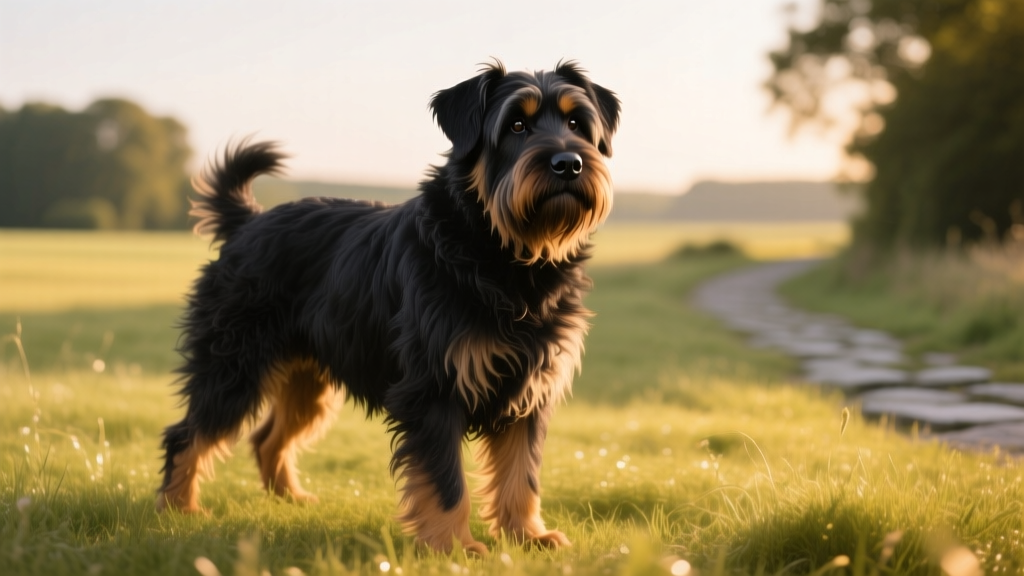
Mini Husky Dog Breed: Size, Temperament, Health & Care Guide
Complete guide to the mini husky dog breed: adult size, exercise needs, health risks, temperament with kids, grooming, and 2026 ownership costs.

What Exactly Is a Mini Husky?
The mini husky dog breed is not a separate AKC-recognized breed — it's a selectively bred, smaller version of the Siberian Husky. Breeders achieve the reduced size by choosing the smallest dogs from standard Siberian Husky litters over multiple generations, sometimes introducing smaller breeds like the Alaskan Klee Kai or Pomeranian into the lineage. The result is a compact, wolf-like companion that retains many of the Siberian Husky's defining traits — the striking blue or heterochromatic eyes, the thick double coat, the vocal personality — in a package roughly half the size.
Because "mini husky" is a size designation rather than a formal breed standard, there's meaningful variation in what you'll encounter. Some mini huskies are pure Siberian Huskies bred from small lines; others are designer crosses. This matters for predictability: a dog from a multi-generation mini husky breeding program will be more consistent in temperament and adult size than a first-generation cross. Always ask breeders for lineage documentation and health testing records.
| Attribute | Details |
|---|---|
| Size Class | Small to Medium |
| Adult Weight | 15–35 lb (7–16 kg) |
| Adult Height | 12–17 inches (30–43 cm) at the shoulder |
| Lifespan | 12–15 years |
| Coat Type | Dense double coat; medium length |
| Shedding Level | Heavy year-round; extreme during biannual coat blows |
| Energy Level | High — bred for endurance work |
| Vocalization | Very high — howling, talking, "woo-woo" vocalizing |
| Apartment Suitability | Moderate — possible with dedicated exercise, but vocalization is a concern |
Physical Characteristics: How Big Does a Mini Husky Get?
A fully grown mini husky typically stands 12 to 17 inches (30–43 cm) at the withers and weighs between 15 and 35 pounds (7–16 kg). Females tend toward the lower end of both ranges; males cluster higher. Dogs under 15 lb are sometimes marketed as "toy" huskies — be cautious here, as extremely small specimens may carry additional health risks related to dwarfism or fragile bone structure.
The coat is a dense, plush double layer: a soft, insulating undercoat beneath a straighter, weather-resistant outer coat. Colors mirror the standard Siberian Husky palette — black and white, gray and white, red and white, sable, agouti, and solid white. Eyes can be blue, brown, amber, or parti-colored (one blue, one brown), which is one of the breed's most sought-after traits.
Body structure should be balanced and athletic — not stocky or overly delicate. Ears are erect and triangular, the tail is a well-furred sickle or curl carried over the back, and the overall impression should be a compact, agile dog built for movement. If a mini husky has disproportionately short legs or a bulging skull, these can signal breeding for dwarfism traits that carry orthopedic risks.
Temperament & Personality: What Living With a Mini Husky Is Really Like
Mini huskies carry the full Siberian Husky personality compressed into a smaller frame. This is both their greatest charm and their biggest challenge. Here are the core traits you'll encounter daily:
1. Highly Vocal and Expressive. Mini huskies don't just bark — they howl, whine, "talk" back, and produce the signature husky "woo-woo" sound. They'll narrate their day, protest being left alone, and serenade sirens. If you live in an apartment with thin walls or close neighbors, this is a genuine quality-of-life consideration. Some owners describe it as endearing; others find it exhausting within weeks.
2. Independent and Stubborn. Bred to make decisions while pulling sleds over vast distances, huskies think for themselves. A mini husky will assess every command and decide whether compliance serves their interests. "Come" is a suggestion, not a guarantee — especially if there's a squirrel involved. This isn't a lack of intelligence; it's a breed-typical prioritization of self-direction over obedience.
3. Escape Artists. Even at 20 pounds, a mini husky will test fences, dig under gates, and exploit any gap in your containment. Their prey drive and wanderlust mean off-leash reliability is extremely rare — most experienced husky owners never trust their dogs off-leash in unfenced areas, regardless of training level.
4. Social and Pack-Oriented. Mini huskies bond intensely with their people and other dogs. They tend to do poorly as only dogs or with owners who are away 8+ hours daily. Separation anxiety is common and manifests as destructive chewing, excessive howling, and escape attempts.
5. Playful but Not Cuddly. Expect a dog who wants to be in the same room as you but not necessarily on your lap. Mini huskies show affection through proximity, play invitations, and leaning against you — not typically through prolonged physical contact.
Exercise & Activity Needs
Despite their smaller size, mini huskies are endurance athletes. They need 60 to 90 minutes of structured activity daily, split across at least two sessions. A single 15-minute walk around the block will leave you with a frustrated, destructive, vocal dog.
| Activity Type | Duration | Notes |
|---|---|---|
| Brisk leash walk (morning) | 25–35 minutes | Use a front-clip harness to manage pulling |
| Off-leash play in secure area | 20–30 minutes | Fenced yard or long-line in open field |
| Evening walk or hike | 20–30 minutes | Vary routes to provide mental stimulation |
| Mental enrichment | 15–20 minutes | Puzzle feeders, snuffle mats, scent games |
Activities that work particularly well for mini huskies include bikejoring (the dog pulls you on a bicycle using a specialized harness and bungee line), canicross (leashed running), and flirt pole sessions. These channel their pulling instinct productively. Avoid high-impact jumping activities like agility until growth plates close around 12–14 months.
In hot weather (above 75°F / 24°C), shift exercise to early morning and evening. Their double coat makes them highly susceptible to heat exhaustion. Always carry water and watch for excessive panting, drooling, or stumbling.
Training & Intelligence
Mini huskies rank as moderately trainable — they learn commands quickly but comply inconsistently. This is a breed that understands "sit" perfectly and then chooses not to sit because it sees no benefit. Training success depends entirely on making compliance more rewarding than ignoring you.
Use positive reinforcement exclusively: high-value treats (freeze-dried liver, small pieces of chicken), play rewards, and environmental rewards (getting to sniff a favorite spot after a good recall). Force-free, reward-based methods work because they align with the husky's self-interested nature. Aversive tools like shock collars or prong collars will damage your relationship and increase fear-based reactivity — they are counterproductive with this breed.
Priority training goals for mini huskies:
- Recall: Start in low-distraction environments and build gradually. Accept that 100% off-leash reliability is unlikely.
- Leash manners: Use a front-clip no-pull harness (such as the Ruffwear Front Range) from puppyhood. Huskies are hardwired to pull; management is more realistic than elimination.
- Crate training: Essential for preventing destruction when unsupervised. Introduce gradually with positive associations.
- Quiet cue: Teach "quiet" by rewarding the pause between vocalizations. You won't eliminate howling, but you can moderate it.
Common Health Issues in Mini Huskies
Mini huskies inherit many of the health predispositions of standard Siberian Huskies, with a few additional concerns related to their reduced size. Consult your veterinarian for a breed-appropriate screening schedule. Here are the conditions to know about:
| Condition | Description | Estimated Prevalence | Screening/Prevention |
|---|---|---|---|
| Hip Dysplasia | Malformation of the hip joint causing progressive arthritis and lameness | ~6–8% (lower than standard Huskies due to lighter body weight, but still present) | OFA or PennHIP screening of parents; maintain lean body condition |
| Progressive Retinal Atrophy (PRA) | Degenerative eye disease leading to gradual blindness, typically onset at 3–5 years | ~3–5% in husky-type breeds | CERF/OFA ophthalmologist exam annually; DNA test available |
| Cataracts (Juvenile) | Clouding of the lens appearing before age 6; hereditary in Siberian Huskies | ~8–10% (one of the highest-prevalence breeds for hereditary cataracts per Merck Veterinary Manual) | Annual veterinary ophthalmologic exam |
| Hypothyroidism | Underactive thyroid causing weight gain, lethargy, skin issues, and coat thinning | ~5–8% | Annual thyroid panel (T4, free T4, TSH) starting at age 2 |
| Patellar Luxation | Kneecap slipping out of position — more common in smaller dogs | ~4–6% (increased risk in mini/toy lines) | Orthopedic exam during annual wellness visits |
Responsible breeders should provide documentation of hip (OFA/PennHIP), eye (CERF), and thyroid clearances for both parent dogs. If a breeder cannot or will not provide these, walk away — health testing is non-negotiable for this breed.
Grooming: Managing the Double Coat
The mini husky's double coat demands consistent maintenance. Here's a realistic grooming schedule:
| Task | Frequency | Tools Needed |
|---|---|---|
| Brushing (general maintenance) | 2–3 times per week | Undercoat rake (e.g., Furminator for medium dogs), slicker brush |
| Blow-out brushing (shedding season) | Daily for 2–3 weeks (spring & fall) | Undercoat rake, high-velocity dryer (optional but effective) |
| Bathing | Every 6–8 weeks or as needed | Dog-specific shampoo; thorough drying is critical to prevent hotspots |
| Nail trimming | Every 2–3 weeks | Guillotine or scissor-style clippers; styptic powder on hand |
| Ear cleaning | Every 2–4 weeks | Veterinarian-approved ear cleaner; cotton balls (never Q-tips) |
| Dental care | Daily brushing ideal; minimum 3x/week | Dog toothpaste (enzymatic), finger brush or small-head brush |
Never shave a mini husky. The double coat provides insulation against both heat and cold. Shaving disrupts the coat's thermoregulation, increases sunburn risk, and often causes the coat to grow back unevenly or not at all (a condition called post-clipping alopecia). If shedding feels unmanageable, professional de-shedding treatments using high-velocity dryers are a safer alternative.
Family Suitability: Kids, Other Pets, and Apartment Living
With children: Mini huskies are generally good with respectful children aged 6 and up. Their smaller size means toddlers can accidentally injure them, and the dog's high energy can knock over small children during play. They're not aggressive but they are boisterous. Teach children to avoid approaching the dog while eating or sleeping, and supervise all interactions with kids under 10.
With other dogs: Excellent. Huskies are pack animals and typically thrive with a canine companion. A second dog often reduces separation anxiety and provides an outlet for play energy. Same-sex pairings can sometimes trigger competitiveness, particularly between intact males — spaying/neutering reduces this risk.
With cats and small animals: Proceed with caution. The husky prey drive is real and not reliably trainable away. Some mini huskies coexist peacefully with household cats (especially if raised together from puppyhood), but many will chase or injure smaller pets. Never leave a mini husky unsupervised with cats, rabbits, or small dogs under 10 lb.
Apartment living: Feasible but challenging. The size works in your favor — a 25-lb dog fits apartment life physically. The vocalization does not. If you have shared walls and noise-sensitive neighbors, a mini husky's howling can generate complaints quickly. Dedicated owners who commit to 90 minutes of daily outdoor exercise and provide robust mental enrichment can make apartment living work, but a house with a securely fenced yard is the ideal setup.
Cost of Ownership: Buying and Maintaining a Mini Husky
Mini huskies command premium prices because of their popularity and the selective breeding required to achieve consistent small size.
Puppy purchase price: $1,500–$4,000 from a responsible breeder. Dogs with rare coat colors (agouti, solid white) or blue eyes may be priced higher. Avoid breeders offering puppies below $800 — this typically signals a puppy mill or backyard breeding operation with no health testing.
First-year total cost: $3,500–$6,500 including the puppy, initial veterinary exams, vaccination series (DHPP, rabies, bordetella), spay/neuter, microchipping, crate, harness, leash, grooming tools, and premium food.
Annual ongoing costs (after year one):
- Food: $400–$650/year (high-quality kibble like Orijen, Acana, or Purina Pro Plan; approximately 1–1.5 cups/day for a 25-lb dog)
- Veterinary care: $500–$900/year (annual exam, vaccines, heartworm prevention, flea/tick control)
- Pet insurance: $35–$65/month ($420–$780/year) — recommended given the breed's predisposition to eye and joint conditions
- Grooming: $0–$600/year (DIY if you brush regularly; professional de-shedding sessions run $50–$80 each)
- Supplies & replacements: $200–$400/year (toys, beds, harness replacements, dental supplies)
- Training: $150–$400 (group classes or private sessions, especially important in the first year)
Lifetime cost estimate (13-year average lifespan): $20,000–$35,000 including the initial purchase price. Emergency veterinary care for conditions like cataract surgery ($2,500–$4,000 per eye) or hip surgery ($3,500–$7,000) can push costs higher, which is why pet insurance or a dedicated emergency fund is strongly recommended.
Pros and Cons of the Mini Husky
Pros
- Compact size suitable for smaller homes and easier travel
- Striking appearance with wolf-like features and colorful eyes
- Highly social and bonds deeply with family
- Generally good with other dogs
- Longer lifespan than many medium breeds (12–15 years)
- Lower food costs than standard Huskies
- Thrives in cold climates
Cons
- Extreme shedding — fur will be on everything you own
- Very vocal; howling can cause neighbor conflicts
- High exercise needs despite small size (60–90 min/day)
- Strong prey drive — not reliable with cats or small pets
- Escape-prone; requires secure containment at all times
- Not ideal for first-time owners due to stubbornness
- Prone to separation anxiety if left alone long hours
Frequently Asked Questions
Is the mini husky dog breed right for first-time owners?
Honestly, no — at least not without significant preparation. The mini husky's combination of stubbornness, high exercise needs, escape tendencies, and vocalization makes them challenging for someone without prior dog-training experience. If you're a first-time owner set on this breed, commit to puppy classes with a certified positive-reinforcement trainer before the dog comes home, and plan for at least one private training session per month during the first year.
How much exercise does a mini husky need daily?
Plan for 60 to 90 minutes of structured activity every day, divided into at least two sessions. This should include brisk walking, secure-area play, and mental enrichment. Huskies are working dogs — without adequate exercise, they develop destructive behaviors, excessive vocalization, and anxiety-driven escape attempts.
What health problems are mini huskies prone to?
The most significant breed-associated conditions are hereditary cataracts (8–10% prevalence), hip dysplasia (6–8%), progressive retinal atrophy (3–5%), hypothyroidism (5–8%), and patellar luxation (4–6%). Regular veterinary screening catches most of these early, when treatment is most effective. Always buy from breeders who health-test parent dogs.
How big does a mini husky get as an adult?
Adult mini huskies typically weigh 15–35 lb (7–16 kg) and stand 12–17 inches (30–43 cm) at the shoulder. There is individual variation depending on lineage. Ask your breeder for the adult weights of the puppy's parents and grandparents for a more accurate prediction.
Is a mini husky good with children and other pets?
Mini huskies do well with respectful children aged 6+ and are typically excellent with other dogs. They are not reliably safe with cats or small animals due to strong prey drive. Always supervise interactions between any dog and young children, and never leave a husky-type dog alone with smaller pets.
How much does a mini husky cost to buy and maintain?
Expect to pay $1,500–$4,000 for a puppy from a responsible breeder. First-year total costs run $3,500–$6,500, and annual ongoing costs are approximately $1,600–$3,300 including food, veterinary care, insurance, grooming, and supplies. Over a 13-year lifespan, total ownership costs range from $20,000 to $35,000.
Are mini huskies recognized by the AKC?
No. The American Kennel Club recognizes the Siberian Husky but not a "mini" variant. Mini huskies may be registered with alternative organizations. This doesn't affect their quality as companions, but it does mean fewer standardized protections around breeding practices.
Considering a mini husky? Before purchasing, explore breed-specific rescues like the ASPCA or regional Siberian Husky rescue organizations. Many huskies and husky mixes — including smaller individuals — end up in rescue due to owners underestimating their exercise and vocalization needs. Adoption fees typically range from $200–$500 and often include spay/neuter, vaccinations, and a behavioral assessment.
Anouk Beaumont
All our authors care for dogs every day — read more of their work on the authors page.