Bouvier des Flandres Dog: The Rare Belgian Herder You Should Know
Discover the Bouvier des Flandres dog — a rare Belgian herding breed with a striking coat, loyal temperament, & unique care needs.
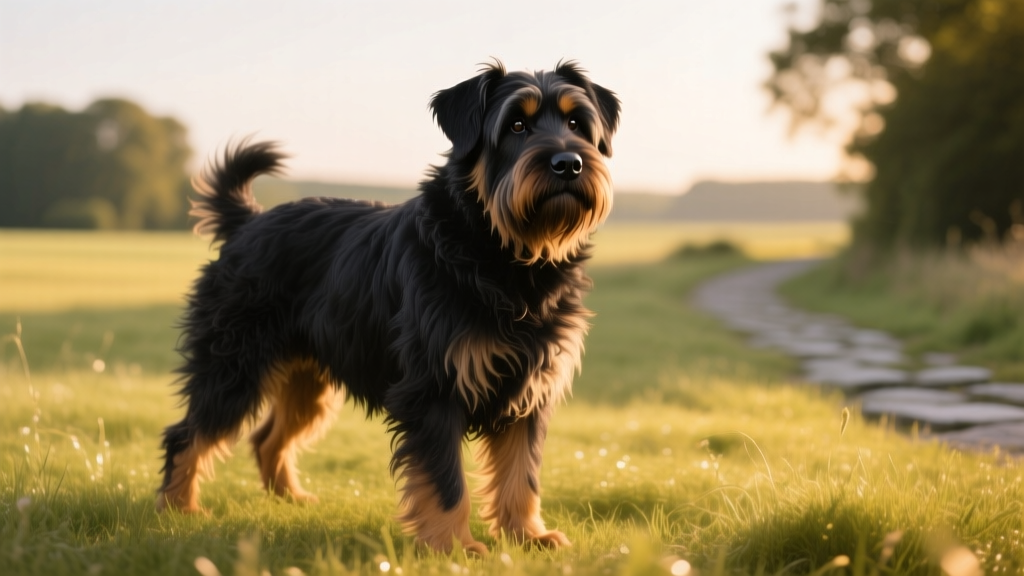
Meet the Bouvier des Flandres: Belgium's Rugged Farm Dog
If you've never encountered a Bouvier des Flandres dog in person, you're not alone. This imposing, shaggy-coated herder from northern Belgium turns heads at dog parks but remains one of the rarest working breeds in the United States. Standing up to 27.5 inches at the shoulder and weighing as much as 110 pounds, the Bouvier commands attention — and demands an owner who understands what makes this breed tick.
Known simply as the "Bouvier" among enthusiasts, this breed combines serious working-drive intelligence with a surprisingly gentle family temperament. But prospective owners should know: the Bouvier des Flandres dog is not a low-maintenance pet. Between the extensive grooming requirements, the need for structured daily activity, and a handful of breed-specific health concerns, this is a dog that rewards committed ownership with fierce loyalty and quiet devotion.
Whether you're researching rare herding breeds or simply fell in love with a Bouvier's soulful, beard-framed eyes, this guide covers everything you need to make an informed decision.
| Weight (Male) | 80–110 lb / 36–50 kg |
|---|---|
| Weight (Female) | 60–80 lb / 27–36 kg |
| Height (Male) | 24.5–27.5 in / 62–70 cm |
| Height (Female) | 23.5–26.5 in / 60–67 cm |
| Lifespan | 10–12 years |
| Coat Type | Double coat; harsh, wiry outer coat with dense undercoat |
| Colors | Fawn, black, salt-and-pepper, gray, brindle |
| Energy Level | Moderate to high (60–90 minutes structured activity daily) |
| Grooming Needs | High — brushing 2–3×/week; professional grooming every 6–8 weeks |
| Family Fit | Excellent with children when socialized; may herd small kids |
| AKC Group | Herding Group |
| Apartment Friendly? | Possible with sufficient exercise; prefers yard access |
Origin and History: From Belgian Farmland to the World Stage
The Bouvier des Flandres dog originated in the Flanders region — a territory spanning modern-day Belgium and northern France — during the late 19th century. The breed's name translates literally to "Cow Herder of Flanders," and that's precisely what these dogs were built to do.
Breed Origin Timeline
- 1800s (Flanders region, Belgium): Farmers and cattle drovers develop a versatile working dog by crossing local sheepdogs, griffon-type dogs, and possibly early Schnauzer or Irish Wolfhound stock. The goal: an all-purpose farm dog capable of herding cattle, pulling carts, and guarding property.
- 1910–1912: The first formal breed standard is drafted by Belgian veterinarian Dr. Adolphe Reul and colleagues. The breed is exhibited at dog shows in Brussels and Ghent, attracting early enthusiast interest.
- 1914–1918 (World War I): Bouviers serve as messenger dogs, ambulance dogs, and draft animals for the Belgian and French military. The war devastates the breed's population — many working lines are lost entirely. A handful of dedicated breeders, notably Captain Barbette (who owned the influential sire "Ch. Nic de Sottegem"), work to rebuild the breed from surviving stock.
- 1922–1923: The Fédération Cynologique Internationale (FCI) recognizes the breed. The Belgian and French kennel clubs formalize separate but compatible standards.
- 1929: The first Bouviers are imported to the United States. The breed is initially rare and primarily owned by European immigrants and working-dog enthusiasts.
- 1931: The American Kennel Club (AKC) officially recognizes the Bouvier des Flandres and places it in the Working Group (later moved to the Herding Group in 1983 when that group was created).
- Present day: The breed remains uncommon. The AKC typically registers fewer than 1,000 Bouviers annually, placing them well outside the top 100 most popular breeds in the U.S.
The Bouvier's near-extinction during WWI is a defining chapter in the breed's story. Unlike many herding breeds that maintained large rural populations, the Bouvier was concentrated in a war zone and pressed into military service. Every modern Bouvier des Flandres dog traces back to a very small number of post-war survivors — a genetic bottleneck that still influences breed health today.
What Does a Bouvier des Flandres Dog Look Like?
The Bouvier is impossible to mistake for another breed once you know what to look for. This is a powerfully built, compact dog with a silhouette that reads as "rugged" rather than refined.
Head and expression: The head appears massive due to the breed's characteristic beard, mustache, and thick eyebrows. The skull is broad and slightly domed. Dark, oval-shaped eyes convey an alert, steady intelligence. Ears may be natural (triangular, folding forward) or historically cropped to a pointed, upright shape — though ear cropping is increasingly uncommon and banned in many European countries.
Body: The Bouvier is built square or slightly shorter than tall. The chest is deep and broad, the back is short and level, and the hindquarters are heavily muscled. Males carry noticeably more mass than females — a 100-pound male beside a 65-pound female looks like a different breed entirely.
Coat: This is the Bouvier's most distinctive feature. The double coat consists of a soft, dense undercoat and a harsh, wiry outer coat that can reach 2.5 inches in length. The coat should feel rough and dry to the touch — never silky or woolly. The characteristic "furnishings" include heavy facial hair (beard and eyebrows), a fuller ruff around the neck, and moderate feathering on the legs.
Tail: Historically docked short in the U.S. (2–3 vertebrae remaining), though natural tails are increasingly accepted and docking is prohibited in many countries. A natural Bouvier tail is moderately long, carried low with a slight upward curve at the tip.
Movement: Despite their bulk, Bouviers move with surprising agility. The gait is free, easy, and ground-covering — a legacy of a breed that needed to trot alongside cattle for miles.
Temperament: What Surprises New Bouvier Owners
Most first-time Bouvier des Flandres dog owners report the same surprise: despite the breed's imposing size and serious expression, these dogs are remarkably gentle and emotionally attuned to their families. The Bouvier is often described as a "velcro dog" — they want to be in the same room as their people, and they form deep, individual bonds.
However, this breed comes with temperament traits that require understanding:
- Independent thinking: Bred to make decisions while herding cattle without constant human direction, Bouviers are problem-solvers. This means they may ignore commands they consider pointless or try to find their own solutions (like opening doors or gates). They are not biddable in the way a Golden Retriever or Border Collie is.
- Reserved with strangers: Bouviers are typically polite but aloof with unfamiliar people. They observe before engaging. Early and ongoing socialization is essential to prevent wariness from hardening into suspicion or fear-based reactivity.
- Protective instinct: This breed has a natural guarding instinct. They are not aggressive without cause, but they will position themselves between their owner and a perceived threat. This makes them excellent watchdogs but requires responsible management — a 100-pound dog that decides to "guard" a delivery driver needs reliable recall and obedience training.
- Herding behavior: Expect some nipping at heels, circling, or body-blocking, especially with running children or other pets. This is instinct, not aggression, but it needs redirection through training.
- Slow to mature: Bouviers are mentally puppy-like until approximately 2.5–3 years of age. Owners of adolescent Bouviers should expect a prolonged period of testing boundaries and inconsistent obedience.
Owner insight: "My Bouvier will watch a new person for five full minutes before deciding they're acceptable. Once she decides, she'll lean against them and accept ear scratches. But you can't rush her assessment — she's doing her job." — Multi-year Bouvier owner, breed club member
Is the Bouvier des Flandres Suitable for First-Time Owners?
Generally, no. This breed's combination of size, independence, protective instinct, and prolonged adolescence makes them a challenging first dog. Experienced owners who have managed strong-willed, large breeds (or who commit to working with a certified positive-reinforcement trainer from puppyhood) will have the best outcomes. That said, individual temperament varies — a well-bred Bouvier from a breeder who prioritizes stable temperaments can succeed with a dedicated first-time owner who has done thorough research and has access to professional training support.
Special Care Requirements: Grooming, Exercise, and Daily Life
The Bouvier des Flandres dog has care needs that go well beyond the average large breed. Prospective owners should budget both time and money for the following:
Bouvier Care Checklist
- Brushing (2–3× per week, 20–30 minutes each session): Use a slicker brush and a wide-toothed undercoat rake. Focus on the furnishings (beard, leg hair) and behind the ears, where mats form quickly. Line-brushing — working through the coat in small sections down to the skin — is the gold standard.
- Professional grooming (every 6–8 weeks): Budget $75–$130 per session depending on your region and the groomer's experience with wire-coated breeds. Bouviers are typically hand-stripped or clippered. Hand-stripping preserves the harsh coat texture; clipping softens it over time but is faster and less expensive.
- Beard maintenance (daily): The Bouvier's beard collects food, water, and debris. Rinse or wipe the beard after meals to prevent staining and bacterial growth. Some owners use snood-style beard covers during meals.
- Exercise (60–90 minutes daily): Bouviers need structured activity — not just yard time. Long walks, hiking, cart-pulling, herding trials, and obedience work all satisfy the breed's physical and mental needs. A bored Bouvier will find its own entertainment, often destructively.
- Mental stimulation (daily): Puzzle feeders, scent work, trick training sessions, and job-oriented activities (carrying a backpack on walks, practicing herding commands) prevent the behavioral problems that arise from mental under-stimulation.
- Ear care (weekly): Check and clean ears with a veterinarian-approved ear cleanser. Bouviers with natural, drop ears are prone to ear infections due to restricted airflow.
- Nail trimming (every 2–3 weeks): Large, heavy dogs put significant pressure on their feet. Overgrown nails alter gait and contribute to joint stress.
- Dental care (daily brushing ideal): Large breeds are prone to periodontal disease. Daily tooth brushing with enzymatic dog toothpaste and annual veterinary dental cleanings are recommended.
Exercise and Activity: What a Bouvier Actually Needs
The Bouvier des Flandres dog is not a couch potato, but neither is it a hyperactive breed that requires marathon runs. Think of the Bouvier as a "steady worker" — they want a job, they want to move, but they're not buzzing with frantic energy like a Border Collie.
A typical daily routine might look like:
- Morning: 30-minute brisk walk with sniffing and light obedience practice
- Midday: 15-minute training session (new commands, trick work, or puzzle toys)
- Evening: 30–45 minutes of free-running in a fenced area, hiking, or structured play
Bouviers excel in dog sports that match their build and temperament: herding trials, carting/draft work, obedience, rally, tracking, and nose work. They are less suited to high-impact agility (their large, heavy frames put stress on joints during rapid direction changes) or flyball.
Breed-Specific Health Concerns
Like many large, deep-chested breeds with a limited gene pool, the Bouvier des Flandres dog carries predispositions to several serious health conditions. Responsible breeders screen for these, and prospective owners should understand the risks and associated costs.
| Condition | Description | Estimated Prevalence | Screening / Prevention | Treatment Cost Range |
|---|---|---|---|---|
| Hip Dysplasia | Malformation of the hip joint causing progressive arthritis | ~15–20% (OFA data) | OFA or PennHIP screening of parents | $1,500–$7,000 (surgical options: FHO, THR) |
| Elbow Dysplasia | Developmental abnormality of the elbow joint | ~8–12% | OFA elbow radiographs of parents | $1,500–$5,000 (surgical intervention) |
| Gastric Dilatation-Volvulus (Bloat/GDV) | Life-threatening stomach torsion; deep-chested breeds at highest risk | Bouviers are among the top 10 most at-risk breeds | Prophylactic gastropexy during spay/neuter; slow-feed bowls; avoid exercise 1 hour before/after meals | $2,500–$7,500 (emergency surgery); $300–$800 (prophylactic gastropexy) |
| Hypothyroidism | Underactive thyroid gland causing weight gain, lethargy, coat changes | ~10–15% | Annual thyroid panel (T4, T3, TSH) | $20–$40/month (lifelong levothyroxine supplementation) |
| Subaortic Stenosis (SAS) | Congenital heart defect causing narrowing below the aortic valve | ~5–8% | Cardiac exam by veterinary cardiologist; echocardiogram of breeding stock | $500–$2,000 (diagnostic); $100–$300/month (medication if severe) |
| Glaucoma | Increased intraocular pressure leading to pain and vision loss | ~4–6% | Annual CERF/OFA ophthalmologist exam | $1,000–$3,500 (surgical); $50–$150/month (medical management) |
| Cancer (various, incl. lymphoma and hemangiosarcoma) | Bouviers have elevated cancer mortality compared to all-breed averages | Cancer accounts for ~25–30% of Bouvier deaths (breed club health surveys) | Annual wellness exams; early detection screening | $3,000–$15,000+ (chemotherapy, surgery, depending on type) |
Bloat is the most urgent concern. Gastric dilatation-volvulus (GDV) can kill within hours. Every Bouvier owner should know the signs: unproductive retching, a distended or hard abdomen, restlessness, drooling, and pale gums. This is a surgical emergency — if you suspect bloat, go to the nearest emergency veterinary hospital immediately. Discuss prophylactic gastropexy (a preventive surgery that tacks the stomach to the abdominal wall) with your veterinarian, ideally performed at the time of spay or neuter.
Always consult your veterinarian to develop a breed-appropriate health screening and preventive care plan for your Bouvier des Flandres dog. The AKC Bouvier des Flandres breed page and the American Bouvier des Flandres Club both publish recommended health testing protocols for breeders.
Finding a Bouvier des Flandres: Availability, Cost, and Breeder Guidance
How Rare Is This Breed Today?
The Bouvier des Flandres is genuinely uncommon. In the United States, the breed typically ranks between #110 and #130 in AKC annual registration statistics. In 2024, approximately 600–800 Bouviers were registered — a number that has remained relatively stable for over a decade. There are fewer than 20 active AKC-registered breeders in the U.S. in any given year, and most produce only one or two litters annually.
Expect wait times of 6–18 months for a well-bred Bouvier puppy. Many breeders maintain waiting lists and interview prospective buyers carefully.
What Does a Bouvier des Flandres Dog Cost?
| Expense Category | Cost Range (USD) | Notes |
|---|---|---|
| Puppy purchase price | $2,000–$3,500 | From health-tested, AKC-registered breeders. Show/breeding prospects may cost more. |
| Adoption / rescue | $300–$600 | American Bouvier des Flandres Rescue Club coordinates placements; dogs are uncommon in rescue. |
| First-year veterinary care | $800–$1,500 | Puppy vaccinations, spay/neuter, baseline screenings |
| Annual veterinary care (adult) | $600–$1,200 | Wellness exams, vaccines, heartworm prevention, dental |
| Grooming (annual) | $600–$1,100 | 6–8 professional grooming sessions at $75–$130 each |
| Food (annual) | $600–$1,000 | High-quality large-breed kibble or balanced raw diet; 4–5 cups/day for adult |
| Pet insurance (annual) | $600–$1,200 | Varies by plan, deductible, and age at enrollment. Recommended for this breed given health risks. |
| Training (puppy + ongoing) | $400–$1,500 | Group classes ($150–$300/session series); private sessions ($75–$150/hour) |
| Estimated first-year total | $5,600–$11,000 | Including puppy purchase |
| Estimated annual cost (years 2+) | $2,800–$6,000 | Excluding emergency/specialty care |
Breeder Red Flags and Green Flags
Because the breed is rare, buyers may encounter unscrupulous sellers. Here's how to evaluate a Bouvier breeder:
Green flags (signs of a responsible breeder):
- Provides OFA (or PennHIP) hip and elbow clearances for both parents — verifiable on the OFA database
- Provides cardiac evaluation by a board-certified veterinary cardiologist
- Provides CERF/OFA ophthalmologist examination results
- Asks detailed questions about your home, experience, lifestyle, and plans for the dog
- Offers a written contract with health guarantee and a take-back clause requiring you to return the dog to them if you can no longer keep it
- Raises puppies in-home with early neurological stimulation (ENS) and structured socialization protocols
- Is active in the American Bouvier des Flandres Club or a regional breed club
Red flags (walk away):
- No health testing documentation, or claims that "the vet checked them" without specific OFA results
- Multiple litters available simultaneously or year-round
- Unwillingness to let you visit the breeding facility and meet the dam
- Prices significantly below $1,800 (may indicate a backyard breeder or puppy mill)
- Shipping puppies without any buyer screening process
Bouvier des Flandres vs. Similar Breeds
If you're drawn to the Bouvier's look and temperament but aren't certain it's the right fit, consider how it compares to similar large herding and working breeds:
| Trait | Bouvier des Flandres | Giant Schnauzer | Briard |
|---|---|---|---|
| Origin | Belgium (Flanders) | Germany (Bavaria) | France (Brie region) |
| Weight Range | 60–110 lb / 27–50 kg | 55–85 lb / 25–39 kg | 55–100 lb / 25–45 kg |
| Height | 23.5–27.5 in | 23.5–27.5 in | 22–27 in |
| Coat Type | Wiry double coat; harsh | Wiry double coat; harsh | Long, slightly wavy, dry outer coat |
| Energy Level | Moderate-high | High to very high | Moderate-high |
| Stranger Response | Reserved, watchful | Suspicious, territorial | Reserved, aloof |
| Trainability | Independent; needs motivation | Driven but strong-willed | Intelligent but sensitive |
| Grooming Intensity | High | High | Very high |
| Bloat Risk | High | High | High |
| AKC Popularity Rank | ~#120 | ~#75 | ~#135 |
| Best Fit For | Experienced owners wanting a calm, loyal guardian-herder | Active owners wanting a driven working/sport dog | Experienced owners wanting a sensitive, bonded family herder |
The Giant Schnauzer is the most common comparison. Both breeds share a similar silhouette, wiry coat, and guarding heritage. The key difference: Giant Schnauzers tend to be more energetic, more territorial, and more overtly suspicious of strangers. Bouviers are generally calmer indoors and more measured in their protective responses.
The Briard, a French herding breed, is closer to the Bouvier in temperament and energy but carries a longer, more flowing coat that requires even more grooming. Briards tend to be more emotionally sensitive and less stoic than Bouviers.
Real Owner Experiences: What Life With a Bouvier Actually Looks Like
Based on breed club surveys, owner forums, and interviews with long-time Bouvier owners, here's what daily life with this breed involves:
Energy level reality: Most Bouvier owners describe their dogs as "moderate indoors, purposeful outdoors." A Bouvier will happily nap on a dog bed while you work, but they expect their daily walk and will remind you if it's late. They are not the type to run laps around the yard endlessly — they prefer structured activity with their person.
Trainability quirks: Bouviers learn quickly but obey slowly. They process commands and then decide whether compliance is worthwhile. Positive reinforcement training with high-value food rewards and varied sessions (keep it under 15 minutes) produces the best results. Repetitive drilling will cause a Bouvier to disengage. Force-free methods are essential — harsh corrections damage the trust-based bond this breed requires and can trigger shutdown or defensive responses.
Lifestyle fit: The ideal Bouvier home has a securely fenced yard (minimum 5-foot fence — Bouviers can jump, though they're not escape artists by nature), an owner who works from home or has a flexible schedule (this breed does not tolerate 10+ hours alone well), and a willingness to invest in grooming and training. Bouviers do well in cold and moderate climates but struggle in high heat and humidity due to their dense coat.
Multi-pet households: Bouviers generally coexist well with other dogs and cats when raised together, though same-sex dog aggression can occur in some lines. Their herding instinct may make them chase or nip at smaller pets like rabbits or chickens unless carefully managed.
Frequently Asked Questions
Where did the Bouvier des Flandres dog originate and what was it bred for?
The Bouvier originated in the Flanders region of Belgium and northern France in the late 1800s. It was bred as an all-purpose farm dog: herding cattle, pulling carts, guarding property, and serving as a general working companion for farmers and cattle drovers.
How rare is the Bouvier des Flandres today?
Very rare in the U.S. — typically fewer than 800 AKC registrations per year, ranking outside the top 100 breeds. There are fewer than 20 active breeders nationally, and wait times for puppies commonly run 6–18 months.
What makes the Bouvier different from similar-looking breeds like the Giant Schnauzer?
While they share a similar wiry coat and large build, Bouviers tend to be calmer indoors, more measured with strangers (reserved rather than suspicious), and slightly less driven than Giant Schnauzers. Bouviers also have a heavier, more muscular build and a distinctly broader head with heavier facial furnishings.
Is the Bouvier des Flandres suitable for families with children?
Yes, with caveats. Well-socialized Bouviers are patient and gentle with children in their own family. However, their herding instinct may cause them to nip at running children's heels, and their large size means they can accidentally knock over toddlers. They are best suited to families with children ages 6+ and should always be supervised during interactions. They are generally not recommended as a first dog for inexperienced families.
What special care does a Bouvier des Flandres require?
The three defining care needs are: (1) intensive coat grooming — brushing 2–3 times per week and professional grooming every 6–8 weeks at $75–$130 per session; (2) structured daily exercise of 60–90 minutes; and (3) proactive health screening for hip/elbow dysplasia, cardiac conditions, eye disease, and bloat prevention. Beard cleaning after meals is a daily requirement.
How much does a Bouvier des Flandres typically cost?
Puppies from health-tested, AKC-registered breeders typically cost $2,000–$3,500. First-year total ownership costs (including purchase, veterinary care, grooming, food, and training) range from $5,600–$11,000. Annual costs in subsequent years run $2,800–$6,000, excluding emergency or specialty care. Pet insurance is strongly recommended.
Do Bouviers shed a lot?
Bouviers are considered a low-shedding breed. Their wiry coat traps loose hair rather than releasing it into the environment. However, this trapped hair will mat if not brushed regularly. Bouviers are sometimes described as "hypoallergenic," but no dog is truly hypoallergenic — people with dog allergies should spend time with a Bouvier before committing.
How long do Bouvier des Flandres dogs live?
The typical lifespan is 10–12 years. Some individuals live to 13 or 14, but the breed's predisposition to cancer and cardiac conditions means that reaching the upper end of the range is not guaranteed. Purchasing from breeders who conduct comprehensive health testing and maintaining regular veterinary care give your Bouvier the best chance at a full lifespan.
For more information on responsible breed health testing, consult the AVMA's resources on genetic disorders and the American Bouvier des Flandres Club's breeder referral network. If you suspect your dog has ingested a toxic substance, contact the ASPCA Animal Poison Control Center at (888) 426-4435 (24/7, consultation fee applies).
Tom Renshaw
All our authors care for dogs every day — read more of their work on the authors page.


