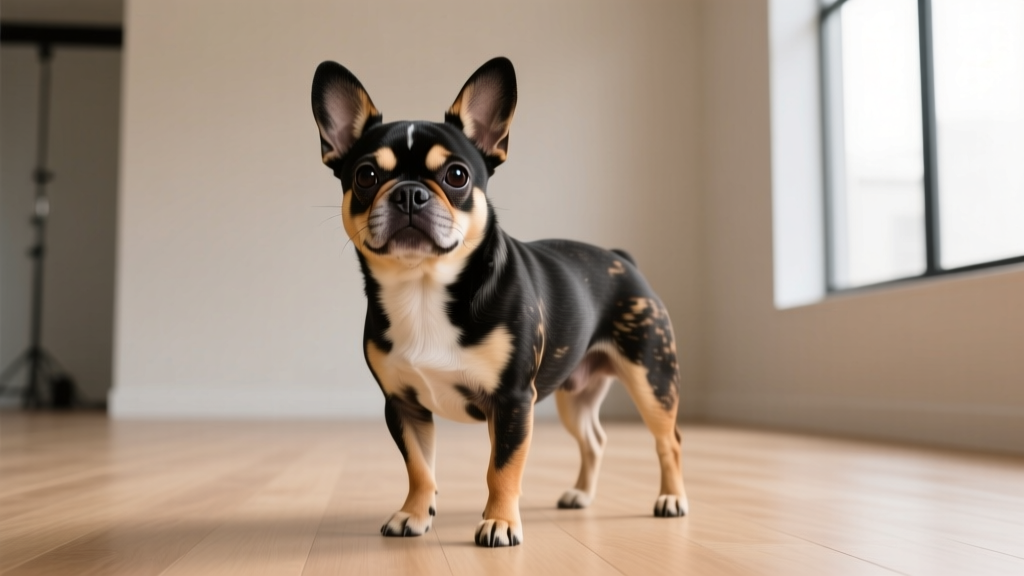
Size, Temperament & Care Guide for Designer Breeds
Explore medium poodle designer mixes including size ranges, coat types, temperament variability, health risks, and costs.

What Is a Medium Poodle and Why Is It Popular in Designer Breeds?
The term medium poodle (sometimes called "moyen poodle") refers to poodles standing between 15 and 20 inches at the shoulder and weighing roughly 30 to 50 pounds (14–23 kg). While the American Kennel Club officially recognizes only Toy, Miniature (under 15 inches), and Standard (over 15 inches) poodle varieties, the "medium" label has gained traction among breeders and owners who want a dog larger than a Miniature but more manageable than a full Standard. In Europe, the Fédération Cynologique Internationale (FCI) formally recognizes the Medium Poodle as a distinct size category.
This in-between size has made the medium poodle a go-to parent in designer crossbreeding. It produces puppies that fit active families who need a dog sturdy enough for hiking but small enough for apartment living. When you see designer breeds marketed as "medium" versions — a Medium Goldendoodle, a Medium Labradoodle, a Moyen Bernedoodle — you're typically looking at a cross involving a medium-sized poodle.
This guide breaks down what you can realistically expect when bringing home a medium poodle mix: the variability, the health considerations, the grooming demands, and the true costs. If you're researching before committing, you're already ahead of most buyers.
Parent Breed Breakdown: Poodle Meets Partner
Every designer mix inherits traits from two distinct breeds. Understanding both parents is essential because mixed-breed puppies don't come with guarantees — they come with probabilities.
The Poodle Parent
Poodles were originally water retrievers bred in Germany and refined in France. They rank as the second most intelligent dog breed (behind the Border Collie) in Stanley Coren's canine intelligence rankings. Key poodle traits include:
- Coat: Single-layered, curly or corded hair that grows continuously rather than shedding seasonally. This is the trait most designer breeders are trying to capture.
- Intelligence: Exceptional trainability, quick problem-solving, and sensitivity to owner emotions.
- Energy: Moderate to high — poodles need 45–60 minutes of daily activity plus mental stimulation.
- Health profile: Prone to hip dysplasia, progressive retinal atrophy (PRA), Addison's disease, sebaceous adenitis, and certain cancers.
- Lifespan: 12–15 years for medium/standard sizes.
Common Partner Breeds
Medium poodles are most frequently crossed with the following breeds to produce popular designer mixes:
| Partner Breed | Resulting Mix | Partner Breed Traits | Common Goal of the Cross |
|---|---|---|---|
| Golden Retriever (small line) | Medium Goldendoodle | Friendly, eager-to-please, moderate energy, heavy shedder | Low-shedding family companion with Golden temperament |
| Labrador Retriever (small line) | Medium Labradoodle | Outgoing, high energy, mouthy, heavy shedder | Service/therapy dog with manageable coat |
| Cocker Spaniel | Medium Cockapoo | Affectionate, moderate energy, moderate shedder, prone to ear infections | Compact companion with soft coat |
| Bernese Mountain Dog (small line) | Moyen Bernedoodle | Calm, loyal, moderate-to-low energy, heavy shedder | Tricolor aesthetic with reduced shedding and smaller size |
| Cavalier King Charles Spaniel | Medium Cavapoo | Gentle, low-to-moderate energy, moderate shedder, brachycephalic tendencies | Lap-sized companion with reduced shedding |
| Australian Shepherd (mini line) | Medium Aussiedoodle | High energy, herding instinct, intelligent, moderate shedder | Active sport companion with lower-shedding coat |
The partner breed dramatically shapes the puppy's outcome. A medium Goldendoodle and a medium Aussiedoodle may share the same poodle parent size but behave like entirely different dogs.
Understanding Generations: F1, F1B, F2, and Multigen
Generation Explainer
F1 (First Generation): One purebred poodle × one purebred partner breed. Maximum genetic diversity. Coat type is most unpredictable — puppies in the same litter can range from straight to curly. Roughly 50/50 genetic split.
F1B (First Generation Backcross): One F1 mix × one purebred poodle. Approximately 75% poodle genetics. Higher probability of a curly, low-shedding coat. Often recommended for allergy sufferers, though no dog is truly hypoallergenic.
F2 (Second Generation): Two F1 mixes bred together. Genetic diversity remains, but trait predictability drops further. You may see wide variation in coat, size, and temperament even within a single litter.
Multigen (F3 and beyond): Multiple generations of the same mix bred together. Traits become more predictable over time, but the gene pool narrows. Reputable multigen breeders maintain outcross lines to avoid inbreeding depression.
Generation matters enormously for medium poodle mixes because coat type and shedding level — two of the most common reasons people choose a poodle mix — are heavily influenced by how many generations of poodle genetics are in the puppy's lineage. An F1 Goldendoodle may shed almost as much as a pure Golden Retriever. An F1B Goldendoodle is far more likely to have the tight curls associated with low shedding.
Always ask the breeder which generation they're producing and request to see both parent dogs. If a breeder can't clearly explain their generation labeling, that's a red flag.
Size Range: How Big Will a Medium Poodle Mix Actually Get?
Here's where variability becomes tangible. Even within the "medium" category, adult size depends on the partner breed's genetics, the puppy's specific genetic expression, nutrition, and whether the dog is intact or altered early.
| Mix Type | Weight Range | Height Range (at shoulder) | Typical Adult Size Notes |
|---|---|---|---|
| Medium Goldendoodle | 30–50 lb (14–23 kg) | 17–20 in (43–51 cm) | Tends toward the heavier end if Golden parent is stocky |
| Medium Labradoodle | 30–50 lb (14–23 kg) | 18–21 in (46–53 cm) | Athletic build, often leaner than Goldendoodle |
| Medium Cockapoo | 20–35 lb (9–16 kg) | 14–17 in (36–43 cm) | Smaller end of medium; sometimes overlaps with large miniatures |
| Moyen Bernedoodle | 35–55 lb (16–25 kg) | 18–22 in (46–56 cm) | Heavier bone structure; can exceed 50 lb if Bernese genetics dominate |
| Medium Cavapoo | 18–30 lb (8–14 kg) | 13–17 in (33–43 cm) | Often marketed as medium but may land in the small category |
| Medium Aussiedoodle | 28–45 lb (13–20 kg) | 16–20 in (41–51 cm) | Lean and athletic; weight can be deceptive due to muscle density |
Practical tip: If precise adult size matters for your living situation (apartment weight limits, travel crates, etc.), an F1B or multigen puppy from parents you can meet in person gives you the best estimate. Weighing the parents and using a generation-adjusted formula — roughly the average of both parents' weights, plus or minus 15% — gives a reasonable projection for F1 puppies.
Coat Types and the Hypoallergenic Question
Let's address the most common misconception first: no dog is truly hypoallergenic. Allergic reactions to dogs are primarily triggered by a protein called Can f 1 found in saliva and dander, not by hair itself. However, low-shedding coats trap dander in curls rather than distributing it around your home, which reduces allergen exposure for many (but not all) sensitive people.
Medium poodle mixes can inherit three general coat types:
Straight/Flat Coat
Inherits the partner breed's coat. More shedding. Easier grooming — brushing 2–3 times weekly. Common in F1 litters.
Wavy/Fleece Coat
Intermediate type. Moderate shedding. Requires brushing 3–4 times weekly and professional grooming every 8–10 weeks. Most common in F1 and F2 litters.
Curly/Wool Coat
Inherits the poodle's coat. Minimal shedding. High grooming demand — daily brushing and professional grooming every 6–8 weeks. Most common in F1B and multigen litters.
Grooming cost reality check: Professional grooming for a medium poodle mix with a curly coat runs $65–$120 per session depending on your region, coat condition, and the groomer's experience with doodle-type coats. Budget for 6–8 sessions per year, which translates to $390–$960 annually in grooming alone. If you skip sessions, matting develops quickly — severely matted coats sometimes require a full shave-down, which is stressful for the dog and can lead to skin infections.
At-home maintenance between professional sessions requires a slicker brush (the Chris Christensen Big G is a groomer favorite, approximately $65), a steel comb for checking for mats, and a detangling spray. Plan on 10–15 minutes of brushing every other day for curly coats.
Temperament: Best-Case Scenarios and Challenging Realities
Temperament in medium poodle mixes ranges widely depending on which parent's behavioral genetics dominate, early socialization quality, and individual personality. Here's what you're working with:
Best-Case Temperament Profile
When poodle intelligence combines favorably with a partner breed's stable disposition, you get a dog that is highly trainable, emotionally attuned to its owner, good with children and other pets, adaptable to various living situations, and eager to participate in activities from hiking to nose work. Goldendoodles and Labradoodles often hit this mark when sourced from parents with proven temperament testing (look for AKC Canine Good Citizen certification on parent dogs).
Challenging Temperament Scenarios
- Poodle anxiety sensitivity: Poodles are emotionally sensitive dogs. Without adequate socialization during the critical 3–14 week window, medium poodle mixes can develop noise phobias, separation anxiety, or fear-based reactivity. This is especially pronounced in puppies raised in low-stimulation environments.
- Herding instinct (Aussiedoodle): Medium Aussiedoodles may inherit the Australian Shepherd's strong herding drive, leading to nipping at children's heels, chasing bicycles, and difficulty settling indoors without structured exercise.
- Stubbornness (Bernedoodle): Bernese Mountain Dog genetics can introduce an independent streak that makes recall training slower and off-leash reliability harder to achieve.
- High prey drive: Some partner breeds contribute prey drive that conflicts with the poodle's retriever softness, creating unpredictable behavior around small animals.
Training approach: All medium poodle mixes respond best to positive reinforcement methods — food rewards, play rewards, and marker-based training. Their intelligence means they learn quickly, but it also means they learn bad habits quickly. Avoid force-based methods (shock collars, prong collars, alpha rolls), which are particularly counterproductive with poodle-influenced dogs due to their sensitivity. A certified professional dog trainer (CPDT-KA) for a 6-week group class typically costs $150–$300 and is worth the investment in the first year.
Health Considerations: Hybrid Vigor vs. Reality
The concept of hybrid vigor (heterosis) suggests that crossbred dogs have health advantages over purebreds due to greater genetic diversity. There is some scientific support for this — a 2013 study published in the Journal of the American Veterinary Medical Association found that mixed-breed dogs had lower rates of certain inherited disorders. However, hybrid vigor is not a guarantee, and it does not eliminate all health risks.
Medium poodle mixes can inherit conditions from either parent breed. Here's what to screen for:
| Condition | Inherited From | Prevalence Note | Recommended Screening |
|---|---|---|---|
| Hip Dysplasia | Both parents (especially Golden, Lab, Bernese) | Affects 10–20% of medium-to-large breeds per Merck Veterinary Manual | OFA or PennHIP certification on both parents |
| Progressive Retinal Atrophy (PRA) | Poodle, Cocker Spaniel | Autosomal recessive — carriers are asymptomatic | DNA test (Optigen) on both parents |
| Addison's Disease | Poodle | Estimated 1 in 100 Standard Poodles; medium poodles may carry risk | No reliable screening test; know the symptoms |
| Von Willebrand Disease | Poodle, Cocker Spaniel | Bleeding disorder; mild forms may go undetected | DNA test available |
| Degenerative Myelopathy | Bernese Mountain Dog, Poodle | Progressive spinal cord disease; late onset (8+ years) | DNA test on both parents |
| Sebaceous Adenitis | Poodle | Inflammatory skin disease causing hair loss | Dermatological exam; no DNA test yet |
| Ear Infections (Otitis Externa) | Both (floppy ears + hair in ear canal) | Very common in poodle mixes due to trapped moisture | Regular ear cleaning protocol from puppyhood |
What responsible breeders do: A reputable medium poodle mix breeder will provide OFA hip scores, eye clearance certificates (CERF), and breed-relevant DNA panel results for both parent dogs. They should willingly share these documents before you place a deposit. Expect to pay $2,000–$4,000 for a puppy from health-tested parents — this cost reflects the breeder's investment in screening, which typically runs $500–$1,200 per breeding pair.
When to consult your veterinarian: If you're considering a specific puppy, bring the parent health clearances to your vet for interpretation. They can help you understand what the results mean for your puppy's risk profile and establish a preventive care plan. Regular veterinary checkups — at minimum annually for adults, twice annually for seniors — are essential regardless of breed.
Cost Breakdown: Purchase Price and Lifetime Ownership
Understanding the full financial picture prevents the sticker shock that leads some owners to surrender dogs they can't afford to care for.
| Expense Category | First-Year Cost | Annual Ongoing Cost |
|---|---|---|
| Puppy purchase (responsible breeder) | $2,000–$4,500 | — |
| Adoption (rescue, if available) | $300–$800 | — |
| Initial veterinary (vaccines, spay/neuter, microchip) | $500–$1,200 | — |
| Annual veterinary (wellness exams, preventives) | — | $600–$1,100 |
| Grooming (professional, 6–8 sessions/year) | $390–$960 | $390–$960 |
| Food (quality kibble or balanced diet) | $400–$800 | $400–$800 |
| Training (puppy class + ongoing) | $150–$500 | $0–$300 |
| Pet insurance (recommended) | $400–$900 | $400–$900 |
| Supplies (crate, bed, leash, toys, etc.) | $300–$600 | $100–$250 |
| Estimated Total | $4,440–$10,260 | $1,890–$4,310 |
Breeder vs. rescue: Medium poodle mixes do appear in rescues, particularly through breed-specific doodle rescues like Doodle Dandy Rescue or IDOG Rescue. Adoption fees typically range from $300–$800 and often include spay/neuter, initial vaccinations, and microchipping. However, rescue dogs may have unknown health histories and behavioral backgrounds that require patience and professional training support. Both paths are valid — choose based on your experience level, timeline, and willingness to manage uncertainty.
Who Is the Ideal Owner for a Medium Poodle Mix?
Based on the traits, care demands, and costs outlined above, medium poodle mixes suit specific lifestyles better than others:
Great Fit For:
- Active families with children ages 6+ (smaller children may overwhelm sensitive poodle mixes)
- First-time dog owners willing to invest in training classes
- People with mild-to-moderate dog allergies (F1B or multigen only, with a meet-and-greet allergy test first)
- Apartment dwellers with access to daily outdoor exercise
- Owners who enjoy grooming as a bonding activity or can budget for professional grooming
- People interested in dog sports (agility, nose work, rally obedience)
Poor Fit For:
- Owners unwilling to commit to regular grooming (curly coats are non-negotiable maintenance)
- People who work 10+ hour days without dog-walking or daycare support (separation anxiety risk)
- Families seeking a guaranteed non-shedding dog (variability means no guarantees)
- Owners on tight budgets who cannot absorb $500+ emergency vet bills
- People who prefer a low-maintenance, independent dog temperament
- Households with very young toddlers (sensitive dogs may react poorly to unpredictable handling)
Frequently Asked Questions
What two breeds make up a medium poodle mix?
A medium poodle mix is a cross between a medium-sized (moyen) poodle — standing 15–20 inches and weighing 30–50 pounds — and another breed such as a Golden Retriever, Labrador, Cocker Spaniel, Bernese Mountain Dog, Cavalier King Charles Spaniel, or Australian Shepherd. The specific partner breed determines the mix's name and strongly influences its temperament and appearance.
How big will my medium poodle mix get?
Most medium poodle mixes reach 25–55 pounds (11–25 kg) and stand 15–22 inches at the shoulder as adults. The exact size depends on the partner breed, generation, and individual genetics. Meeting both parent dogs gives you the best size estimate — expect the puppy to fall somewhere between the parents' sizes, with up to 15% variation in either direction.
What will the temperament be like?
Temperament varies significantly. Best-case: an intelligent, trainable, affectionate dog that bonds closely with family and adapts well to different activities. Challenging-case: a sensitive, anxious dog that requires extensive socialization, structured training, and consistent routine. Early socialization (exposure to 100+ people, surfaces, sounds, and environments before 14 weeks) is the single biggest factor you control.
Is a medium poodle mix hypoallergenic?
No dog is truly hypoallergenic. Medium poodle mixes with curly, poodle-dominant coats (most common in F1B and multigen generations) shed less and may produce fewer allergens in the home environment. However, the allergy-triggering protein Can f 1 is present in all dogs' saliva and dander. If you have dog allergies, spend at least 30 minutes with the specific puppy or adult dog before committing, and consult an allergist.
What health issues might my medium poodle mix inherit?
Medium poodle mixes can inherit conditions from either parent breed, including hip dysplasia, progressive retinal atrophy, Addison's disease, Von Willebrand disease, degenerative myelopathy, sebaceous adenitis, and chronic ear infections. Health-tested parents significantly reduce (but don't eliminate) these risks. Always request OFA, CERF, and DNA panel documentation from the breeder.
How much does a medium poodle mix cost?
Expect to pay $2,000–$4,500 for a medium poodle mix puppy from a responsible breeder who health-tests both parents. Adoption through a doodle-specific rescue typically costs $300–$800. First-year total ownership costs (including purchase, veterinary care, grooming, food, supplies, and training) range from approximately $4,400 to $10,200, with ongoing annual costs of $1,900–$4,300.
Aaron Whyte
All our authors care for dogs every day — read more of their work on the authors page.