Chihuahua Mixed With French Bulldog: Complete French Bullhuahua Guide
Everything about the Chihuahua mixed with French Bulldog: size, temperament, health risks, grooming needs, cost.
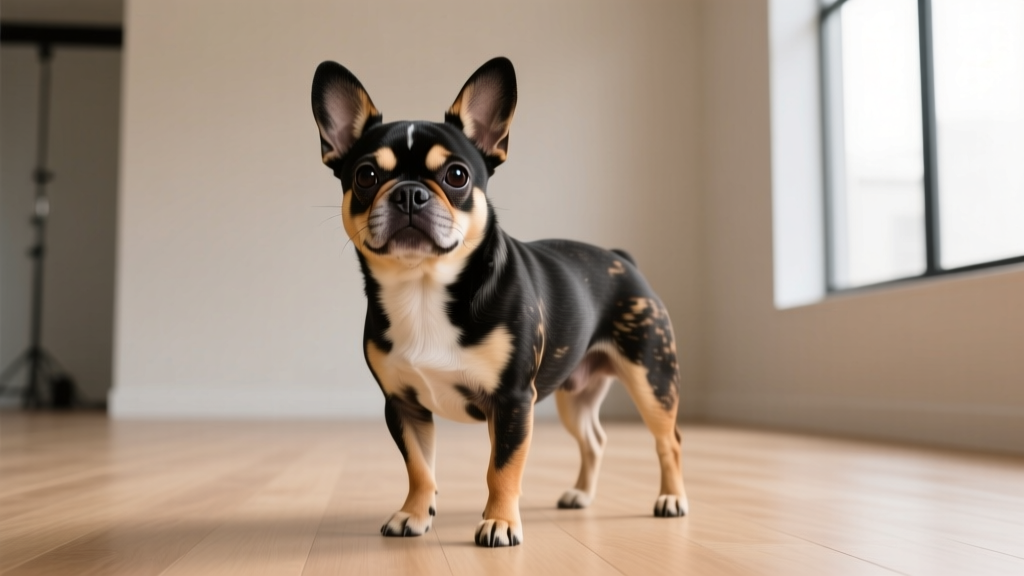
Meet the French Bullhuahua: What Two Breeds Make Up This Mix?
The Chihuahua mixed with French Bulldog — most commonly called the French Bullhuahua (also seen as "Bullhuahua" or "Mexican Bulldog" in some registries) — is a designer cross between two of the most recognizable small breeds in the United States. The French Bulldog has held the #1 spot in AKC popularity rankings since 2022, while the Chihuahua remains a top-35 staple known for outsized personality in a tiny frame.
This cross produces a compact companion dog typically weighing between 10 and 28 pounds (4.5–12.7 kg), though individual puppies in the same litter can vary dramatically. Unlike standardized purebreds, designer mixes like the French Bullhuahua have no governing breed standard, which means predicting exact traits requires understanding both parent breeds and the generation of the cross.
Parent A: French Bulldog — 16–28 lb (7.3–12.7 kg), brachycephalic, bat-eared, muscular build
Parent B: Chihuahua — 2–6 lb (0.9–2.7 kg), apple or deer head, large erect ears, fine-boned
Result: A small-to-medium companion with highly variable structure depending on which parent's genes dominate.
Parent Breed Breakdown: French Bulldog vs. Chihuahua
Before predicting what a French Bullhuahua might look and act like, it helps to understand what each parent brings to the table. These two breeds differ significantly in structure, temperament, and health profiles.
| Trait | French Bulldog | Chihuahua |
|---|---|---|
| Weight Range | 16–28 lb (7.3–12.7 kg) | 2–6 lb (0.9–2.7 kg) |
| Height | 11–13 in (28–33 cm) | 5–8 in (13–20 cm) |
| Head Shape | Brachycephalic (flat-faced), square | Apple dome or deer (moderate muzzle) |
| Ears | Bat ears, erect, broad-based | Large erect ears, narrower base |
| Coat | Short, smooth, fine | Short smooth or long-haired |
| Energy Level | Low to moderate (20–30 min/day) | Moderate (30–45 min/day) |
| Temperament | Affectionate, adaptable, clownish | Alert, loyal, bold, can be wary of strangers |
| Lifespan | 10–12 years | 14–16+ years |
| AKC Group | Non-Sporting | Toy |
How Big Will a Chihuahua Mixed With French Bulldog Get?
Size is one of the most unpredictable aspects of this cross because the parent breeds differ so dramatically in mass — a French Bulldog can weigh up to 14 times more than a Chihuahua. The resulting mix almost always falls somewhere between the two parents, but exactly where depends on generation, individual genetics, and which parent carried the pregnancy.
| Size Category | Weight | Height at Shoulder | Likely When |
|---|---|---|---|
| Small end | 10–15 lb (4.5–6.8 kg) | 8–10 in (20–25 cm) | More Chihuahua influence; F1B backcrossed to Chihuahua |
| Mid-range (most common) | 15–22 lb (6.8–10 kg) | 10–12 in (25–30 cm) | Balanced F1 cross |
| Large end | 22–28 lb (10–12.7 kg) | 12–14 in (30–36 cm) | More Frenchie influence; F1B backcrossed to Frenchie |
Important breeding note: Ethical breeders always use the French Bulldog as the mother (dam) in this cross. A Chihuahua dam carrying puppies sired by a French Bulldog faces serious risk of dystocia (difficult birth) because the puppies' heads and shoulders may be too large for the Chihuahua's birth canal. C-sections are frequently required even with a Frenchie dam, given the breed's already high cesarean rate (estimated at over 80% according to AKC health resources). Any breeder using a Chihuahua dam should be questioned carefully about their whelping plan.
Generations Explained: F1, F1B, and Multigen French Bullhuahuas
- F1 (First Generation): 50% French Bulldog × 50% Chihuahua. Maximum trait variability — puppies in the same litter can look and behave very differently.
- F1B (First Generation Backcross): An F1 French Bullhuahua bred back to one of the parent breeds (usually the French Bulldog). Result: ~75% one parent, ~25% the other. Slightly more predictable but still variable.
- F2 (Second Generation): Two F1 French Bullhuahuas bred together. Produces the widest variation of all — Mendelian genetics mean some puppies may closely resemble one grandparent breed while others split the difference.
- Multigen (F3+): Multiple generations of French Bullhuahua-to-French Bullhuahua breeding. Still not a standardized breed, but trait consistency improves modestly. Rare for this particular mix.
The French Bullhuahua is not recognized as a standardized breed by the American Kennel Club. You may find them registered with the Designer Breed Registry (DBR) or International Designer Canine Registry (IDCR), but these registries do not enforce the health testing or breed-standard rigor that the AKC requires. This matters because without standardization, each puppy is essentially a genetic lottery — which is why meeting the parent dogs and reviewing health clearances is non-negotiable.
What Will the Temperament Be Like?
Temperament in the French Bullhuahua spans a wide spectrum. The best-case scenario combines the French Bulldog's easygoing, sociable nature with the Chihuahua's alertness and devotion — producing a dog that's playful, attached to its people, and reasonably friendly with strangers. The challenging scenario blends the Chihuahua's wariness and potential resource guarding with the Frenchie's stubbornness — creating a dog that's difficult to train, reactive to strangers, and prone to barking.
| Trait | Leans Frenchie | Leans Chihuahua | Unpredictable Zone |
|---|---|---|---|
| Stranger Friendliness | Gregarious, loves everyone | Suspicious, may bark or snap | Most F1s fall somewhere between |
| Trainability | Willing but slow, food-motivated | Smart but independent, easily bored | Stubbornness from both sides possible |
| Barking Level | Moderate, occasional | High, alert barking | Depends heavily on socialization |
| Separation Anxiety | High risk — velcro dog tendency | Moderate — bonds closely to one person | Either parent's pattern may dominate |
| Kid Tolerance | Generally patient and sturdy | Fragile, may nip if handled roughly | Size and temperament both factor |
| Other Dog Tolerance | Usually sociable | Can be feisty, small-dog syndrome risk | Early socialization is the biggest factor |
Regardless of genetic lean, early socialization between 8 and 16 weeks is critical. Both parent breeds can develop fear-based reactivity without proper exposure to varied people, environments, sounds, and other dogs during this developmental window. Use positive reinforcement methods exclusively — treats, praise, and play — to build confident associations. Force-free training programs like those recommended by the American Veterinary Society of Animal Behavior produce the best long-term outcomes for small breeds with guarding tendencies.
Coat, Shedding, and Grooming: Is This Mix Hypoallergenic?
No — the French Bullhuahua is not hypoallergenic. Neither parent breed is low-shedding or hypoallergenic. The French Bulldog has a short, fine, smooth coat that sheds moderately year-round with seasonal increases. The Chihuahua comes in two varieties: smooth coat (short, similar shedding to the Frenchie) and long coat (longer, softer fur with moderate shedding and some feathering on ears, legs, and tail).
Here's what coat inheritance typically looks like:
- Short smooth coat (most common): Inherited when the Chihuahua parent is smooth-coated or when short-coat genes dominate. Looks like a slightly finer Frenchie coat. Sheds moderately. Requires brushing 1–2 times per week with a rubber curry brush or bristle brush.
- Long coat (less common): Possible when the Chihuahua parent is long-coated and those genes express. Produces a semi-long, softer coat with possible feathering. Sheds moderately to heavily. Requires brushing 3–4 times per week with a slicker brush to prevent matting behind ears and in leg feathering.
- Wire or mixed texture (rare): Occasionally seen in F2 or multigen crosses where coat genes recombine unpredictably.
Grooming routine for most French Bullhuahuas:
- Brushing: 1–3 times weekly depending on coat length
- Bathing: Every 4–8 weeks with a mild, dog-formulated shampoo (human shampoo disrupts canine skin pH)
- Facial wrinkle cleaning: If the mix inherits Frenchie-style facial folds, clean wrinkles 2–3 times weekly with a damp cloth or veterinary-recommended wrinkle wipe to prevent yeast and bacterial infections (intertrigo)
- Nail trims: Every 2–4 weeks — small dogs often don't wear nails down naturally on indoor surfaces
- Ear cleaning: Weekly check; clean with a vet-approved ear cleanser if debris accumulates (both parent breeds have erect, open ears, which helps airflow but still requires monitoring)
- Dental care: Daily tooth brushing with enzymatic dog toothpaste — both parent breeds are highly prone to dental disease
Health Considerations: Hybrid Vigor Myth vs. Reality
A common marketing claim for designer dogs is "hybrid vigor" — the idea that crossbreeding automatically eliminates health problems. This is misleading. While outcrossing can reduce the risk of recessive genetic conditions that are common in one breed's gene pool, a cross between two breeds can also combine health vulnerabilities, especially when both parents share similar structural issues.
The French Bulldog and Chihuahua share several overlapping health risks, which means the French Bullhuahua is not insulated from these conditions:
| Condition | From Which Parent | Risk Level in Mix | What to Watch For |
|---|---|---|---|
| Brachycephalic Obstructive Airway Syndrome (BOAS) | French Bulldog (primary); Chihuahua apple heads can also have shortened muzzles | Moderate to High — depends on muzzle length inheritance | Snoring, noisy breathing, exercise intolerance, heat sensitivity, collapse episodes |
| Patellar Luxation | Both breeds | Moderate | Skipping gait, holding hind leg up intermittently, reluctance to jump |
| Dental Disease (Periodontal) | Both breeds — small mouths with crowded teeth | High | Bad breath, tartar buildup, loose teeth, reluctance to eat hard food |
| Intervertebral Disc Disease (IVDD) | French Bulldog (chondrodystrophic breed); Chihuahua also predisposed | Moderate | Back pain, reluctance to use stairs, sudden hind limb weakness or paralysis |
| Eye Conditions | Both — cherry eye, cataracts, corneal ulcers (prominent eyes) | Moderate | Squinting, redness, discharge, cloudiness, pawing at eye |
| Hip Dysplasia | French Bulldog (primary) | Low to Moderate | Stiffness after rest, bunny-hopping gait, difficulty rising |
| Tracheal Collapse | Chihuahua (primary) | Low to Moderate — more likely if smaller build | Honking cough, especially with excitement or collar pressure |
| Cardiac Issues | Both — mitral valve disease (Chihuahua), congenital heart defects (Frenchie) | Moderate | Coughing, exercise intolerance, fainting episodes |
If your French Bullhuahua inherits a shortened muzzle from the Frenchie side, they are at risk for Brachycephalic Obstructive Airway Syndrome. This condition involves narrowed nostrils (stenotic nares), an elongated soft palate, and potentially a hypoplastic trachea. These dogs can overheat rapidly in warm weather and should never be exercised in temperatures above 80°F (27°C). Always use a harness rather than a collar to avoid pressure on the trachea. Discuss BOAS screening with your veterinarian at your puppy's first wellness exam.
Recommended health screenings for parent dogs (ask the breeder for documentation):
- French Bulldog parent: OFA hip evaluation, spinal screening, cardiac exam, patella evaluation, and BOAS functional assessment
- Chihuahua parent: OFA patella evaluation, cardiac exam, ophthalmologist evaluation
- Both parents: DNA panel for known breed-relevant mutations
Always consult your veterinarian to establish a preventive care plan tailored to your individual dog's structure and inherited risk factors.
Who Does the French Bullhuahua Suit Best?
This mix works well for specific lifestyles but is not a universally easy dog. Here's a practical fit assessment:
- Apartment or condo dwellers — compact size, moderate energy
- Adults or families with older children (10+) who understand small-dog handling
- Owners home most of the day — both parent breeds bond closely and are prone to separation distress
- First-time owners willing to invest in puppy socialization classes
- People wanting a portable, travel-friendly companion
- Those prepared for potential veterinary costs associated with brachycephalic breeds
- Families with toddlers — small, potentially fragile dogs risk injury from rough handling
- Owners away 8+ hours daily without pet care arrangements
- Hot climates without reliable air conditioning (BOAS risk)
- Those seeking an off-leash hiking partner — heat intolerance and recall challenges
- Budget-conscious owners unprepared for $2,000–$6,000+ potential emergency vet bills
- Households wanting a guaranteed predictable temperament — this cross is highly variable
How Much Does a Chihuahua Mixed With French Bulldog Cost?
Pricing for French Bullhuahua puppies varies based on breeder reputation, location, parent dog quality, and generation:
| Source | Price Range | What to Expect |
|---|---|---|
| Backyard breeder / online listing | $400–$800 | No health testing, no take-back guarantee, high risk of undisclosed conditions |
| Reputable hobby breeder | $1,200–$2,500 | Health-tested parents, early socialization, spay/neuter contract, take-back clause |
| High-end designer breeder | $2,500–$4,500 | Full OFA/genetic panels, C-section costs built in, multigen lines, waitlists |
| Rescue / shelter adoption | $100–$400 | Adult dogs available; temperament evaluated; mixed-breed rescues occasionally have this cross |
First-year ownership costs beyond purchase price: Budget approximately $1,800–$3,200 for veterinary care (initial vaccines, spay/neuter, dental baseline), quality food (small-breed formula, ~$35–$60/month for brands like Royal Canin Small, Hill's Science Diet Small Paws, or Purina Pro Plan Small Breed), pet insurance ($30–$60/month for comprehensive coverage — highly recommended for brachycephalic mixes), gear (harness, crate, dental supplies: $150–$300), and training classes ($150–$300 for group puppy socialization).
French Bulldogs are notoriously expensive to breed due to high C-section rates, artificial insemination requirements, and small litter sizes (typically 2–4 puppies). These costs drive up French Bullhuahua puppy prices even though they're a mixed breed. Adoption through breed-specific rescues like French Bulldog Rescue Network or local Chihuahua rescues occasionally yields this cross at a fraction of breeder pricing.
Frequently Asked Questions
Can a Chihuahua and French Bulldog naturally breed?
Physical size differences make natural mating difficult and potentially dangerous. Most responsible breeders use artificial insemination (AI) with the French Bulldog as the dam. Even with AI, pregnancy carries risks, and a planned C-section is often necessary. The Merck Veterinary Manual outlines the complexities of assisted canine reproduction for interested owners.
How long do French Bullhuahuas live?
Expect a lifespan of approximately 12–15 years, assuming good health. This sits between the French Bulldog's shorter 10–12 year average and the Chihuahua's impressive 14–16+ years. Dogs that inherit a more moderate muzzle (less brachycephalic) and maintain a healthy body condition score tend to live longer. Dental disease is a major lifespan reducer in small breeds — consistent dental care adds years.
Are French Bullhuahuas good with cats?
It depends on the individual dog's prey drive and socialization history. French Bulldogs generally have low prey drive and coexist well with cats. Chihuahuas vary more — some ignore cats entirely, others chase. Introduce slowly using positive reinforcement, and always supervise initial interactions. Puppies raised alongside cats typically adapt well.
Do French Bullhuahuas bark a lot?
Barking levels range from moderate to high. The Chihuahua's alert-barking instinct is strong, and if your mix inherits this trait, expect vocal responses to doorbells, passing dogs, and unfamiliar sounds. Consistent positive reinforcement training — rewarding quiet behavior rather than punishing barking — is the most effective management approach. Avoid bark collars, which can increase anxiety and worsen the problem.
What should I feed a French Bullhuahua?
A high-quality small-breed formula with an AAFCO statement of nutritional adequacy is appropriate. Look for kibble sized for small mouths (brands like Royal Canin X-Small or Small, Wellness Toy Breed, or Taste of the Wild Appalachian Valley). Adults typically eat ½ to 1 cup daily split into two meals, depending on weight and activity level. French Bulldogs are prone to food allergies and flatulence — if your mix inherits digestive sensitivity, a limited-ingredient diet with a novel protein (salmon, duck, or lamb) may help. Monitor body condition score monthly; obesity worsens BOAS and joint stress significantly.
Is pet insurance worth it for this mix?
Strongly recommended. Given the combined health risks of both parent breeds — especially BOAS, IVDD, and dental disease — a comprehensive pet insurance policy can save thousands. Enroll as a puppy before any conditions are documented (pre-existing condition exclusions are universal). Companies like Trupanion, Healthy Paws, and Nationwide offer plans covering hereditary conditions. Expect premiums of $35–$65/month for a French Bullhuahua puppy depending on your ZIP code and deductible choice.
Dr. Hannah Wickes
All our authors care for dogs every day — read more of their work on the authors page.


